

Introduction
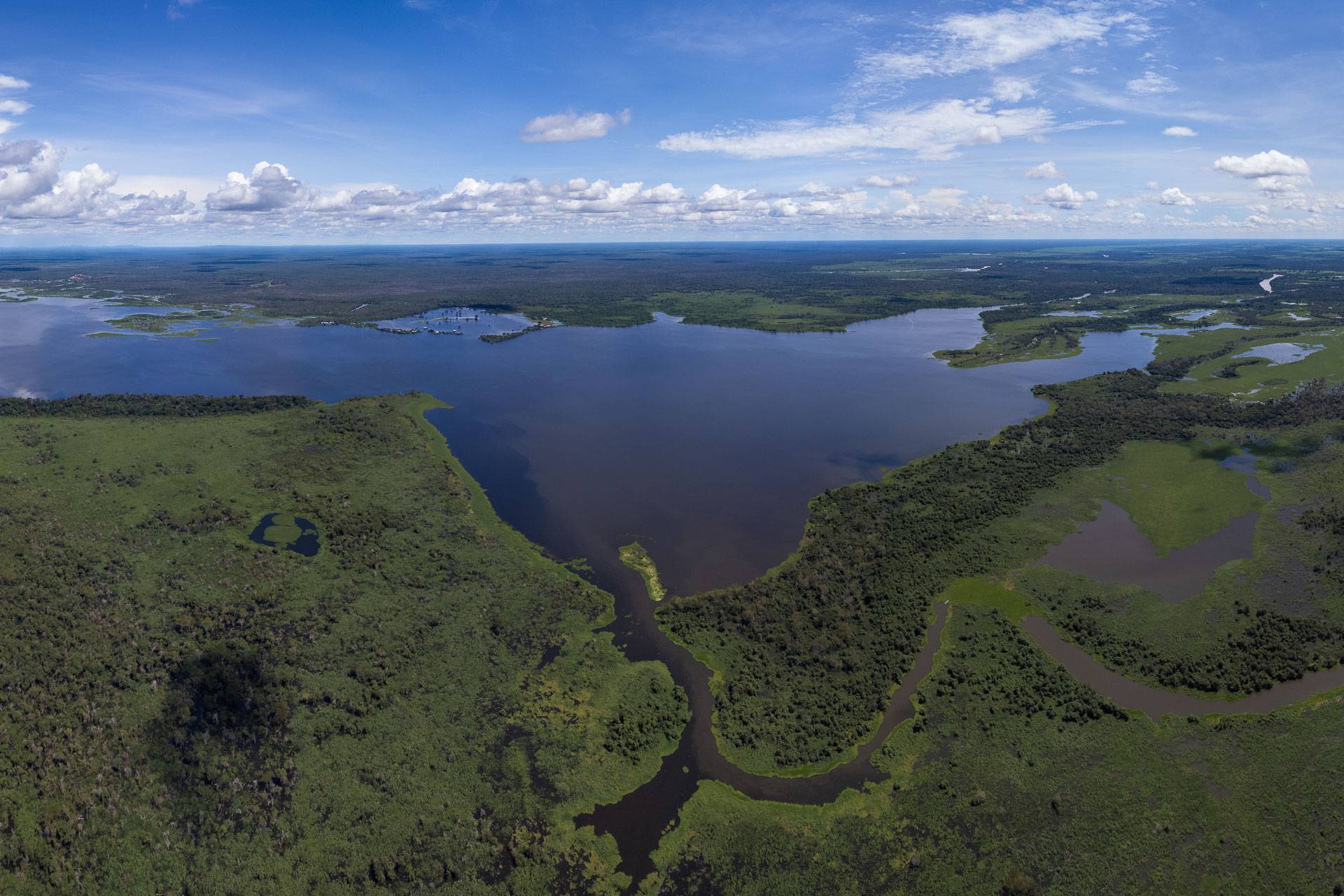
Barão de Melgaço, located in the state of Mato Grosso, is often described as the most “Pantanal” city in the region, as nearly 98% of its territory is composed of floodplains. Situated in the Northern Pantanal, the city is a true sanctuary of waters, where the Cuiabá River and a complex system of bays, such as Chacororé and Siá Mariana, dictate the rhythm of life. Its name is a tribute to Admiral Augusto Leverger, the Baron of Melgaço, a French-born hero of the Paraguayan War who became a prominent figure in the history and geography of Mato Grosso.
Geographically, Barão de Melgaço is a vital link in the Pantanal’s hydrological system. The vast bays of the municipality act as immense natural reservoirs that regulate the flow of the Cuiabá River and provide essential breeding grounds for hundreds of fish species. This abundance of water makes the region one of the most productive in terms of biodiversity, attracting birdwatchers, sport fishers, and nature enthusiasts from around the world who seek an authentic experience in the heart of the wetlands.
Culturally, the city preserves the deep-rooted traditions of the Pantanal people (pantaneiros). The local lifestyle is intrinsically linked to the flood cycle, with communities adapting their homes, transport, and festivities to the seasonal changes. From the traditional Siriri and Cururu dances to the typical cuisine based on fresh river fish, Barão de Melgaço offers a window into the soul of the Pantanal, where man and nature coexist in a delicate and beautiful balance.
Geographical Classification
| Category | Information |
|---|---|
| Country | Brazil |
| State | Mato Grosso |
| Region | Northern Pantanal |
| Foundation | December 12, 1953 |
| Area | 11,182.844 km² |
| Altitude | 160 meters above sea level |
| Coordinates | 16° 11’ 40" S, 55° 58’ 03" W |
| Gentilic | Melgacense |
Demographic Data
| Indicator | Value |
|---|---|
| Population (2022) | 7,253 inhab. |
| Density | 0.65 inhab/km² |
| HDI | 0.600 (Medium) |
History
The history of Barão de Melgaço is closely tied to the exploration of the Cuiabá River and the defense of the Brazilian borders. The region was originally inhabited by indigenous groups before becoming a strategic point for river navigation during the colonial and imperial periods. The city’s namesake, Augusto Leverger (1802–1880), was a French sailor who moved to Brazil, served in the Navy, and was appointed Baron of Melgaço for his services during the Paraguayan War and his extensive mapping of the region’s rivers.
The municipality was officially created on December 12, 1953, separating from Santo Antônio de Leverger. Since its inception, Barão de Melgaço has maintained its character as a riverine community, with its economy and social structure revolving around the water. The preservation of its historical identity is evident in the local architecture and the oral traditions passed down through generations of fishers and ranchers who have learned to thrive in the challenging yet rewarding environment of the Pantanal.
Geography and Climate
Barão de Melgaço is defined by its extreme hydrography. The municipality is home to the Chacororé Bay, one of the largest in the Pantanal, which connects to the Siá Mariana Bay through a series of natural channels (corixos). These bays are shallow but cover vast areas, creating a unique aquatic landscape. The relief is almost entirely flat, with elevations rarely exceeding a few meters above the river level, making the entire region highly susceptible to seasonal flooding.
The climate is tropical semi-humid, with a marked seasonality. The rainy season (October to March) brings the “cheia” (flood), when the bays expand and cover the surrounding fields, while the dry season (April to September) sees the water recede, leaving behind nutrient-rich soils and concentrated pools of fish. Temperatures are high year-round, often reaching 35°C to 40°C, with high humidity levels that characterize the Pantanal atmosphere.
Economy
The economy of Barão de Melgaço is primarily based on tourism, fishing, and small-scale ranching. Tourism is the most dynamic sector, with numerous lodges and river hotels catering to sport fishers and ecotourists. The Chacororé and Siá Mariana bays are the main attractions, offering world-class opportunities for birdwatching and wildlife photography. Fishing, both artisanal and sport, is a vital source of income for the local population, with species like pacu, pintado, and dourado being highly sought after.
Extensive cattle ranching is also practiced, though it is limited by the vast floodable areas. Ranchers in Barão de Melgaço have developed specialized techniques for moving cattle between higher and lower grounds according to the water level. In recent years, there has been a growing interest in sustainable development projects that aim to diversify the local economy while preserving the fragile ecosystem that is the city’s greatest asset.
Tourism and Attractions
The main attractions of Barão de Melgaço are its stunning water bodies. The Chacororé Bay is a spectacle of nature, especially at sunset, when the sky reflects on its vast surface. Boat tours through the corixos allow visitors to see a variety of wildlife, including caimans, capybaras, and hundreds of bird species like the jabiru and the kingfisher. The Siá Mariana Bay is equally beautiful and is a favorite spot for sport fishing enthusiasts.
Cultural tourism is also significant. Visitors can experience the authentic Pantanal lifestyle by staying in local lodges, participating in traditional festivals, and tasting the local cuisine. The city’s proximity to Cuiabá (about 110 km) makes it an accessible destination for those looking for a quick escape into the wild. The “Pantanal Highway” (MT-040) provides the main land access, though many parts of the municipality are best explored by boat.
Infrastructure
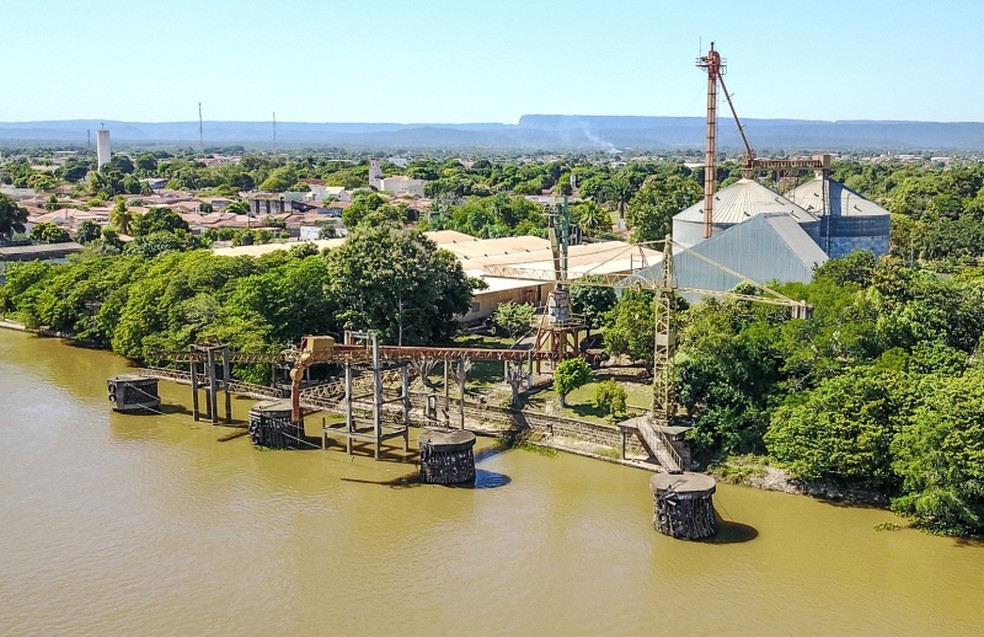
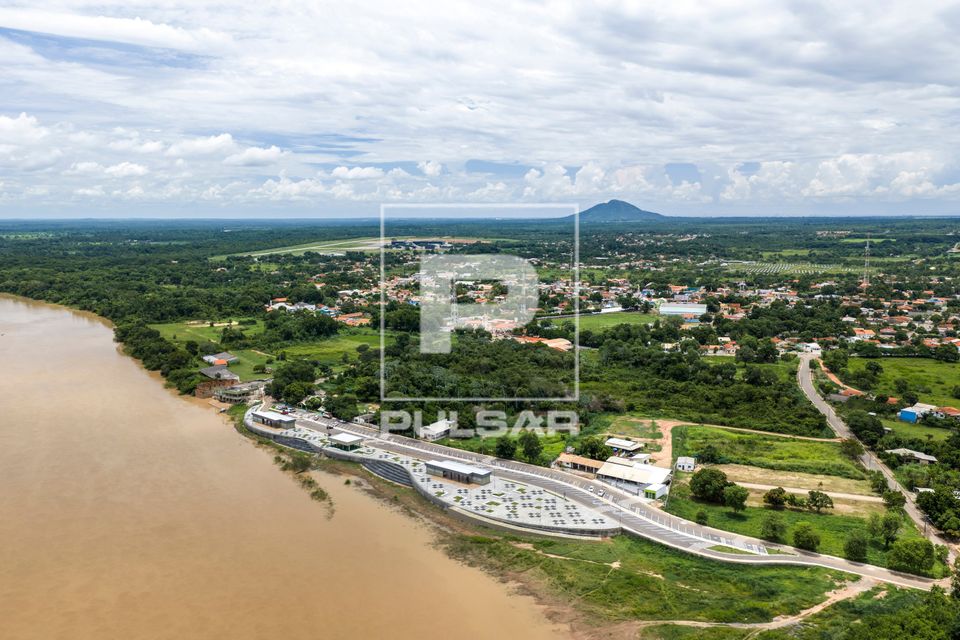
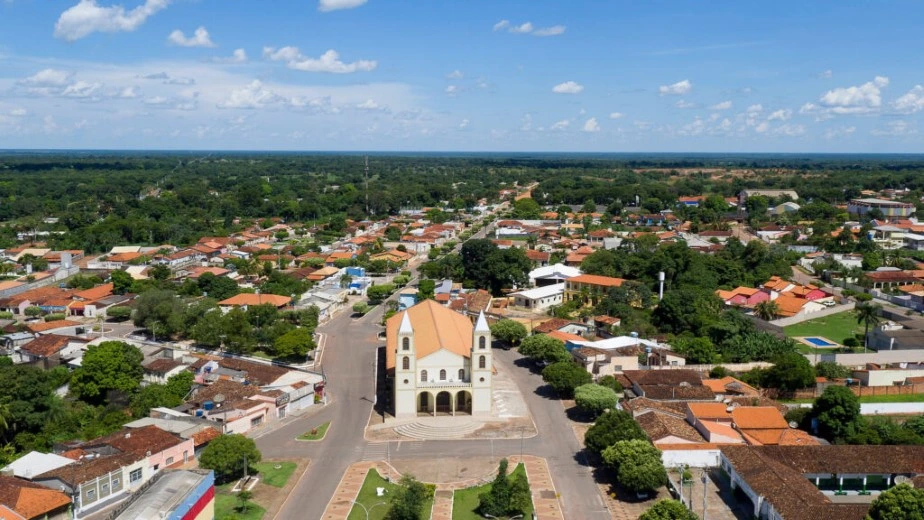
The infrastructure of Barão de Melgaço is adapted to its riverine nature. The city is connected to Cuiabá by the MT-040 highway, which is partially paved. Within the municipality, water transport is often more practical than land transport, especially during the flood season. The urban area is small and concentrated along the riverbanks, with basic services such as schools and health clinics serving the local population.
In recent years, there have been efforts to improve the tourist infrastructure, with investments in better roads and sanitation. However, the vastness and the floodable nature of the territory remain significant challenges for large-scale development. The city relies heavily on its connection to the Cuiabá metropolitan area for more specialized services and supplies. Digital connectivity is improving, allowing local businesses to better reach international markets.
Importance for the Pantanal
Barão de Melgaço plays an incalculable ecological role in the Pantanal. The Chacororé-Siá Mariana system acts as the “beating heart” of the Northern Pantanal, serving as a massive nursery for fish and a refuge for countless species during the dry season. The health of these bays is essential for the entire Cuiabá River basin, as they filter water and regulate the flood cycles that sustain the biome’s productivity.
Furthermore, the city is a guardian of traditional Pantanal culture. The riverine communities possess deep empirical knowledge about the environment, which is vital for conservation efforts. The sustainable tourism model promoted in the region demonstrates how economic activities can be aligned with nature protection. Barão de Melgaço is not just a city; it is a key piece in the resilience and sustainability of one of the world’s most important natural heritages.
Fun Facts
- The Baron was French: Admiral Augusto Leverger, who gives the city its name, was born in Saint-Malo, France, but became a naturalized Brazilian and dedicated his life to the Pantanal.
- Freshwater Sea: The Chacororé Bay is so vast that on windy days, waves form that resemble the sea, challenging the perception of those used to calm river waters.
- Ghost Boat Legend: There is a famous local legend about a “ghost boat” that sails the Chacororé Bay on full moon nights, protecting the fish from predatory fishers.
- Amphibious City: With 98% of its territory floodable, Barão de Melgaço is one of the most water-dependent cities in the world, with life changing completely between the dry and wet seasons.
- Giant Nursery: Scientists consider the bays of Barão de Melgaço to be one of the largest and most productive freshwater fish nurseries on the planet.
References
[1] IBGE. (n.d.). Panorama of Barão de Melgaço (MT). Available at: https://cidades.ibge.gov.br/brasil/mt/barao-de-melgaco/panorama [2] BARÃO DE MELGAÇO MUNICIPAL GOVERNMENT. (n.d.). History and Tourism. Available at: https://www.baraodemelgaco.mt.gov.br/historia [3] MATO GROSSO STATE GOVERNMENT. (n.d.). Investments and Infrastructure in Barão de Melgaço. Available at: https://www.secom.mt.gov.br/ [4] BRAZIL HUMAN DEVELOPMENT ATLAS. (n.d.). Profile of Barão de Melgaço. Available at: http://www.atlasbrasil.org.br/perfil/municipio/5101605