
Megaceryle torquata (Ringed Kingfisher): Ringed Kingfisher of the Pantanal
Introduction
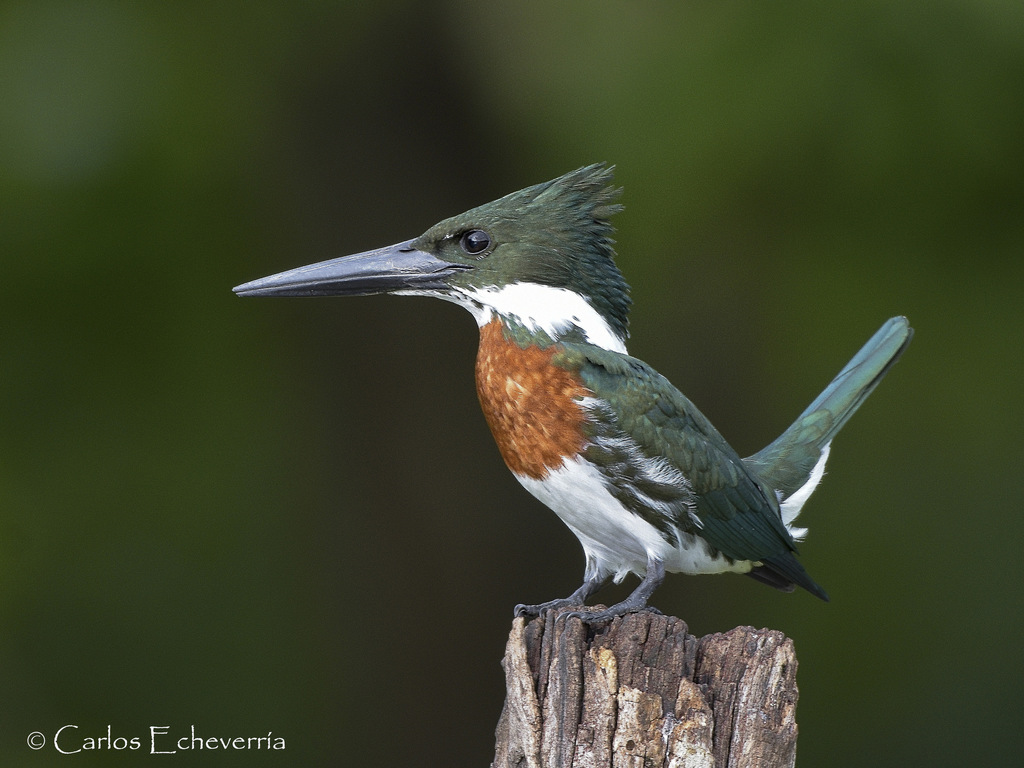
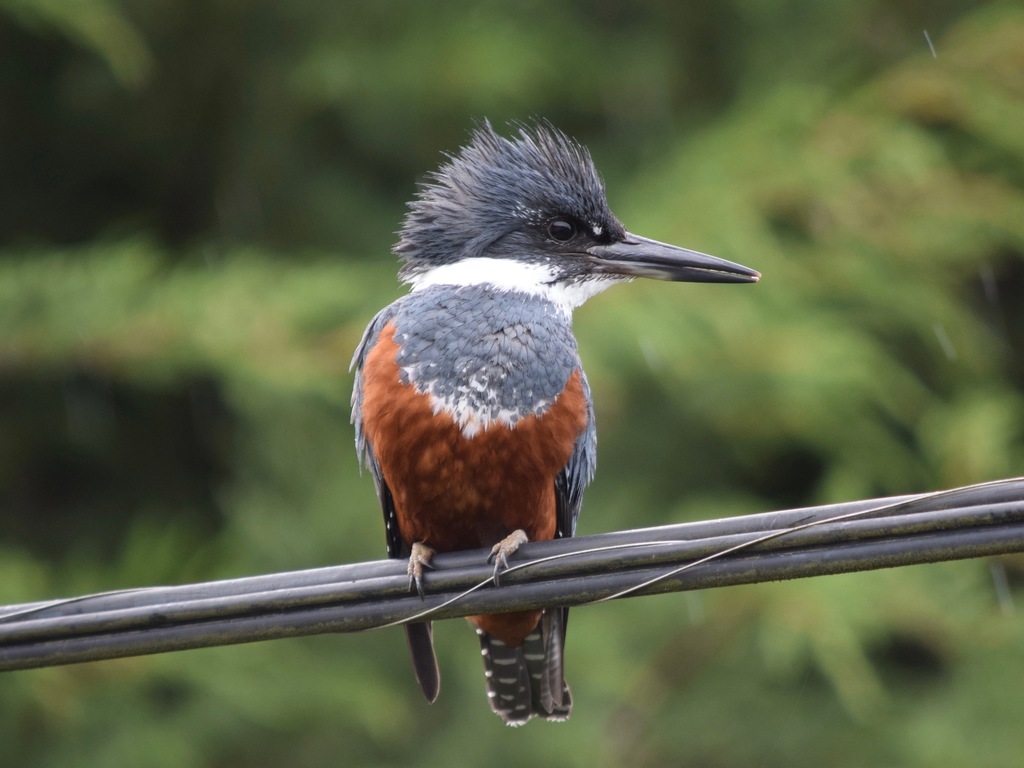
The ringed kingfisher (Megaceryle torquata) is one of the most characteristic species of the Pantanal avifauna. The largest kingfisher in the Americas, it features blue-gray plumage on the upper parts, with a white collar and a rusty breast (male) or blue-gray with streaks (female). This species is part of the rich bird diversity of the Pantanal, a biome that hosts more than 650 species and is considered one of the world’s best destinations for birdwatching [1] [2].
Scientific Classification
| Category | Classification |
|---|---|
| Kingdom | Animalia |
| Phylum | Chordata |
| Class | Aves |
| Order | Coraciiformes |
| Family | Alcedinidae |
| Genus | Megaceryle |
| Species | Megaceryle torquata |
| Common Name | Ringed Kingfisher |
Description
The largest kingfisher in the Americas. The plumage is blue-gray on the upper parts, with a white collar and a rusty breast (male) or blue-gray with streaks (female). It has a prominent crest and a long, robust bill. Its length varies between 38-41 cm and its weight between 280-360 g.
Geographic Distribution
From the southern USA to northern Argentina. In Brazil, it occurs in all biomes with water bodies. In the Pantanal, it is found along the banks of large rivers and bays.
Habitat
Banks of rivers, lakes, and bays with clear water. It prefers locations with earth banks for nesting and high perches to observe prey.
Behavior
Solitary and territorial. It hunts by diving from perches or while hovering. It emits a loud, harsh call while flying and actively defends its territory against other kingfishers.
Feeding
Medium-sized fish captured by plunge-diving. It also consumes shrimp, crabs, and occasionally amphibians.
Reproduction
It excavates tunnels 1-2 meters long in earth banks for nesting. It lays 3-6 white eggs. Incubation lasts 22-24 days, with both parents participating.
Conservation Status
Least Concern (LC) by the IUCN. Common in the Pantanal.
References
[1] SICK, H. (1997). Ornitologia Brasileira. Nova Fronteira. [2] TUBELIS, D.P.; TOMAS, W.M. (2003). Bird species of the Pantanal wetland, Brazil. Ararajuba, v.11, n.1. [3] DEL HOYO, J. et al. (1992). Handbook of the Birds of the World. Lynx Edicions. [4] IUCN. (2023). Megaceryle torquata. The IUCN Red List of Threatened Species. [5] COLLAR, N.J. et al. (1992). Threatened Birds of the Americas. ICBP.