

Introduction
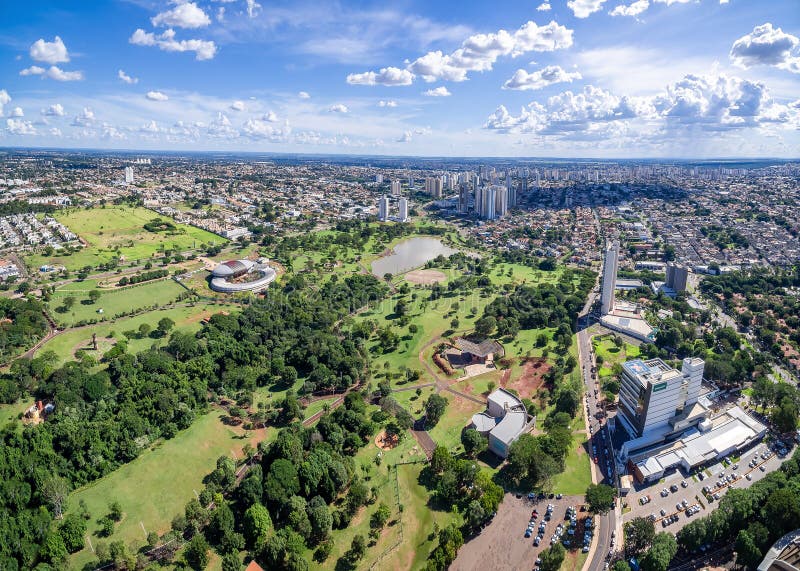
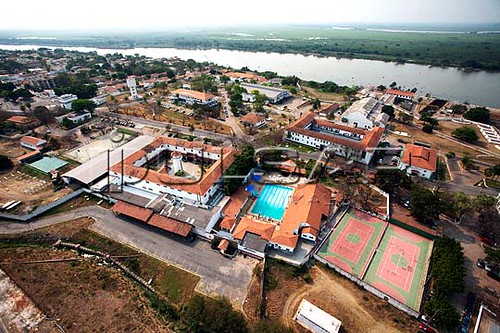
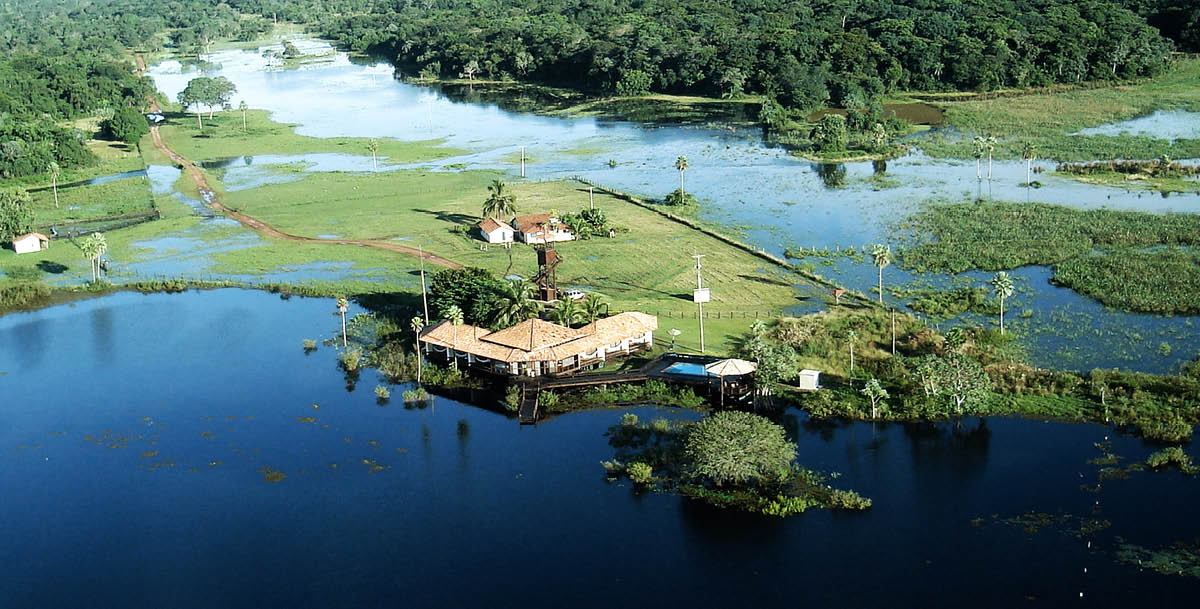
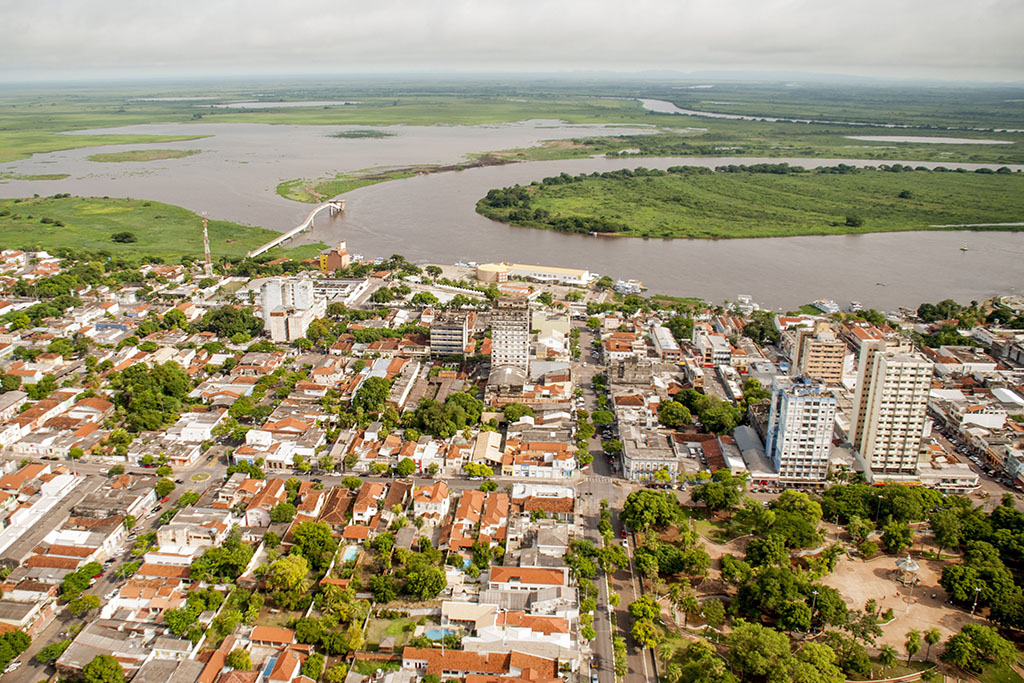
Corumbá, often hailed as the “Capital of the Pantanal,” is one of the most significant and historic cities in the Brazilian state of Mato Grosso do Sul. Situated on the right bank of the Paraguay River, at the border with Bolivia, Corumbá serves as a vital economic, cultural, and logistical hub for the entire Pantanal region. With a history deeply intertwined with the river and the vast wetlands, the city is a unique blend of colonial heritage, vibrant border culture, and unparalleled natural beauty [1] [2].
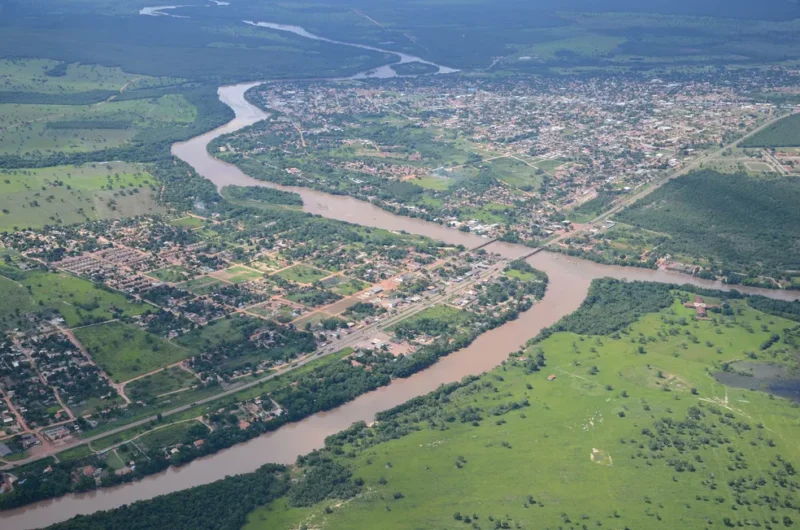
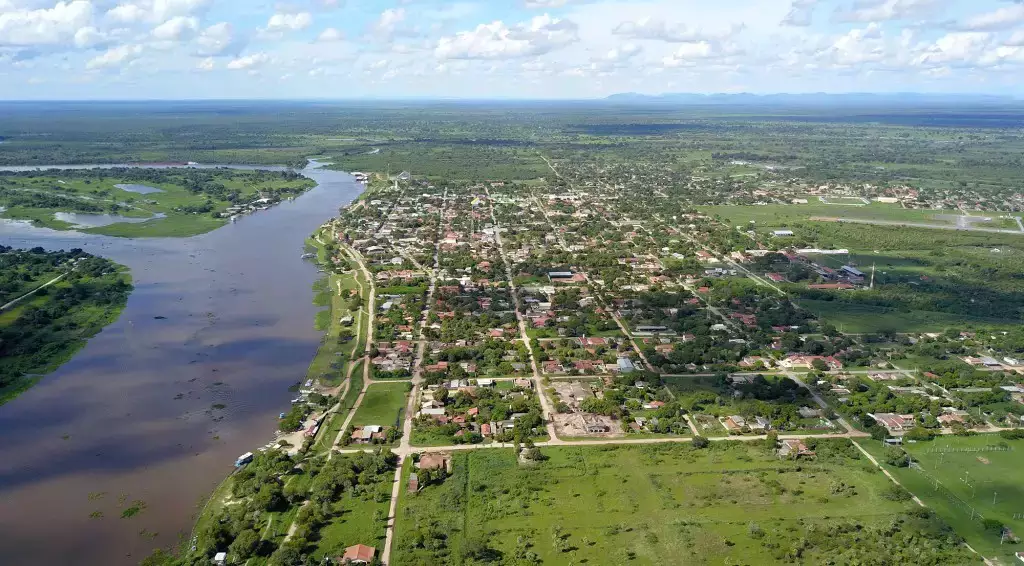
Founded in 1778, Corumbá has played a crucial role in Brazilian history, particularly during the War of the Triple Alliance. Today, it is the primary gateway for ecotourism and scientific research in the Southern Pantanal. Its strategic location and rich biodiversity make it a focal point for conservation efforts and a must-visit destination for those seeking to experience the essence of the Pantanal [3] [4].
History and Heritage
The history of Corumbá is a testament to its strategic importance. Originally established as a military outpost to secure the Portuguese border, it grew into a major river port during the late 19th and early 20th centuries. This “Golden Age” of river trade brought immense wealth to the city, which is still reflected in its well-preserved neoclassical architecture [2] [5].
Key historical landmarks include:
- Casario do Porto: A row of historic buildings along the riverfront that once housed trading firms and consulates.
- Forte Coimbra: A historic fort located downriver, which played a pivotal role in defending the region during the 19th century.
- Muhpan (Museum of the Pantanal History): A museum dedicated to preserving the cultural and natural history of the region [6] [7].
Geography and Climate
Corumbá is located in the heart of the Upper Paraguay Basin. Its geography is defined by the massive Paraguay River and the surrounding floodplains. The city itself is built on a limestone plateau, providing a rare elevated vantage point over the wetlands. The climate is tropical, characterized by a distinct wet season (October to March) and a dry season (April to September), with temperatures often exceeding 40°C (104°F) during the summer [8] [9].
| Feature | Description |
|---|---|
| Location | Western Mato Grosso do Sul, on the border with Bolivia. |
| River System | Paraguay River (main artery). |
| Elevation | Approximately 118 meters above sea level. |
| Climate | Tropical Savanna (Aw), hot and humid. |
Economy and Infrastructure
The economy of Corumbá is multifaceted. Historically driven by river trade and cattle ranching, it has diversified into mining and tourism. The region is home to some of the world’s largest deposits of iron and manganese, which are extracted and transported via the river and rail systems [10] [11].
Tourism is a major economic driver. Corumbá is the starting point for numerous river cruises and land-based expeditions into the Pantanal. The city’s airport and road connections (BR-262) link it to major Brazilian cities, while the “Death Train” (Trem da Morte) provides a unique rail connection to Santa Cruz de la Sierra in Bolivia [12] [13].
Culture and Traditions
Corumbá’s culture is a vibrant tapestry woven from Brazilian, Paraguayan, and Bolivian influences. The city is famous for its Carnival, considered one of the best in the interior of Brazil, and the Banho de São João, a unique religious and folk festival where statues of Saint John are ritually bathed in the Paraguay River [14] [15].
The local cuisine is also a highlight, featuring river fish like pintado and pacu, as well as influences from neighboring countries, such as salteñas and sopa paraguaia [16].
Importance for the Pantanal
As the largest urban center in the Pantanal, Corumbá plays a critical role in the biome’s conservation. It is home to several research institutions, including Embrapa Pantanal, which conducts vital studies on the region’s ecology and sustainable development. The city also serves as a base for numerous NGOs working to protect the Pantanal’s endangered species and habitats [4] [17].
Curiosities
- Corumbá is the third-largest city in Mato Grosso do Sul and has the largest municipal territory in the state, most of which is within the Pantanal.
- The city’s name comes from the Tupi-Guarani word curupá, meaning “place of many stones.”
- During the late 19th century, Corumbá was the third-largest port in South America, after Buenos Aires and Montevideo.
References
[1] IBGE. (n.d.). Panorama de Corumbá (MS). Available at: https://cidades.ibge.gov.br/brasil/ms/corumba/panorama
[2] MUNICIPALITY OF CORUMBÁ. (n.d.). History of Corumbá. Available at: https://www.corumba.ms.gov.br/historia/
[3] BITTAR, M. (2009). Corumbá: A história de uma cidade de fronteira. Editora UFMS.
[4] EMBRAPA PANTANAL. (n.d.). Research and Conservation in the Pantanal. Available at: https://www.embrapa.br/pantanal
[5] IPHAN. (n.d.). Patrimônio Histórico de Corumbá. Available at: http://portal.iphan.gov.br/
[6] MUHPAN. (n.d.). Museu da História do Pantanal. Available at: http://www.muhpan.org.br/
[7] GOVERNO DE MATO GROSSO DO SUL. (n.d.). Turismo em Corumbá. Available at: https://www.turismo.ms.gov.br/
[8] MARENGO, J. A. et al. (2015). Climate Change and the Pantanal. Scientific Reports.
[9] CLIMATEMPO. (n.d.). Climatologia de Corumbá. Available at: https://www.climatempo.com.br/
[10] VALE S.A. (n.d.). Mining Operations in Corumbá. Available at: https://www.vale.com/
[11] SEMADESC MS. (2022). Perfil Estatístico de Corumbá. Available at: https://www.semadesc.ms.gov.br/
[12] PANTANAL EXPEDITIONS. (n.d.). Ecotourism in the Southern Pantanal.
[13] ANTT. (n.d.). Transporte Ferroviário de Passageiros: Corumbá-Bolívia.
[14] FUNDAÇÃO DE CULTURA DE CORUMBÁ. (n.d.). Festas Tradicionais.
[15] IPHAN. (2021). Banho de São João de Corumbá e Ladário: Patrimônio Imaterial do Brasil.
[16] POTT, A. (2011). Culinária Pantaneira. Embrapa.