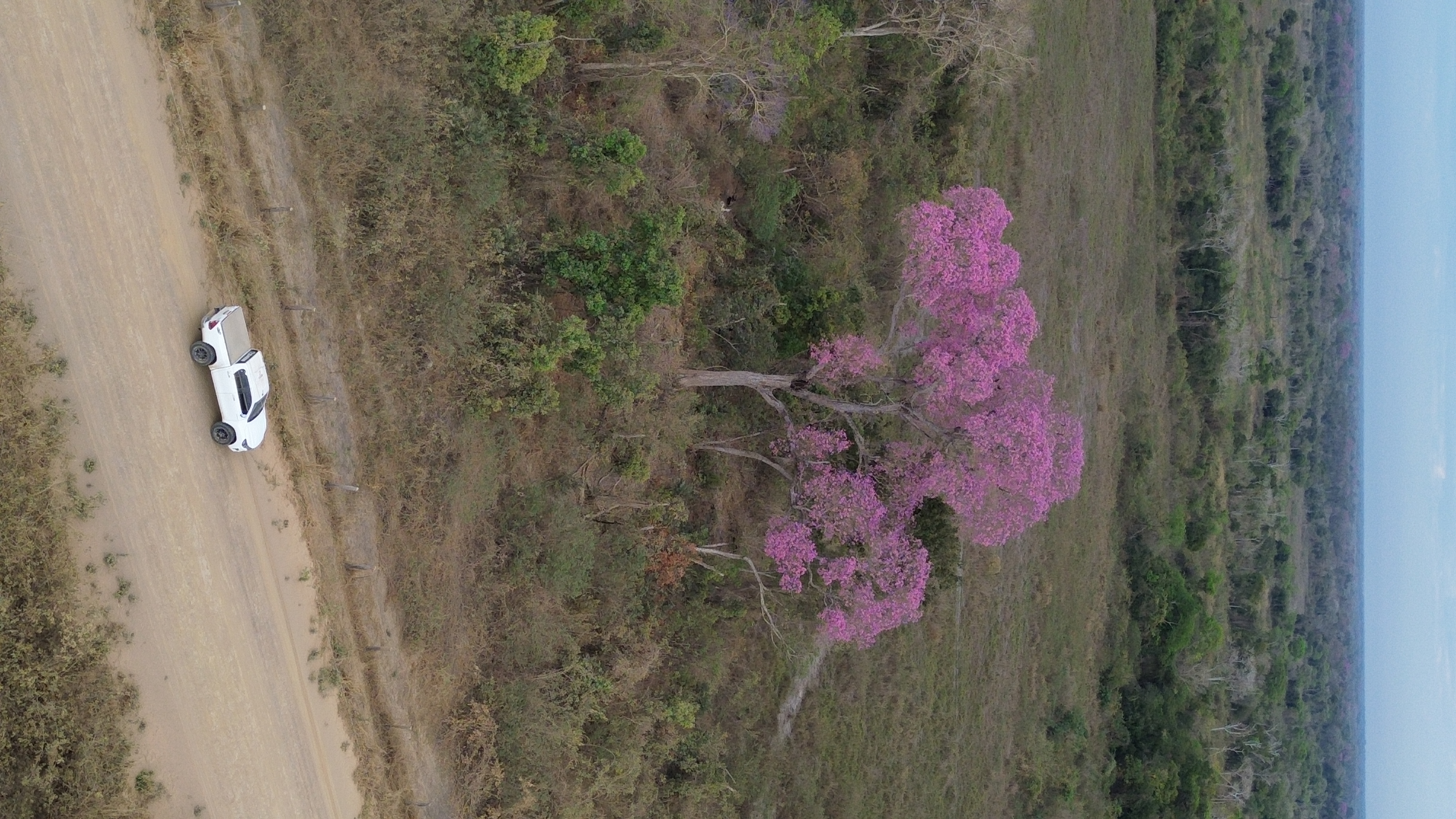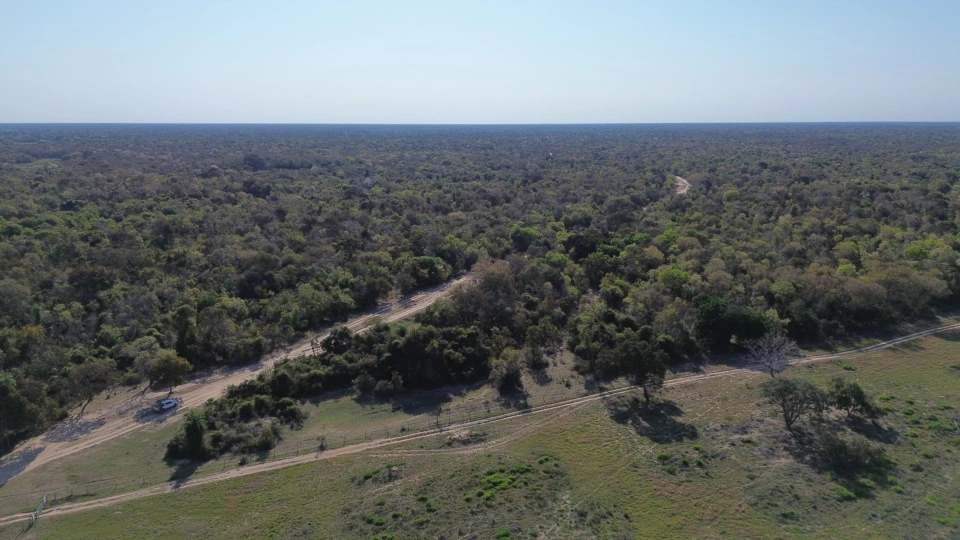


As winter settles in Brazil, bringing with it the dry season to the vast plains of the Pantanal, a spectacular transformation takes over the landscape. The tree canopies, once green, give way to explosions of color, with the vibrant pink and golden yellow of the ipês dominating the horizon. This natural phenomenon, which repeats annually, is one of the most beautiful spectacles of the Pantanal flora, attracting eyes and cameras from all who are fortunate enough to witness it.
The Magic of Ipê Blossoming in the Heart of the Pantanal
Unlike other regions of the country, where ipê blooming can be an isolated event, in the Pantanal it manifests on a grand scale, punctuating the immensity of the flood plain. Ipês, belonging to the genera Handroanthus and Tabebuia, are native South American trees that have perfectly adapted to the biome's climatic conditions. Their flowering occurs precisely during the driest time of the year, between June and September, when decreasing rainfall and falling leaves set the stage for the show of colors.
Pink ipês (Handroanthus impetiginosus) and yellow ipês (Handroanthus serratifolius and Handroanthus chrysotrichus) are the most common and visible species, but the color palette expands to include rare white ipês and intense purple ipês. Each tree, upon blooming, becomes a beacon of beauty, contrasting with the intense blue sky and the brownish-green of the remaining dry season vegetation. For nature photographers and wildlife enthusiasts, it is a period of delight, offering unique opportunities to capture the interaction between local flora and fauna.
Ecological and Cultural Significance of the Bloom
Beyond its undeniable aesthetic beauty, the ipê bloom holds profound ecological significance for the Pantanal. Flowering in the dry season is a survival strategy. With the absence of leaves, the tree minimizes water loss through transpiration, concentrating its energy on producing flowers and, subsequently, seeds. The nectar-rich flowers attract a wide range of pollinators, such as bees, butterflies, and hummingbirds, playing a crucial role in maintaining local biodiversity.
For the Pantaneiros, the ipê bloom is more than a seasonal event; it is a temporal marker, a sign of the changing seasons and the rhythm of nature. It announces the period of low waters, which facilitates cattle management and movement through the region, but also warns of the need for water resource conservation. Ipê wood, known for its resistance and durability, is valued, but awareness of the importance of preserving these trees has grown exponentially.
Tourism and Conservation: Admiring the Ipês Up Close
The beauty of the ipês has become an additional attraction for tourism in the Pantanal. Visitors from all over the world seek out the region to witness this spectacl