
Introduction
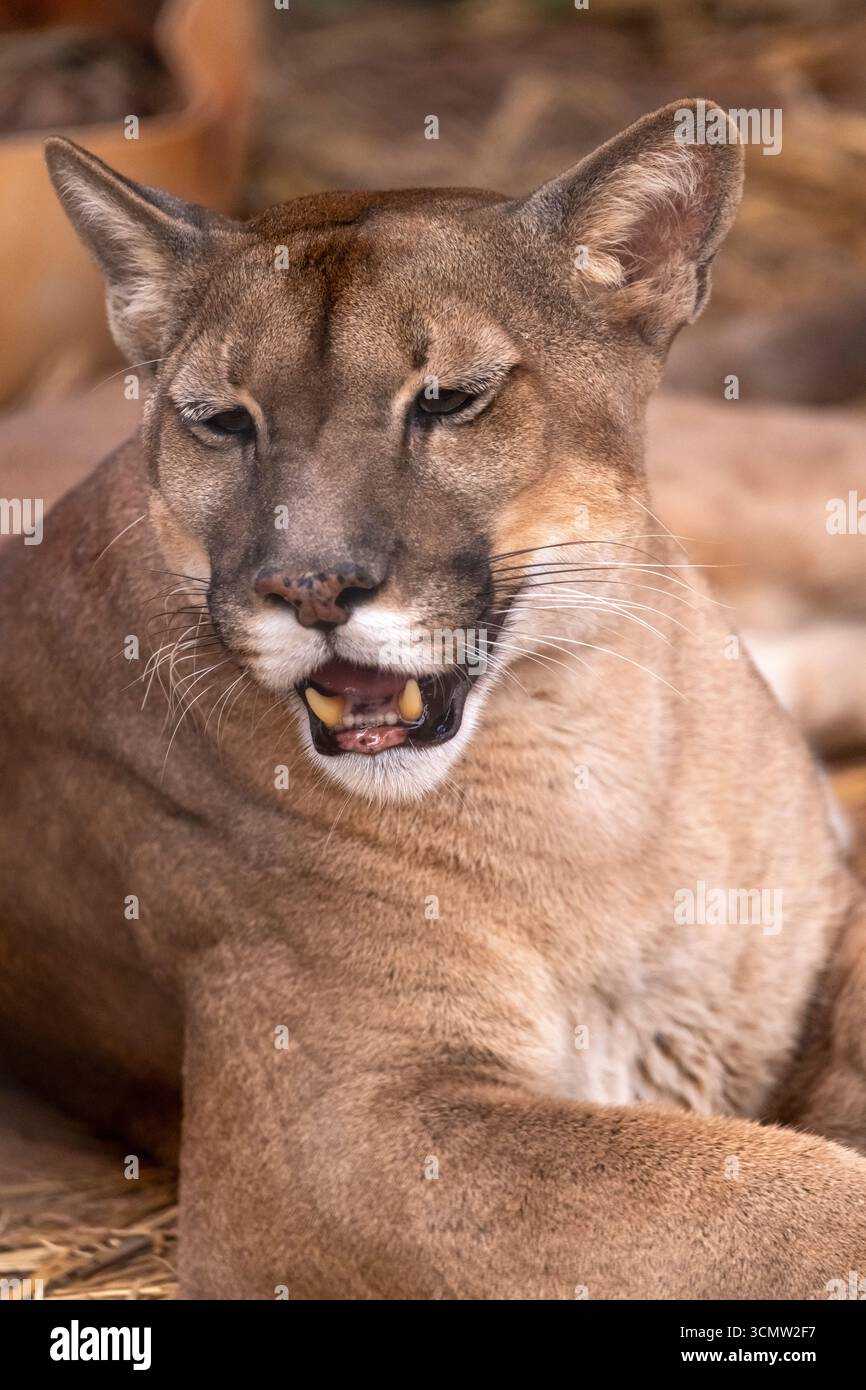
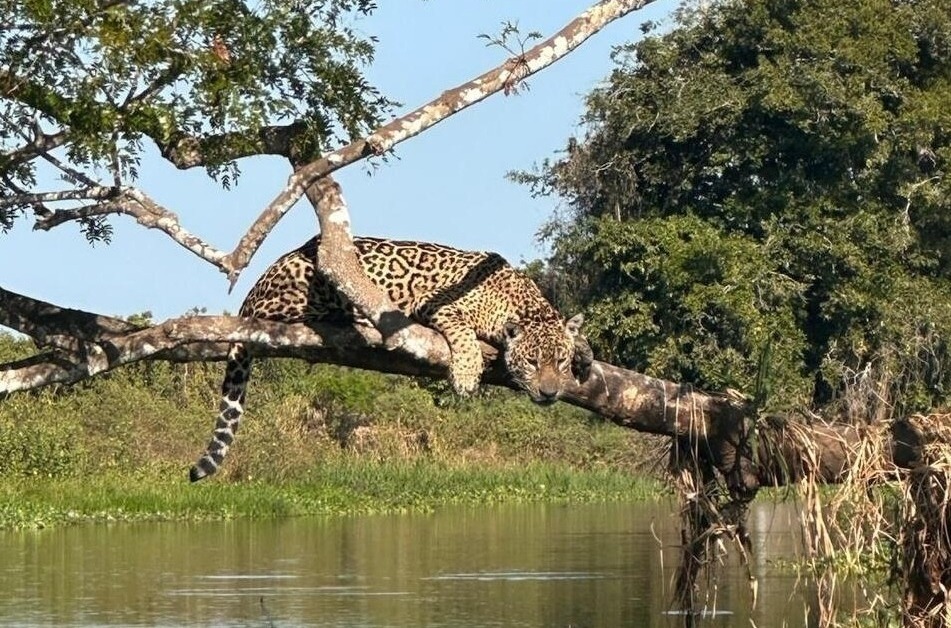
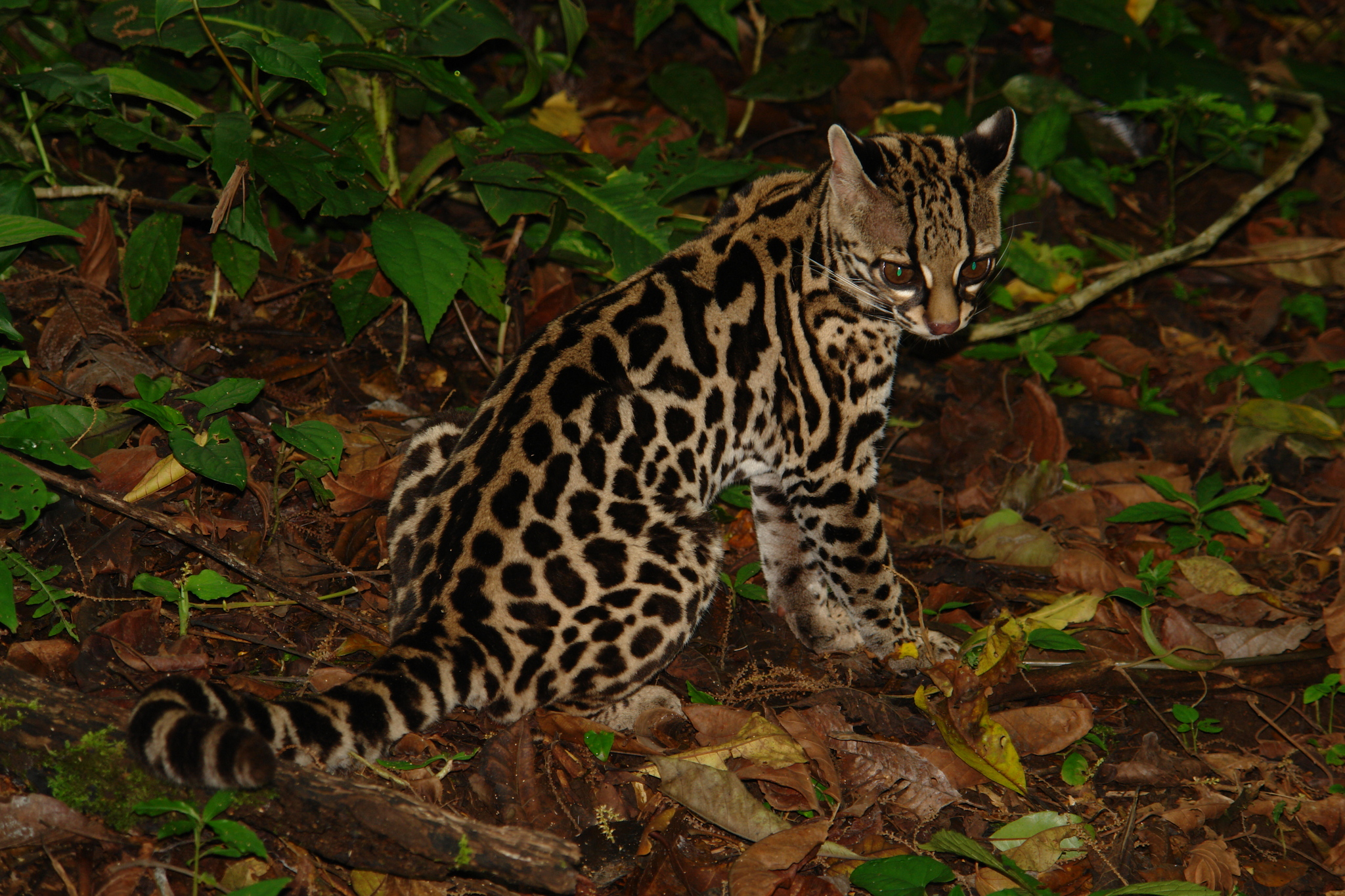
The margay (Leopardus wiedii), known in Brazil as gato-maracajá, is a small feline of extraordinary beauty and agility, specialized for life in the trees. In the Pantanal, although less frequently sighted than its relative the ocelot, the margay plays a vital role as a predator in the forest canopies and riparian forests. Its most notable feature is its unparalleled acrobatic ability, being one of the few felines in the world capable of descending a tree trunk head-first.
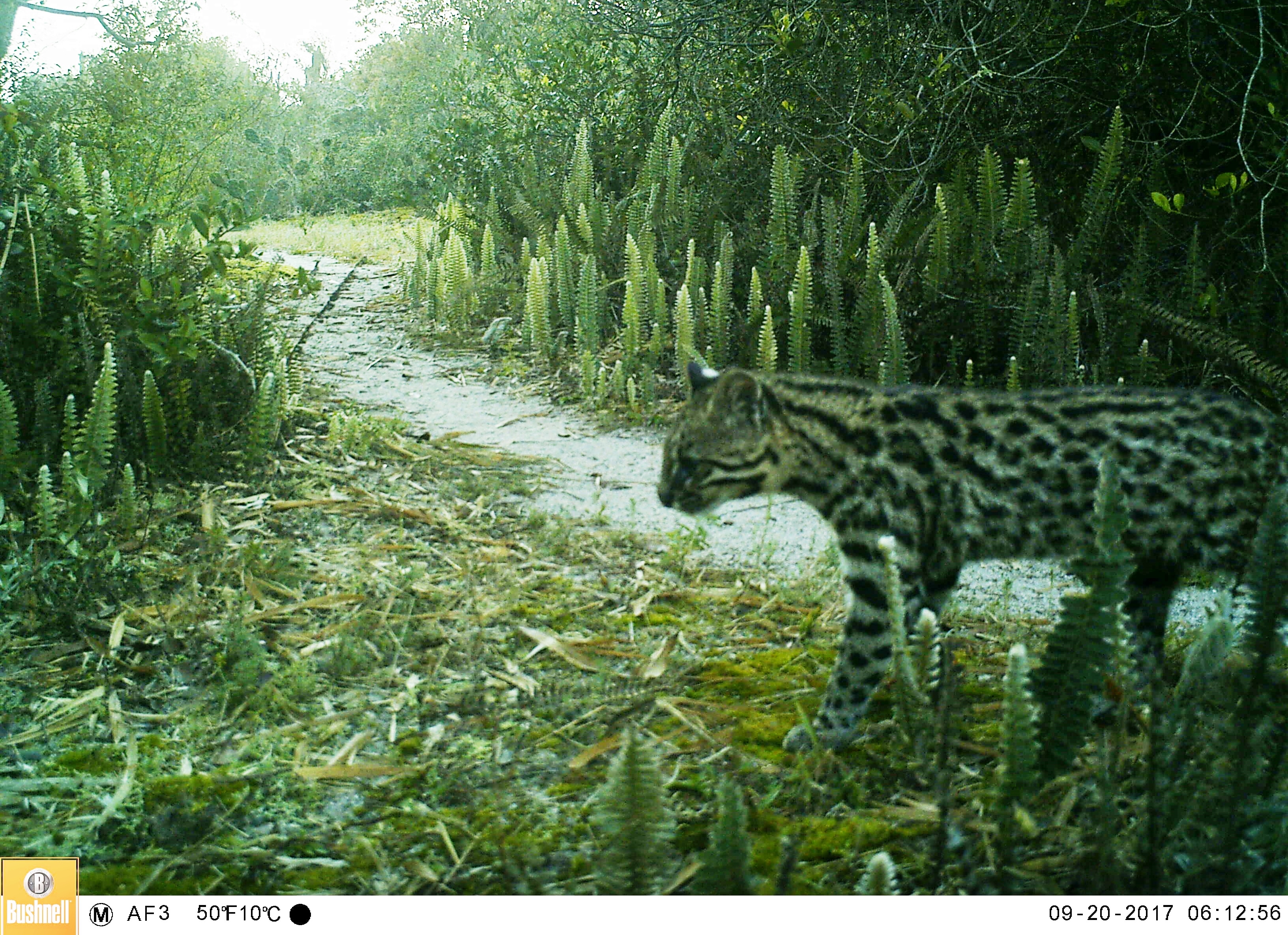
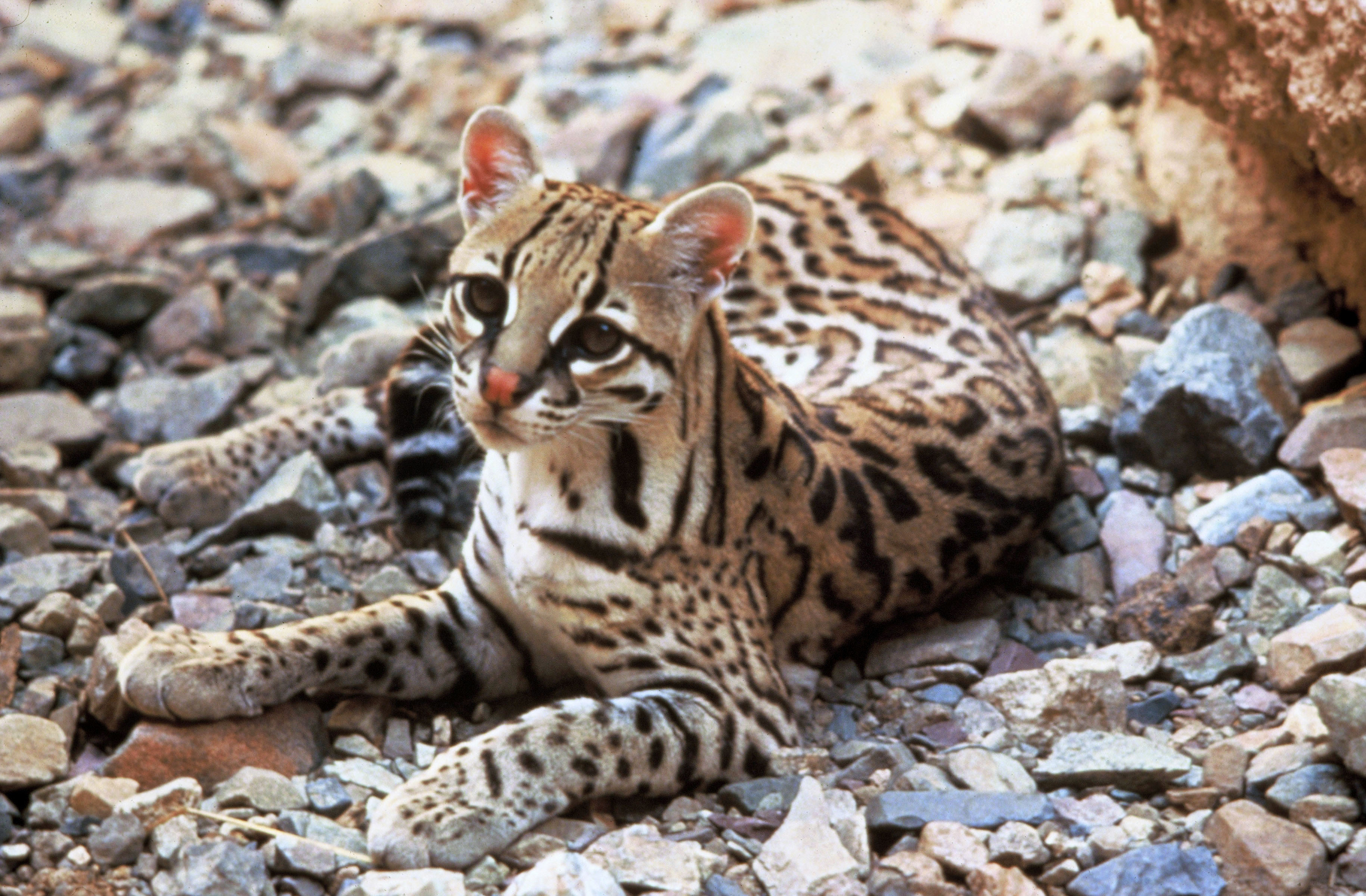
Often confused with the ocelot (Leopardus pardalis) due to its spotted coat, the margay is smaller, has a longer tail, and much larger eyes relative to its head—an adaptation for its nocturnal and arboreal lifestyle. In the Pantanal ecosystem, it is a master of the "cordilheiras" (forested ridges) and gallery forests, where it moves with a grace that defies gravity.
Classification and Taxonomy
The margay belongs to the order Carnivora, family Felidae, and genus Leopardus. Its scientific name, Leopardus wiedii, honors Prince Maximilian of Wied-Neuwied, a German naturalist who explored Brazil in the early 19th century. Like the ocelot and the oncilla, it is part of the Neotropical small cat lineage.
There are several recognized subspecies across its range from Mexico to Argentina, but the populations in the Pantanal are part of the South American core distribution. Genetically, it is closely related to the ocelot, but its morphological specializations for arboreal life clearly distinguish it as a unique evolutionary branch within the genus.
Morphology and Arboreal Adaptations
The margay is a small cat, weighing between 2.5 and 4 kg. Its coat features a yellowish-brown background with black spots and longitudinal rosettes, similar to the ocelot but usually with fewer "chains." Its tail is remarkably long—often exceeding 70% of its body length—serving as a crucial counterweight for balance while moving among thin branches.
The most impressive morphological adaptations of the margay are in its hind paws. Its ankles can rotate up to 180 degrees, allowing the cat to grip tree trunks with its hind claws while descending head-first or even hang from a branch by a single paw. Its large, bulging eyes provide exceptional depth perception and light gathering, essential for jumping between branches in the dark forest canopy.
Ecology and Behavior
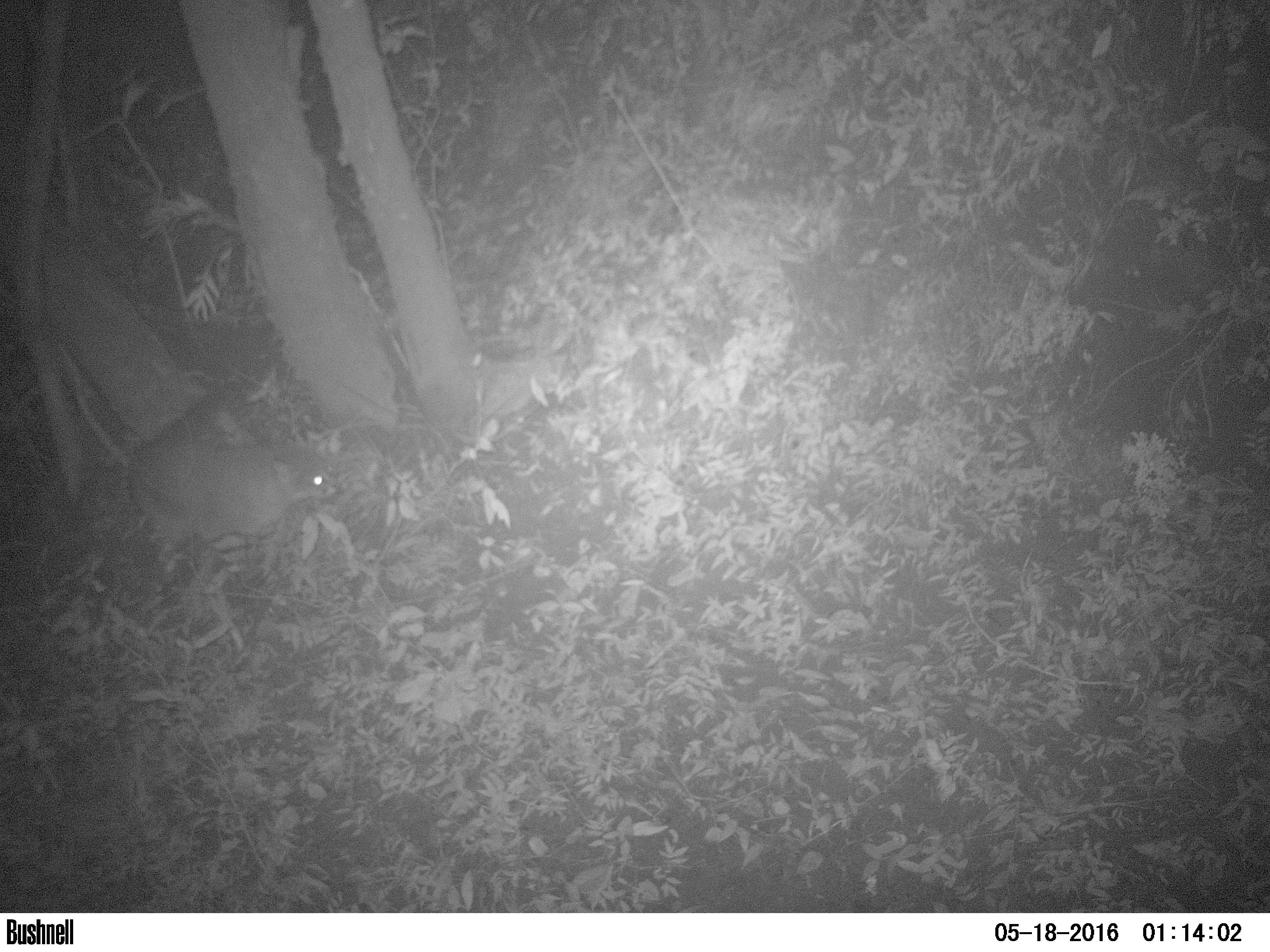
The margay is the most arboreal of all Neotropical felines. In the Pantanal, it spends a significant portion of its time in the forest canopy, where it hunts, rests, and even breeds. It is strictly nocturnal and highly elusive, making it one of the most difficult animals to study or sight in the wild. Its home range is usually smaller than the ocelot's, but it utilizes the three-dimensional space of the forest more intensively.
Its diet consists mainly of arboreal mammals, such as small rodents and marmosets, as well as birds, lizards, and large insects. A fascinating behavior documented in margays is vocal mimicry: they have been observed imitating the calls of prey, such as pied tamarins, to lure them within striking distance. While they can hunt on the ground, they prefer the safety and strategic advantage of the heights.
Reproduction and Life Cycle
The margay has a low reproductive rate. Females usually give birth to only one kitten per litter (rarely two) after a gestation period of 76 to 84 days. In the Pantanal, breeding is thought to be influenced by the seasonal availability of prey in the forests. The kittens are born with their spots already visible and develop their climbing skills very early, which is vital for survival in the canopy.
Conservation Status
Globally, Leopardus wiedii is classified by the IUCN as "Near Threatened" (NT). However, the situation in Brazil is more concerning: ICMBio classifies the species as "Vulnerable" (VU). Main threats to its survival in the Pantanal include habitat loss and fragmentation due to agricultural expansion, uncontrolled wildfires, and historically, hunting for the fur trade.
While commercial hunting has drastically decreased following strict protection laws, the margay still faces retaliation in areas where it is wrongly accused of preying on domestic poultry. Additionally, roadkill on highways cutting through or surrounding the biome, such as BR-262 and the Transpantaneira itself, represents a significant cause of non-natural mortality. Forest fragmentation isolates populations, reducing genetic variability and making them more susceptible to diseases and climate change.
Conservation efforts in the Pantanal focus on creating and maintaining Conservation Units, as well as encouraging sustainable ranching practices that preserve gallery forests and forested ridges. Research projects using camera traps and radio-collars are fundamental to better understanding the species' ecology and implementing effective protection measures, such as installing wildlife crossings on critical roads.
Curiosities
One of the most notable curiosities about the margay is its vocal mimicry ability, being one of the few felines documented using this strategy to attract prey. Furthermore, its ability to descend trees head-first is shared only with the clouded leopard of Asia, demonstrating impressive evolutionary convergence for arboreal life. In local folklore and among Pantanal residents, the margay is often seen as a forest spirit due to its elusive nature and the difficulty of spotting it.
For ecotourism in the Pantanal, a Leopardus wiedii sighting is considered a rare and prestigious event for nature photographers and wildlife observers. Unlike the jaguar, which has become the star of tourism in regions like Porto Jofre, the margay offers a more subtle and challenging observation experience, requiring patience and guides specialized in nocturnal animal behavior.
Another interesting fact is that despite its small size, the margay has one of the largest home ranges proportional to its weight among small felines, capable of traveling great distances in search of food and mates. Its cultural and ecological importance is immense, serving as a reminder that Pantanal conservation must encompass not only the large and charismatic predators but also the small and specialized engineers of the forest canopy.
References
[1] IUCN. (2015). *Leopardus wiedii*. The IUCN Red List of Threatened Species. Available at: https://www.iucnredlist.org/species/15311/50654009
[2] ICMBIO. (2018). *Livro Vermelho da Fauna Brasileira Ameaçada de Extinção: Volume II – Mamíferos*. ICMBio. Available at: https://www.icmbio.gov.br/portal/images/stories/docs-publicacoes/livro_vermelho_2018_vol2.pdf
[3] ALHO, C. J. R. (2008). *Biodiversidade do Pantanal*. Editora UNIDERP.
[4] BIASETTI, P. N.; EIZIRIK, E.; TRIGO, T. C. (2014). *Phylogenetic relationships of the ocelot lineage (Leopardus spp.) with a focus on the margay (Leopardus wiedii)*. Journal of Mammalogy, 95(5), 1017-1030.
[5] SOS PANTANAL. (2024). *Gato-maracajá (Leopardus wiedii)*. SOS Pantanal. Available at: https://sospantanal.org.br/gato-maracaja-leopardus-wiedii/
[6] EMBRAPA PANTANAL. (2010). *Mamíferos do Pantanal: Guia de Campo*. Embrapa Pantanal. Available at: https://www.embrapa.br/pantanal/publicacoes
[7] OLIVEIRA, T. G. (1994). *Neotropical cats: ecology and conservation*. Editora da Universidade Federal do Maranhão.