
Nyctibius griseus (Urutau): Urutau of the Pantanal
Introduction
The Urutau (Nyctibius griseus) is one of the most characteristic species of the Pantanal avifauna. A nocturnal bird and master of camouflage. This species is part of the rich diversity of birds in the Pantanal, a biome that hosts more than 650 species and is considered one of the best destinations in the world for birdwatching [1] [2].
Scientific Classification
| Category | Classification |
|---|---|
| Kingdom | Animalia |
| Phylum | Chordata |
| Class | Aves |
| Order | Nyctibiiformes |
| Family | Nyctibiidae |
| Genus | Nyctibius |
| Species | Nyctibius griseus |
| Common Name | Urutau |
Description
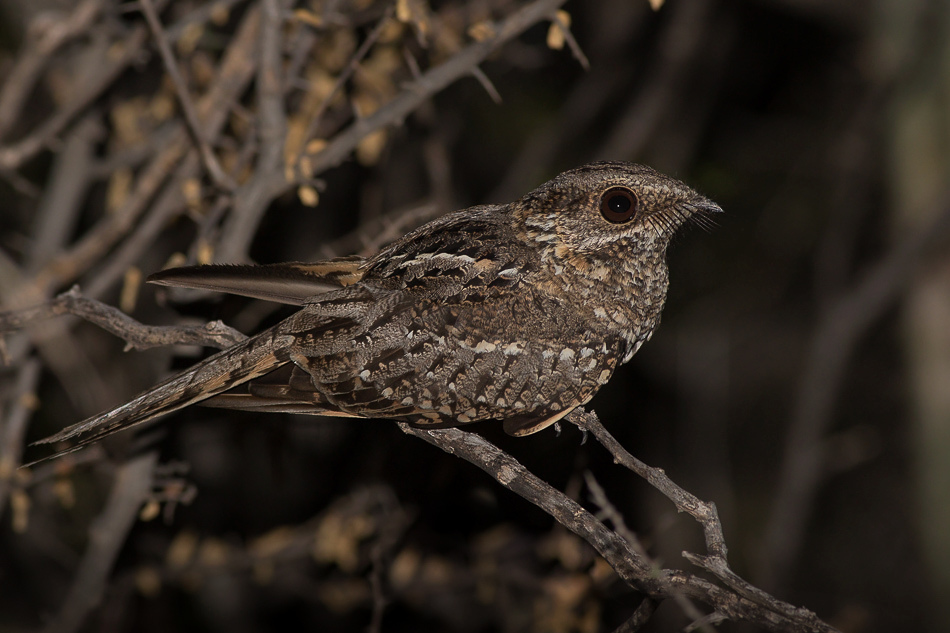
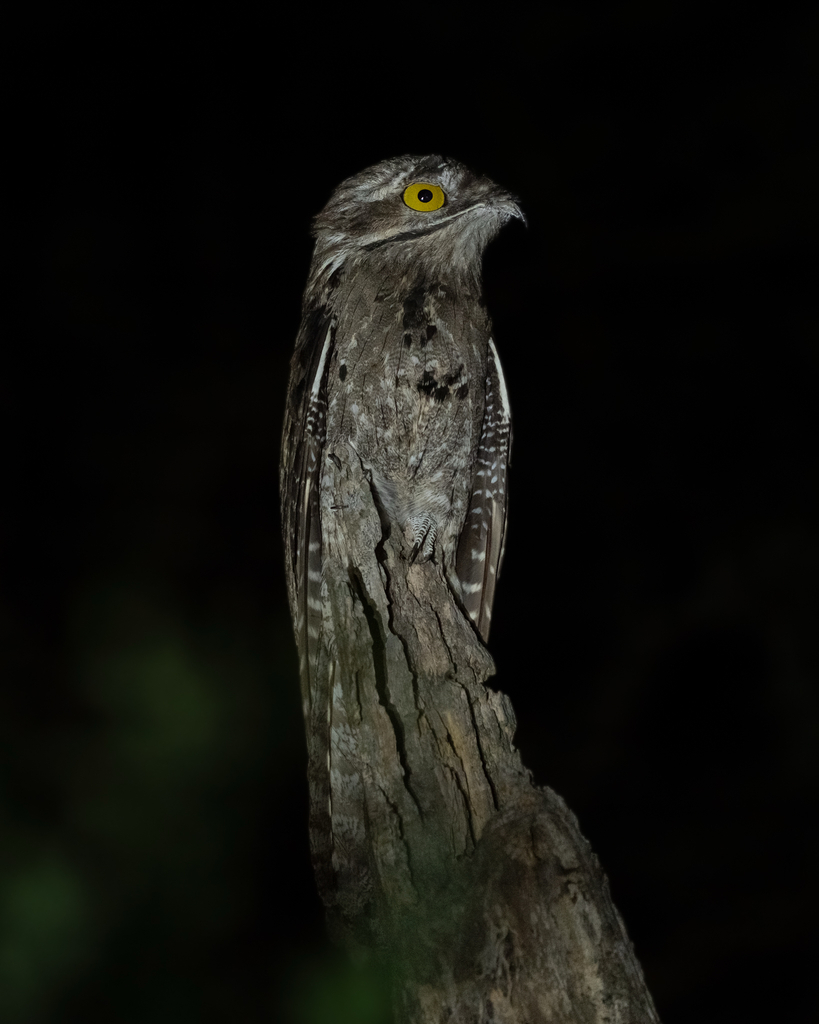
A nocturnal bird and master of camouflage. Plumage is gray-brown with a pattern of streaks and spots that perfectly mimics tree bark. Large yellow eyes. Small bill with a huge gape. When threatened, it straightens its body and closes its eyes—becoming indistinguishable from a branch. Length ranges between 33-38 cm and weight between 150-200 g.
Geographic Distribution
From Mexico to northern Argentina. In Brazil, it occurs in all biomes. In the Pantanal, it is found in riparian forests and forest patches.
Habitat
Edges of forests, forest patches, and areas with isolated trees. It rests during the day on branches, motionless and camouflaged.
Behavior
Nocturnal and extremely cryptic. During the day, it remains motionless on branches with its body erect, imitating a tree stump. At night, it emits a long and melancholic lament that echoes through the Pantanal forests—a sound that inspired indigenous legends about forest spirits.
Diet
Nocturnal insects captured in flight—moths, beetles, and others. The enormous mouth functions as a trap for insects.
Reproduction
Does not build a nest—lays 1 egg directly on a branch or tree stump. Incubation lasts 30-33 days.
Conservation Status
Least Concern (LC) according to the IUCN. Relatively common in the Pantanal.
References
[1] SICK, H. (1997). Ornitologia Brasileira. Nova Fronteira. [2] TUBELIS, D.P.; TOMAS, W.M. (2003). Bird species of the Pantanal wetland, Brazil. Ararajuba, v.11, n.1. [3] DEL HOYO, J. (1992). Handbook of the Birds of the World. Lynx Edicions. [4] IUCN. (2023). Nyctibius griseus. The IUCN Red List of Threatened Species. [5] COLLAR, N.J. (1992). Threatened Birds of the Americas. ICBP.