- March 16, 2024
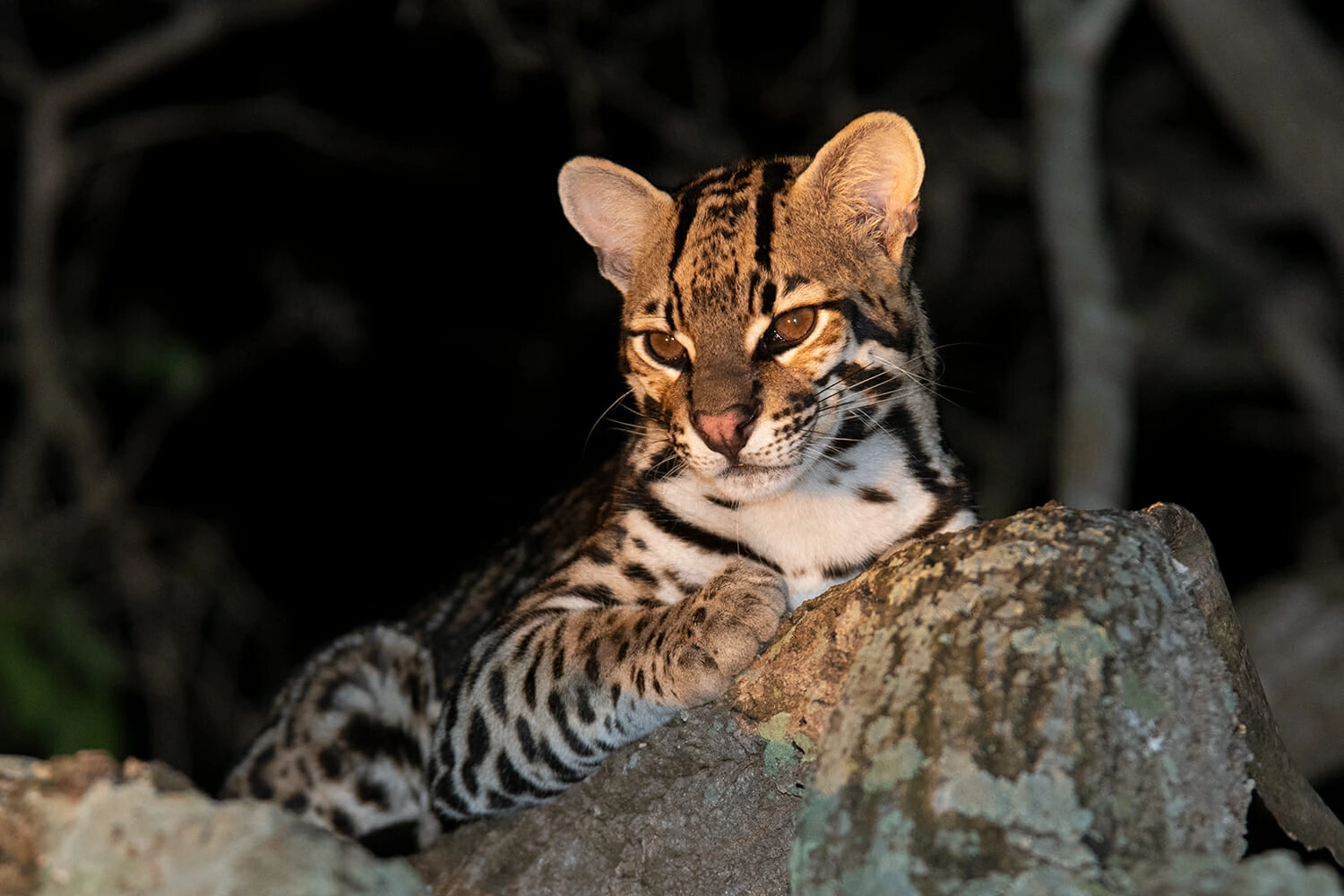
Next Monday (18), a pair of adult ocelots will depart from Lucas do Rio Verde, located 333 km from Cuiabá, bound for the Piracema Conservation Reserve, located in the municipality of Almas, in the state of Tocantins. This movement is part of a species conservation project coordinated by the Fauna Coordination of the Mato Grosso Secretariat of the Environment (Sema-MT).
Sema-MT veterinarian Danny Moraes explained that the project’s goal is to ensure genetic variability in the reproduction of ocelots in captivity. She highlighted the importance of this process, emphasizing that mating between animals with close degrees of kinship can result in genetic impoverishment and health problems.
Danny Moraes emphasized that the arrival of a new animal for crossbreeding promotes what is known as genetic revitalization, strengthening the DNA with the introduction of different genetic material, which increases the resistance and quality of life of future offspring.
The two felines will be integrated into an ex situ conservation system, outside their natural habitat, as part of a crucial mechanism for biodiversity conservation. Maintaining captive genetics has proven vital for conservation in various parts of the world.
Sema informed that the animals have microchips for identification and tracking and will remain at the Piracema enclosure indefinitely. This initiative represents an important step in the preservation of the ocelot, contributing to its survival and genetic enrichment, in addition to highlighting the commitment of the state of Mato Grosso to the conservation of wild fauna.