

Puma concolor (Cougar/Mountain Lion): The Adaptable Predator of the Pantanal
Introduction
The cougar (Puma concolor), also known as the mountain lion, puma, or onça-parda in Brazil, is one of the most versatile and widely distributed felines in the Americas. In the Pantanal biome, this predator plays a vital role in maintaining ecological balance, acting as a regulator of various prey populations. Although it shares the territory with the larger jaguar (Panthera onca), the cougar has developed specific strategies for coexistence, occupying different niches and demonstrating remarkable biological resilience [1] [3].
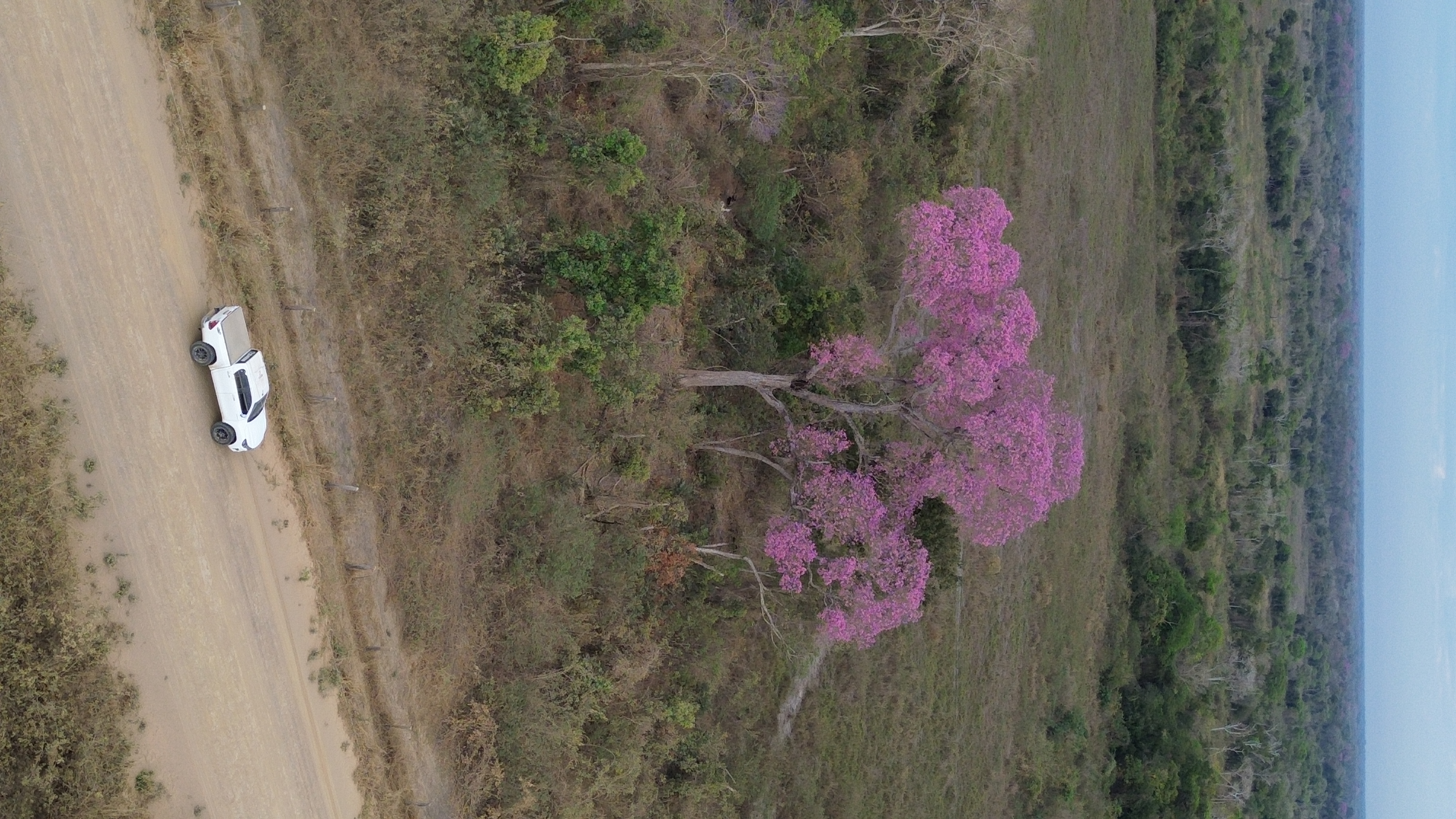
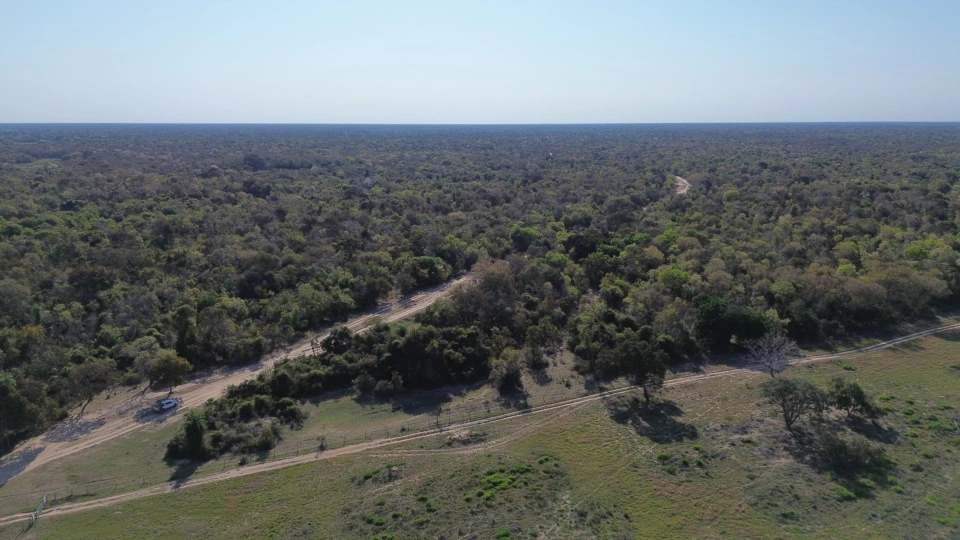
In the Pantanal context, the cougar is often associated with drier areas, such as forest patches (capões) and gallery forests, although it is perfectly capable of moving through flooded areas. Its presence is a sign of a healthy ecosystem, as it requires large areas of preserved habitat and a robust prey base to survive. Furthermore, the cougar is a key species for regional conservation, being a target of various research and monitoring projects that seek to understand its ecology in one of the world’s largest wetlands [1] [5].
Scientific Classification
| Category | Classification |
|---|---|
| Kingdom | Animalia |
| Phylum | Chordata |
| Class | Mammalia |
| Order | Carnivora |
| Family | Felidae |
| Genus | Puma |
| Species | Puma concolor |
| Common name | Cougar, Mountain Lion, Puma, Onça-parda, Suçuarana |
Description
The cougar is a large feline, characterized by its uniform coat, which can vary from a light sandy color to a reddish-brown, depending on the region and the individual. Adults can measure between 1.5 and 2.7 meters in length (including the tail) and weigh between 35 and 72 kg, with males being significantly larger than females. Its body is slender and muscular, with powerful hind legs that allow for impressive leaps and high-speed sprints [1] [3].
One of the most striking features of the cougar is its small head relative to its body and its long, thick tail, which helps with balance during movement and hunting. Unlike the jaguar, the cougar does not have spots on its coat as an adult, although cubs are born with spots that disappear as they grow. Its eyes are usually yellowish or greenish, providing excellent nocturnal vision [1] [4].
Distribution and Habitat
The cougar has the widest latitudinal distribution of any terrestrial mammal in the Americas, occurring from Canada to the southern tip of Chile and Argentina. In the Pantanal, it is found throughout the biome, showing a preference for areas that offer good cover for stalking, such as dense forests and scrublands. Its high adaptability allows it to survive in various environments, from mountains to wetlands [3] [4].
Behavior and Reproduction
Cougars are solitary and territorial animals, with territories that can overlap with those of other individuals, especially between males and females. They are predominantly crepuscular and nocturnal, although they can be active during the day in areas with low human disturbance. Communication is done through vocalizations, scent marking, and visual signals [1] [5].
The reproductive cycle can occur throughout the year, with a gestation period of approximately 90 to 96 days. A litter usually consists of one to four cubs, with two to three being the most common. Cubs are born blind and weigh about 400 grams, depending entirely on mother’s milk in the first months. The spotted coat of the cubs is a crucial adaptation for survival, allowing them to camouflage perfectly in the understory of gallery forests while the mother goes out to hunt. Weaning occurs around three months, but young pumas remain under the mother’s care for up to two years, a period in which they learn complex hunting techniques and movement routes in the biome.
Ecological Importance
As an apex predator, the cougar plays an irreplaceable role in maintaining the integrity of Pantanal ecosystems. Its main ecological function is the control of herbivore and mesopredator populations, which prevents overgrazing of native vegetation and the population explosion of species that could unbalance the food chain. This phenomenon, known as a trophic cascade, ensures that the structure of vegetation and the diversity of other animal species are preserved, indirectly benefiting a wide range of organisms, from pollinating insects to birds of prey.
In addition to population control, the cougar acts as an “ecosystem engineer” through the disposal of carcasses. The remains of its prey, often hidden under vegetation, become rich sources of nutrients for the soil and food for a legion of scavengers and decomposers. In the Pantanal, the presence of the cougar also serves as an indicator of environmental health; areas that support viable populations of this feline generally have well-preserved habitats and a diverse prey base. Its coexistence with the jaguar is a fascinating example of niche partitioning, where both predators regulate different segments of the Pantanal fauna.
Conservation Status
The conservation status of the cougar is complex and varies according to geographical scale. Globally, the International Union for Conservation of Nature (IUCN) classifies the species as Least Concern, due to its vast distribution and resilience. However, in Brazil, the scenario is more alarming: the Chico Mendes Institute for Biodiversity Conservation (ICMBio) classifies the cougar as Vulnerable (VU) at the national level. In the Pantanal, although the species is still relatively common, it faces increasing threats that could compromise its long-term viability.
The main threats to the cougar in the Pantanal include habitat loss and fragmentation due to intensive agricultural expansion, recurring wildfires that destroy refuge areas, and retaliatory hunting resulting from conflicts with livestock. Additionally, roadkill on highways crossing the biome and the transmission of diseases by domestic animals represent additional risks. Conservation efforts, such as the establishment of ecological corridors, the implementation of anti-predation management measures on farms, and environmental education, are fundamental to ensuring that the cougar continues to roar—or rather, scream—in the vastness of the Pantanal.
Curiosities
- The cougar is the feline that can jump the highest (up to 5.4 meters) and the farthest (up to 12 meters) in a single leap.
- Unlike the large felines of the genus Panthera, the cougar does not roar; it emits sounds similar to a loud meow or a high-pitched scream.
- It has hind legs that are proportionally larger than the front ones, an adaptation that facilitates explosive jumps and sprints.
- The name “Puma” originates from Quechua, a native language of the Andean peoples, and means “powerful” or “power.”
- It is the terrestrial mammal with the largest latitudinal distribution in the world, occurring in almost all climates of the Americas.
References
[1] ONÇAFARI. (n.d.). Onça-parda (Puma concolor). Available at: https://oncafari.org/especie_fauna/onca-parda/ [2] ICMBIO. (n.d.). Plano de Ação Nacional para a Conservação da Onça-parda. Available at: https://www.gov.br/icmbio/pt-br/assuntos/biodiversidade/pan/pan-onca-parda/1-ciclo/pan-onca-parda-sumario.pdf [3] PRO-CARNÍVOROS. (n.d.). Onça-parda. Available at: https://procarnivoros.org.br/animais/onca-parda/ [4] RESEARCHGATE. (n.d.). Puma concolor: Sistema de Avaliação do Risco de Extinção. Available at: https://www.researchgate.net/publication/385470270_Puma_concolor_Sistema_de_Avaliacao_do_Risco_de_Extincao_da_Biodiversidade_-_SALVE [5] NATURE. (n.d.). Improving estimation of puma (Puma concolor) population density. Available at: https://www.nature.com/articles/s41598-019-40926-7