
The River That Gives Life to the Pantanal
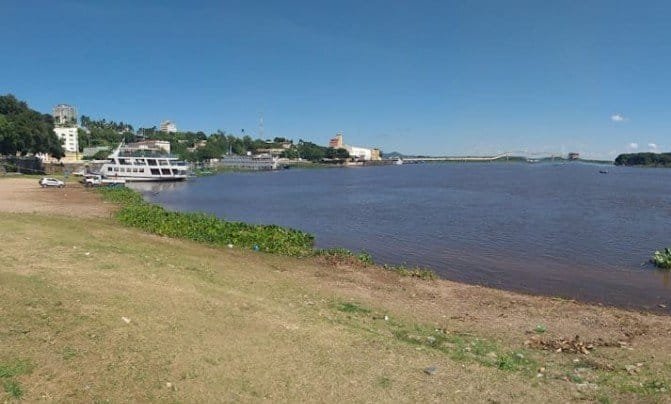
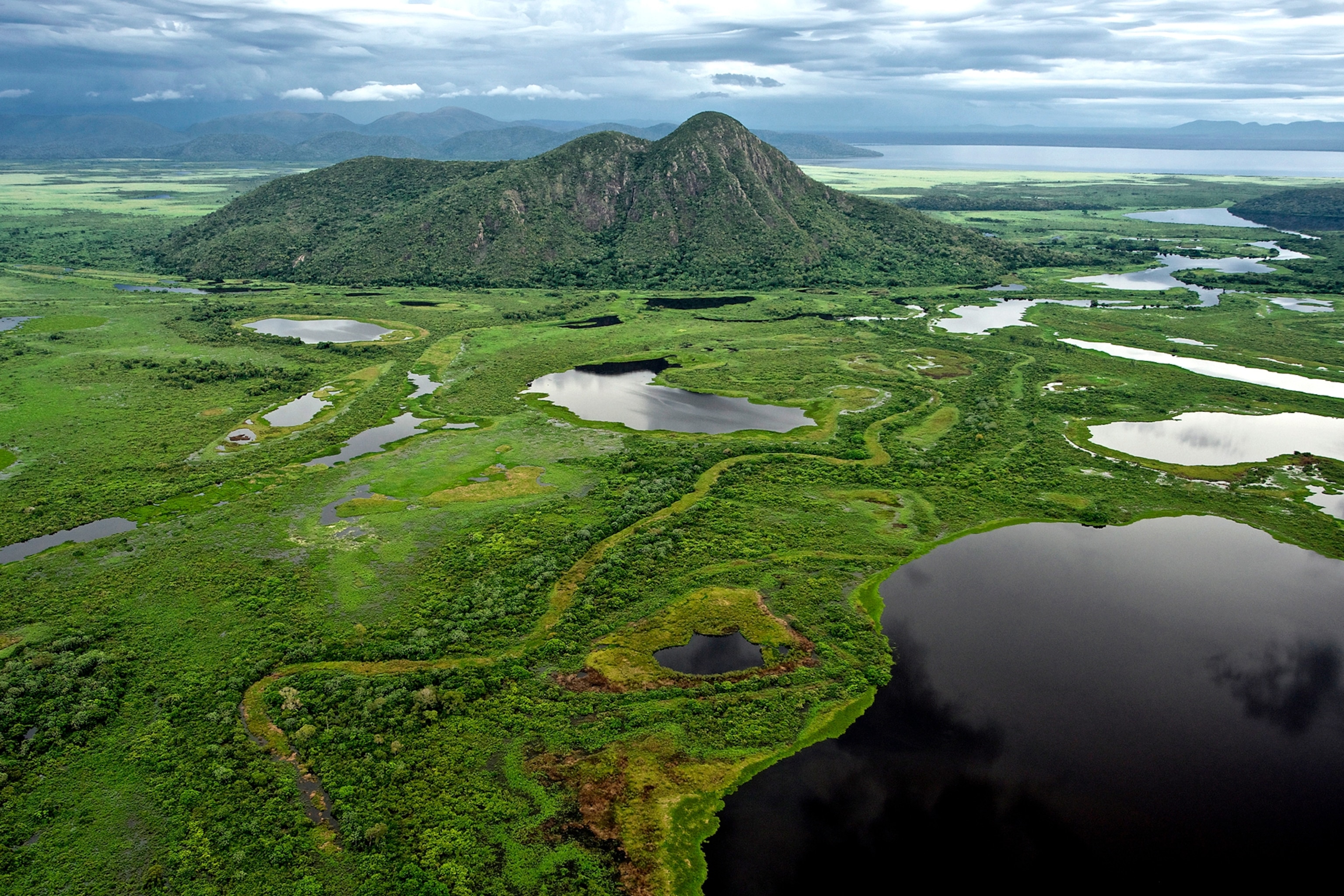
The Paraguai River is much more than a river: it is the vital artery that sustains the entire Pantanal ecosystem. Stretching 2,621 km, it originates in the Serra dos Parecis in Mato Grosso and traverses a vast plain before flowing into the Paraná River at the border of Brazil, Paraguay, and Argentina.
Geographical Data
| Data | Value |
|---|---|
| Length | 2,621 km |
| River Basin | 1,095,000 km² |
| Source | Serra dos Parecis (MT) |
| Mouth | Paraná River |
| Countries | Brazil, Bolivia, Paraguay, Argentina |
| Average Flow | 4,300 m³/s |
The Flood Pulse
The most important phenomenon of the Paraguai River is the flood pulse, which regulates the entire life cycle of the Pantanal:
- Rising Water (Nov-Feb): Rains at the headwaters raise the river level
- High Water (Mar-May): Waters overflow and flood the plain
- Receding Water (Jun-Aug): Waters begin to retreat slowly
- Dry Season (Sep-Oct): The level reaches its lowest point
This cycle is fundamental for fish reproduction, seed dispersal, soil fertilization, and the maintenance of biodiversity.
“Without the flood pulse of the Paraguai River, the Pantanal simply would not exist. It is the water that creates and maintains this unique ecosystem,” says hydrologist Dr. Roberto Gonçalves.
Economic Importance
The Paraguai River is also vital for the regional economy:
- Paraguai-Paraná Waterway: A route for transporting grains and minerals
- Fishing: The livelihood of thousands of riverside families
- Tourism: Boat tours and sport fishing
- Supply: Water for cities and farms
Threats
The main threats to the Paraguai River include siltation caused by deforestation at the headwaters, dredging projects for waterway expansion, and contamination by pesticides and urban effluents.