

Introduction
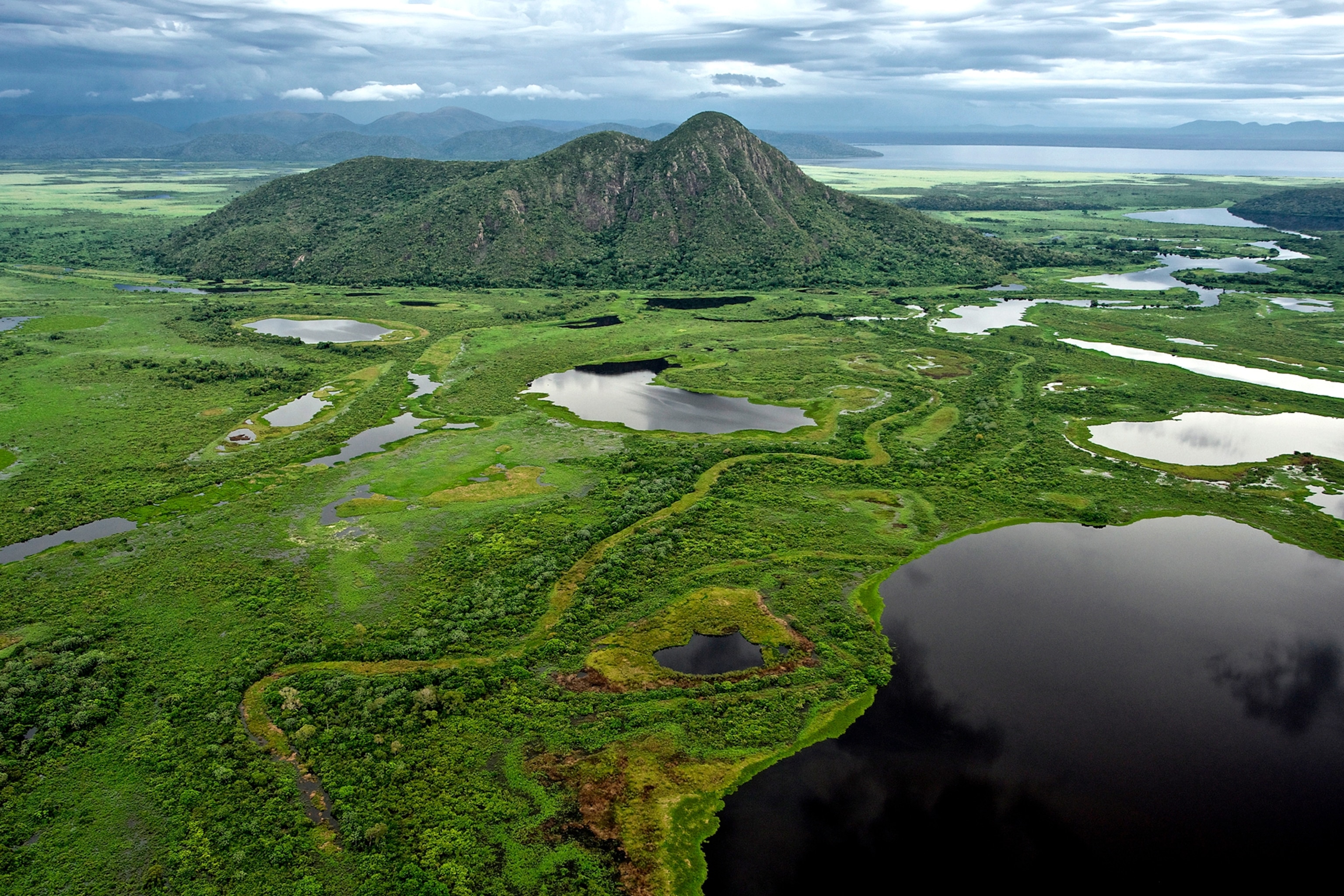
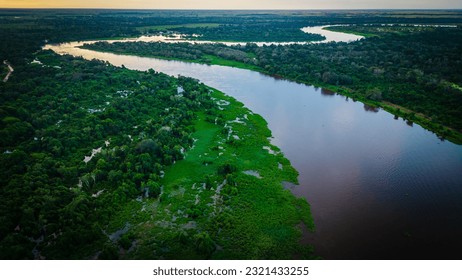
In the heart of the Pantanal, the world’s largest tropical wetland, the landscape is defined by its seasonal pulse of water. However, amidst the vast flooded plains, small islands of woody vegetation known as capões (or capões de mato) emerge as vital centers of terrestrial biodiversity. These elevated patches of ground, often only a few centimeters above the surrounding terrain, remain dry during the flood season, providing a critical sanctuary for a wide array of flora and fauna that cannot survive in the water-logged plains [1] [2].
The capões are not just passive refuges; they are dynamic ecosystems with their own unique biological communities. The interaction between the terrestrial life of the capões and the aquatic life of the surrounding plains is one of the most fascinating aspects of Pantanal ecology. This article delves into the specialized flora and fauna that characterize these “islands of life” and their essential role in the biome’s overall health [3] [4].
Specialized Flora of the Capões
The vegetation of the capões is markedly different from the surrounding grasslands and aquatic habitats. It is composed of woody species that are adapted to well-drained soils and cannot tolerate prolonged submersion. The structure of a capão typically consists of a dense canopy of trees and a diverse understory of shrubs, vines, and epiphytes [2] [5].
Key Tree Species
Several tree species are emblematic of the Pantanal capões, each playing a specific ecological role:
| Tree Species | Common Name | Ecological Significance |
|---|---|---|
| Attalea phalerata | Acuri Palm | Provides essential fruit for macaws, monkeys, and rodents. |
| Ficus spp. | Fig Tree | Keystone species; fruits sustain a wide variety of birds and mammals. |
| Handroanthus heptaphyllus | Piuva (Pink Ipe) | Important for timber and provides nectar for pollinators. |
| Vochysia divergens | Cambarazal | Often forms dense stands (cambarazais) within or around capões. |
The acuri palm is particularly noteworthy. Its hard-shelled nuts are a primary food source for the endangered Hyacinth Macaw (Anodorhynchus hyacinthinus), which also uses the hollows of old trees in the capões for nesting [6] [7].
Fauna: Residents and Refugees
The fauna of the capões can be divided into permanent residents and seasonal refugees. During the flood season, the density of animals in these small areas increases dramatically as terrestrial species from the surrounding plains seek higher ground [3] [8].
Permanent Residents
Many small mammals, reptiles, and invertebrates live their entire lives within the confines of a capão. This includes various species of rodents, marsupials, and lizards. The dense leaf litter and complex vegetation provide ample food and cover. Arboreal species, such as the Black Howler Monkey (Alouatta caraya), are also common, moving between capões through the canopy where possible [9] [10].
Seasonal Refugees
During the peak of the flood, larger terrestrial mammals become dependent on the capões for survival. The Jaguar (Panthera onca), Marsh Deer (Blastocerus dichotomus), and Collared Peccary (Pecari tajacu) use these islands as dry ground for resting and feeding. The concentration of prey in the capões also makes them prime hunting grounds for predators [11] [12].
Avian Diversity
The capões are hotspots for birdlife. They provide essential nesting sites for large birds like the Jabiru (Jabiru mycteria) and various species of hawks and owls. The abundance of fruit-bearing trees also attracts a wide variety of frugivorous birds, such as toucans and parrots, which play a vital role in seed dispersal across the Pantanal [13] [14].
Ecological Processes and Interactions
The capões are centers of intense ecological activity. One of the most important processes is nutrient cycling. Animals that forage in the flooded plains often return to the capões to rest, depositing nutrients through their waste. This “nutrient subsidization” from the aquatic to the terrestrial environment helps maintain the fertility of the capão soils [4] [15].
Furthermore, the capões serve as stepping stones for the movement of wildlife across the landscape. Even if they are not directly connected, the proximity of capões allows animals to move from one refuge to another, facilitating dispersal and genetic exchange. This connectivity is crucial for the resilience of Pantanal populations in the face of environmental changes [1] [16].
Threats and Conservation
Despite their ecological importance, capões are highly vulnerable. They are often the first areas to be cleared for ranch infrastructure or converted into non-native pastures. Overgrazing by cattle can destroy the understory and prevent the regeneration of native trees. Wildfires are another major threat, as the dry woody vegetation of the capões can burn intensely, destroying ancient trees and the wildlife they harbor [15] [17].
Conservation of the capões requires a landscape-level approach that integrates sustainable ranching with the protection of native vegetation. Recognizing the capões as critical habitats and implementing measures to prevent their degradation is essential for preserving the unique terrestrial biodiversity of the Pantanal [1] [18].
Curiosities
- Many capões are formed on ancient termite mounds; the termites provide the initial elevation and enrich the soil with nutrients, allowing trees to establish.
- The Hyacinth Macaw is so dependent on the acuri palm found in capões that its distribution in the Pantanal closely mirrors the presence of these palms.
- During extreme floods, a single small capão can host an incredible diversity of animals, including snakes, monkeys, deer, and jaguars, all sharing the same few square meters of dry ground.
References
[1] POTT, A.; POTT, V. J. (1994). Plantas do Pantanal. Embrapa.
[2] JUNK, W. J. et al. (2006). The Pantanal: A large South American wetland at a crossroads. Aquatic Conservation.
[3] ALHO, C. J. R. (2008). Biodiversity of the Pantanal: response to seasonal flooding regime and to environmental degradation. Brazilian Journal of Biology.
[4] HARRIS, M. B. et al. (2005). Safeguarding the Pantanal: Priorities and actions for conservation. Conservation Biology.
[5] DAMASCENO-JUNIOR, G. A. et al. (2005). Structure and floristic composition of the arboreal vegetation of the Pantanal. Brazilian Journal of Botany.
[6] GUEDES, N. M. R. (1993). Biologia reprodutiva da arara-azul (Anodorhynchus hyacinthinus) no Pantanal. USP.
[7] POTT, V. J.; POTT, A. (2000). Plantas Aquáticas do Pantanal. Embrapa.
[8] SCHALLER, G. B. (1983). Mammals and their conservation in the Pantanal. National Geographic Research.
[9] TOMAS, W. M. et al. (2017). Checklist of mammals from Mato Grosso do Sul, Brazil. Iheringia.
[10] ANTAS, P. T. Z. (2004). Aves do Pantanal. SESC.
[11] CRAWSHAW, P. G.; QUIGLEY, H. B. (1991). Jaguar spacing, activity, and habitat use. Journal of Zoology.
[12] QUIGLEY, H. B.; CRAWSHAW, P. G. (1992). A conservation plan for the jaguar in the Pantanal region of Brazil. Biological Conservation.
[13] SCREMIN-DIAS, E. et al. (1999). Flora e vegetação do Pantanal. UFMS.
[14] HECKMAN, C. W. (1998). The Pantanal of Poconé: Biota and Ecology. Kluwer Academic Publishers.
[15] BERGIER, I. et al. (2018). Pantanal: A Neotropical Wetland Under Threat. Springer.
[16] TOMAS, W. M. et al. (2019). Sustainability of the Pantanal Wetland. Frontiers in Environmental Science.
[17] MARENGO, J. A. et al. (2021). Extreme drought in the Brazilian Pantanal in 2020. Scientific Reports.
[18] SEIDL, A. F. et al. (2001). Ecotourism as a conservation tool and economic alternative. Ecological Economics.