- March 13, 2024
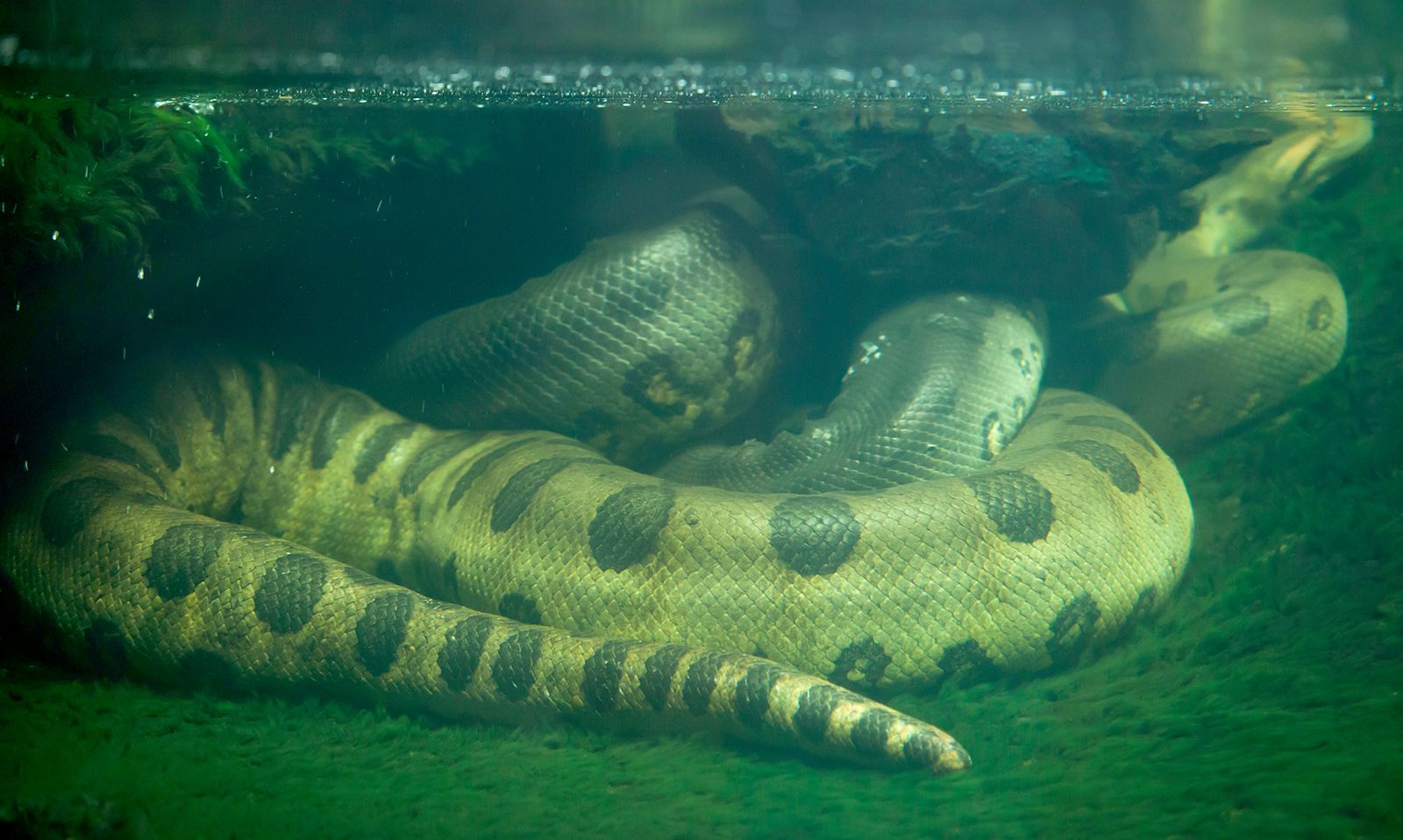
A yellow anaconda (Eunectes notaeus) measuring over two meters and weighing 7 kg underwent a computed tomography (CT) scan at the Veterinary Hospital Institute of the University of Caxias do Sul this Tuesday (12).
According to G1, the entire process, which included preparation and sedation, lasted approximately one hour. The goal of the examination was to better understand the genetic structure of these animals as part of a species recognition study to consolidate it as a native fauna animal of Rio Grande do Sul. Previously, the snake had biological and genetic material collected and underwent epidemiological analysis.
“We are proceeding with this study because the frequency of reports leads us to believe that it is indeed a native fauna animal of Rio Grande do Sul, contrary to what many people think,” reports Ibama environmental analyst Paulo Guilherme Carniel Wagner.
The anaconda, a male found in February on the banks of the Uruguay River in São Borja, on the western border of RS, was taken to Porto Alegre by a team from the Brazilian Institute of Environment and Renewable Natural Resources (Ibama) before being sent to the mountain city.
“The CT scan is important because it helps us understand the animal’s systematics and anatomy thanks to the quality of the images, which is fundamental for species identification,” highlights veterinarian Paulo Guilherme Carniel Wagner, Ibama environmental analyst and head of Cetas-RS.