Introduction
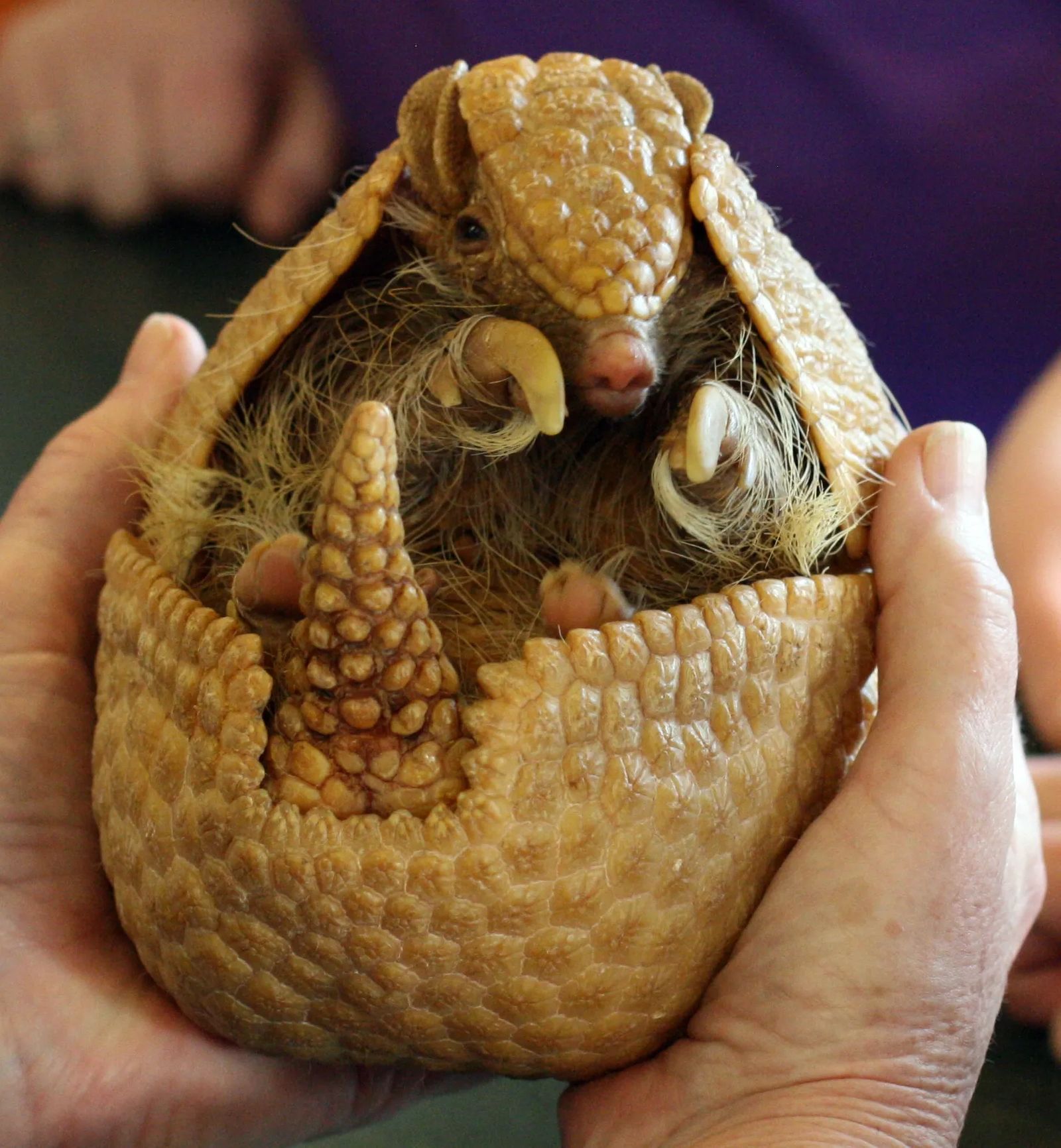
The southern three-banded armadillo (Tolypeutes matacus), popularly known in Brazil as the tatu-bola-do-sul, is one of the most iconic and specialized species of the Pantanal. Unlike most other armadillos, which seek refuge in burrows when threatened, the three-banded armadillo possesses the extraordinary ability to roll itself into a nearly perfect, impenetrable ball. This unique defense mechanism, combined with its peculiar appearance and specialized habits, makes it a key species for understanding the biological diversity and evolutionary adaptations of the South American Xenarthra.
Scientific Classification
| Kingdom | Animalia |
| Phylum | Chordata |
| Class | Mammalia |
| Order | Cingulata |
| Family | Chlamyphoridae |
| Genus | Tolypeutes |
| Species | Tolypeutes matacus |
| Common Name | Southern Three-banded Armadillo, Tatu-bola |
In the Pantanal, the southern three-banded armadillo finds a favorable environment in the drier areas and open forests, where it plays an important role in controlling insect populations and cycling nutrients in the soil. Although it is widely distributed in the Gran Chaco region, its presence in the Brazilian Pantanal is a vital component of the local ecosystem, contributing to the complex web of life that characterizes this wetland. However, like many other species in the biome, it faces growing threats from habitat loss and human pressure.
Physical Description
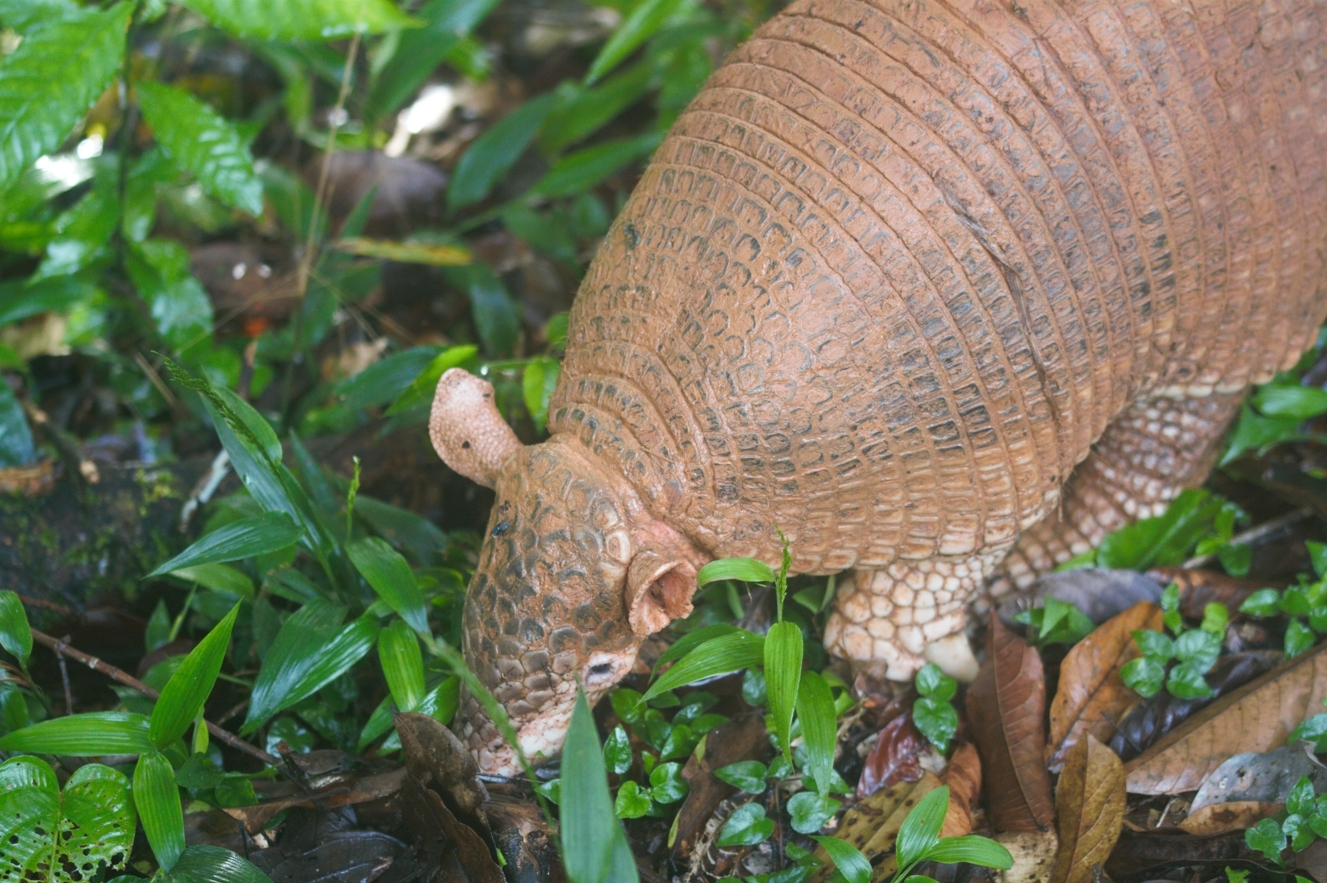
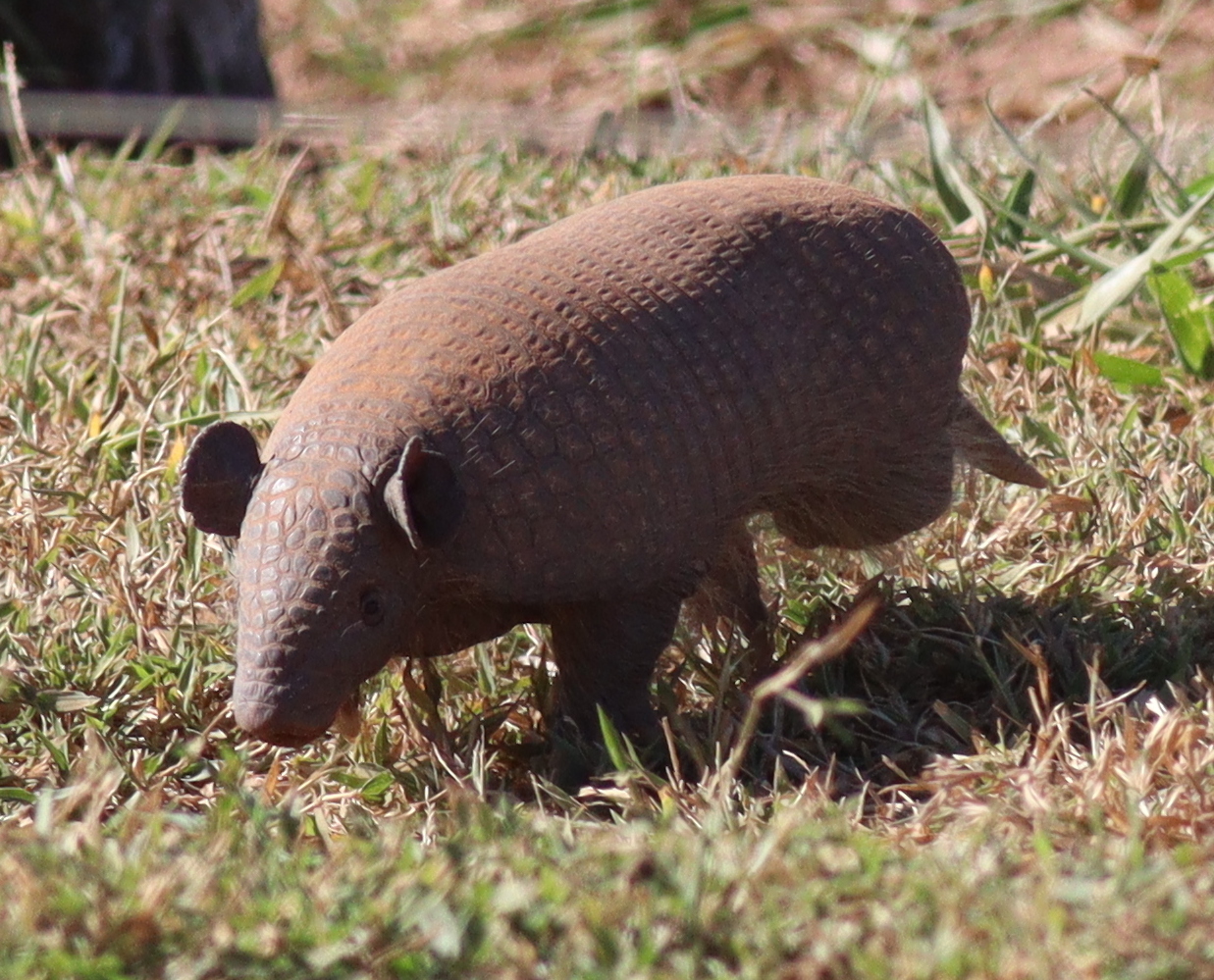
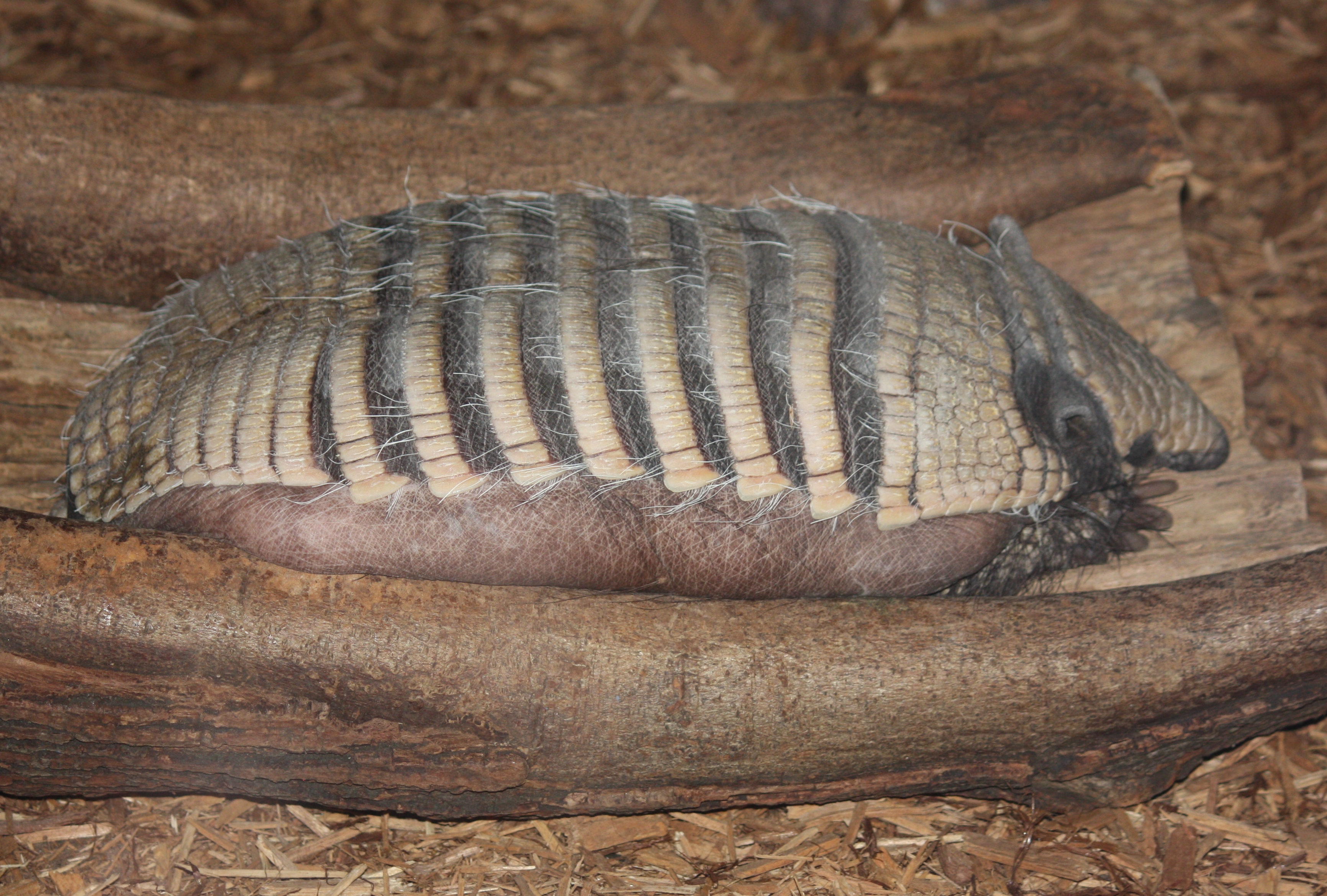
The southern three-banded armadillo is a small to medium-sized mammal, with an average length of 22 to 27 centimeters and a weight ranging from 1 to 1.6 kg. Its most distinctive feature is its armor, composed of three mobile bands in the middle of the back, which allow for the flexibility necessary to roll into a ball. The carapace is extremely hard and has a yellowish-brown or gray coloration, providing excellent camouflage against the dry soil and leaf litter of the Pantanal forests.
Its head and tail are also protected by bony plates, and when the animal rolls up, these parts fit perfectly into the openings of the carapace, leaving no vulnerable areas exposed to predators. Its paws are specialized for walking and foraging; the front paws have three large claws, while the hind paws have five toes with nails that resemble small hooves. Unlike other armadillos, the three-banded armadillo walks on the tips of its front claws, giving it a peculiar and somewhat clumsy gait.
Habitat and Distribution in the Pantanal
In the Pantanal, Tolypeutes matacus prefers drier habitats, such as "cordilheiras" (elevated ridges with forest), scrublands, and areas of deciduous forest. It avoids permanently flooded areas, as it does not dig its own burrows, instead using abandoned burrows of other animals or seeking shelter under dense vegetation and fallen logs. This dependence on dry areas makes the species particularly sensitive to the seasonal pulse of the Pantanal floods.
The species is found mainly in the Southern Pantanal, especially in the regions bordering the Chaco of Paraguay and Bolivia. Its distribution is closely linked to the availability of open forests and areas with well-drained soil. Although it is more common in the Chaco, the Pantanal populations are significant for the species' conservation in Brazil, representing an important part of the biome's mammalian diversity.
Behavior
The behavior of the southern three-banded armadillo is marked by its unique defense strategy. When threatened, it does not run or dig; instead, it rolls into a ball, leaving a small gap that it closes completely if the predator tries to insert a paw or snout. This defense is so effective that even large predators like the jaguar may have difficulty breaking the armor, although they can sometimes succeed with persistence and strength.
It is a primarily solitary animal, although it can be seen in small groups during the breeding season or in areas with high food availability. Its activity can be both diurnal and nocturnal, depending on the temperature and season. During the hottest months in the Pantanal, it tends to be more active during the cooler hours of the night and early morning. Its sense of smell is highly developed, used to locate prey under the leaf litter or in shallow galleries.
Diet
The diet of the southern three-banded armadillo is essentially insectivorous, with a strong preference for ants and termites. It uses its front claws to tear apart termite mounds and rotten logs, and its long, sticky tongue to capture the insects. In the Pantanal, it also consumes beetle larvae, spiders, and other small invertebrates found in the soil.
Occasionally, the three-banded armadillo may supplement its diet with fruits and small amounts of plant matter, especially during the dry season when insects may be less accessible. This opportunistic behavior is an important adaptation for survival in an environment with such marked seasonal variations as the Pantanal.
Reproduction
The reproduction of Tolypeutes matacus is characterized by a low reproductive rate. Females usually give birth to only one pup per year, after a gestation period of approximately 120 days. The pups are born with a soft carapace that gradually hardens as they grow. They are born quite developed and are able to walk and even roll into a ball shortly after birth, although they remain dependent on maternal care for several months.
In the Pantanal, the breeding season seems to be influenced by the availability of food and the flood cycle, with most births occurring during the transition from the dry to the rainy season. This timing ensures that the young have access to an abundance of insects during their first months of life, increasing their chances of survival in the challenging environment of the Pantanal.
Conservation Status
Currently, Tolypeutes matacus is classified by the International Union for Conservation of Nature (IUCN) as "Near Threatened" (NT). In Brazil, the Chico Mendes Institute for Biodiversity Conservation (ICMBio) also keeps the species under surveillance in the same category. Although it is still relatively common in certain preserved areas of the Pantanal and the Chaco, population trends indicate a worrying decline due to multiple combined threats.
The main threat to the species is habitat loss and fragmentation. The conversion of native fields into exotic grass pastures and agricultural monocultures drastically reduces foraging and shelter areas. Furthermore, subsistence and sport hunting, although illegal, still persist in several regions of its occurrence. In the Pantanal, roadkill on highways like the Transpantaneira and the catastrophic fires that have plagued the biome in recent years have caused significant losses of individuals, impacting the genetic viability of local populations.
Conservation efforts, such as the National Action Plan for the Conservation of Armadillos, seek to mitigate these impacts through the creation of conservation units, enforcement against hunting, and the promotion of sustainable agricultural practices. Scientific research projects, such as those carried out by the Institute for the Conservation of Wild Animals (ICAS), are fundamental to better understanding the species' ecology and proposing management measures that ensure the three-banded armadillo continues to roll freely across the plains of the Pantanal.
Curiosities
The three-banded armadillo is a central figure in South American popular culture and imagination. The name "mataco," used in Spanish-speaking countries and parts of Mato Grosso do Sul, derives from indigenous terms referring to its spherical shape. Its ability to transform into a perfect ball is so perfect that, in ancient times, it was believed it could roll down hills to escape danger, although in reality it remains static, relying entirely on its armor.
A fascinating biological curiosity is that, unlike other mammals, the three-banded armadillo can retain a significant amount of air inside its carapace when rolled up, allowing it to survive for short periods in low-oxygen environments or even float on water, although it is not a habitual swimmer like the giant otter. Furthermore, its body temperature is one of the lowest among placental mammals, reflecting its slow metabolism and adaptation to low-energy diets.
In Pantanal ecotourism, the three-banded armadillo is considered a "jewel of the fauna." Its prehistoric appearance and docile behavior (when not cornered) make it an excellent model for nature photography. The preservation of this species is not only a matter of biodiversity but also of maintaining the cultural and tourist heritage of the region, symbolizing the incredible diversity of life forms that the pulse of the Paraguay River waters sustains.
References
[1] IUCN. (2014). *Tolypeutes matacus*. The IUCN Red List of Threatened Species. Available at: https://www.iucnredlist.org/species/21974/47443455
[2] ICMBIO. (2018). *Livro Vermelho da Fauna Brasileira Ameaçada de Extinção*. ICMBio. Available at: https://www.icmbio.gov.br
[3] ALHO, C. J. R. (2008). *Biodiversidade do Pantanal*. Editora UNIDERP.
[4] ANACLETO, T. C. S. (2006). *História natural de Tolypeutes matacus (Cingulata, Dasypodidae) no Pantanal de Mato Grosso do Sul*. Master's Thesis, Federal University of Mato Grosso do Sul.
[5] EMBRAPA PANTANAL. (2020). *Fauna do Pantanal: Mamíferos*. Embrapa Pantanal. Available at: https://www.embrapa.br/pantanal/fauna/mamiferos
[6] SUPERINA, M.; ABBA, A. M. (2014). *Tolypeutes matacus*. Mammalian Species, 46(913), 1-10.
[7] SOS PANTanal. (2023). *Tatu-bola: o mestre da defesa no Pantanal*. SOS Pantanal. Available at: https://sospantanal.org.br/tatu-bola-o-mestre-da-defesa-no-pantanal/