Introduction
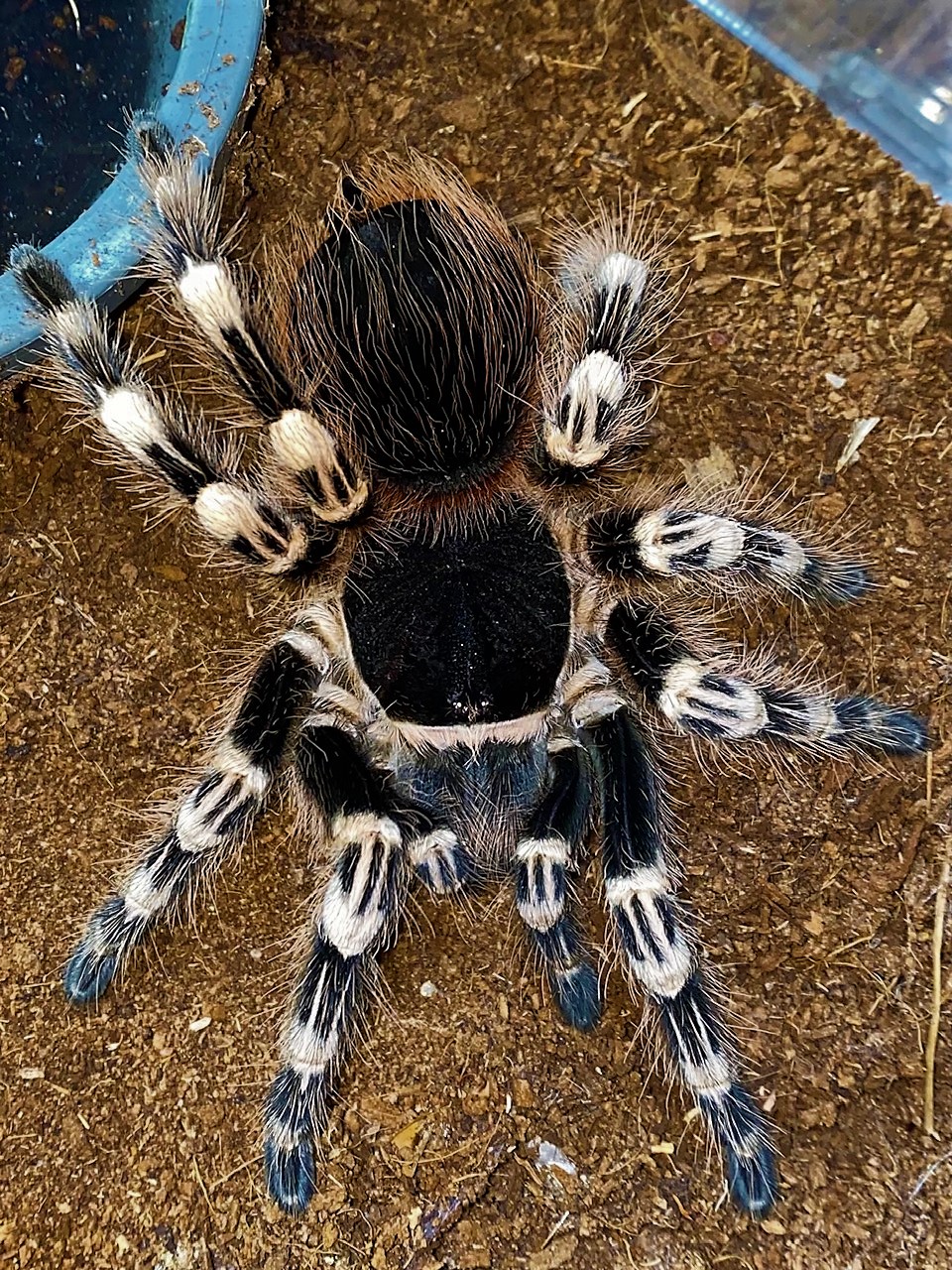
Acanthoscurria geniculata, commonly known as the White-Knee Tarantula or Brazilian White-Knee, is one of the most visually impressive arachnids found in the regions surrounding and within the Brazilian Pantanal. This large tarantula is famous among researchers and enthusiasts for its bold coloration and significant size. In the Pantanal ecosystem, it acts as a formidable terrestrial predator, occupying a high position in the invertebrate food web.
While more commonly associated with the Cerrado and transitional forest areas, the White-Knee Tarantula is a key component of the terrestrial biodiversity in the Pantanal’s higher, non-flooded areas (cordilheiras). Its presence is an indicator of a healthy terrestrial environment with abundant prey. The study of Acanthoscurria geniculata provides insights into the adaptations of large arachnids to the seasonal and varied landscapes of central South America.
Scientific Classification
| Category | Classification |
|---|---|
| Kingdom | Animalia |
| Phylum | Arthropoda |
| Class | Arachnida |
| Order | Araneae |
| Family | Theraphosidae |
| Genus | Acanthoscurria |
| Species | Acanthoscurria geniculata |
| Common name | White-Knee Tarantula |
Description
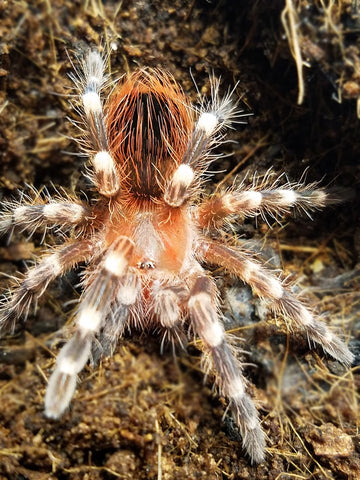
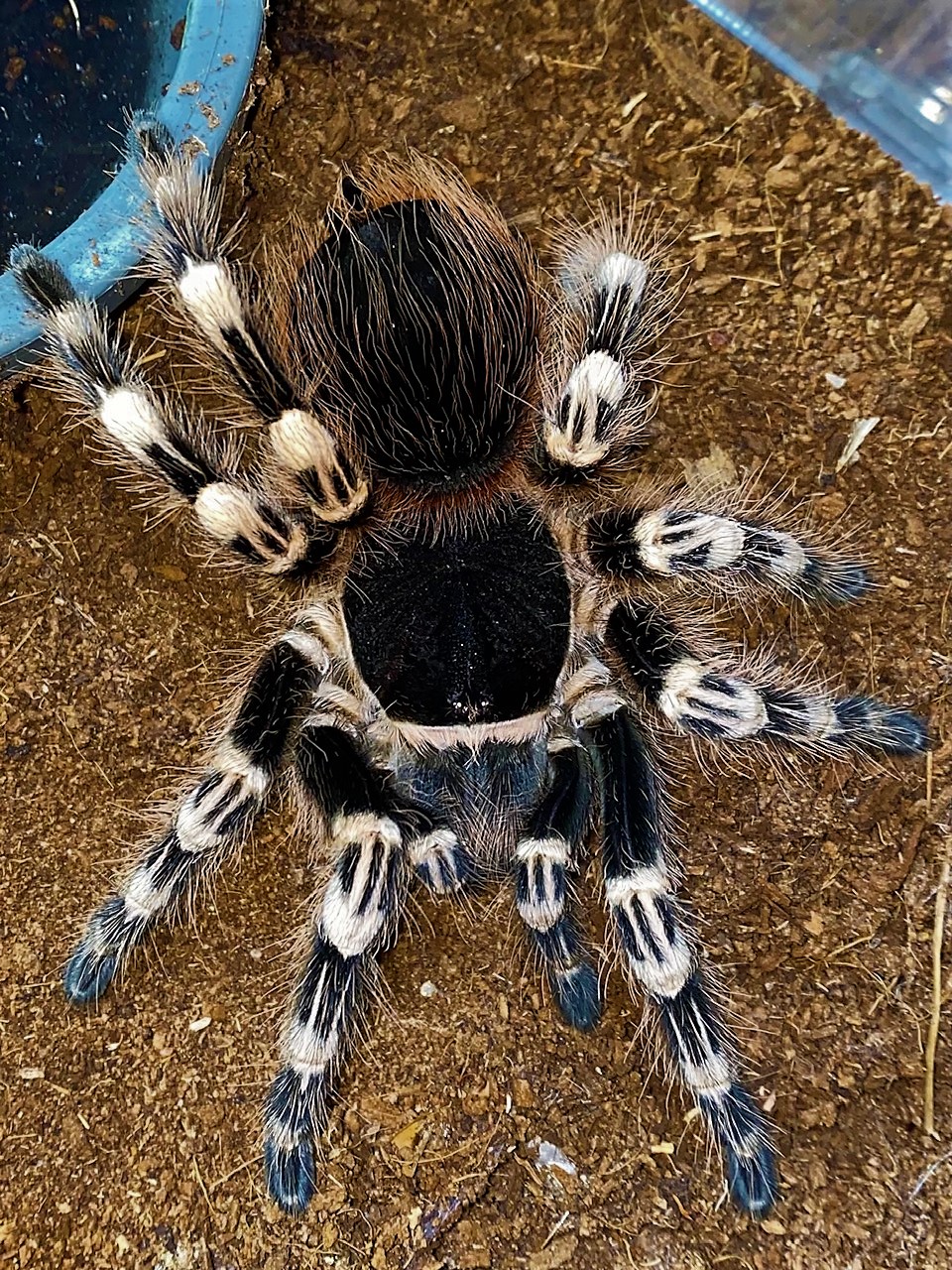
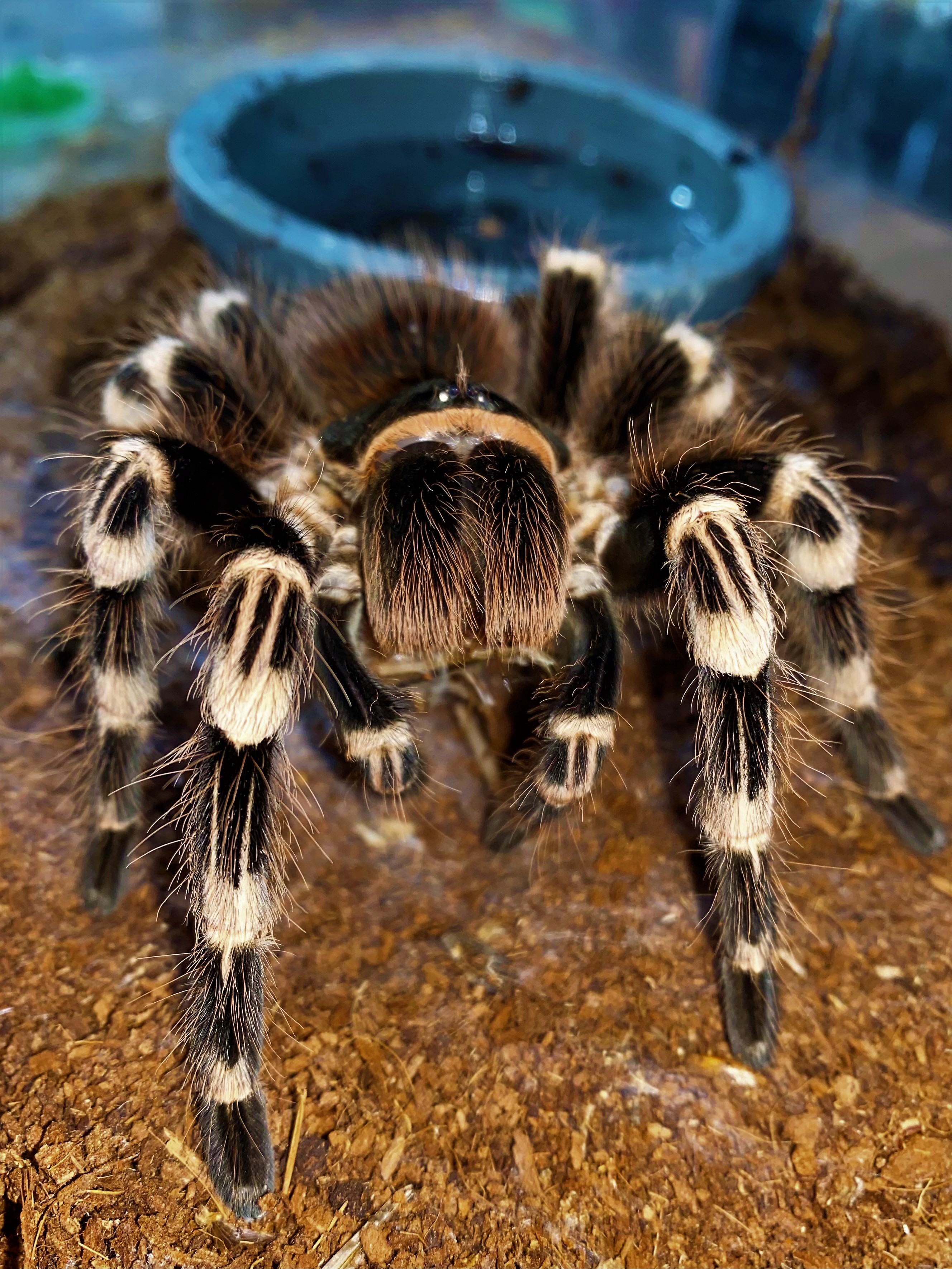
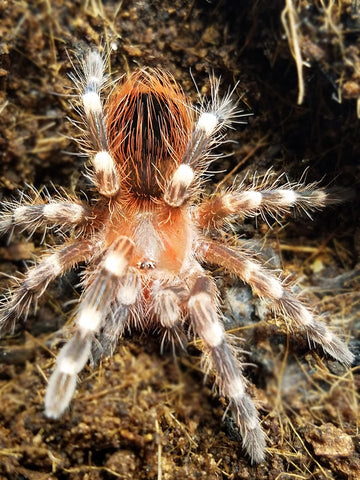
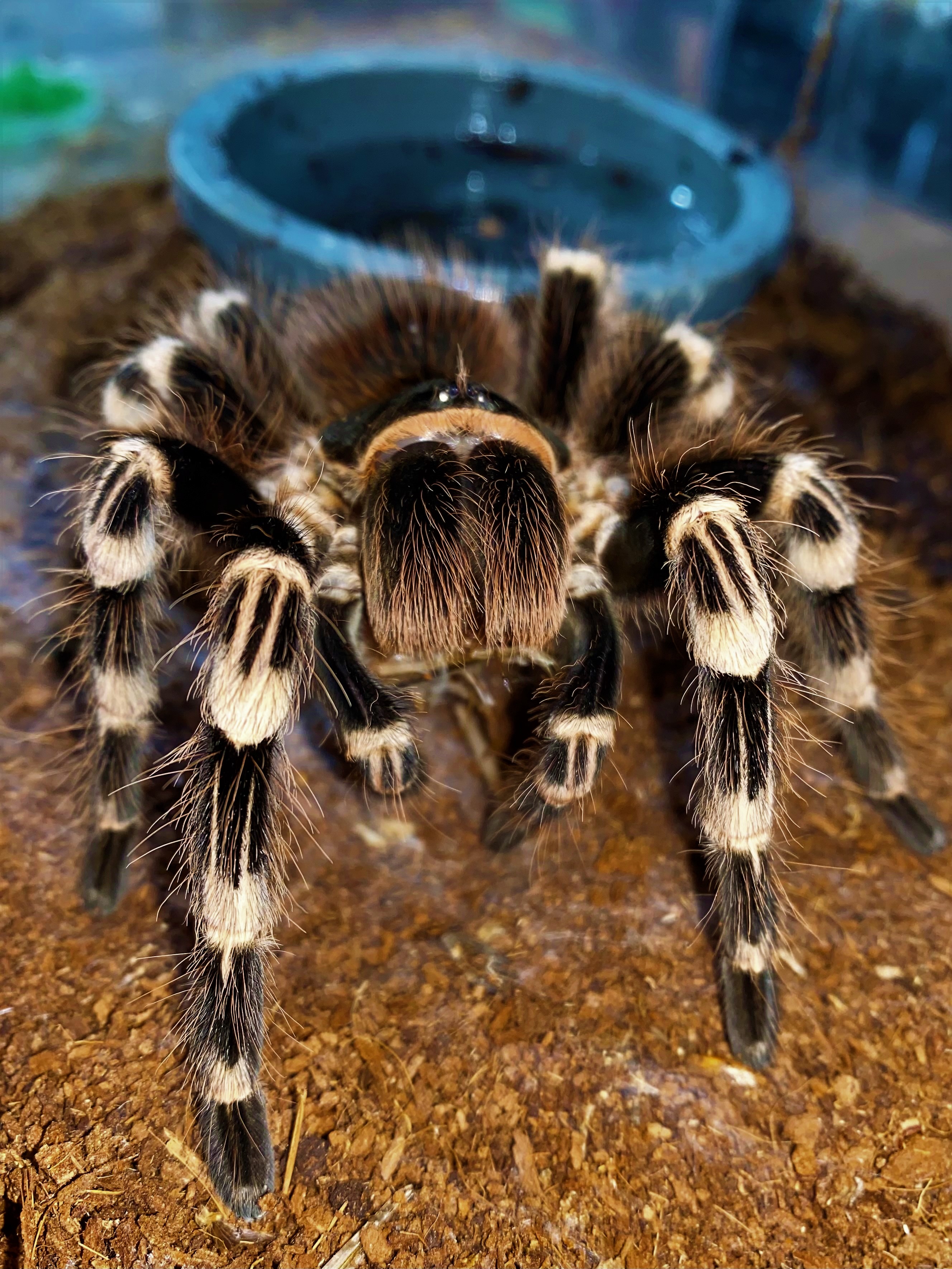
Acanthoscurria geniculata is a large tarantula, with mature females reaching a leg span of up to 20 cm (8 inches) and a body length of 8 to 9 cm. Males are typically smaller and more slender. The most distinctive feature of this species is its striking coloration: the body and legs are predominantly deep black or dark brown, contrasted sharply by bright white bands at each leg joint (the “knees”). Additionally, the abdomen is covered in long, reddish-orange hairs (setae), giving it a bristly appearance.
Like other members of the Theraphosidae family, it has a robust cephalothorax and a large, rounded abdomen. It possesses eight eyes grouped on a small mound on the front of the cephalothorax, though its vision is relatively poor. Its primary sensory organs are the sensitive hairs covering its body, which detect vibrations in the air and ground. The fangs are large and powerful, capable of delivering venom to immobilize prey. It also possesses urticating hairs on its abdomen, which it can flick as a defense mechanism.
Geographic Distribution
The White-Knee Tarantula is native to northern and central Brazil. Its range includes the Amazon basin, the Cerrado, and the transitional zones leading into the Pantanal. Within the Pantanal, its distribution is restricted to the higher, well-drained areas that do not undergo seasonal flooding, such as the “cordilheiras” (sandy ridges) and the surrounding upland plateaus.
It is particularly common in the northern and eastern parts of the Pantanal, where the environment transitions into the Cerrado biome. While it is a terrestrial species with limited individual mobility, its broad regional distribution indicates a successful adaptation to the varied environments of central Brazil.
Habitat
In the Pantanal region, Acanthoscurria geniculata is a terrestrial, burrowing species. It prefers habitats with relatively high humidity but requires well-drained soil to prevent its burrows from flooding. It is most commonly found in the leaf litter of semi-deciduous forests, gallery forests, and the denser vegetation of the cordilheiras. It may also be found in the transitional areas between forests and open grasslands.
This tarantula either digs its own burrows or occupies existing crevices under rocks, fallen logs, or at the base of large trees. The burrow provides a stable microclimate, protecting the spider from extreme temperatures and predators. During the day, it typically remains hidden within its retreat, emerging at night to hunt along the forest floor.
Behavior
Acanthoscurria geniculata is a nocturnal and opportunistic predator. It is known for being more active and visible than many other tarantula species. While it spends much of its time in or near its burrow, it is a bold hunter that will venture out to find prey. It does not use webs to capture food but relies on its strength and speed to overpower victims.
When threatened, the White-Knee Tarantula has several defensive strategies. Its first reaction is usually to retreat into its burrow. If cornered, it will adopt a threat posture, raising its front legs and baring its fangs. Its primary defense against predators like coatis or large birds is the flicking of urticating hairs from its abdomen using its hind legs. These hairs are highly irritating to the skin, eyes, and respiratory systems of mammals. While it can bite, its venom is generally not considered dangerous to humans, though it can be painful.
Diet
The White-Knee Tarantula is a voracious and non-selective predator. Its diet consists primarily of large insects such as crickets, grasshoppers, and beetles. However, due to its large size, it is also capable of taking small vertebrates, including lizards, small rodents, and occasionally small frogs. It is a classic “sit-and-wait” predator, sensing the vibrations of approaching prey and then lunging forward with surprising speed.
Once the prey is captured, the tarantula injects venom through its fangs, which quickly immobilizes the victim and begins the process of internal digestion. The spider then uses its chelicerae to help break down the prey into a liquid form that can be ingested. In the Pantanal’s terrestrial ecosystems, Acanthoscurria geniculata plays an important role in regulating the populations of both large invertebrates and small vertebrates.
Reproduction
The reproductive cycle of Acanthoscurria geniculata begins with the male reaching maturity, at which point he develops specialized structures on his pedipalps for sperm transfer. He then leaves his burrow in search of a female, following pheromone trails. When he finds a female’s burrow, he performs a rhythmic drumming with his legs to signal his presence and intent. If the female is receptive, she emerges, and mating occurs.
After successful mating, the female produces an egg sac containing several hundred to over a thousand eggs. She guards the egg sac within her burrow, occasionally rotating it to ensure even development. The spiderlings hatch after a few months and remain in the burrow for a short period before dispersing. Acanthoscurria geniculata is a relatively fast-growing species, with females living for 15 to 20 years, while males have a much shorter lifespan, typically dying shortly after reaching maturity and mating.
Conservation Status
Acanthoscurria geniculata has not been formally assessed by the IUCN, but it is generally considered common within its native range. However, like many large tarantulas, it is sometimes targeted for the illegal pet trade due to its striking appearance. In Brazil, it is protected under national laws that regulate the collection and export of native wildlife.
In the Pantanal region, the main threat to the species is habitat loss due to the conversion of forests and cordilheiras into agricultural land or pastures. The use of pesticides in surrounding areas can also impact its prey base. Protecting the terrestrial habitats within the Pantanal, particularly the non-flooded ridges, is essential for maintaining the populations of this impressive arachnid and the ecological balance of the region.
References
[1] SCHIAPELLI, R. D.; GERSCHMAN DE PINIKEL, B. S. (1964). El género Acanthoscurria Ausserer, 1871 (Araneae, Theraphosidae). Revista del Museo Argentino de Ciencias Naturales Bernardino Rivadavia, 1(6), 391-520. [2] PLATNICK, N. I. (2014). The World Spider Catalog, Version 15.5. American Museum of Natural History. Available at: http://research.amnh.org/iz/spiders/catalog/ [3] BERTANI, R. (2001). Revision, cladistic analysis, and zoogeography of Vitalius, Nhandu, and Proshapalopus; with notes on other theraphosine genera (Araneae, Theraphosidae). Arquivos de Zoologia, 36(3), 265-356. [4] EMBRAPA PANTANAL. (2020). Terrestrial Invertebrates of the Pantanal. Embrapa Pantanal. Available at: https://www.embrapa.br/pantanal/publicacoes [5] SOS PANTANAL. (2023). The Importance of Terrestrial Predators in the Pantanal. SOS Pantanal. Available at: https://sospantanal.org.br/a-importancia-dos-predadores-terrestres-no-pantanal/