

Invertebrados
O mundo fascinante dos invertebrados pantaneiros: borboletas iridescentes, libélulas coloridas, tarântulas, escorpiões e besouros gigantes.

Schistocerca cancellata (South American Locust)
The South American locust can form large migratory swarms that affect the vegetation of the Pantanal during dry periods.
Mantis religiosa (Praying Mantis)
The praying mantis is an ambush predator that uses perfect camouflage to capture insects and even small vertebrates in the Pantanal fields.
Phanaeus vindex (Rainbow Dung Beetle)
The rainbow dung beetle is a colorful and ecologically vital insect known for its role in nutrient cycling and its striking iridescent appearance.
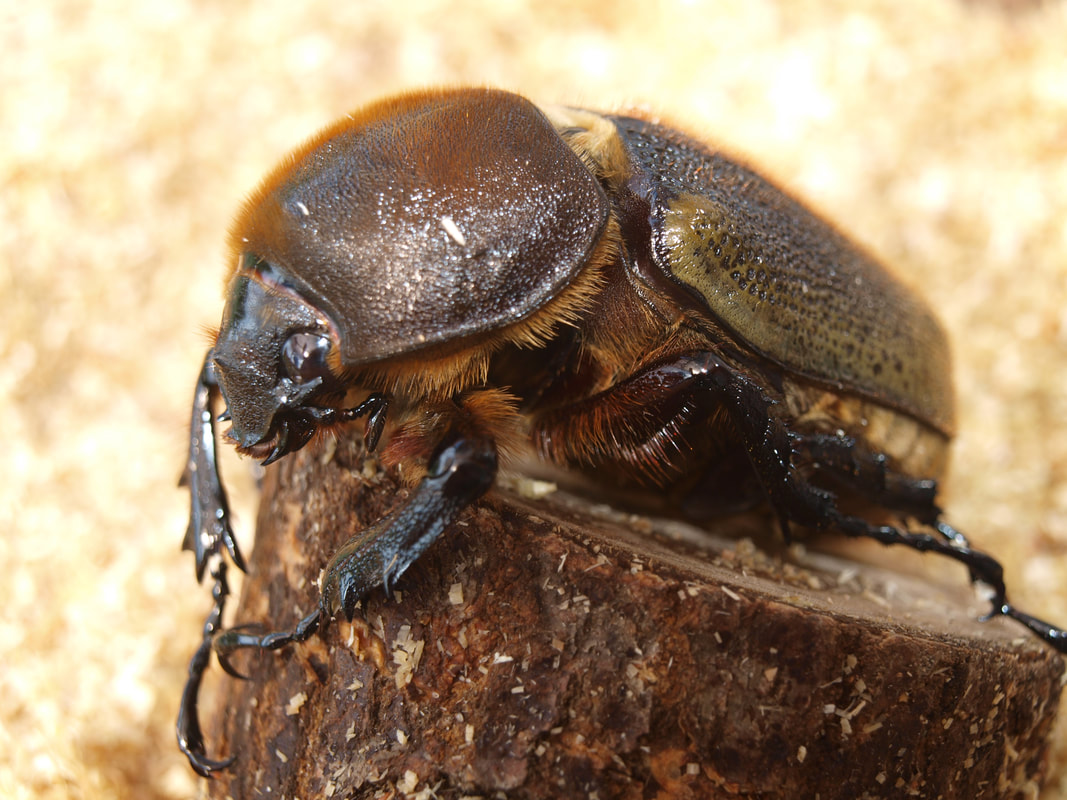
Titanus giganteus (Titan Beetle)
The titan beetle is the largest known beetle in the world by body mass, a mysterious giant of the Neotropical rainforests.
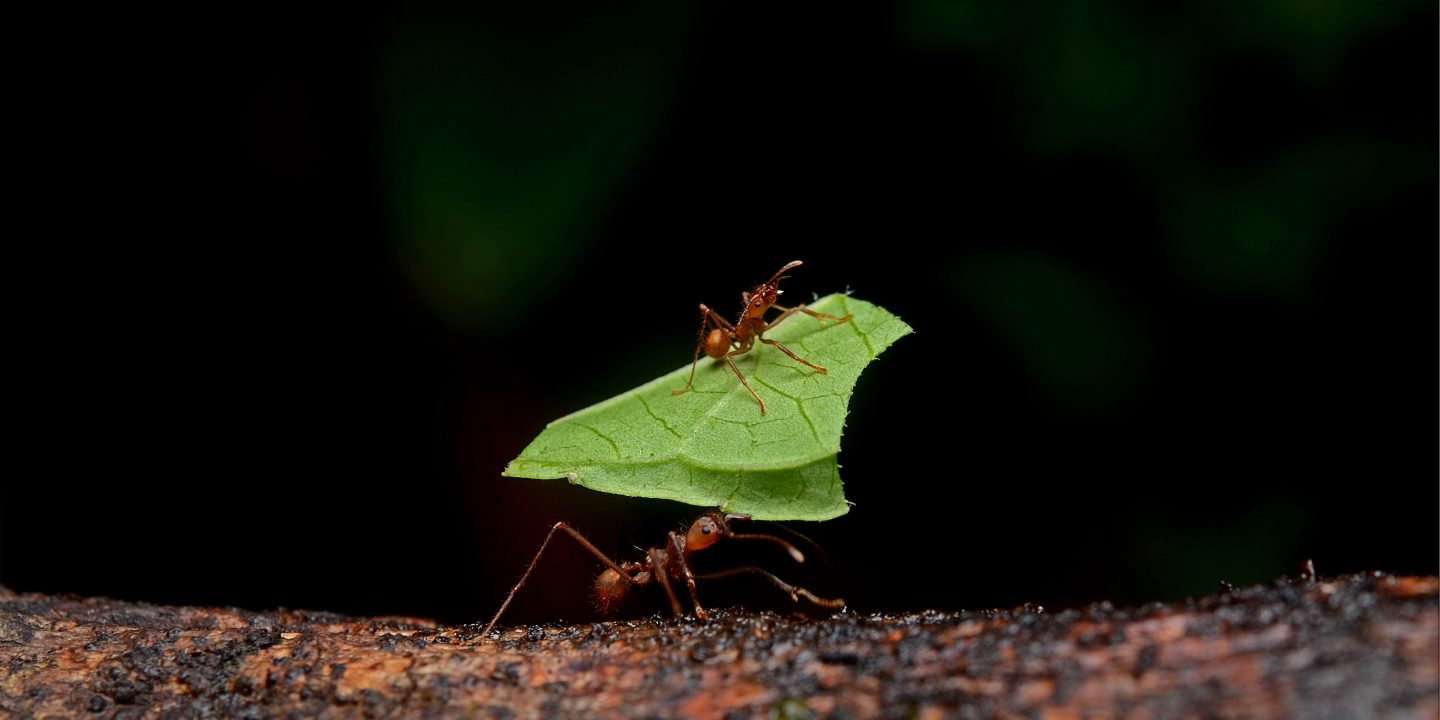
Atta sexdens (Leaf-cutter Ant)
The leaf-cutter ant is a highly organized social insect known for its complex fungus-farming colonies and its role as a major herbivore in the Pantanal.
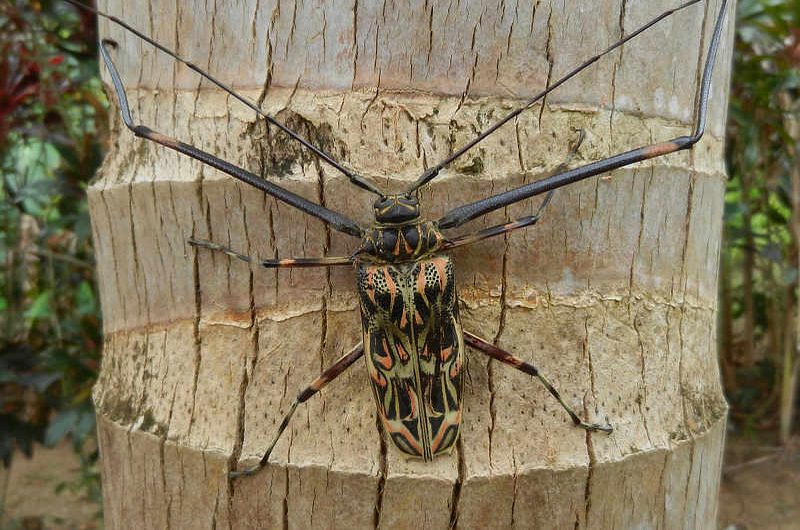
Euchroma gigantea (Giant Metallic Ceiba Borer)
The giant metallic ceiba borer is one of the largest and most beautiful jewel beetles in the world, known for its brilliant iridescent colors.
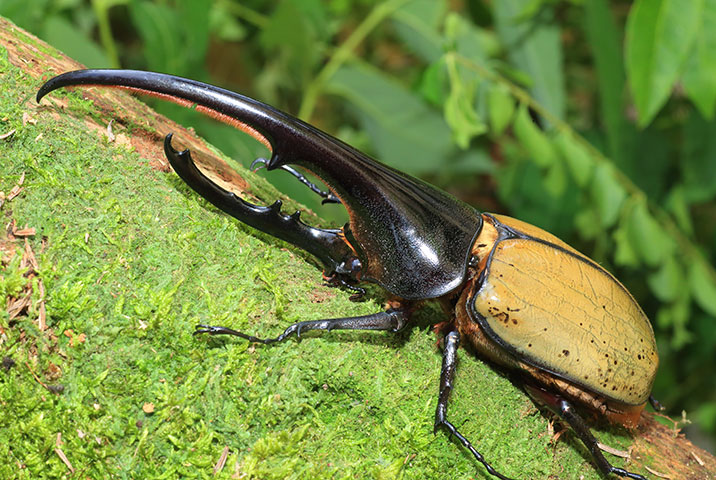
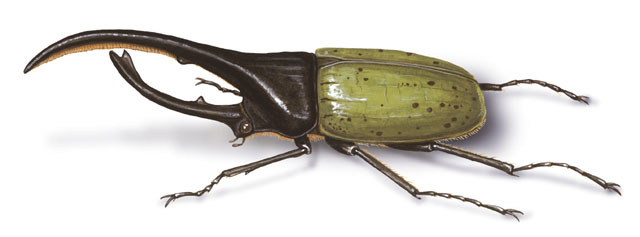
Dynastes hercules (Hercules Beetle)
The Hercules beetle is one of the largest and most powerful insects in the world, known for the impressive horns found on the males.
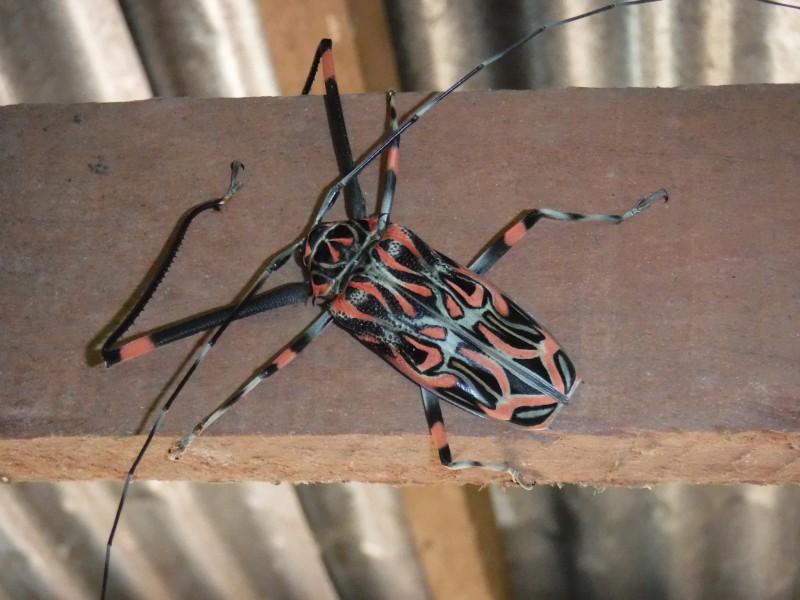
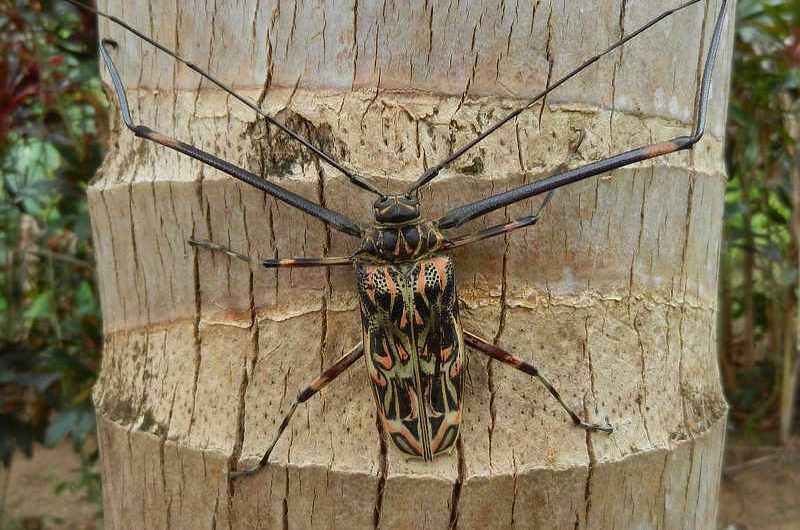
Acrocinus longimanus (Harlequin Beetle)
The harlequin beetle is a large Neotropical longhorn beetle famous for its elaborate patterns and extremely long forelegs in males.
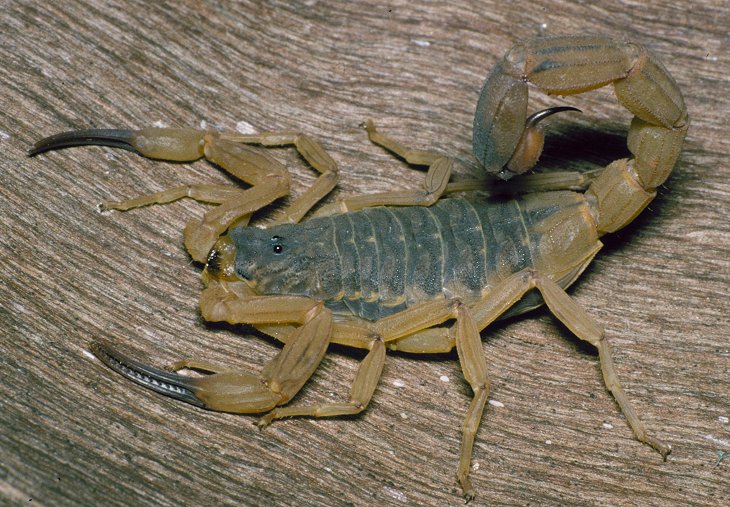
Rhopalurus lacreus (Pantanal Scorpion)
The Pantanal scorpion is a species adapted to the seasonal flood cycles of the region, playing a vital role in the local invertebrate food web.
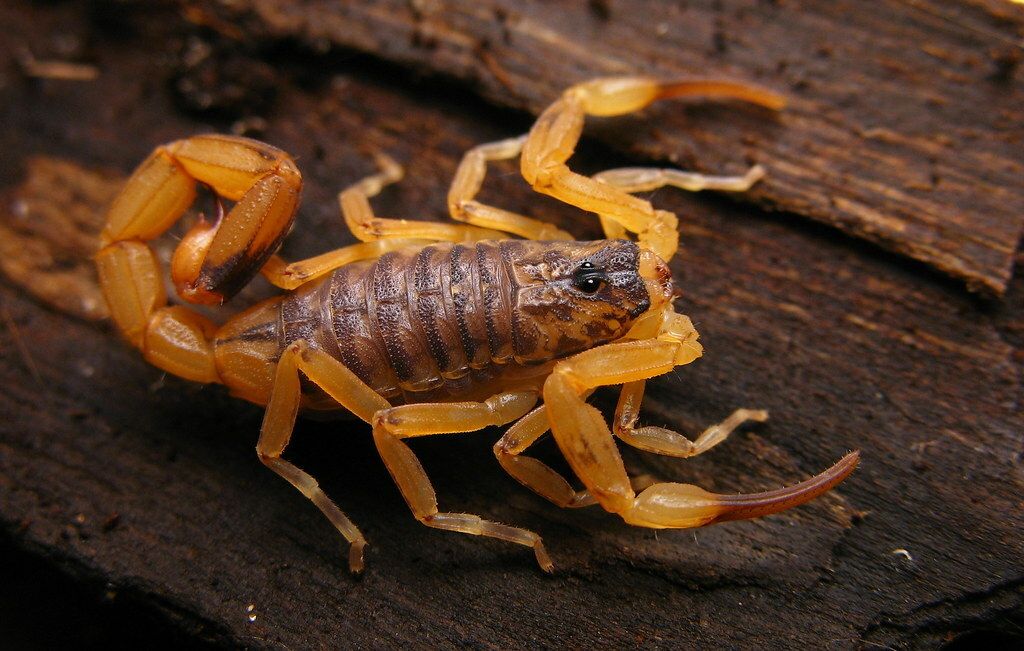
Tityus bahiensis (Brown Scorpion)
The brown scorpion is a species of medical importance in Brazil, frequently found in the transitional areas and human settlements of the Pantanal.
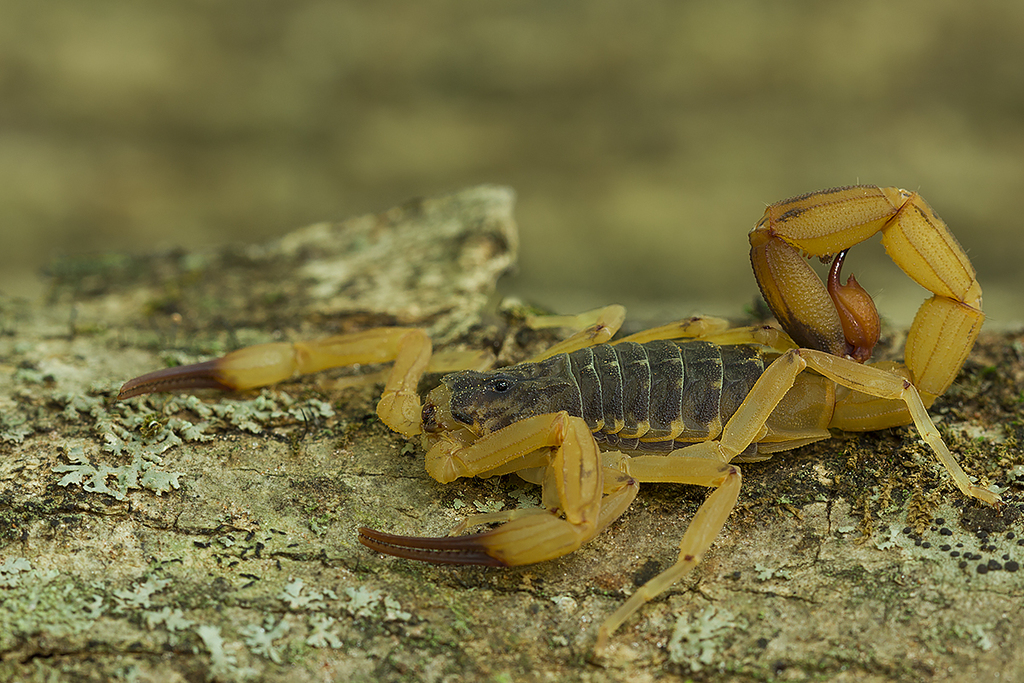
Tityus serrulatus (Yellow Scorpion)
The yellow scorpion is Brazil's most dangerous species, responsible for most severe accidents. It is commonly found in peri-urban areas of the Pantanal.
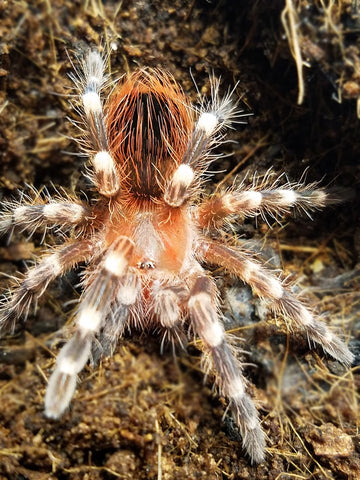
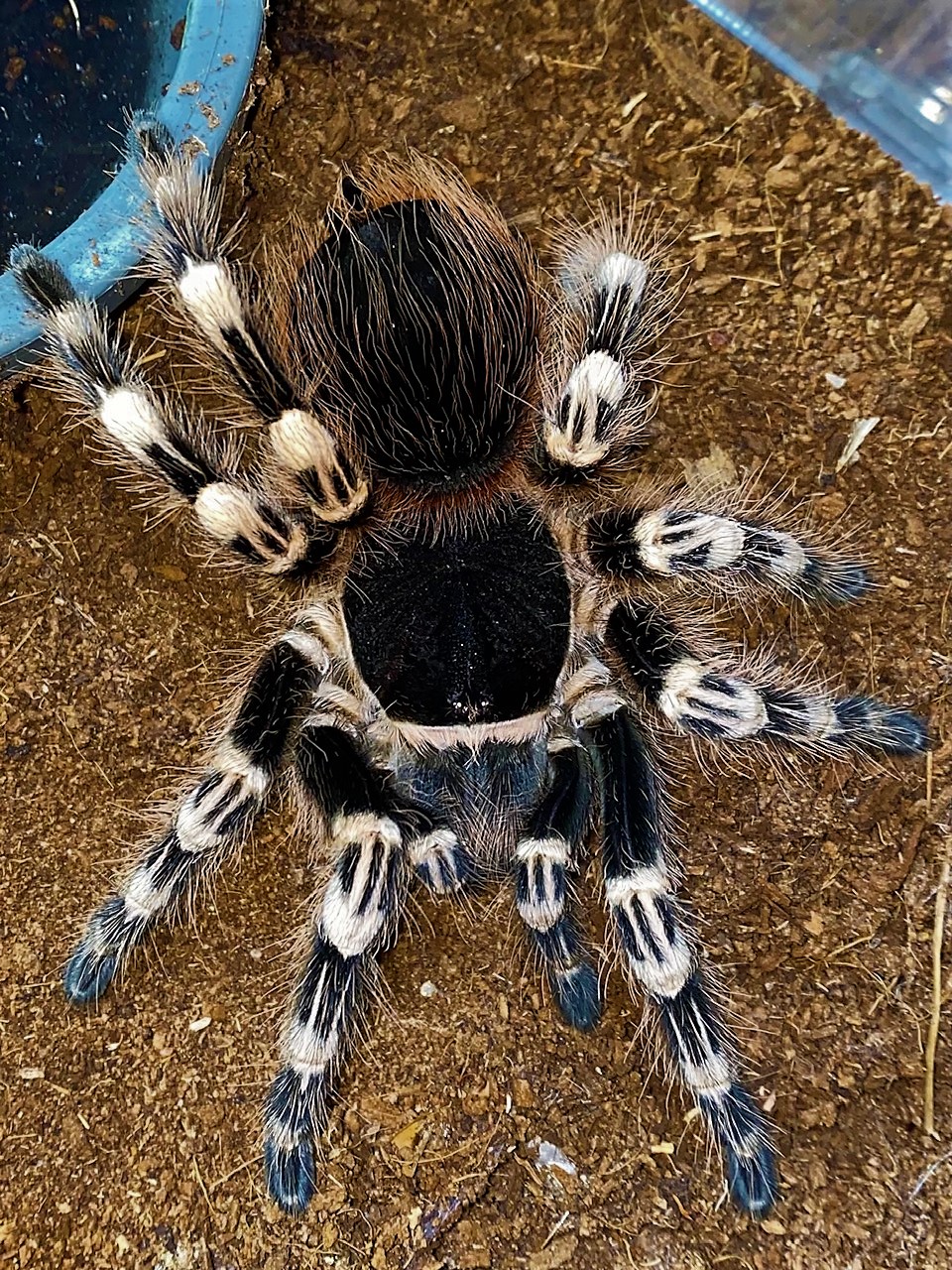
Nhandu coloratovillosus (Black-and-White Tarantula)
The black-and-white tarantula is an endemic species of central Brazil, characterized by contrasting black and white hairs and an active temperament.
Gasteracantha cancriformis (Spiny Orb-Weaver Spider)
The Spiny Orb-Weaver is a small, uniquely shaped spider known for its hard, crab-like abdomen with prominent spines and bright colors.
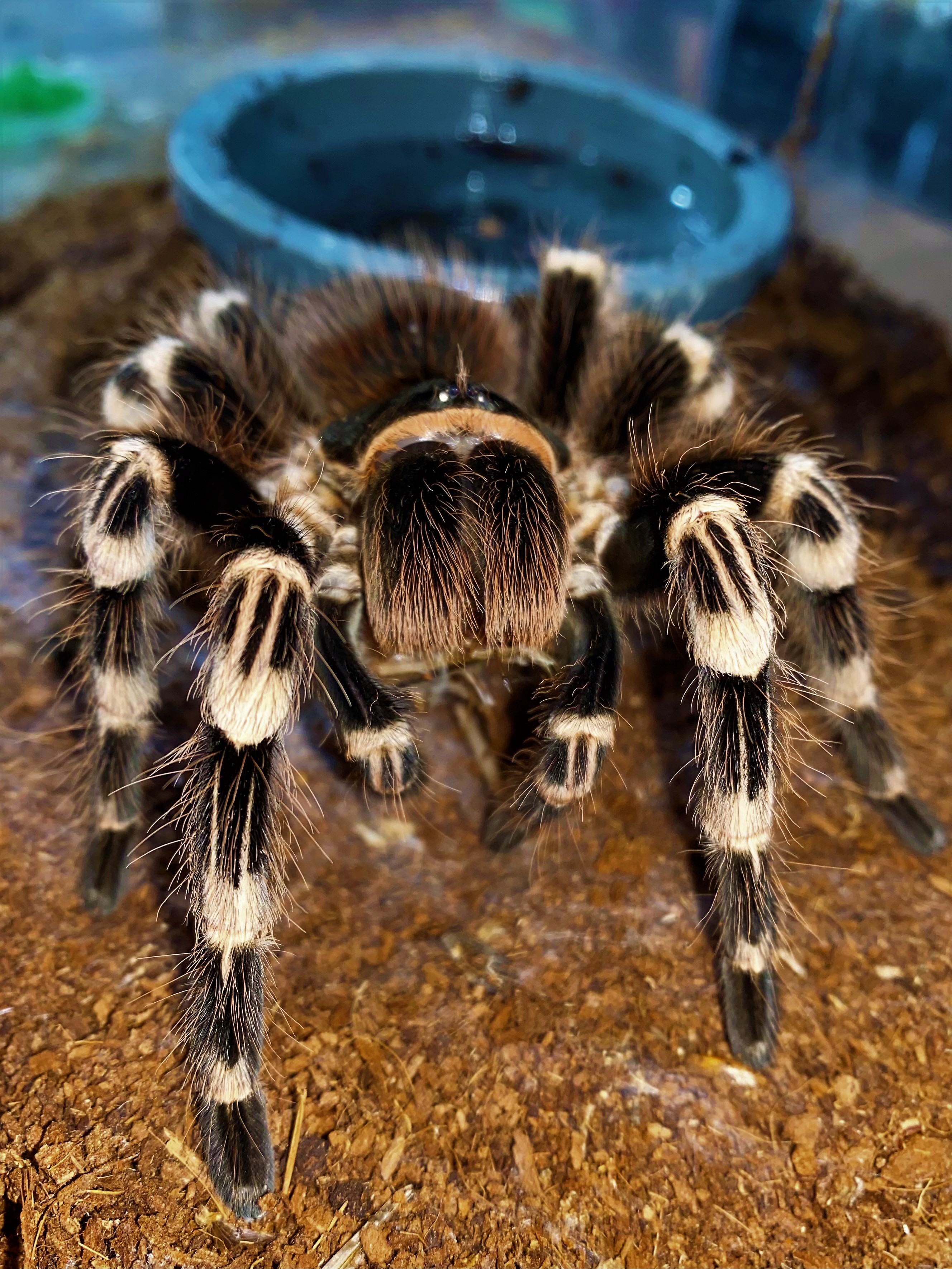
Argiope argentata (Silver Orb-Weaver Spider)
The Silver Orb-Weaver is a distinctive spider known for its silvery cephalothorax, lobed abdomen, and the X-shaped silk patterns in its web.
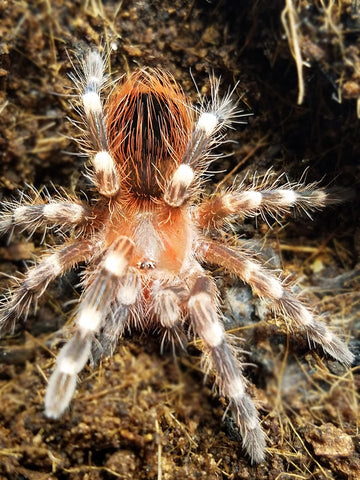
Nephila clavipes (Golden Silk Spider)
The Golden Silk Spider is famous for its large, intricate webs made of exceptionally strong, golden-colored silk and its striking elongated body.
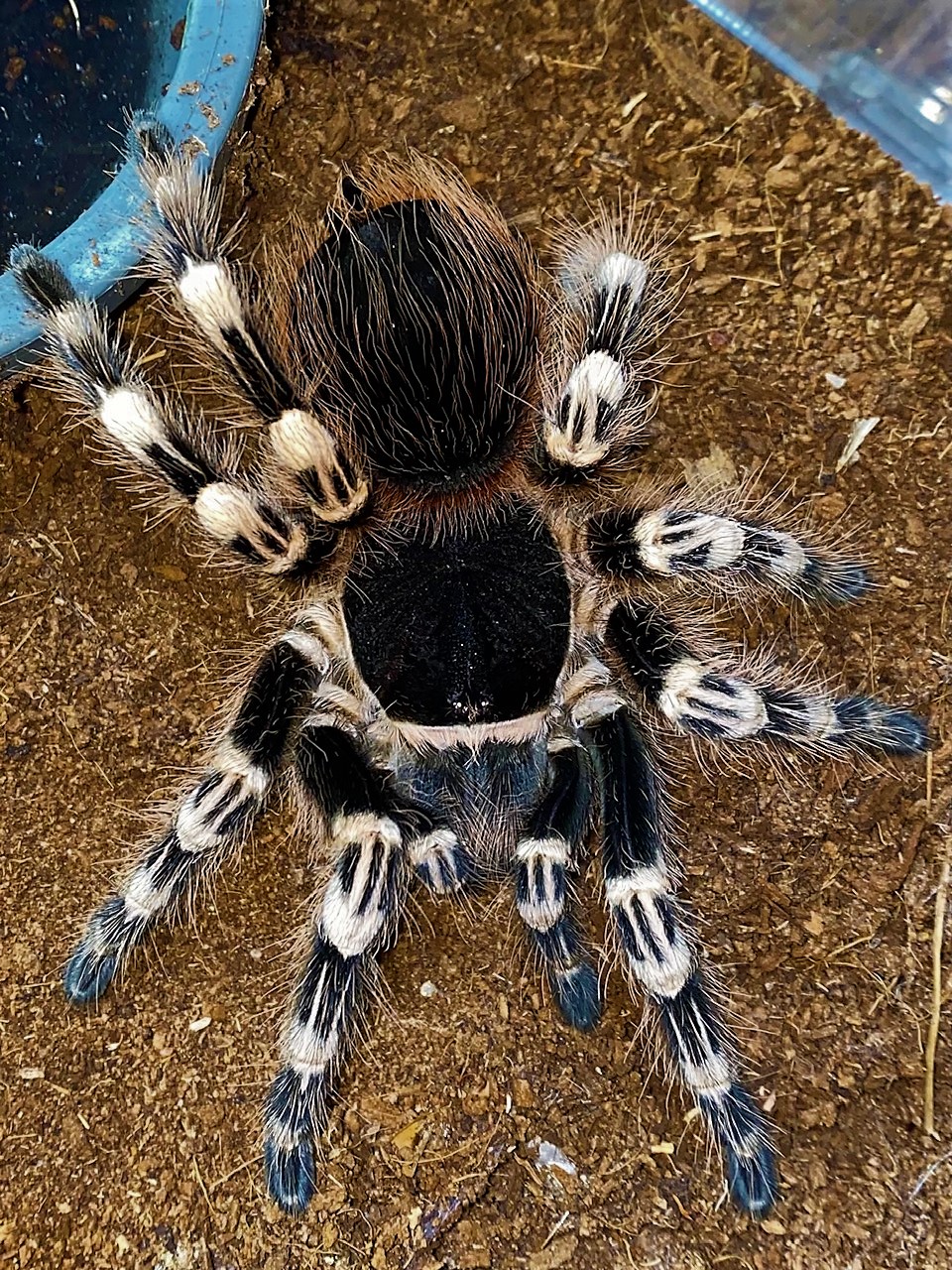
Phoneutria nigriventer (Brazilian Wandering Spider)
The Brazilian Wandering Spider is one of the world's most venomous spiders, known for its defensive posture and wandering hunting style.