

Introduction
Phanaeus vindex, commonly known as the rainbow dung beetle, is one of the most visually stunning and ecologically important insects found in the Neotropical regions, including the Brazilian Pantanal. This beetle belongs to the family Scarabaeidae and the subfamily Scarabaeinae, a group famous for their specialized behavior of processing animal feces. In the Pantanal, the rainbow dung beetle is a key player in the ecosystem’s health, acting as a natural recycler that cleans the landscape and enriches the soil. Its brilliant, metallic coloration, which features shades of green, gold, and copper, makes it a jewel of the Pantanal’s pastures and woodlands.
Beyond its beauty, Phanaeus vindex is a fascinating example of complex insect behavior, including territoriality and parental care. In the Pantanal ecosystem, these beetles perform the vital service of dung burial, which reduces the populations of flies and parasites that affect livestock and wildlife, while also aerating the soil and facilitating nutrient cycling. As an indicator of ecosystem health, the presence of the rainbow dung beetle reflects the balance between the region’s large herbivores and the decomposer community. Understanding its biology highlights the importance of even the smallest creatures in maintaining the integrity of the world’s largest tropical wetland.
Scientific Classification
| Category | Classification |
|---|---|
| Kingdom | Animalia |
| Phylum | Arthropoda |
| Class | Insecta |
| Order | Coleoptera |
| Family | Scarabaeidae |
| Genus | Phanaeus |
| Species | Phanaeus vindex |
| Common Name | Rainbow Dung Beetle |
Description
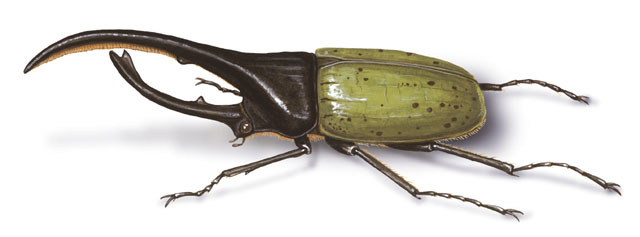
The rainbow dung beetle is a medium-sized beetle, typically measuring between 1.5 and 2.5 centimeters in length. Its most striking feature is its intense metallic iridescence. The pronotum (the area behind the head) is often a brilliant copper or gold, while the elytra (wing covers) are typically a deep metallic green. Males are easily distinguished by a large, backward-curving horn on their head, which they use in battles with other males. Females lack this horn or have only a small tubercle.
The body is robust and rounded, with strong, spurred legs adapted for digging and rolling dung. The antennae are lamellate (fan-like), which are highly sensitive to the smell of fresh dung. While Phanaeus vindex is a North American species, the name is often used popularly to refer to similar, closely related iridescent Phanaeus species found in South America and the Pantanal. In the context of the Pantanal, it is more probable that one is speaking of one of these Neotropical Phanaeus species exhibiting iridescence.
These Neotropical Phanaeus species occur in various regions of Brazil, including the Pantanal biome. Within the Pantanal, their occurrence encompasses the sub-regions of Nhecolândia, Abobral, Miranda, and Aquidauana, favoring areas with greater availability of herbivore dung. They can be found both in floodplains and in the upland areas of forest islands and woods.
Habitat
In the Pantanal, Phanaeus species resembling the “Rainbow Dung Beetle” inhabit a variety of environments, exhibiting ecological plasticity. They prefer well-drained soils but are also common in seasonally flooded areas, provided there are elevated spots suitable for nest construction.
These beetles are often found in:
- Open fields and pastures: Areas with high concentrations of cattle, horses, and other wild herbivores (such as capybaras and deer), which supply the primary food source (dung).
- Riparian forests and forest islands: Forested regions bordering rivers and streams, or vegetation islands within fields. The shade and moisture of these areas are favorable, and the presence of wild mammals ensures a steady supply of feces.
- Edges of bays and small waterways: Although they avoid permanently flooded zones, the margins of these water bodies—with denser vegetation and more humid soils—can harbor populations.
- Pantanal Cerrado and Chaco: In transitional areas to the Cerrado and the Chaco, where vegetation consists of shrubs and trees, they can also be found, especially in places inhabited by mammals.
Availability of fresh dung and suitable soil composition for digging galleries are crucial factors determining habitat choice.
Behavior
Species of Phanaeus in the Pantanal are predominantly diurnal, although some activities may extend into twilight. They are excellent fliers, allowing them to quickly locate new dung sources. Upon landing, they exhibit active searching behavior, using their lamellate antennae to detect odors.
Burial Behavior: Their main behavioral activity involves digging galleries beneath the dung. Males and females cooperate to excavate tunnels and chambers where dung is stored and shaped into “balls” or “patties” for feeding and nesting.
Territoriality and Combat: Males are highly territorial and display ritualized combat for access to females and nesting resources (dung piles). The cephalic horn is used in these disputes as males attempt to lift and overturn opponents. Smaller males without prominent horns (“minor” males) may adopt alternative strategies, such as digging secondary tunnels to access females without confronting larger males.
Parental Care: Phanaeus exhibits remarkable parental care. After oviposition in the dung balls, the female (and sometimes the male) remains in the chamber protecting the eggs and developing larvae. This behavior is relatively rare among insects and is critical for offspring survival.
Defense: When threatened, they may feign death (thanatosis) or attempt to escape by flight. Their hard carapace provides some protection against predators.
Feeding
Phanaeus species are obligate coprophagous beetles, meaning their diet consists exclusively of the feces of other animals. In the Pantanal, the main food source is the dung of large herbivores.
- Mammal Feces: They prefer the dung of herbivorous mammals such as cattle (introduced species), horses (introduced), capybaras (Hydrochoerus hydrochaeris), deer, and wild herbivores native to the region.
References
[1] IUCN. (2014). Phanaeus vindex. The IUCN Red List of Threatened Species. Available at: https://www.iucnredlist.org/species/139535384/139535388 [2] EMBRAPA PANTANAL. (2010). Biodiversity of Insects in the Pantanal. Embrapa Pantanal. Available at: https://www.embrapa.br/pantanal/publicacoes [3] ALHO, C. J. R. (2008). Biodiversity of the Pantanal. Editora UNIDERP. [4] HALFFTER, G.; EDMONDS, W. D. (1982). The Nesting Behavior of Dung Beetles (Scarabaeinae): An Ecological and Evolutionary Perspective. Instituto de Ecología. [5] LOPES, J.; VAZ-DE-MELLO, F. Z. (2011). Coprophagous beetles (Coleoptera: Scarabaeidae: Scarabaeinae) in forest fragments and pastures of Nhecolândia Pantanal, Mato Grosso do Sul, Brazil. Revista Brasileira de Entomologia, 55(3), 395-402. [6] SOS PANTANAL. (2024). The Importance of Invertebrates in the Pantanal. SOS Pantanal. Available at: https://sospantanal.org.br/a-importancia-dos-invertebrados-no-pantanal/