
Chrysomus ruficapillus (Chestnut-capped Blackbird): Chestnut-capped Blackbird of the Pantanal
Introduction
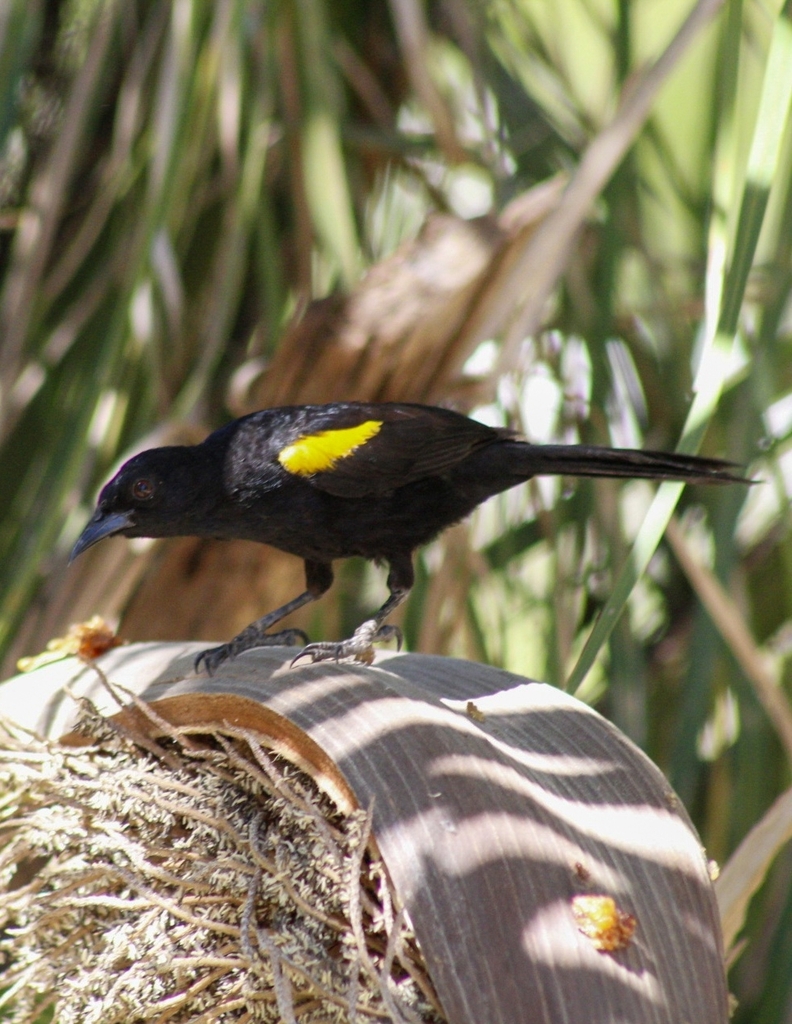
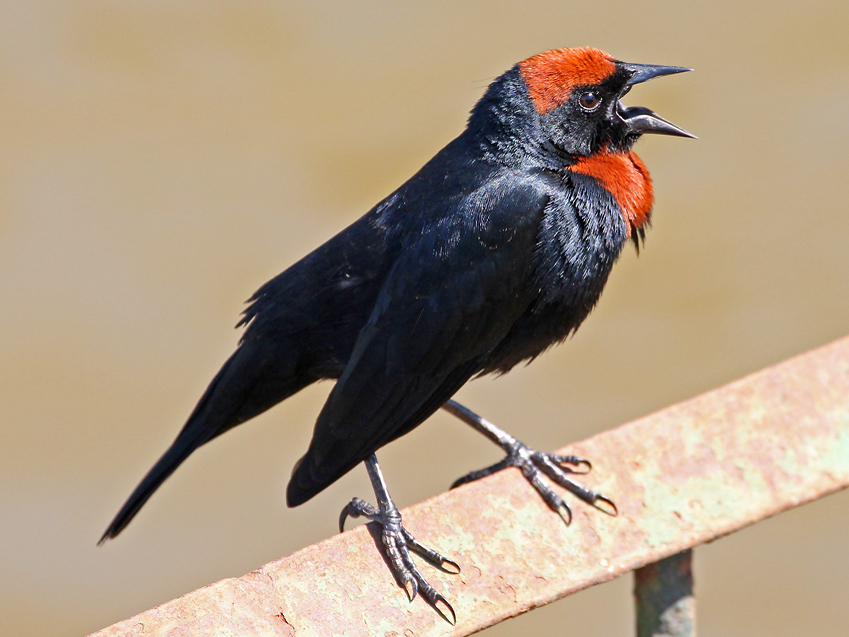
The chestnut-capped blackbird (Chrysomus ruficapillus) is one of the most characteristic species of the Pantanal avifauna. The male features glossy black plumage and a reddish-brown head (ruficapillus = red-haired). This species is part of the rich bird diversity of the Pantanal, a biome that hosts more than 650 species and is considered one of the best birdwatching destinations in the world [1] [2].
Scientific Classification
| Category | Classification |
|---|---|
| Kingdom | Animalia |
| Phylum | Chordata |
| Class | Aves |
| Order | Passeriformes |
| Family | Icteridae |
| Genus | Chrysomus |
| Species | Chrysomus ruficapillus |
| Common Name | Chestnut-capped Blackbird |
Description
Male with glossy black plumage and a reddish-brown head. Female with streaked brown plumage. Conical and pointed bill. Red eyes in the adult male. Length ranges between 18-20 cm and weight between 40-55 g.
Geographic Distribution
Central and southern Brazil, Bolivia, Paraguay, Uruguay, and Argentina. In the Pantanal, it is very common in flooded fields and along bay margins.
Habitat
Wet fields, marshes, riverbanks, and lakes with emergent vegetation (cattail, bulrush). Forms large flocks in the flooded fields of the Pantanal.
Behavior
Highly gregarious — forms large, noisy flocks, especially outside the breeding season. Forages on the ground or in aquatic vegetation. Often seen in mixed flocks with other blackbirds.
Diet
Insects, seeds, and small invertebrates. Forages in wetlands and agricultural fields.
Reproduction
Nests in colonies in marshes. Cup-shaped nest attached to aquatic vegetation. Lays 2-3 light blue eggs with dark spots. Incubation: 12-14 days.
Conservation Status
Least Concern (LC) according to the IUCN. Very common in the Pantanal.
References
[1] SICK, H. (1997). Ornitologia Brasileira. Nova Fronteira. [2] TUBELIS, D.P.; TOMAS, W.M. (2003). Bird species of the Pantanal wetland, Brazil. Ararajuba, v.11, n.1. [3] DEL HOYO, J. (1992). Handbook of the Birds of the World. Lynx Edicions. [4] IUCN. (2023). Chrysomus ruficapillus. The IUCN Red List of Threatened Species. [5] COLLAR, N.J. (1992). Threatened Birds of the Americas. ICBP.