
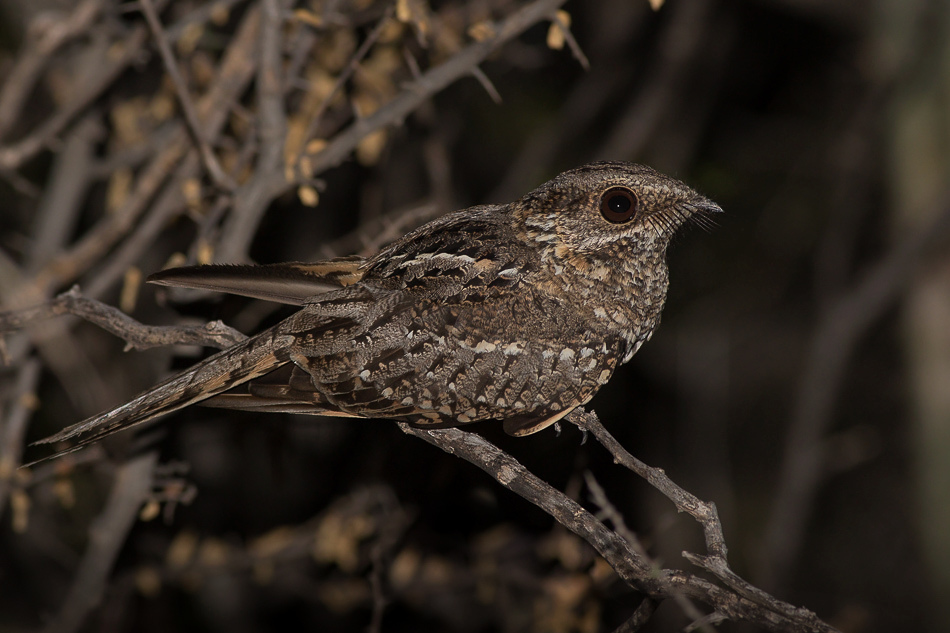
Hydropsalis torquata (Scissor-tailed Nightjar): Scissor-tailed Nightjar of the Pantanal
Introduction
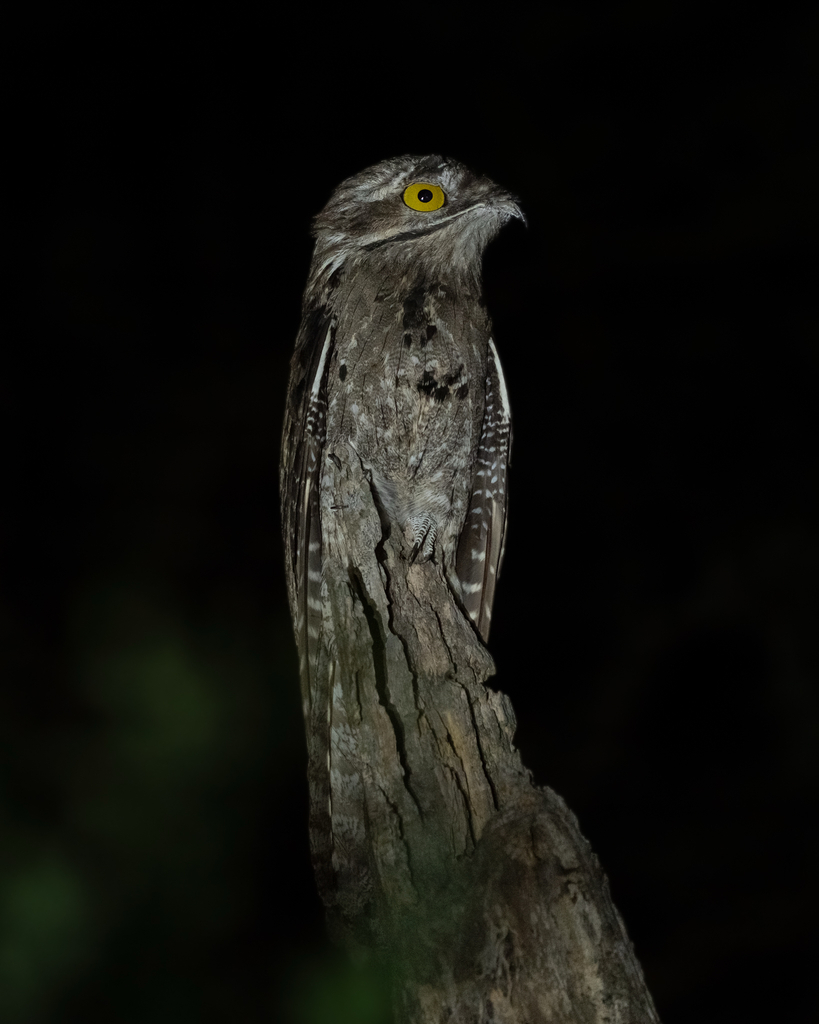
The scissor-tailed nightjar (Hydropsalis torquata) is one of the most characteristic species of the Pantanal avifauna. A nocturnal bird with cryptic plumage — brownish-gray with streaks and spots that mimic tree bark. This species is part of the rich diversity of birds in the Pantanal, a biome that hosts more than 650 species and is considered one of the best destinations in the world for birdwatching [1] [2].
Scientific Classification
| Category | Classification |
|---|---|
| Kingdom | Animalia |
| Phylum | Chordata |
| Class | Aves |
| Order | Caprimulgiformes |
| Family | Caprimulgidae |
| Genus | Hydropsalis |
| Species | Hydropsalis torquata |
| Common name | Scissor-tailed Nightjar |
Description
A nocturnal bird with cryptic plumage — brownish-gray with streaks and spots that mimic tree bark. The male has an extremely long and forked tail in the shape of scissors (hence the name). Large and bright eyes. Huge mouth for capturing insects in flight. Length varies between 28-40 cm (male with tail up to 40 cm) and weight between 50-70 g.
Geographical Distribution
Central and southern Brazil, Bolivia, Paraguay, Uruguay, and Argentina. In the Pantanal, it is found in dry fields and forest edges.
Habitat
Open fields, cerrado, forest edges, and areas with low vegetation. Active exclusively at night.
Behavior
Nocturnal and cryptic — during the day it rests motionless on the ground or on branches, practically invisible. At night, it flies silently capturing insects in flight. The male displays the long tail in courtship displays. Frequently observed on Pantanal roads at night.
Feeding
Nocturnal insects captured in flight — moths, beetles, crickets, and others. The huge mouth works like a net to capture prey.
Reproduction
Does not build a nest — lays 1-2 eggs directly on the ground, in a shaded area. Incubation: 18-20 days. Precocial chicks.
Conservation Status
Least Concern (LC) by the IUCN. Common in the Pantanal.
References
[1] SICK, H. (1997). Ornitologia Brasileira. Nova Fronteira. [2] TUBELIS, D.P.; TOMAS, W.M. (2003). Bird species of the Pantanal wetland, Brazil. Ararajuba, v.11, n.1. [3] DEL HOYO, J. et al. (1992). Handbook of the Birds of the World. Lynx Edicions. [4] IUCN. (2023). Hydropsalis torquata. The IUCN Red List of Threatened Species. [5] COLLAR, N.J. et al. (1992). Threatened Birds of the Americas. ICBP.