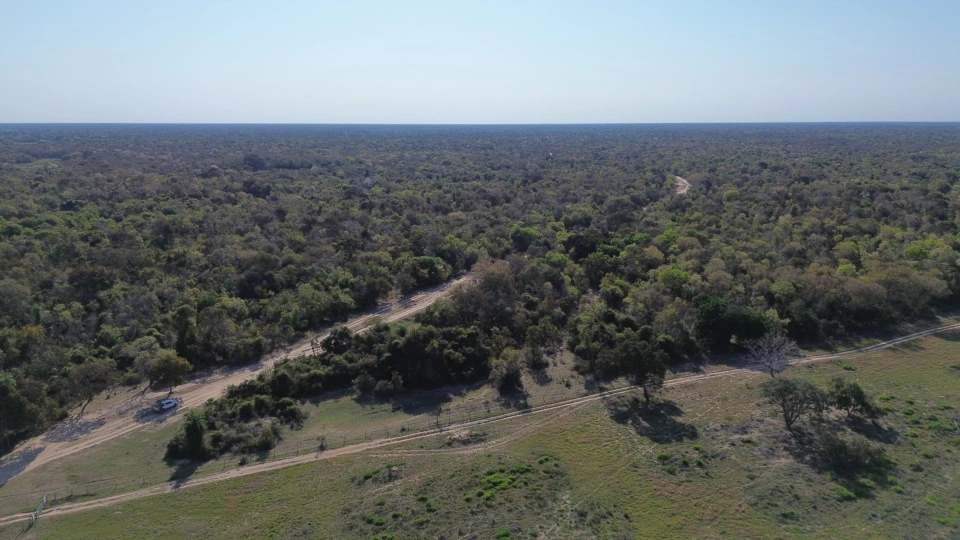

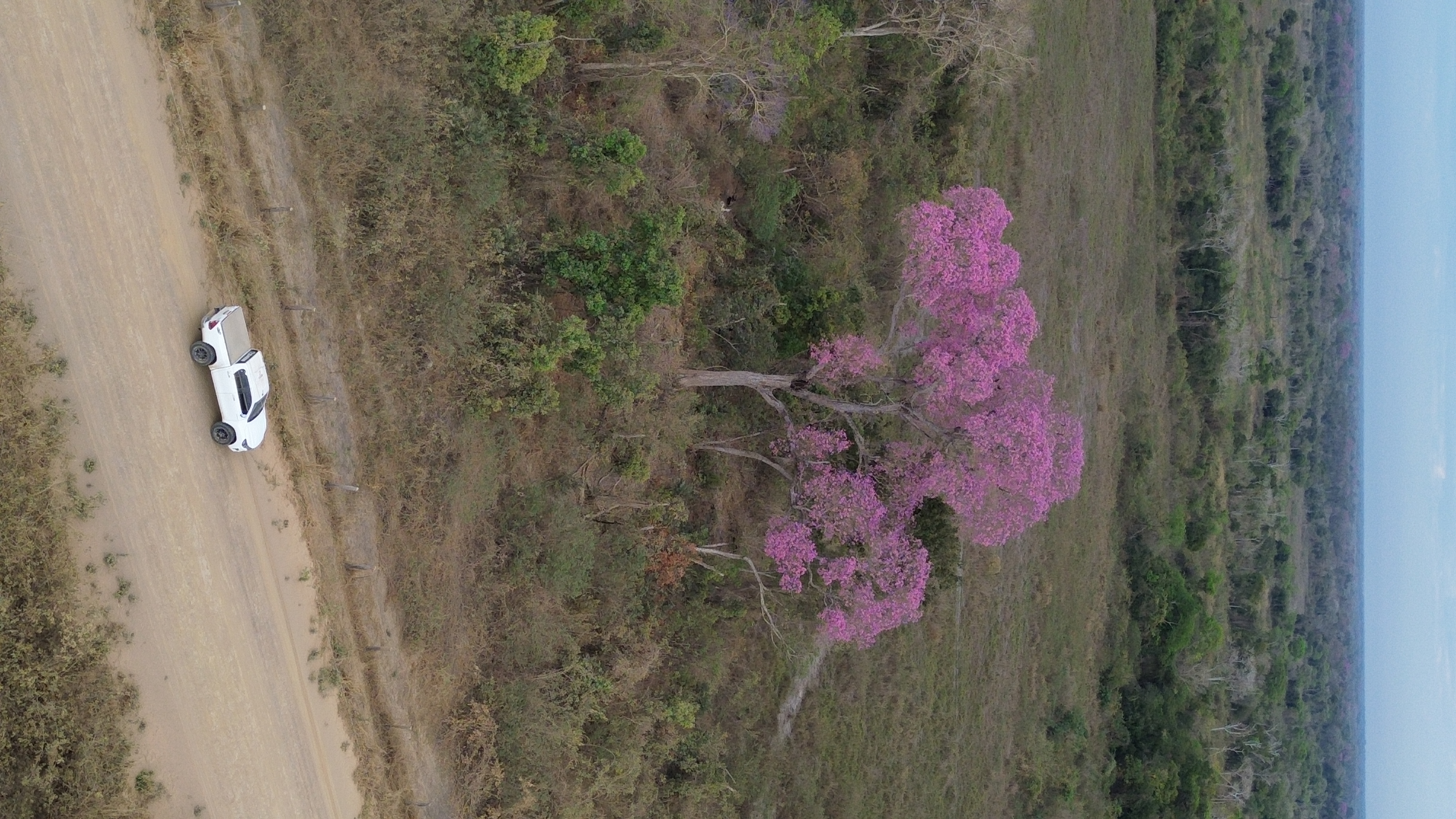
The Pantanal, known for its exuberant biodiversity and aquatic landscapes stretching to the horizon, reveals one of its most beautiful transformations with the arrival of winter. Far from the torrential summer rains, the dry season brings with it a breathtaking natural phenomenon: the blooming of the ipê trees. These majestic trees, which dot the vast plain, explode in vibrant colors, painting the scenery with shades of golden yellow, hot pink, intense purple, and pure white, creating a stunning contrast with the remaining green vegetation and the blue sky.
A Symphony of Colors in the Heart of Brazil
The ipê bloom in the Pantanal is not an isolated event but a symphony that unfolds throughout the drier months, usually from June to September. Each ipê species has its own flowering time, ensuring the spectacle is prolonged. The purple ipês (Handroanthus impetiginosus) and pink ipês (Handroanthus heptaphyllus) are often the first to blossom, covering their tree crowns with a dense mantle of flowers. Next come the yellow ipês (Handroanthus serratifolius and Handroanthus chrysotrichus), which dominate the landscape with their golden glow, and finally, the rarer white ipês (Handroanthus roseoalba), which add a touch of delicacy and purity to the scene.
For local residents, Pantanal cowboys, riverside dwellers, and tourists alike, the bloom is an unmistakable sign. It promises sunny days, rivers receding to expose beaches and facilitate wildlife observation. But it is, above all, a reminder of nature's intrinsic beauty and capacity for renewal. The dirt roads cutting through farms and the trails winding through the riparian forest transform into colorful corridors, inviting contemplation and photography.
An Ecological and Cultural Landmark
Beyond its aesthetic beauty, the ipê bloom holds deep ecological significance for the Pantanal. Flowering occurs precisely during the dry season, a period of water stress for many plants. The trees shed their leaves before flowering, a strategy to conserve water, and then burst into a spectacle of colors that attracts a myriad of pollinators, such as bees, hummingbirds, and butterflies. These interactions are crucial for plant reproduction and the maintenance of local biodiversity.
For Pantanal wildlife, ipê flowers also represent a food source, offering nectar and pollen at a time when other resources may be scarce. It is common to observe birds like parrots and macaws feeding on the flowers, adding even more color and life to the spectacle.
Culturally, the ipê is a symbol of resilience and beauty. Its wood is valued, but it is its flower that captures people's imagination and hearts. In many Pantanal communities, the bloom is celebrated in local festivals and events, reinforc