
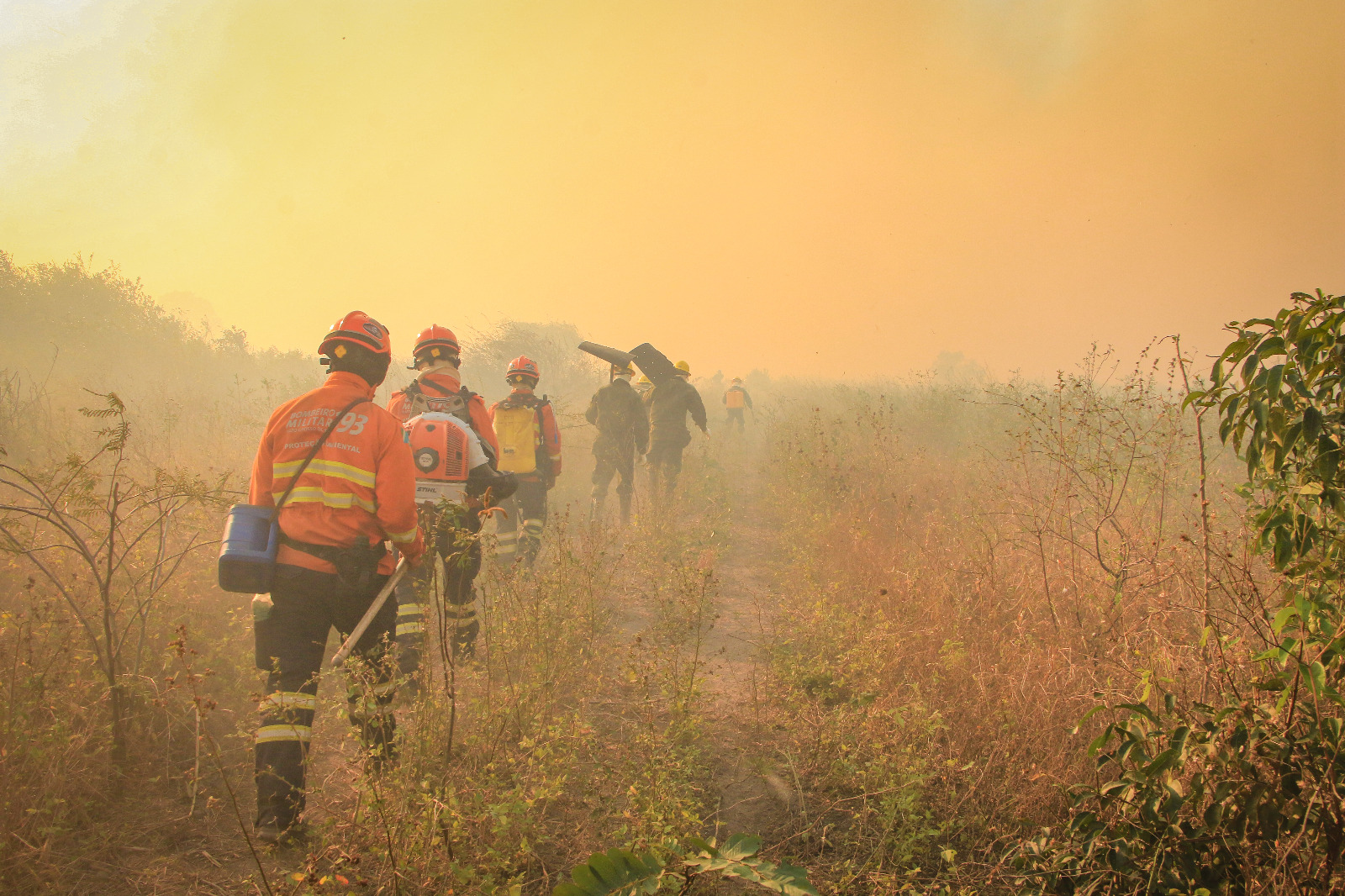
Campo Grande, MS – The Pantanal, a jewel of South American biodiversity, is once again under threat. January 2026 marked a worrying start to the year for the biome, with an unprecedented 323% increase in the number of heat spots detected by satellite, compared to the same period in 2025. The news, echoing through environmental institutions and local communities, rekindles the debate about the Pantanal's vulnerability to climate change and human action.
An Atypical and Worrying Start to the Year
Traditionally, January marks the peak of the rainy season in the Pantanal, a period when rivers overflow, flooding the plains and forming a mosaic of lakes and channels. This natural flooding gives the Pantanal its resilience and regenerative capacity. However, 2026 data indicates a worrying disruption to this cycle. Anticipated drought or irregular rainfall, combined with other factors, seems to have created conditions conducive to the proliferation of fires even during a period that should be one of abundant water.
Specialists from the National Institute for Space Research (INPE) and other environmental monitoring entities express deep concern. The more than threefold increase in heat spots in a month that should be for hydrological recovery suggests that the biome is facing extreme climatic conditions and, possibly, increasing anthropogenic pressure. The most affected areas appear to be concentrated in parts of the Pantanal that have already suffered from large fires in previous years, indicating a weakening of the ecosystem and greater susceptibility to new events.
Immediate Causes and Consequences
The causes behind this abrupt increase are multifaceted. Although detailed investigation is still underway, the combination of climatic and human factors is almost always at the root of the problem. Scarcity of rainfall or its poor distribution, rising average temperatures, and low air humidity create the perfect fuel for small outbreaks to quickly turn into large fires. Furthermore, human action, whether through controlled burns that get out of control, deforestation for pasture, or even criminal acts, continues to be a significant vector for the ignition of fires.
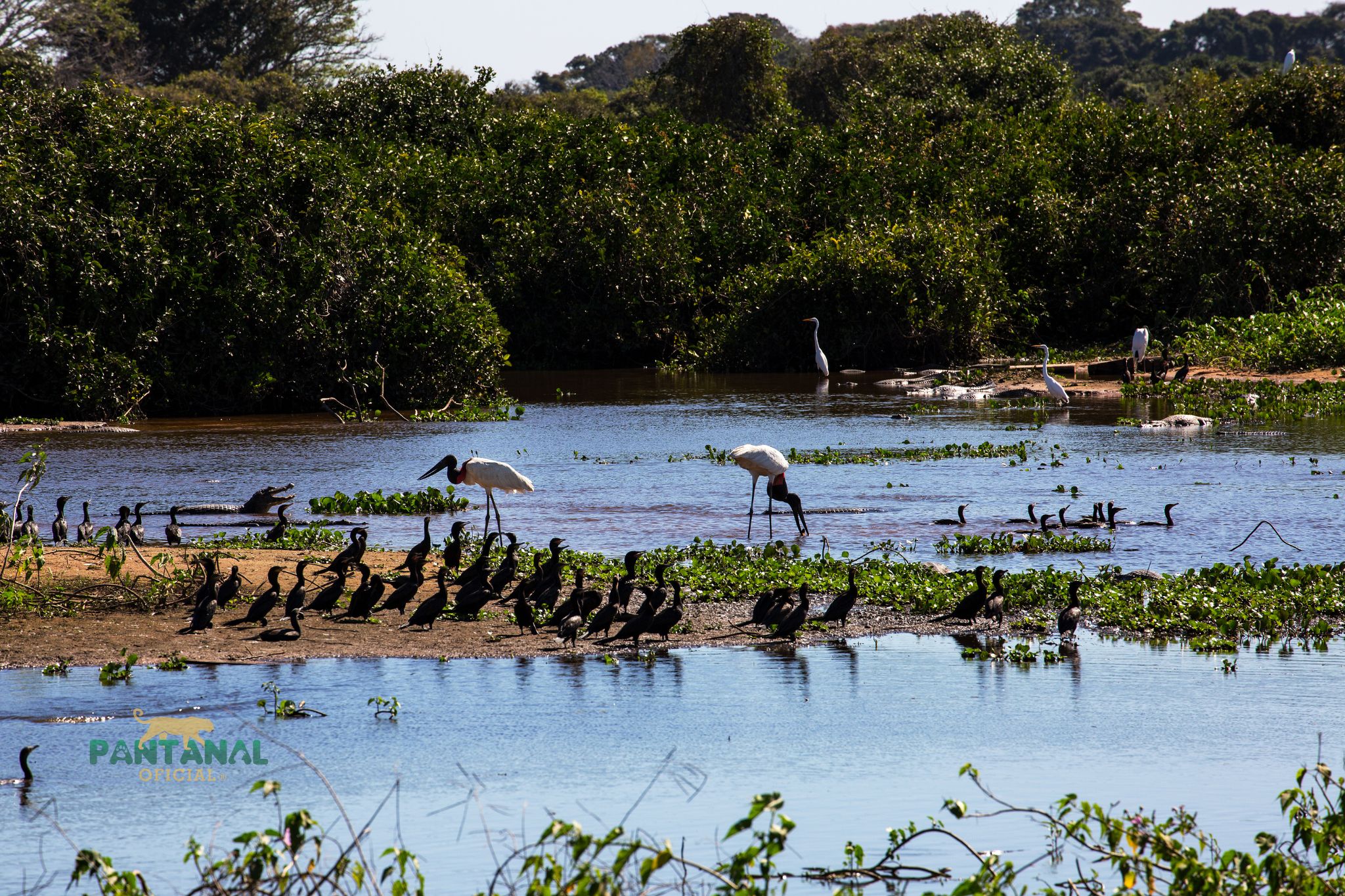
The immediate consequences are devastating. Dense smoke affects the respiratory health of thousands of people, both in Pantanal cities and in more distant urban centers. Wildlife, already weakened by past events, suffers from habitat loss, food scarcity, and the direct death of individuals. Iconic species such as jaguars, tapirs, and various aquatic birds are particularly vulnerable. The flora, adapted to cycles of flooding and drought, has its regenerative capacity tested to the limit, with the destruction of native vegetation that can take decades to recover, if it recovers completely.