
Introduction
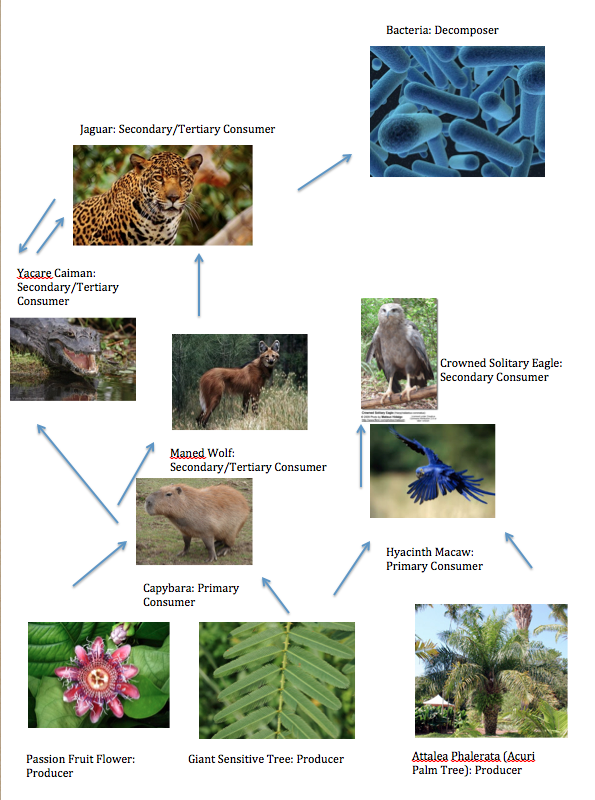
The Pantanal, recognized as the largest continuous floodplain on the planet, is home to one of the most dynamic and productive ecosystems on Earth. The complexity of its trophic webs and the efficiency of its energy flow are fundamentally governed by the flood pulse, a seasonal hydrological phenomenon that dictates the rhythm of life in the biome. This annual cycle of floods and droughts promotes a drastic alternation in the availability of habitats and food resources, forcing unique adaptations in local fauna and flora and establishing intricate connections between aquatic and terrestrial environments [1].
Understanding how solar energy is captured by primary producers and transferred through various trophic levels is essential for the conservation of this World Natural Heritage site. In the Pantanal, the food web is not a static structure but a resilient system that expands and contracts according to the volume of water. From the microscopic algae of the phytoplankton to the large top predators like the jaguar, each organism plays a vital role in maintaining ecological balance and the nutrient cycling that sustains the exuberant Pantanal biodiversity [2].
What Are Trophic Webs and Energy Flow?
Trophic webs represent the complex set of feeding interactions between the organisms of an ecosystem. Unlike a linear food chain, the trophic web illustrates the multiple connections where a single organism can occupy different trophic levels depending on its diet and life stage. In the context of the Pantanal, these webs are characterized by high connectivity and functional redundancy, which gives the system remarkable stability in the face of natural disturbances, although it makes it vulnerable to large-scale anthropogenic impacts [3].
Energy flow, in turn, refers to the transfer of chemical energy stored in organic matter from one trophic level to the next. This process is unidirectional and obeys the laws of thermodynamics: with each transfer, a significant part of the energy is dissipated in the form of heat through metabolism and cellular respiration. In the Pantanal, the efficiency of this flow is maximized by the rapid decomposition of organic matter during the receding phase, which makes essential nutrients available for the explosion of primary productivity that occurs at the beginning of each new flood cycle [4].
Main Characteristics
The trophic dynamics of the Pantanal are distinguished by their extreme seasonality and the strong integration between aquatic and terrestrial subsystems. During the rainy season, the plain is flooded, connecting rivers, bays, and channels (corixos), which allows for the dispersal of fish and the exploration of new food resources in previously dry areas. During the receding waters, the concentration of organisms in remaining water bodies creates unique opportunities for predators, intensifying trophic interactions at specific points in the landscape [5].
| Aspect | Description |
|---|---|
| Ecological Driver | The seasonal flood pulse that regulates productivity and connectivity. |
| Primary Productivity | High, sustained by aquatic macrophytes, phytoplankton, and gallery forests. |
| Connectivity | High integration between aquatic and terrestrial environments (energy transmission). |
| Nutrient Cycling | Rapid decomposition of plant and animal biomass, especially in the dry-to-flood transition. |
| Resilience | High recovery capacity based on species diversity and functional redundancy. |
The ecological pyramid of the Pantanal has a broad and diverse base. Primary producers, which include everything from native grasses to dense populations of macrophytes like the water hyacinth (Eichhornia crassipes), convert solar energy into biomass at impressive rates. This primary production sustains a wide range of primary consumers, which in turn feed the upper levels, ensuring that energy flows efficiently to large carnivores [6].
Involved Species / Associated Fauna
The fauna of the Pantanal is composed of specialists and generalists that have adapted to resource fluctuations. Some species act as true ecosystem engineers or key species, whose presence or absence can drastically alter the structure of the trophic web. Fish, for example, represent a fundamental link, serving as a bridge between aquatic primary production and terrestrial and aerial predators [7].
| Species | Role / Characteristic |
|---|---|
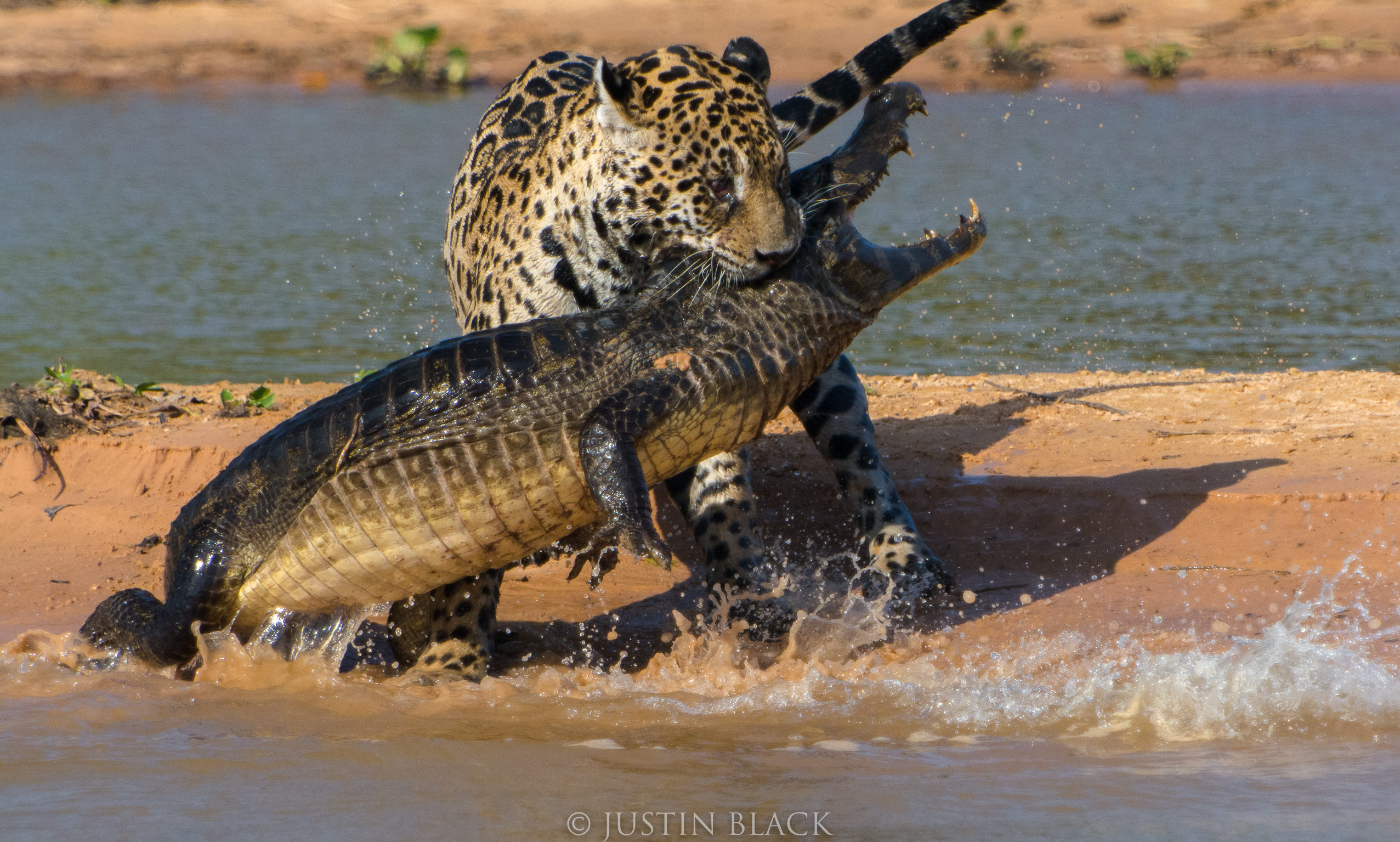
| Jaguar (Panthera onca) | Top predator; regulates populations of large herbivores and caimans. |
| Pantanal Caiman (Caiman yakare) | Secondary/tertiary consumer; important in aquatic nutrient recycling. |
| Curimbatá (Prochilodus lineatus) | Detritivorous fish; essential in energy transfer from sediment to the web. |
| Jabiru (Jabiru mycteria) | Secondary consumer; opportunistic predator of fish and invertebrates in shallow areas. |
| Giant Otter (Pteronura brasiliensis) | Aquatic top predator; controls fish populations and maintains river health. |
| Capybara (Hydrochoerus hydrochaeris) | Large herbivore; main link between terrestrial vegetation and top predators. |
In addition to large vertebrates, microfauna and invertebrates play crucial, often underestimated roles. Crustaceans, mollusks, and a multitude of aquatic insects process decomposing organic matter, making it available for fish and birds. This “invisible base” of the food pyramid is what allows the Pantanal to sustain such a large biomass of large animals in a relatively restricted area [8].
Dynamics and Processes
The dynamics of trophic webs in the Pantanal are intrinsically linked to the hydrological cycle, which acts as a “pulse” of life. During the rising waters phase, water overflows from riverbeds and floods adjacent plains, carrying mineral nutrients and dissolved organic matter. This nutrient input stimulates an explosion of primary productivity, especially of phytoplankton and aquatic macrophytes. The expansion of the aquatic environment opens new food niches for fish and invertebrates, which can now access forest areas and flooded fields to feed on fruits, seeds, and terrestrial insects [9].
In the full flood phase, hydrological connectivity reaches its peak. Energy flows freely between the various compartments of the ecosystem. Migratory fish, such as the surubim (Pseudoplatystoma corruscans) and the pacu (Piaractus mesopotamicus), take advantage of the abundance of resources to grow and accumulate energy reserves. The trophic web becomes extremely complex, with multiple pathways for energy transfer. However, the decomposition of submerged plant biomass can lead to the dequada (or decúndu) phenomenon, where a rapid drop in dissolved oxygen levels causes mass fish mortality, temporarily altering the web’s structure and favoring detritivorous and decomposer species [10].
With the arrival of the receding waters and the drought, the scenario changes drastically. As the waters recede, fish and other aquatic organisms become confined in remaining bays and channels. This massive concentration of biomass attracts a legion of predators. Piscivorous birds, such as the jabiru and the rufescent tiger heron, caimans, and giant otters take advantage of the ease of capturing prey. It is during this period that the transfer of energy from the aquatic to the terrestrial environment is most intense, as predators consume aquatic biomass and disperse it across the landscape through their waste or by serving as prey for terrestrial carnivores like the jaguar [11].
Impacts on the Ecosystem
The trophic webs of the Pantanal are sensitive to changes that affect energy flow or connectivity between habitats. The construction of dams and hydroelectric plants in the rivers that feed the plain (the Plateau) alters the natural regime of flood pulses, which can destabilize the synchrony between resource availability and the reproductive cycles of fauna. The reduction in flood intensity decreases the feeding area for fish and the primary productivity of macrophytes, impacting the entire ecological pyramid [12].
Another significant impact is the replacement of native vegetation with exotic pastures and monocultures. This change alters the base of the terrestrial trophic web, reducing the diversity of primary producers and, consequently, that of primary consumers (insects and small mammals). The loss of key species, such as large herbivores or top predators, can lead to a trophic cascade effect, where the absence of population control results in the overpopulation of certain species and habitat degradation for others [13].
Pollution from pesticides and heavy metals, such as mercury from historical mining, also represents a serious threat. These contaminants tend to bioaccumulate along the food chain, reaching dangerous concentrations in top predators. This biomagnification process not only threatens the survival of emblematic species but also compromises the human health of riverside populations that depend on fishing as their main protein source [14].
Adaptations of Fauna and Flora
The Pantanal biota has developed extraordinary adaptations to deal with extreme resource variability. Many aquatic plants, such as the water hyacinth, have aerenchyma tissues that allow for flotation and survival in waters with low oxygen content. During the drought, some grass species enter dormancy or produce resistant seeds that wait for the next flood to germinate, ensuring the continuity of primary production [15].
In fauna, trophic plasticity is a common adaptation. Many fish and bird species are opportunistic generalists, changing their diet according to seasonal availability. The Pantanal caiman, for example, can fast for long periods during severe drought or focus its diet on snails and crustaceans when fish are scarce. Mobility is another crucial strategy; migratory birds and large mammals move across vast areas in search of “patches” of abundant resources, optimizing energy capture in a constantly changing landscape [16].
Importance for Conservation
The conservation of trophic webs and energy flow is fundamental for maintaining the ecological integrity of the Pantanal. Protecting only isolated species is not enough; it is necessary to preserve the ecological processes that sustain them. This includes maintaining the natural hydrological regime, protecting gallery forests, and ensuring connectivity between the Pantanal and neighboring biomes, such as the Cerrado and the Amazon, which provide essential water and nutrients [17].
Sustainable management strategies, such as traditional Pantanal ranching, have proven to be compatible with the preservation of trophic webs, as they maintain the structure of native vegetation and allow for the coexistence of wild fauna. Strengthening protected areas and implementing ecological corridors are vital measures to ensure that energy flow continues to sustain life in this unique ecosystem, ensuring that future generations can witness the grandeur of Pantanal nature [18].
Curiosities
- The Pantanal is home to one of the highest densities of Pantanal caimans (Caiman yakare) in the world, with estimates of millions of individuals that play a crucial role in aquatic nutrient recycling.
- The jaguar (Panthera onca) in the Pantanal is significantly larger than its relatives in the Amazon, weighing up to 150 kg, due to the abundance of large and nutritious prey such as caimans and capybaras.
- The jabiru (Jabiru mycteria), the symbol bird of the Pantanal, builds monumental nests at the top of tall trees, such as the acuri palm, which serve as shelter for other smaller bird species, creating micro-networks of interaction.
- The water hyacinth (Eichhornia crassipes) can double its biomass in just two weeks under ideal conditions, acting as a natural biological filter and a massive source of primary productivity.
- Piranhas (Serrasalmus spp. and Pygocentrus nattereri) act as “cleaners” of the ecosystem, consuming carcasses and sick animals, which prevents the spread of pathogens and accelerates the cycling of organic matter.
References
[1] WWF BRAZIL. The Pantanal. Available at: https://www.wwf.org.br/nossosconteudos/biomas/pantanal/ [2] REVISTA DE CIÊNCIA ELEMENTAR. Brazilian Pantanal. Available at: https://rce.casadasciencias.org/rceapp/art/2025/018/ [3] SCIELO. Influence of the hydrological cycle on the diet and trophic structure of the ichthyofauna of the Cuiabá River. Available at: https://www.scielo.br/j/isz/a/khPpHBtnBBxcYV9yfWXx34j/?lang=pt [4] O ECO. Small notables: base of the food pyramid. Available at: https://oeco.org.br/colunas/21700-pequenos-notaveis-base-da-piramide-alimentar/ [5] EMBRAPA PANTANAL. Flood Dynamics and Ecology. Available at: https://www.embrapa.br/pantanal [6] RESEARCHGATE. Stable isotope ecology of the food webs of the Pantanal. Available at: https://www.researchgate.net/publication/292276607_Stable_isotope_ecology_of_the_Pantanal [7] SCIENCEDIRECT. Aquatic food webs of the oxbow lakes in the Pantanal. Available at: https://www.sciencedirect.com/science/article/abs/pii/S030438001300015X [8] MINISTRY OF THE ENVIRONMENT. Priority Areas for Conservation of the Pantanal. Available at: https://www.gov.br/mma/pt-br/assuntos/biodiversidade-e-biomas/biomas-e-ecossistemas/biomas/arquivos-biomas/cerrado_pantanal-1.pdf

.jpg/1280px-Brazil_Pantanal_Mato_Grosso_Do_Sul_Caiman_Yacaré_Close_under_the_Water_Salobra_River_(17067068247).jpg)