

Comportamento Animal
O fascinante comportamento dos animais do Pantanal: predação, reprodução e sobrevivência.
,_Tierpark_Hellabrunn,_Múnich,_Alemania,_2012-06-17,_DD_01.JPG/1280px-Anaconda_común_(Eunectes_murinus),_Tierpark_Hellabrunn,_Múnich,_Alemania,_2012-06-17,_DD_01.JPG)
Reproductive Behavior of the Green Anaconda (Eunectes murinus) in the Pantanal
The green anaconda ( _Eunectes murinus_), also known as the giant anaconda, is the world's largest snake by body mass and a keystone predator in the Pantanal wetlands.

Food Chain of the Pantanal Floodplains
The food chain of the Pantanal floodplains is a dynamic example of seasonal tropical ecosystems, shaped by the annual flood pulse.

Territorial Behavior of the Maned Wolf in the Pantanal
The maned wolf (*Chrysocyon brachyurus*), South America's largest canid, uses a unique scent-marking strategy to define its territory in the Pantanal.

Reproduction and Parental Care of the Giant Anteater (Myrmecophaga tridactyla) in the Pantanal
The giant anteater (*Myrmecophaga tridactyla*) is an iconic Neotropical mammal that exhibits a fascinating reproductive strategy centered on high maternal investment.
_female_Piquiri_River_2.JPG/1280px-Jaguar_(Panthera_onca_palustris)_female_Piquiri_River_2.JPG)
Hunting Behavior of the Jaguar (Panthera onca) in Pantanal Rivers
The jaguar (*Panthera onca*), the largest feline in the Americas, exhibits a remarkable adaptation in the Brazilian Pantanal: aquatic hunting of caimans and fish.
.jpg/1280px-Brazil_Pantanal_Mato_Grosso_Do_Sul_Caiman_Yacaré_Close_under_the_Water_Salobra_River_(17067068247).jpg)
Food Chain of Pantanal Rivers
The Pantanal basin, one of the world's largest continuous wetlands, is an ecosystem of unique complexity shaped by annual flood and drought cycles that deeply influence its biodiversity.
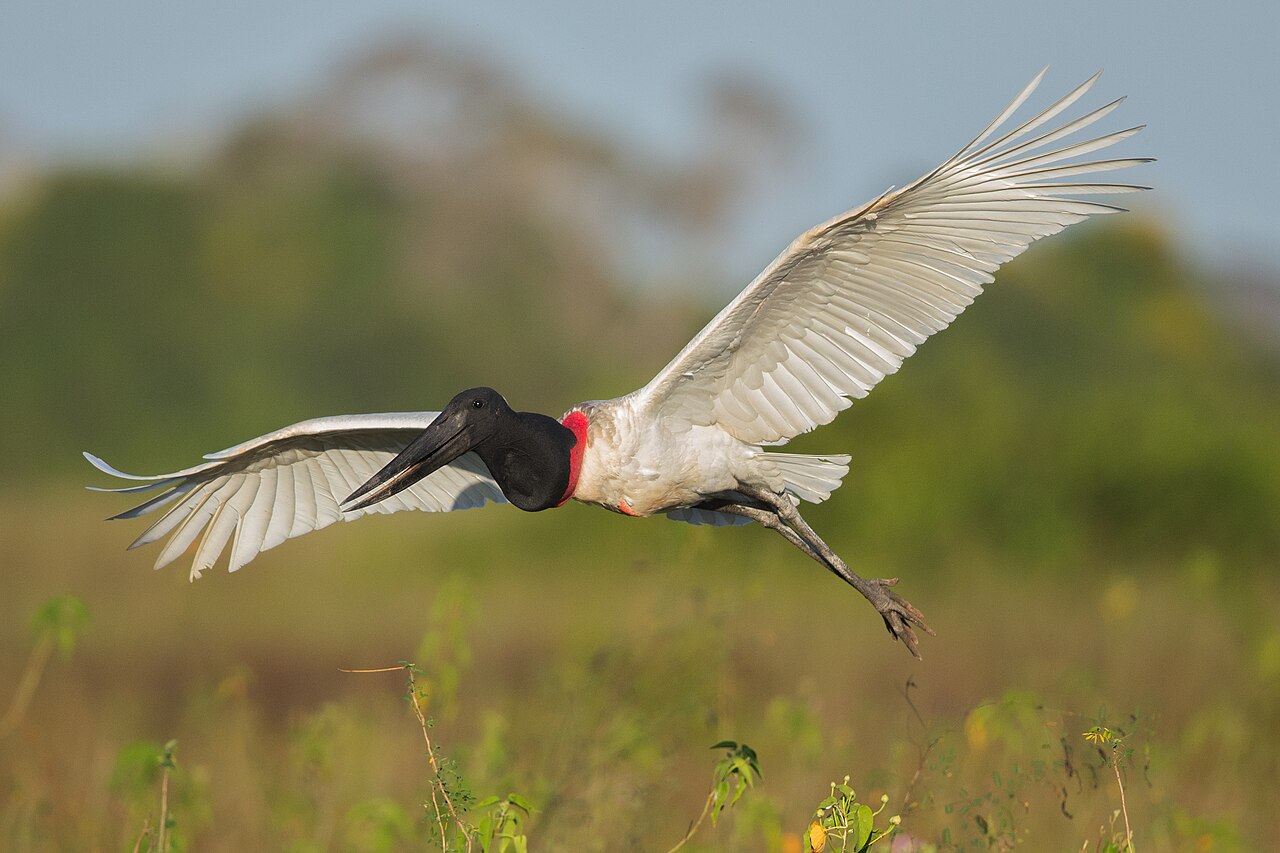
Migration and Reproduction of Waterbirds in the Pantanal
The Pantanal is a vital sanctuary for over 350 species of waterbirds, whose migration and reproduction are intricately tied to the biome's seasonal flood pulse.

Predation by the Giant Otter in the Pantanal
The giant otter (*Pteronura brasiliensis*), known as the 'river wolf,' is a top predator in the Pantanal, utilizing highly developed cooperative hunting strategies.
_on_capybara_(Hydrochoeris_hydrochaeris).JPG/1280px-Yellow-headed_caracara_(Milvago_chimachima)_on_capybara_(Hydrochoeris_hydrochaeris).JPG)
Social Behavior of the Capybara in the Pantanal
The capybara (*Hydrochoerus hydrochaeris*), the world's largest rodent, exhibits complex social structures and cooperative strategies essential for its survival in the Pantanal.

Reproduction of the Yacare Caiman (Caiman yacare)
The reproduction of the Yacare caiman (*Caiman yacare*) is a fascinating phenomenon deeply synchronized with the seasonal hydrological cycle of the Pantanal.
Hunting Strategies of the Maned Wolf (Chrysocyon brachyurus) in the Pantanal
The maned wolf (*Chrysocyon brachyurus*), South America's largest canid, employs specialized solitary hunting tactics adapted to the tall grasslands of the Brazilian Pantanal.

Territoriality of the Jaguar (Panthera onca) in the Pantanal
The jaguar, the largest feline in the Americas, finds one of its most important strongholds in the Brazilian Pantanal. Territoriality is a fundamental aspect of its ecology.
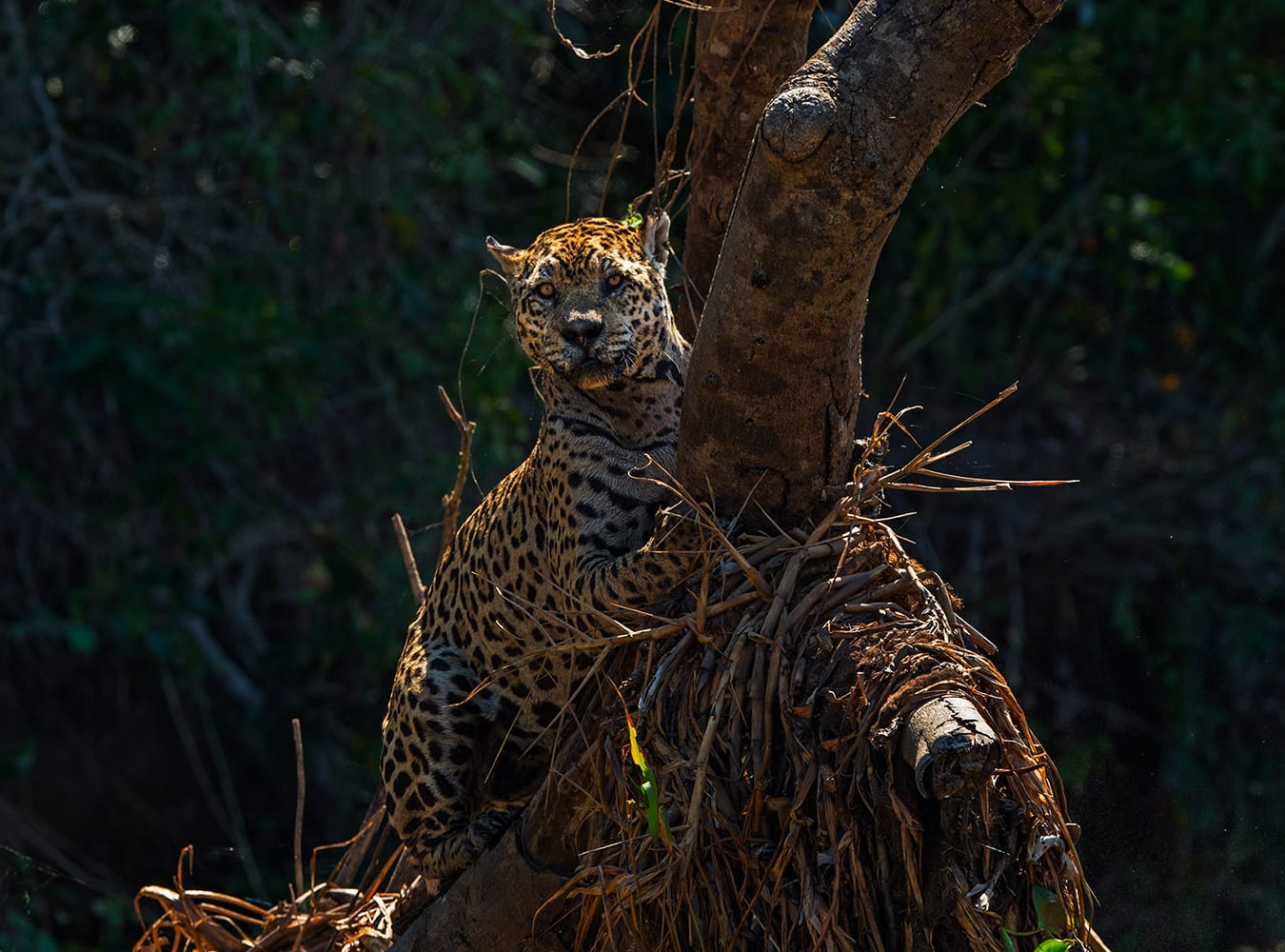
Reproductive Strategies of Pantanal Fauna
Discover how Pantanal fauna synchronize their reproduction with flood and dry cycles. Learn about the unique adaptations of fish, birds, and caimans in the biome.
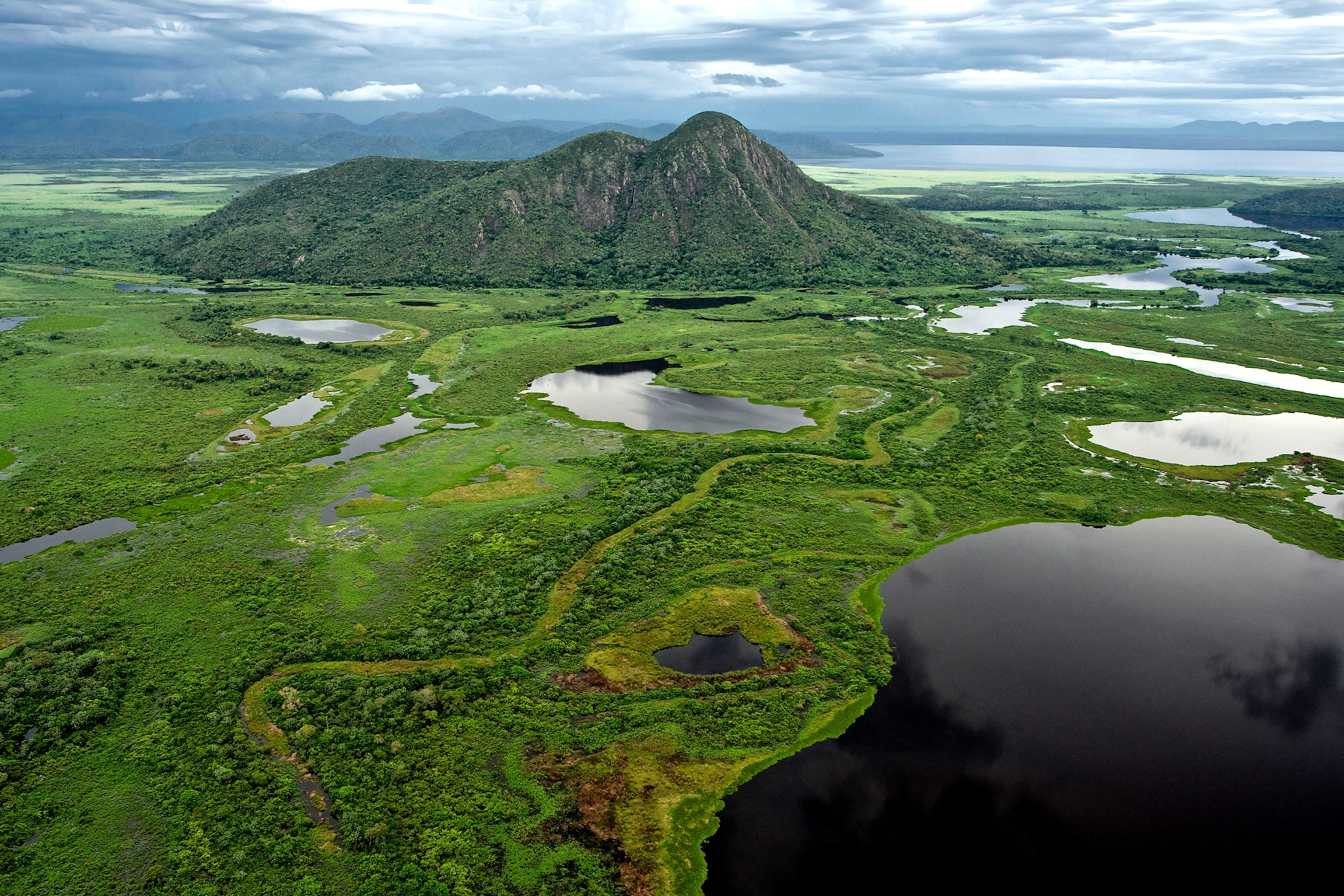
Animal Communication in the Pantanal
Explore the fascinating means of communication in Pantanal fauna. Learn about the vocal, chemical, and visual signals of species like the jaguar and jabiru.
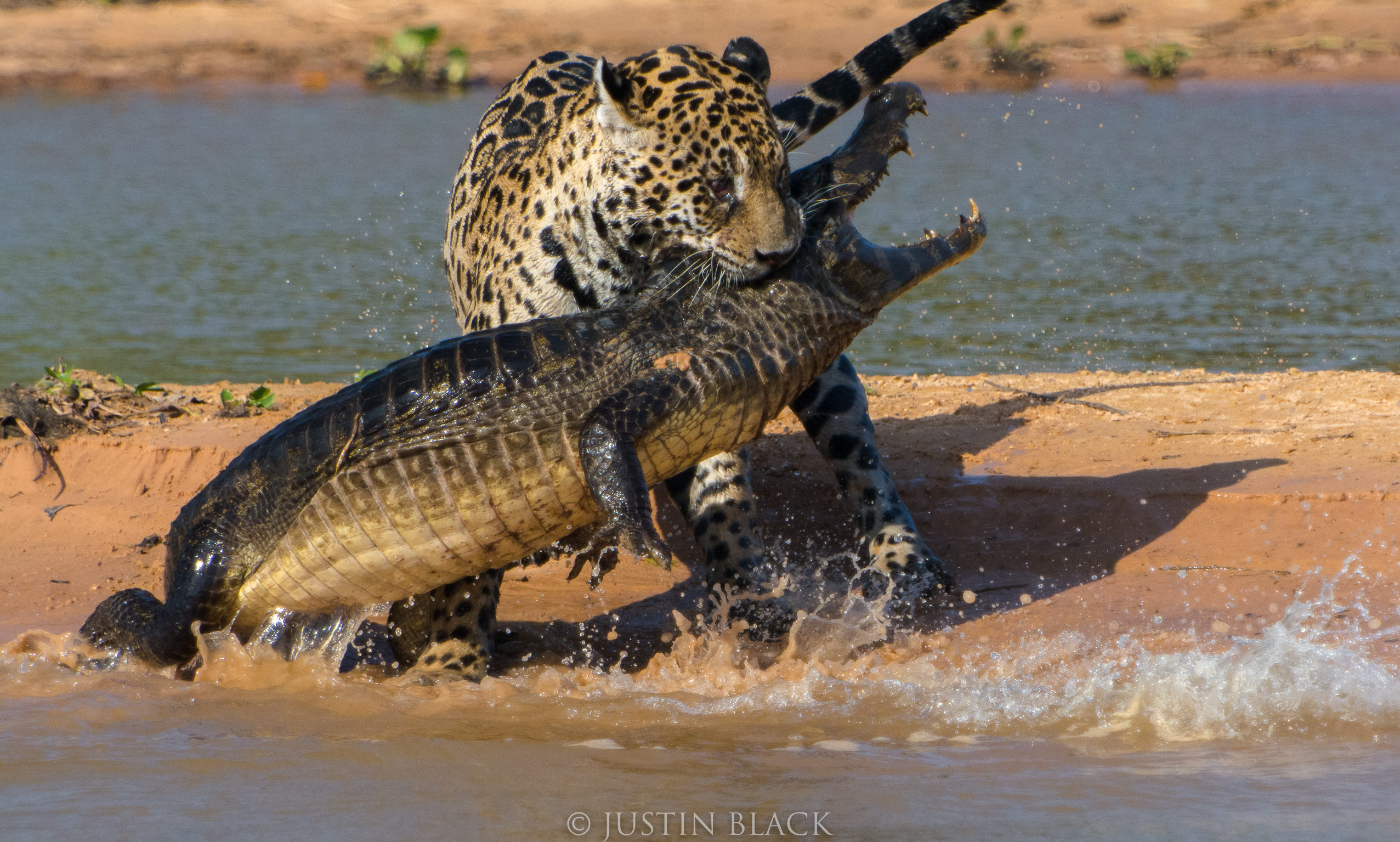
Trophic Webs and Energy Flow in the Pantanal
Discover how energy flows in the Pantanal, the importance of the flood pulse, key species, and the complex ecological pyramid of this unique biome.
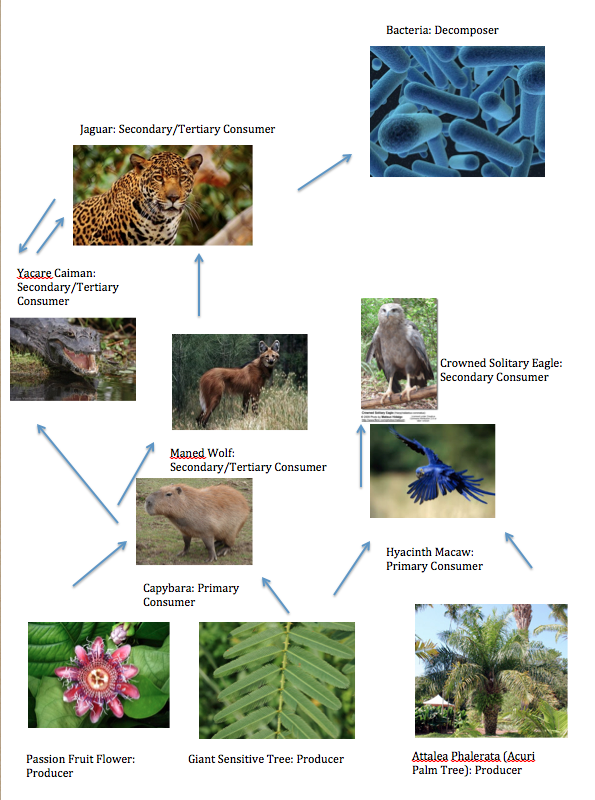
Pantanal Food Chain
Explore the complex food chain of the Pantanal, from producers and detritivorous fish to top predators like the jaguar and the Pantanal caiman.