
_on_capybara_(Hydrochoeris_hydrochaeris).JPG/1280px-Yellow-headed_caracara_(Milvago_chimachima)_on_capybara_(Hydrochoeris_hydrochaeris).JPG)
Social Behavior of the Capybara in the Pantanal
The capybara (Hydrochoerus hydrochaeris), the world’s largest rodent, is an emblematic species of the Brazilian Pantanal, where its presence is ubiquitous in aquatic habitats. Its ecology is intrinsically linked to the rivers, corixos, bays, and lagoons that characterize this vast floodplain. However, beyond its physiological adaptation to the aquatic environment, the social behavior of the capybara in the Pantanal is one of the most fascinating and complex aspects of its biology, revealing sophisticated strategies of organization and cooperation that ensure the species’ survival in a dynamic and challenging ecosystem. This article explores in depth the social structure, behavioral interactions, and ecological implications of the social behavior of capybaras in the Pantanal.
General Characteristics of the Capybara
The capybara is a semi-aquatic mammal belonging to the family Caviidae, which also includes guinea pigs. Its robust body, webbed feet, and sparse, reddish-brown fur are remarkable adaptations for life in the water. They can reach up to 1.30 meters in length and weigh over 60 kg, with females generally being slightly larger than males. Their dentition is adapted to an herbivorous diet, composed mainly of grasses and aquatic plants. In the Pantanal, the abundance of water and plant resources favors the proliferation of the species, making it a vital component of the food web.
Distribution and Occurrence in the Pantanal
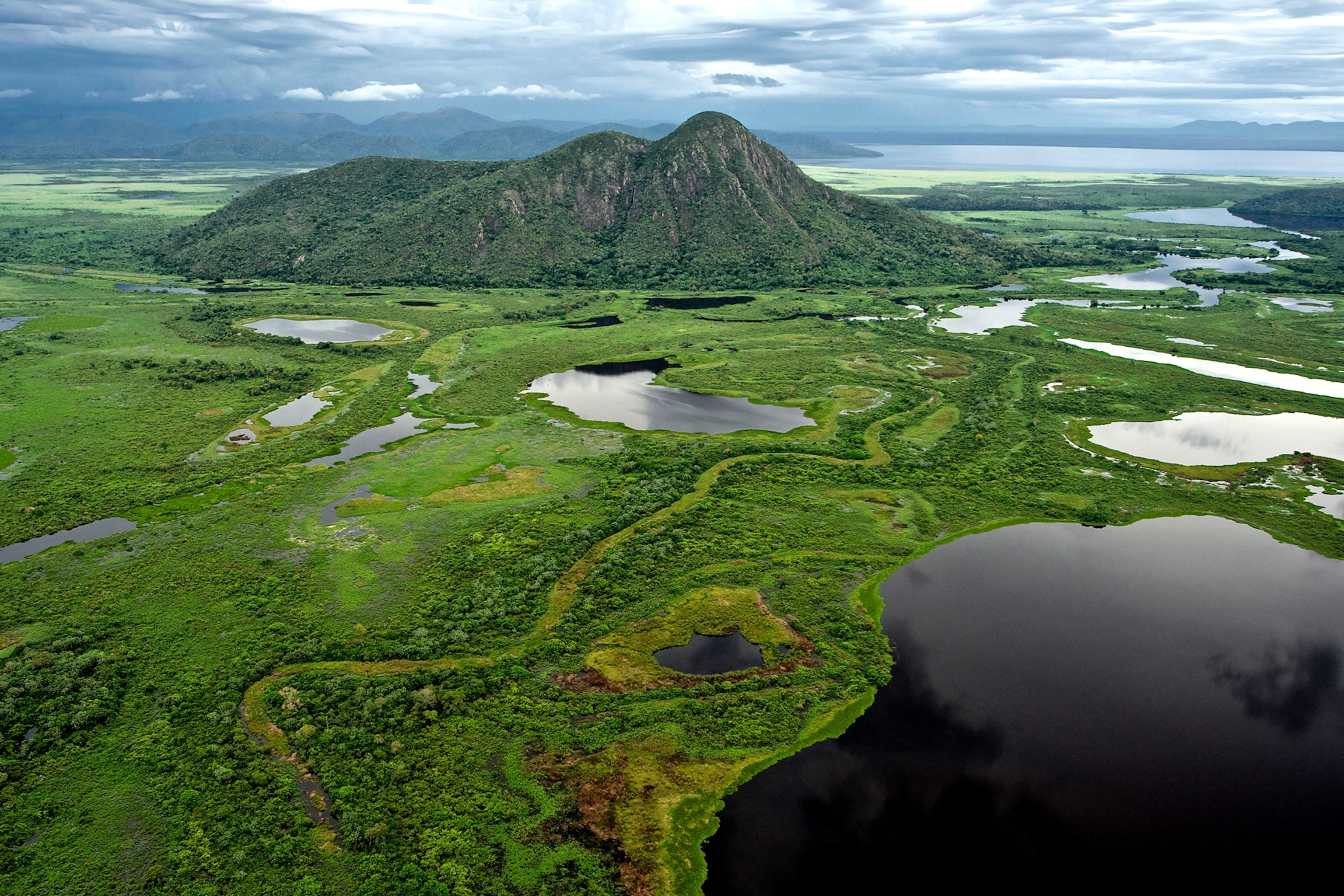
The capybara has a wide geographical distribution in South America, occurring from eastern Panama to central Argentina. In Brazil, it is found in practically all biomes that have permanent water bodies, but its highest concentration and population density are observed in the Pantanal. This floodplain, which covers parts of the states of Mato Grosso and Mato Grosso do Sul, as well as portions of Bolivia and Paraguay, offers the ideal habitat for the capybara due to its vast network of rivers, streams, lakes, and wetlands. The seasonal fluctuation of water levels in the Pantanal, with flood and dry periods, directly influences the distribution and population dynamics of capybaras, which concentrate in higher areas near water during the dry season and disperse through flooded areas during the flood.
Ecological Importance
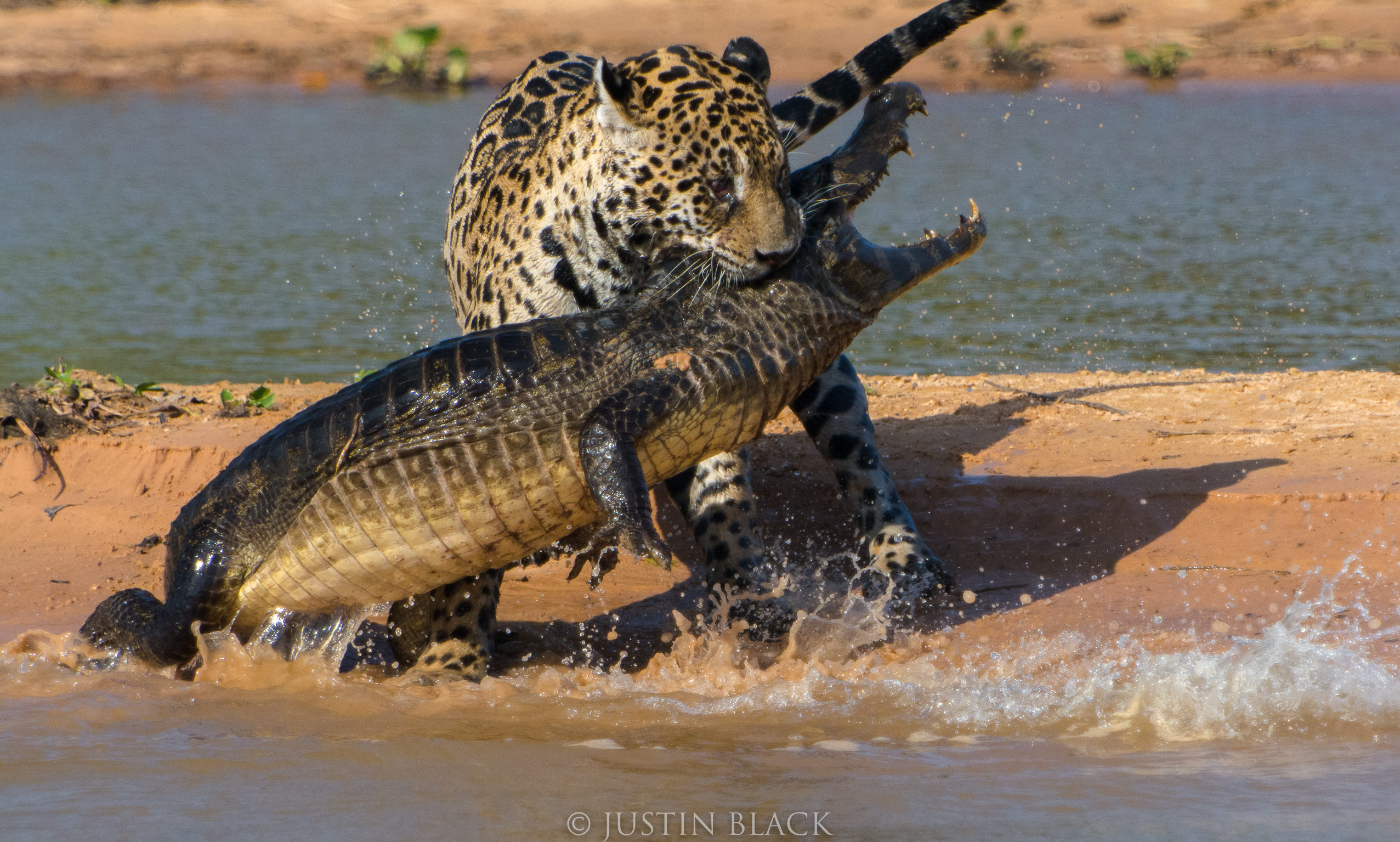
As a dominant herbivore, the capybara plays a crucial role in structuring the riparian and aquatic vegetation of the Pantanal. Its constant grazing helps control the growth of certain plant species, influencing floristic composition and resource availability for other species. Furthermore, capybaras serve as an important food source for large predators in the Pantanal, such as the jaguar (Panthera onca), the green anaconda (Eunectes murinus), and the black caiman (Melanosuchus niger), acting as a fundamental link in the trophic chain. Their presence can also influence the dynamics of diseases and parasites in the ecosystem, as they are hosts for ticks that can transmit diseases such as Rocky Mountain spotted fever.
Social Structure and Group Organization
The social behavior of the capybara is one of its most distinctive features. They are highly social animals, living in groups that typically range from 10 to 30 individuals, although larger groups with over 100 individuals can be observed in conditions of high population density or during dry periods when water resources become scarce and capybaras cluster around remaining water bodies.
Hierarchy and Group Composition
The social structure of capybara groups is hierarchical and well-defined. Each group is generally led by a dominant male, who is the primary breeder and the most active in defending the territory and the group. This dominant male is typically the largest and most robust in the group. In addition to the dominant male, the group is composed of several adult females (often related), their offspring of different ages, and a variable number of subordinate males. Subordinate males, often young or smaller in size, may try to challenge the dominant male but generally maintain a respectful distance and have limited access to females.
Group Dynamics and Dispersal
The dynamics of capybara groups are fluid. Offspring remain with their mothers for a considerable period, learning essential survival behaviors. Young males, upon reaching sexual maturity, may be expelled from the dominant group or disperse voluntarily in search of new reproductive opportunities or to form their own groups. Young females, on the other hand, tend to remain in their natal group, strengthening family ties and contributing to group stability. Male dispersal is an important mechanism for avoiding inbreeding and promoting genetic variability in the population.
Specific Social Behaviors
Group life for capybaras is marked by a series of social behaviors that promote cohesion, cooperation, and collective survival.
Allogrooming (Mutual Grooming)
Mutual grooming, or allogrooming, is a common and important social behavior among capybaras. Individuals use their teeth and snouts to clean each other’s fur, removing parasites such as ticks and dirt. This behavior not only contributes to individual hygiene but also plays a crucial role in strengthening social bonds and reducing stress within the group. Mutual grooming is frequently observed between females and their offspring, but it also occurs between adults of different sexes and hierarchies, indicating its importance in maintaining social cohesion.
Collective Vigilance Against Predators
Living in a group offers a significant advantage in detecting and defending against predators. Capybaras practice collective vigilance, where several individuals remain alert while others feed or rest. Upon perceiving a threat, such as the approach of a jaguar or a caiman, they emit alarm vocalizations that alert the entire group. This “many eyes” strategy increases the probability of early predator detection and allows the group to react in a coordinated manner, whether by fleeing to the water (where they are excellent swimmers and divers) or by grouping together to intimidate the predator. Collective vigilance is a classic example of the benefits of group life in environments with high predation pressure.
Communication through Vocalizations
Vocal communication is a fundamental aspect of the capybara’s behavioral repertoire. They have a varied repertoire of vocalizations, each with a specific meaning. Sounds such as barks, grunts, whistles, and clicks are used for different purposes:
- Alarm barks: Emitted when a predator is detected, alerting the group to imminent danger.
- Grunts: Can indicate contentment, submission, or irritation, depending on the context.
- Whistles: Used by offspring to call their mother’s attention or by individuals to maintain visual contact in dense vegetation.
- Clicks: May be used in close social interactions, such as during mutual grooming.
The complexity of their vocalizations allows for efficient communication within the group, coordinating activities and responding to environmental challenges.
Reproductive Behavior
Reproduction of capybaras in the Pantanal is not strictly seasonal, but birth peaks are observed during the rainy season (December to May), when food availability is higher. The dominant male has mating priority with the group’s females. Gestation lasts about 150 days, resulting in the birth of a litter of 2 to 8 offspring (average of 4). Offspring are precocial, born with open eyes and fur, and are able to swim a few hours after birth. The group’s females exhibit cooperative parental care behavior, where several females may nurse the offspring, including those of other mothers, a behavior known as alloparental nursing. This collective care increases the survival chances of the offspring in an environment with many predators.
Interactions with the Aquatic Environment
The aquatic environment is central to the social behavior of the capybara. Water serves as a refuge from terrestrial predators and as a source of food. During the day, capybaras frequently bathe and feed in water bodies. At night, they tend to move to drier areas to rest, although they remain close to the water. The ability to swim and dive for long periods is a crucial adaptation that directly influences their escape and foraging strategies, and group cohesion is maintained even during aquatic activities.
Conservation and Threats
The capybara, although not globally threatened with extinction, faces challenges in the Pantanal. Illegal hunting for meat and leather consumption, habitat degradation due to agribusiness expansion, and the use of pesticides that contaminate water bodies are some of the main threats. Furthermore, as hosts for ticks that transmit Rocky Mountain spotted fever, capybaras can be targets of control campaigns in areas near human settlements, which can impact their populations. The conservation of the Pantanal, with its intact wetlands and rich biodiversity, is fundamental for maintaining healthy capybara populations and preserving their complex social behavior. Sustainable management initiatives and the creation of conservation units are essential to ensure the future of this iconic species.
References
[1] ALHO, C. J. R.; REIS, M. L. (1989). Ecology of the capybara (Hydrochoerus hydrochaeris) in the Pantanal of Mato Grosso, Brazil. Revista Brasileira de Zoologia, 6(3), 497-508. Available at: https://www.scielo.br/j/rbzool/a/x879787wYgQJdG7fWqQx8Fm/?lang=en
[2] HERRERA, E. A.; MACDONALD, D. W. (1989). Resource utilization and territoriality in capybaras (Hydrochoerus hydrochaeris). Journal of Animal Ecology, 58(2), 667-679. Available at: https://www.jstor.org/stable/5119
[3] MOREIRA, J. R.; MACDONALD, D. W. (1997). Social organization and communication in capybaras, Hydrochoerus hydrochaeris. In: The Biology of the Capybara. Chapman & Hall, London.
[4] OJASTI, J. (1991). The capybara: its biology, use and conservation of a native South American rodent. International Union for Conservation of Nature and Natural Resources (IUCN), Gland, Switzerland. Available at: https://portals.iucn.org/library/sites/library/files/documents/SSC-OP-004.pdf
[5] PEREIRA, R. C.; LIMA, J. F.; DE ALMEIDA, R. A.; DE SOUZA, R. P. (2018). Ecologia e comportamento social de capivaras (Hydrochoerus hydrochaeris) em áreas urbanas e periurbanas. Revista Brasileira de Zoociências, 19(1), 1-10. Available at: https://periodicos.ufjf.br/index.php/zoociencias/article/view/28277
[6] WOODS, C. A.; KILPATRICK, C. W. (2005). Hydrochoeridae. In: WILSON, D. E.; REEDER, D. M. (Eds.). Mammal Species of the World: A Taxonomic and Geographic Reference. 3rd ed. Johns Hopkins University Press, Baltimore. Available at: https://www.departments.bucknell.edu/biology/resources/msw3/browse.asp?id=13400000
[7] WWF Brasil. Capivara. Available at: https://www.wwf.org.br/natureza_brasileira/areas_prioritarias/pantanal/especies_do_pantanal/capivara/