

Introduction
Phoneutria nigriventer, commonly known as the Brazilian Wandering Spider or Armed Spider (Aranha-armadeira), is a highly significant arachnid found in the regions surrounding and occasionally within the Brazilian Pantanal. It is widely recognized as one of the most venomous spiders in the world. In the Pantanal ecosystem, it represents a potent nocturnal predator, contributing to the complex balance of the terrestrial invertebrate community.
The name “wandering spider” refers to its habit of roaming the forest floor at night rather than residing in a permanent web or burrow. While its presence can pose a risk to humans due to its potent neurotoxic venom, it is an essential part of the region’s biodiversity. Understanding the ecology and behavior of Phoneutria nigriventer is crucial for both conservation efforts and public health awareness in the Pantanal and its surrounding areas.
Scientific Classification
| Category | Classification |
|---|---|
| Kingdom | Animalia |
| Phylum | Arthropoda |
| Class | Arachnida |
| Order | Araneae |
| Family | Ctenidae |
| Genus | Phoneutria |
| Species | Phoneutria nigriventer |
| Common name | Brazilian Wandering Spider |
Description
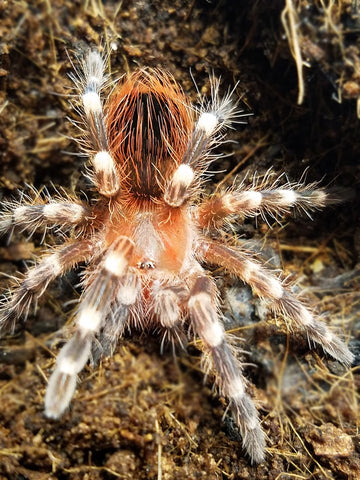
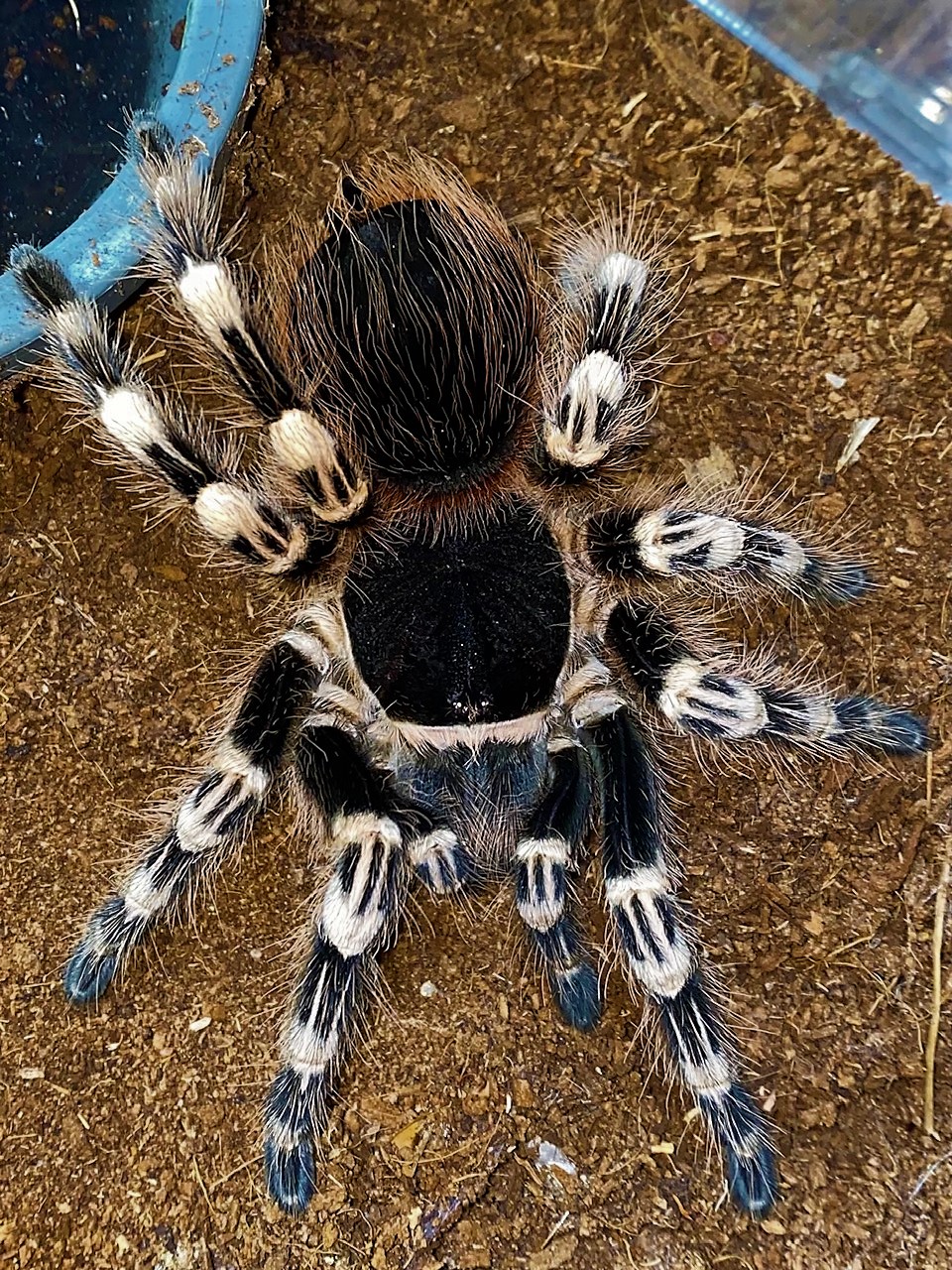
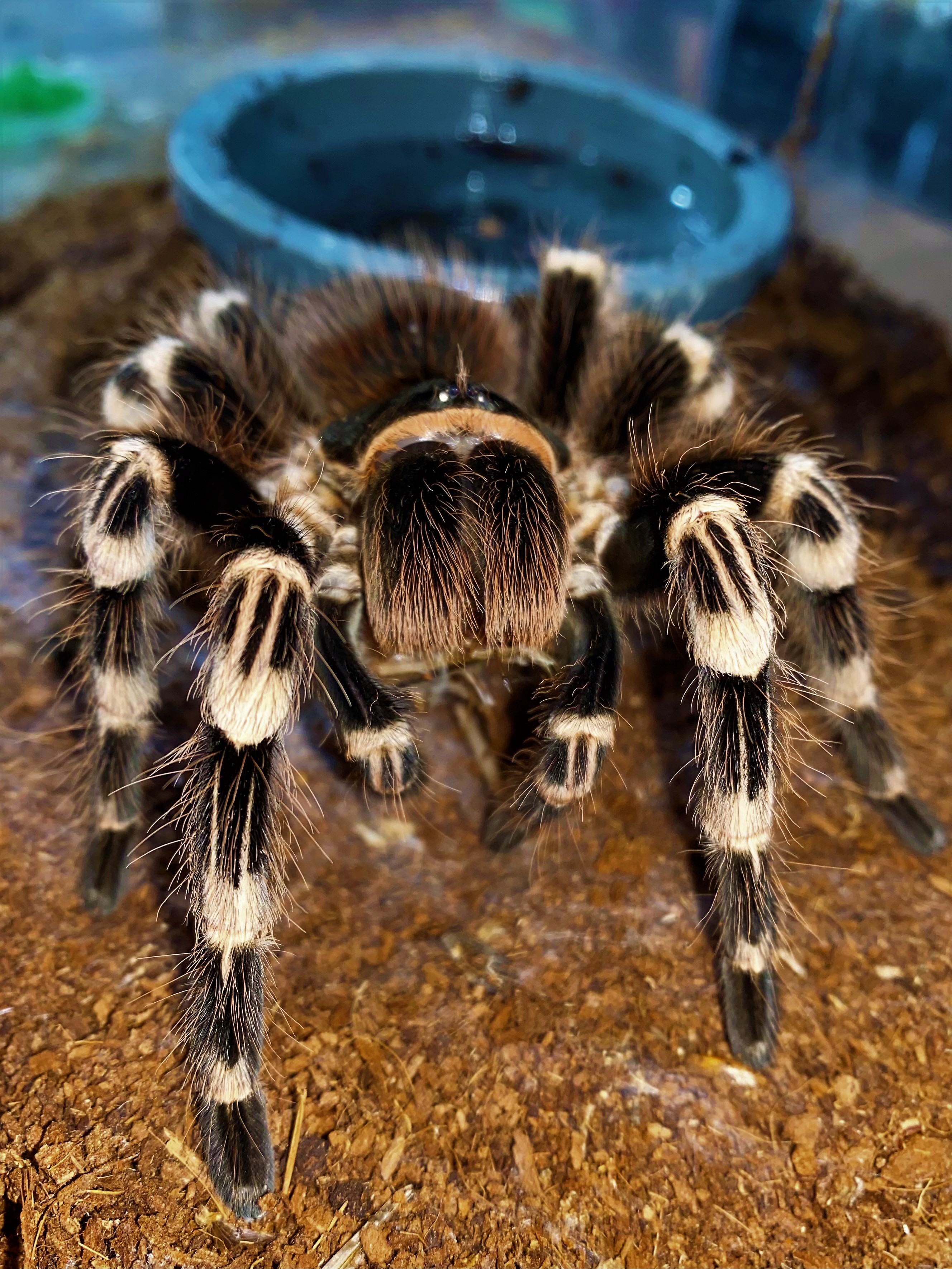
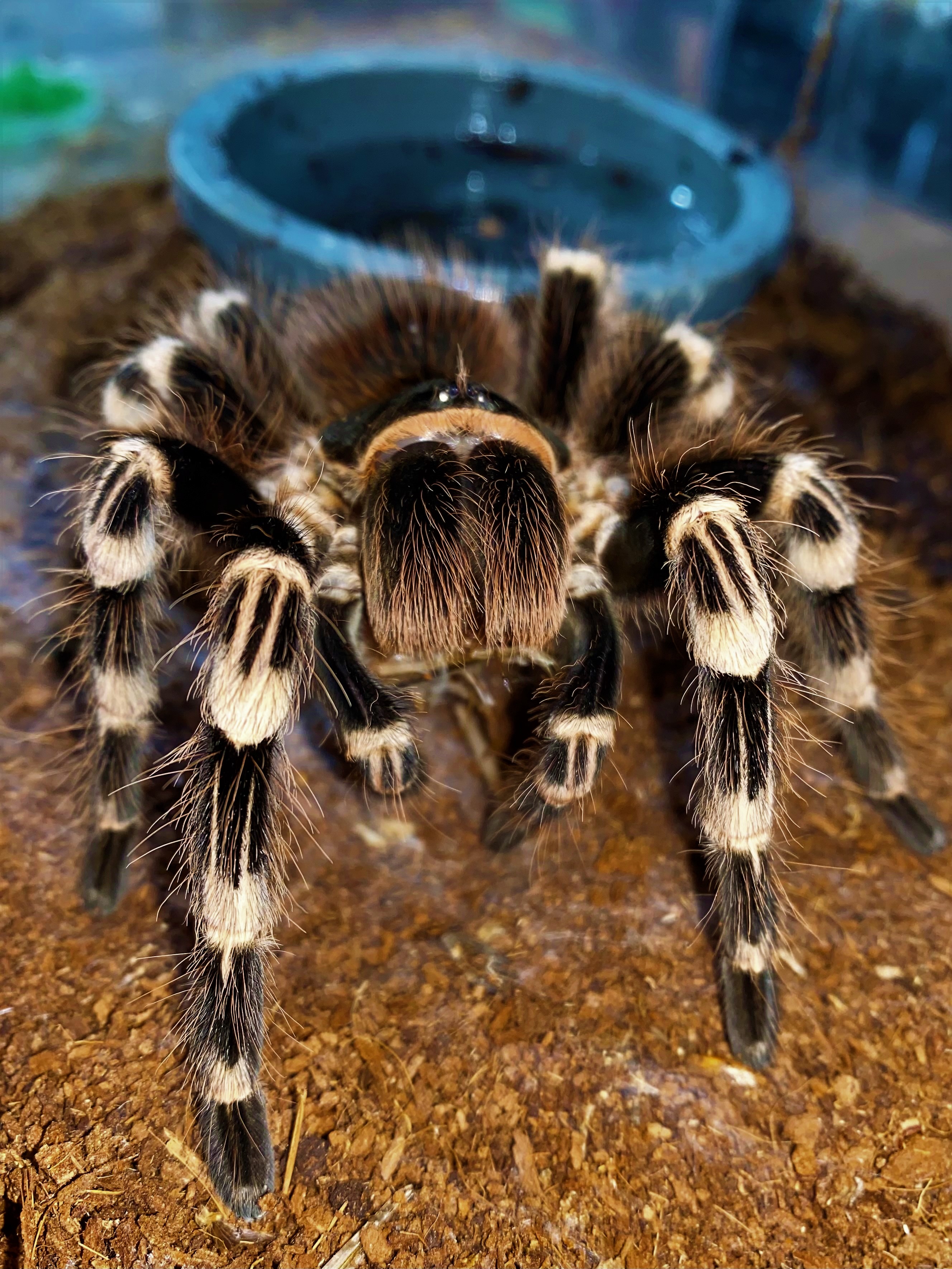
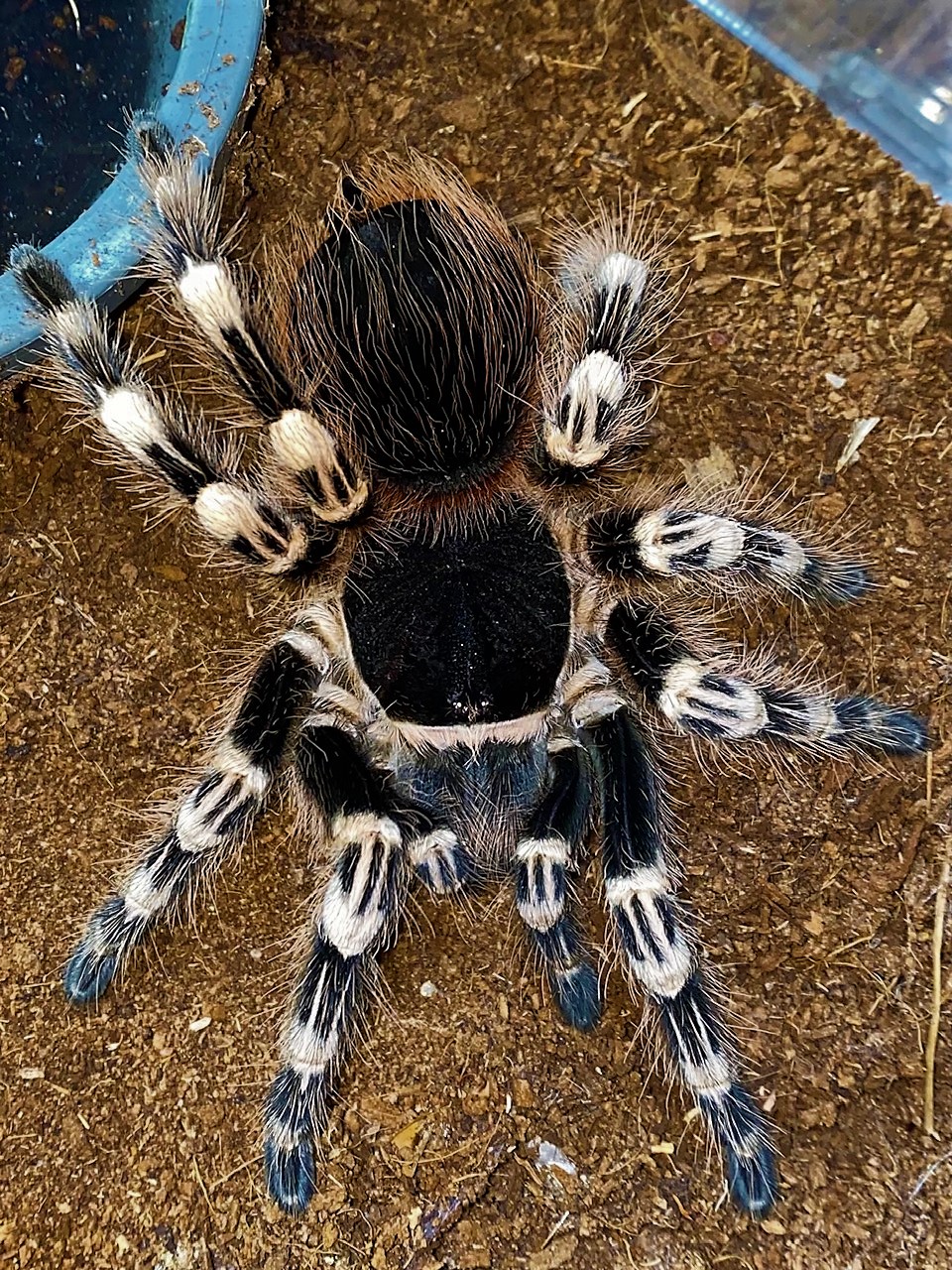
Phoneutria nigriventer is a large spider, with a body length of 3 to 5 cm and a leg span that can reach up to 15 cm. Its body is typically light brown to greyish-brown, covered in fine, short hairs. One of its most distinctive features is the presence of dark linear patterns on the cephalothorax and a series of lighter spots on the abdomen. The underside of the legs often has contrasting dark and light bands, and the chelicerae (fangs) are frequently covered in bright reddish hairs, which serve as a warning signal.
As a member of the Ctenidae family, it has a characteristic eye arrangement: two rows, with the front row having four eyes and the back row having four larger eyes arranged in a trapezoid. This provides the spider with excellent vision for nocturnal hunting. It does not build webs for prey capture but relies on its powerful legs and potent venom. Its common name in Portuguese, “armadeira,” comes from its distinctive defensive posture, where it raises its front legs high in the air and sways from side to side when threatened.
Geographic Distribution
The Brazilian Wandering Spider is native to South America, with a primary range covering central and southern Brazil, northern Argentina, and parts of Paraguay and Uruguay. In the Pantanal region, it is more commonly found in the transitional forests and upland areas surrounding the floodplain. Within the Pantanal itself, it is typically restricted to the higher, non-flooded forest patches (cordilheiras) and gallery forests.
Its distribution is often associated with human activity, as it can be transported in shipments of fruit (especially bananas) or seek shelter in human dwellings. However, its natural presence in the Pantanal is part of the broader distribution of the genus Phoneutria across the diverse landscapes of central South America.
Habitat
In the Pantanal region, Phoneutria nigriventer is primarily a forest-dwelling species. It inhabits the leaf litter and low vegetation of semi-deciduous forests, gallery forests, and the denser vegetation of the cordilheiras. During the day, it seeks shelter in dark, moist places, such as under fallen logs, inside hollow trees, or among the bases of palm fronds. It may also hide in bromeliads or other epiphytic plants.
At night, the spider emerges from its retreat to wander the forest floor and low shrubs in search of prey. It is highly adaptable and can also be found in disturbed habitats, including plantations and near human settlements. Its preference for moist, shaded environments makes the forested areas of the Pantanal ideal, provided they remain above the seasonal flood levels.
Behavior
Phoneutria nigriventer is a nocturnal, active hunter. Unlike many spiders that wait for prey to come to them, the wandering spider actively searches for its victims. It is known for its speed and agility on the ground and its ability to climb low vegetation. Its behavior is often described as aggressive, but it is more accurately characterized as highly defensive; it will not hesitate to stand its ground and strike if it feels threatened.
The famous “armed” posture is a clear warning to potential predators. If the warning is ignored, the spider can strike quickly, delivering a potent bite. The venom of Phoneutria nigriventer contains a complex mix of neurotoxins that affect the nervous system of its prey and can cause severe symptoms in humans, including intense pain, sweating, and respiratory issues. However, most bites in humans are “dry” (without venom) or involve only small amounts, and effective antivenom is available.
Diet
The Brazilian Wandering Spider is a generalist predator with a varied diet. It feeds primarily on large insects such as crickets, cockroaches, and beetles. However, due to its size and potent venom, it is also capable of capturing and killing small vertebrates, including lizards, small frogs, and even small rodents. It uses its excellent vision and sensitivity to vibrations to detect prey in the dark.
Once a prey item is located, the spider lunges forward and delivers a quick bite, injecting its neurotoxic venom. The venom acts rapidly to paralyze the victim. The spider then uses its chelicerae to manipulate the prey and begin the feeding process. In the Pantanal’s terrestrial food webs, Phoneutria nigriventer is an important predator, helping to regulate the populations of various invertebrates and small vertebrates.
Reproduction
The reproductive behavior of Phoneutria nigriventer involves complex interactions between males and females. Males reach maturity and then wander extensively to find a mate, following silk-borne pheromones left by females. When a male encounters a female, he performs a series of leg movements and vibrations to identify himself and gauge her receptivity. Mating is a cautious affair, as the female can be predatory toward the male.
After successful mating, the female produces one or more egg sacs, each containing several hundred eggs. She is highly protective of her egg sacs, often carrying them with her or guarding them in a silk-lined retreat. The spiderlings hatch after a few weeks and undergo several molts before reaching maturity. The lifespan of Phoneutria nigriventer is typically one to two years, with males usually having a shorter life than females.
Conservation Status
Phoneutria nigriventer has not been assessed for a global conservation status by the IUCN. It is a common and widespread species in its native range. In Brazil, it is not considered threatened, but its populations can be affected by large-scale habitat destruction and the use of broad-spectrum pesticides in agricultural areas.
In the Pantanal, the conservation of forested areas, particularly the gallery forests and cordilheiras, is essential for maintaining the natural populations of this spider. While it is often viewed with fear due to its venom, it is an integral part of the ecosystem. Public education about the spider’s behavior and how to avoid accidental encounters is the most effective way to manage the coexistence of humans and this potent predator in the Pantanal region.
References
[1] SIMÓ, M.; BRESCOVIT, A. D. (2001). Revision and cladistic analysis of the Neotropical spider genus Phoneutria Perty, 1833 (Araneae, Ctenidae). Bulletin of the British Arachnological Society, 12(2), 67-82. [2] LUCAS, S. (1988). Spiders in Brazil. Toxicon, 26(9), 759-772. [3] MARTINS, R.; BERTANI, R. (2007). The spider genus Phoneutria Perty, 1833 (Araneae, Ctenidae): aspects of biology, venom, and taxonomy. In: Animal Toxins: State of the Art. Perspectives in Health and Environmental Sciences. Editora UNESP. [4] EMBRAPA PANTANAL. (2020). Terrestrial Invertebrates of the Pantanal. Embrapa Pantanal. Available at: https://www.embrapa.br/pantanal/publicacoes [5] SOS PANTANAL. (2023). Coexisting with Wildlife in the Pantanal. SOS Pantanal. Available at: https://sospantanal.org.br/convivendo-com-a-fauna-pantaneira/