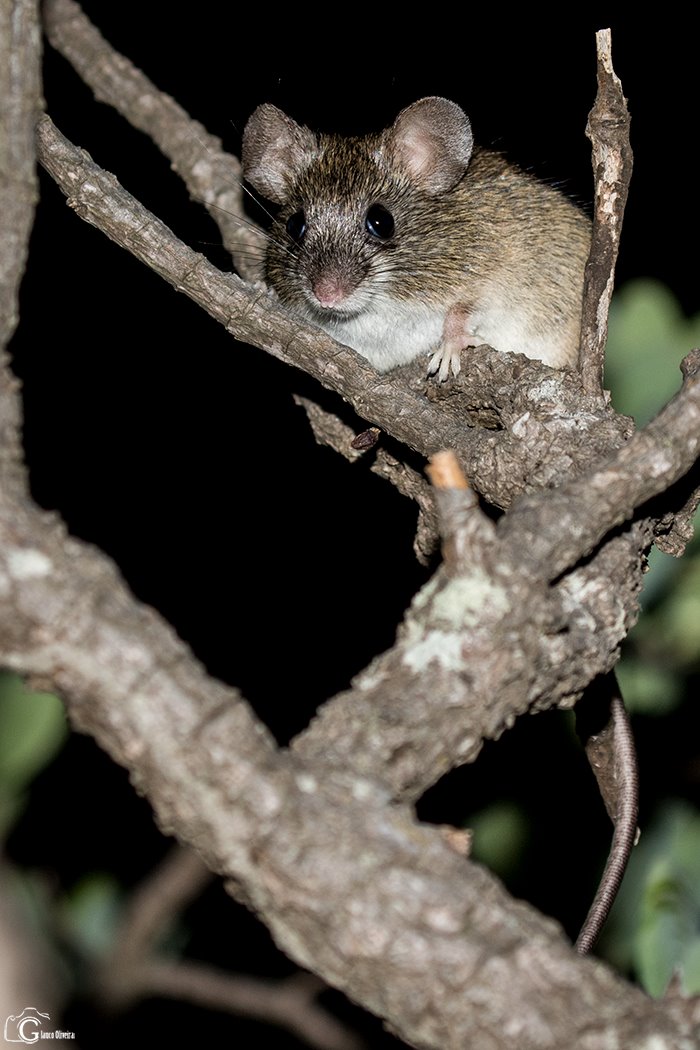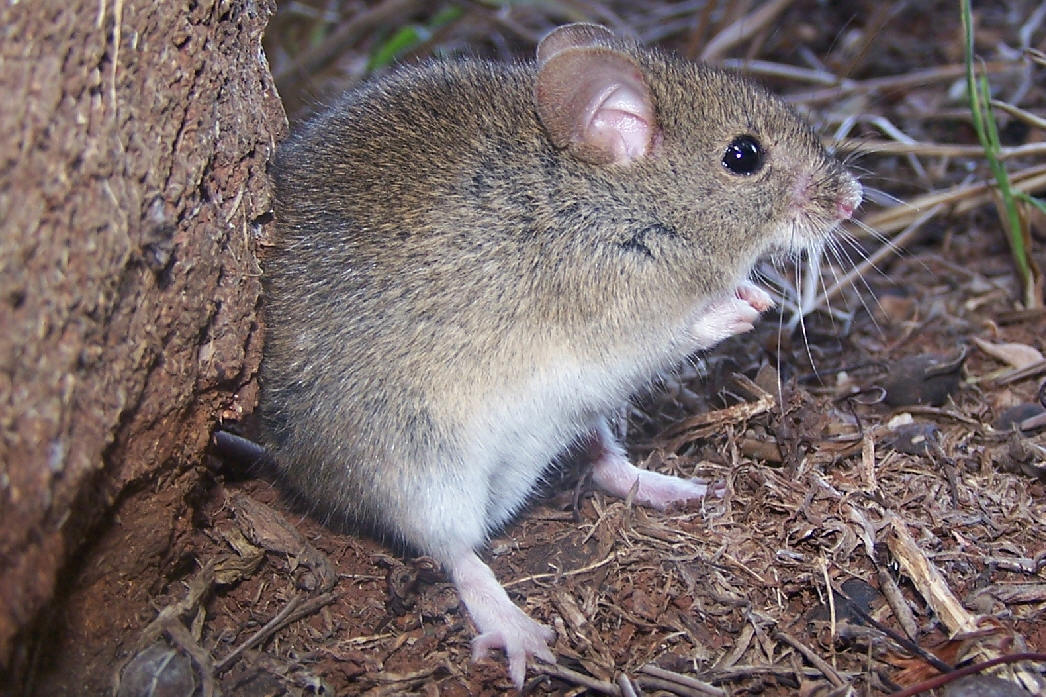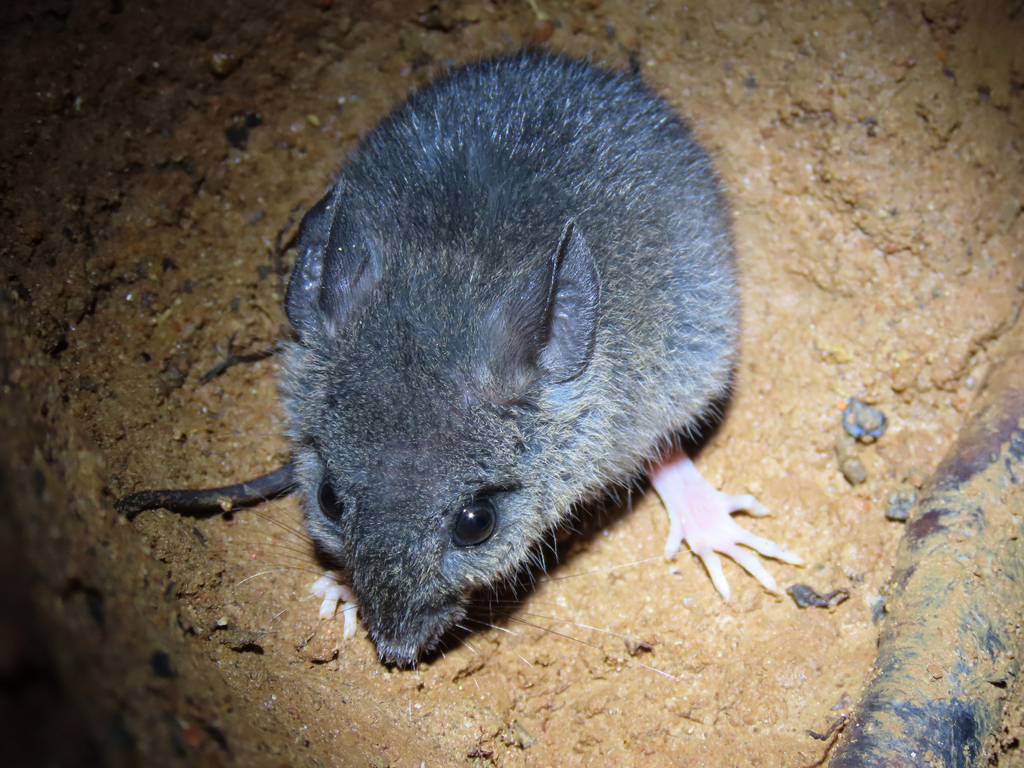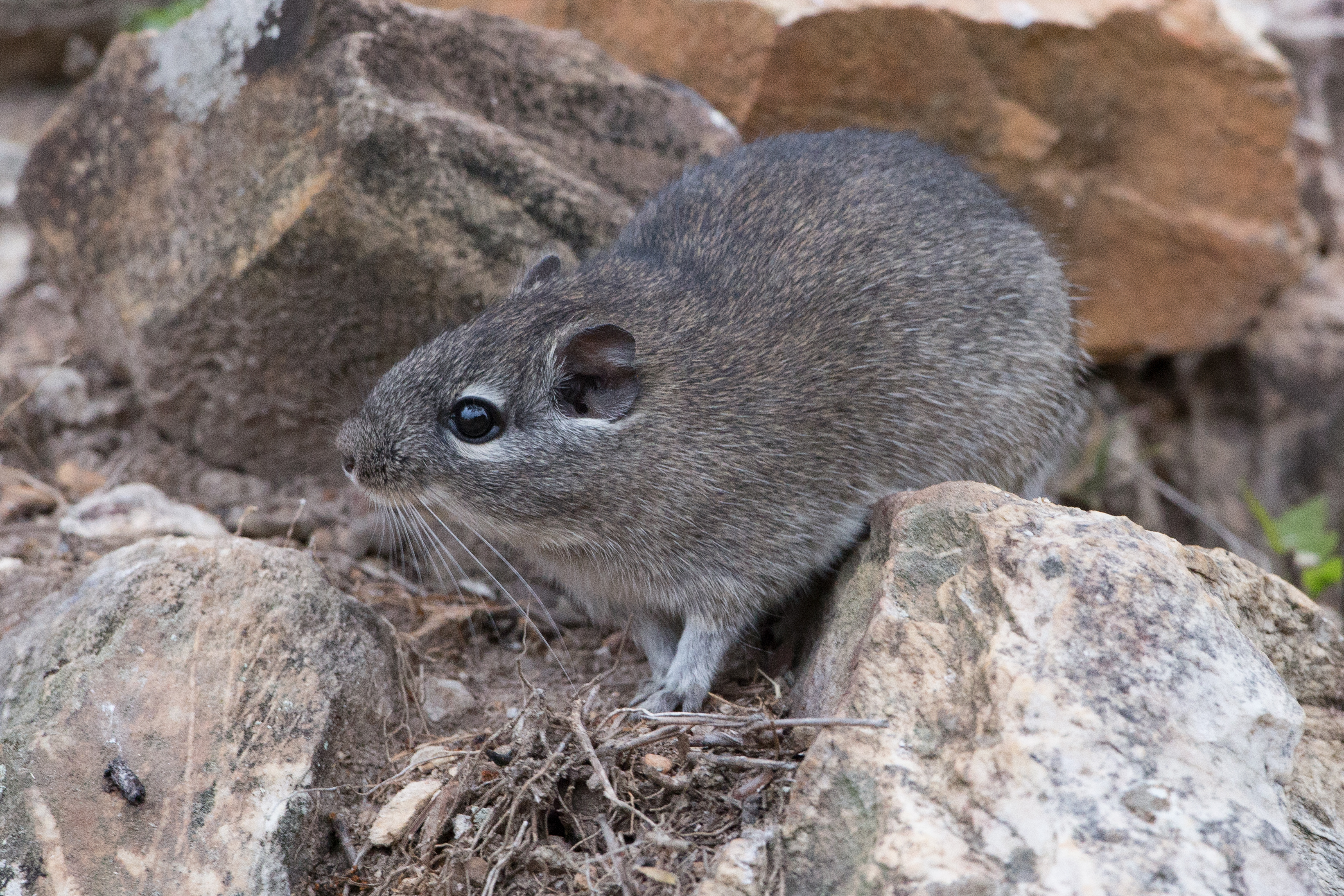
Introduction
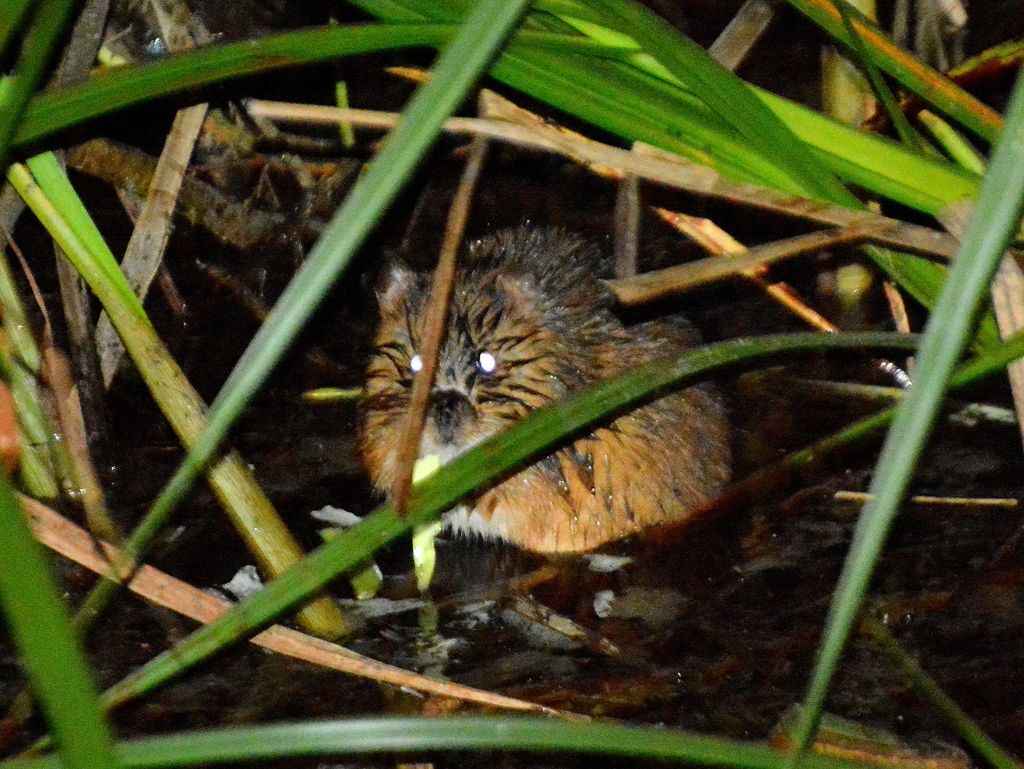
Holochilus brasiliensis, commonly known as the marsh rat or swamp rat, is a semi-aquatic rodent of the Cricetidae family that plays a fundamental role in the ecological dynamics of the Pantanal. Highly specialized for life in wetlands, this species is a true symbol of the adaptability of small mammals to the seasonal cycles of flooding and drought that characterize the world’s largest tropical wetland. Its presence is vital for maintaining the food web, serving as a primary food source for a wide range of predators, from birds of prey to large reptiles and small felines.
Scientific Classification
| Kingdom | Animalia |
| Phylum | Chordata |
| Class | Mammalia |
| Order | Rodentia |
| Family | Cricetidae |
| Genus | Holochilus |
| Species | Holochilus brasiliensis |
| Common Name | Marsh Rat |
In the Pantanal context, the marsh rat is recognized for its ability to build complex aerial nests among aquatic vegetation, a strategy that allows it to survive even during peak floods. Beyond its ecological importance, the species is of interest to science due to its population fluctuations, which can lead to "ratadas" (population explosions) in certain years, significantly impacting the local flora and the health of the ecosystem. Understanding the biology of Holochilus brasiliensis is essential for the conservation of the Pantanal, as it acts as a sentinel for the quality of aquatic habitats.
Physical Description
Holochilus brasiliensis is a medium-to-large rodent compared to other members of its family. Adults usually have a body length between 16 and 22 cm, with a tail that can measure from 14 to 18 cm. Its weight varies from 200 to 450 grams, with males generally being larger than females. Its fur is dense and soft, with a dorsal coloration ranging from yellowish-brown to reddish-orange, interspersed with black hairs, while the ventral region is lighter, usually white or light gray.
The species exhibits several morphological adaptations for its semi-aquatic lifestyle. Its hind feet are relatively large and possess interdigital membranes (webs) that facilitate swimming. The tail is long and slightly scaly, aiding in balance and propulsion in the water. The ears are small and can be partially closed when the animal dives. Additionally, its fur has water-repellent properties, allowing the marsh rat to maintain its body temperature even after long periods of immersion in the Pantanal waters.
Habitat and Distribution in the Pantanal
In the Pantanal ecosystem, Holochilus brasiliensis is strictly associated with aquatic and semi-aquatic environments. It is frequently found in "vazantes" (seasonal drainage channels), "baías" (permanent or temporary lakes), and along the banks of rivers and creeks. The species has a strong preference for areas with dense emergent vegetation, such as reed beds (pirizais), sedges, and floating meadows (camalotes), which provide both food and protection against predators. Its distribution covers the entire Pantanal plain, extending across Brazil, Paraguay, Bolivia, and Argentina.
The seasonal dynamics of the Pantanal directly influence the distribution and abundance of the marsh rat. During the flood season, the species concentrates in areas where aquatic vegetation is most exuberant, building its nests above the water level. In the dry season, it follows the receding water, remaining in permanent humid areas or moving to the remaining pools. This close relationship with the hydrological cycle makes Holochilus brasiliensis particularly vulnerable to permanent changes in the flood regime, such as those caused by drainage or large-scale dams.
Behavior
The marsh rat is an excellent swimmer and diver, spending a significant part of its active time in the water. Its behavior is predominantly nocturnal and crepuscular, although it can be seen during the day in more preserved and less disturbed areas. One of its most distinctive behaviors is the construction of aerial nests. These nests are spherical structures made of intertwined grass and aquatic plants, fixed to the stems of emergent vegetation about 20 to 50 cm above the water surface. These shelters serve for both resting and protection of the young during the flood.
Socially, Holochilus brasiliensis is considered a solitary species, although several individuals may occupy the same area of favorable habitat. It is a territorial animal, especially during the breeding season. Its locomotion on land is somewhat slower compared to its agility in the water, making it more vulnerable to terrestrial predators when moving between water bodies. When threatened, its primary defense strategy is to dive and remain submerged for several minutes, using aquatic vegetation as cover.
Diet
The diet of Holochilus brasiliensis is primarily herbivorous, with a high degree of specialization in aquatic plants. It feeds on stems, leaves, and seeds of various species common in the Pantanal, such as water hyacinths (Eichhornia), reeds (Cyperaceae), and aquatic grasses. During the flood season, its diet is almost exclusively composed of the tender parts of emergent plants. In the dry season, it may supplement its intake with roots and occasionally small invertebrates found in the mud of drying pools.
Ecologically, the marsh rat acts as an important consumer of primary biomass, helping to control the growth of aquatic vegetation and promoting nutrient cycling in the wetlands. By feeding on the stems of plants, it creates small clearings in the dense vegetation, which can be used by other smaller species. Furthermore, its role as prey is fundamental: it is a staple in the diet of the yacare caiman (Caiman yakare), the yellow anaconda (Eunectes notaeus), and various species of herons and storks that inhabit the Pantanal.
Reproduction
The reproductive strategy of Holochilus brasiliensis is opportunistic, allowing for rapid population growth when environmental conditions are favorable. In the Pantanal, reproduction can occur throughout the year, but there is a clear peak during the flood season, when food availability and nesting sites are at their maximum. The gestation period is approximately 25 to 30 days, and each litter can have from 2 to 8 offspring, though litters of 3 to 4 are most common. The young are born relatively underdeveloped but grow rapidly due to the high nutritional value of maternal milk and careful parental care within protected nests.
Sexual maturity is reached early, with males and females ready to reproduce between 2 and 4 months of age. This rapid maturation, combined with the ability to produce multiple litters per year, allows marsh rat populations to recover quickly after periods of environmental stress, such as severe droughts or extreme flooding. In the Pantanal, the species’ reproductive success is directly linked to the stability of reed beds, which provide essential physical support for nests. The loss of these habitats due to cattle trampling or pasture conversion can drastically reduce recruitment rates, highlighting the need for integrated wetland management.
Conservation Status
Currently, Holochilus brasiliensis is classified as "Least Concern" by the IUCN Red List and national assessments by ICMBio. This classification is due to its wide geographic distribution and ability to persist in altered habitats, provided minimal moisture conditions are maintained. However, in the specific context of the Pantanal, the situation requires attention. The biome has faced increasing threats due to deforestation in river headwaters, intensive pesticide use in adjacent agricultural areas, and—more critically—disruption of the hydrological regime by large hydroelectric projects and waterways.
Direct threats include habitat loss from wetland drainage for agriculture and degradation of riparian vegetation by livestock. Additionally, the catastrophic wildfires that have affected the Pantanal in recent years have destroyed vast areas of reed and sedge, eliminating nesting sites and food sources. Although the species shows resilience, the increasing frequency and intensity of such events may compromise the viability of local populations. Therefore, conservation of the marsh rat in the Pantanal depends on public policies that ensure maintenance of the "flood pulse" and protection of permanent preservation areas along water bodies.
Curiosities
One of the most notable curiosities about Holochilus brasiliensis is its ability as an "architect of the waters." Its nests are not merely piles of grass; they possess an internal structure with thermal insulation chambers that keep the young dry and warm even when water levels rise significantly. Another interesting fact is its importance in the diet of iconic Pantanal predators. Food ecology studies show that the marsh rat is among the favorite prey of the maned wolf (lobo-guará), the margay (jaguatirica), and various owl and hawk species, such as the ornate hawk-eagle (gavião-belo). Without the abundance of this rodent, many of these predators would struggle to find sufficient protein resources during certain times of the year.
Additionally, the marsh rat has a curious physiological adaptation: it tolerates diets high in silica, common in many aquatic grasses, owing to continuous growth of its incisors and the robust structure of its molars. In local folklore and among Pantanal inhabitants, the animal is often confused with other aquatic rodents, but its distinction is clear to attentive observers due to its intermediate size and unique behavior of building aerial nests. Its presence serves as a sign that the aquatic ecosystem still maintains its structural complexity, acting as a true sentinel of the Pantanal waters.
References
[1] IUCN. (2016). Holochilus brasiliensis. The IUCN Red List of Threatened Species. Available at: https://www.iucnredlist.org/species/9796/22394627
[2] ALHO, C. J. R. (2008). Biodiversity of the Pantanal. UNIDERP Publishing.
[3] VIEIRA, E. M.; CAMARGO, N. F. (2006). Ecology of rodents in wetlands: the case of Holochilus brasiliensis. Brazilian Journal of Zoology, 23(3), 678-685.
[4] EMBRAPA PANTANAL. (2010). Mammals of the Pantanal: Field Guide. Embrapa Pantanal.
[5] LIMA, J. F.; REIS, M. L. (2018). Diet and habitat use of Holochilus brasiliensis in a floodplain area of the Pantanal. Proceedings of the Brazilian Congress of Mastozoology, 10, 123-124.
[6] POTT, A.; POTT, V. J. (1994). Plants of the Pantanal. Embrapa-SPI.
[7] ICMBIO. (2018). Red Book of Brazilian Fauna Threatened with Extinction. ICMBio. Available at: https://www.icmbio.gov.br