A Decade of Science and Conservation
The Jaguars of the Pantanal Project completes a decade of activity with an impressive milestone: more than 300 jaguars have been individually identified through their unique spot patterns.
The initiative, which began in 2016 with just two researchers and borrowed camera traps, now boasts a team of 15 scientists and over 200 cameras distributed across a 1,500 km² area in the northern Pantanal.
How Identification Works
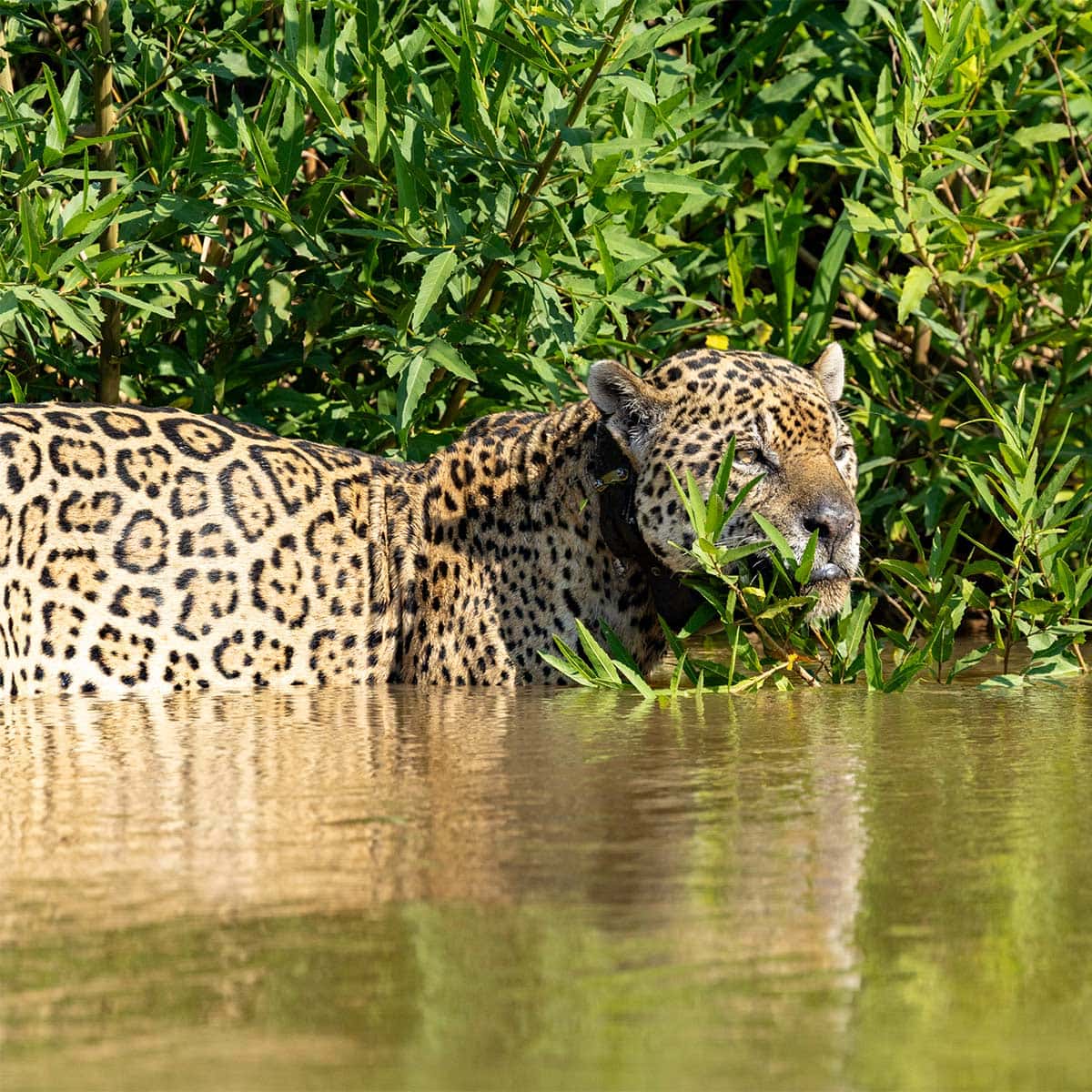
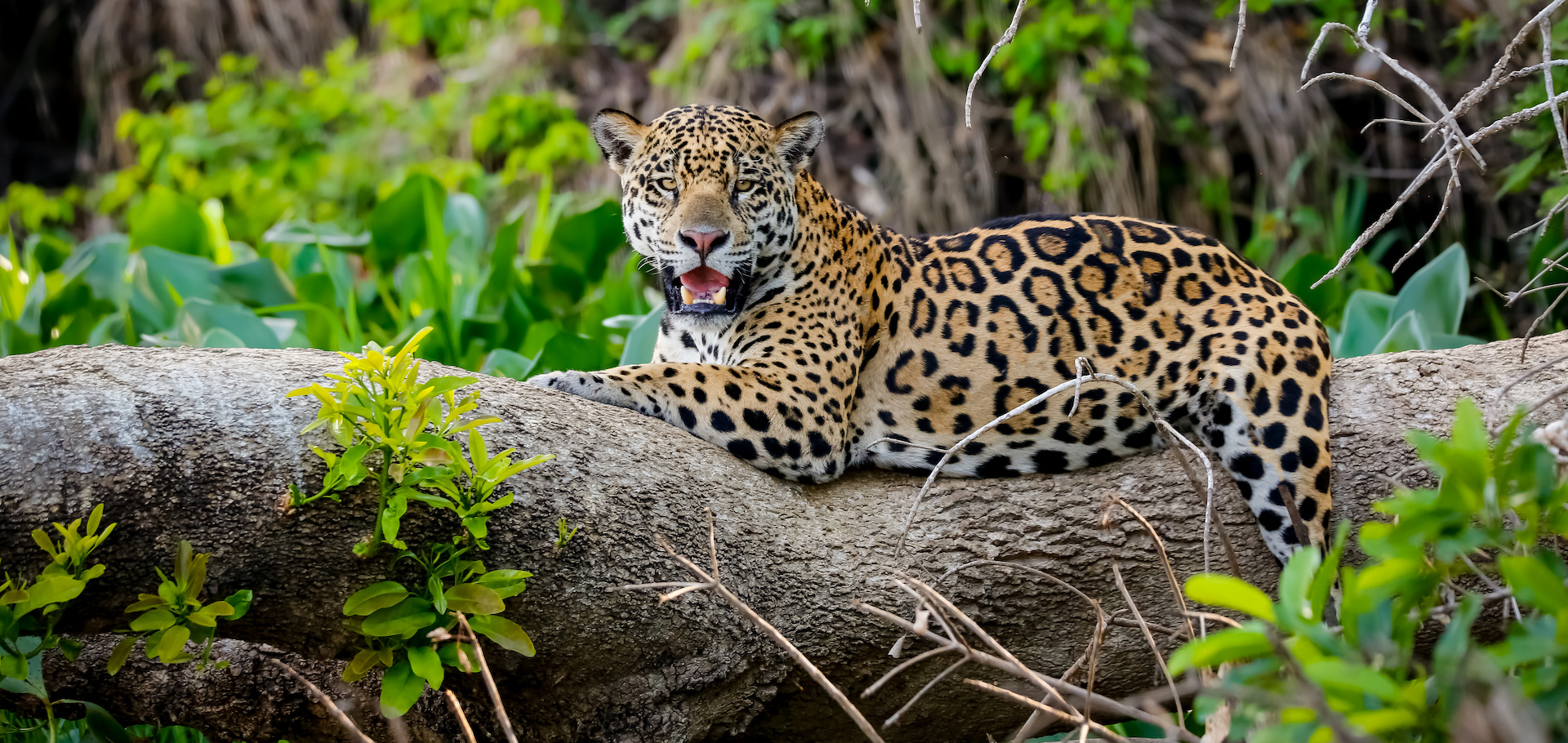
Each jaguar has a unique pattern of rosettes (spots), similar to a human fingerprint. Researchers utilize:
- Camera traps positioned along trails and riverbanks
- Pattern recognition software powered by artificial intelligence
- A database with photos of both sides of the body
- GPS monitoring on selected individuals
Key Discoveries
Over ten years, the project has revealed crucial information about the species’ ecology:
- Pantanal jaguars are 30% larger than those in other biomes
- Their diet includes more than 85 different species of prey
- Adult males have territories of up to 100 km²
- Females have an average of 2 cubs per litter
“Each jaguar has its own personality. Some are curious and approach the cameras, while others are extremely elusive. Knowing them individually allows us to better understand population dynamics,” says biologist Dr. Ana Lúcia Campos.
Next Steps
The project plans to expand its monitoring area and implement new satellite tracking technologies, aiming to map the ecological corridors used by jaguars between the Pantanal and adjacent biomes.