Introduction
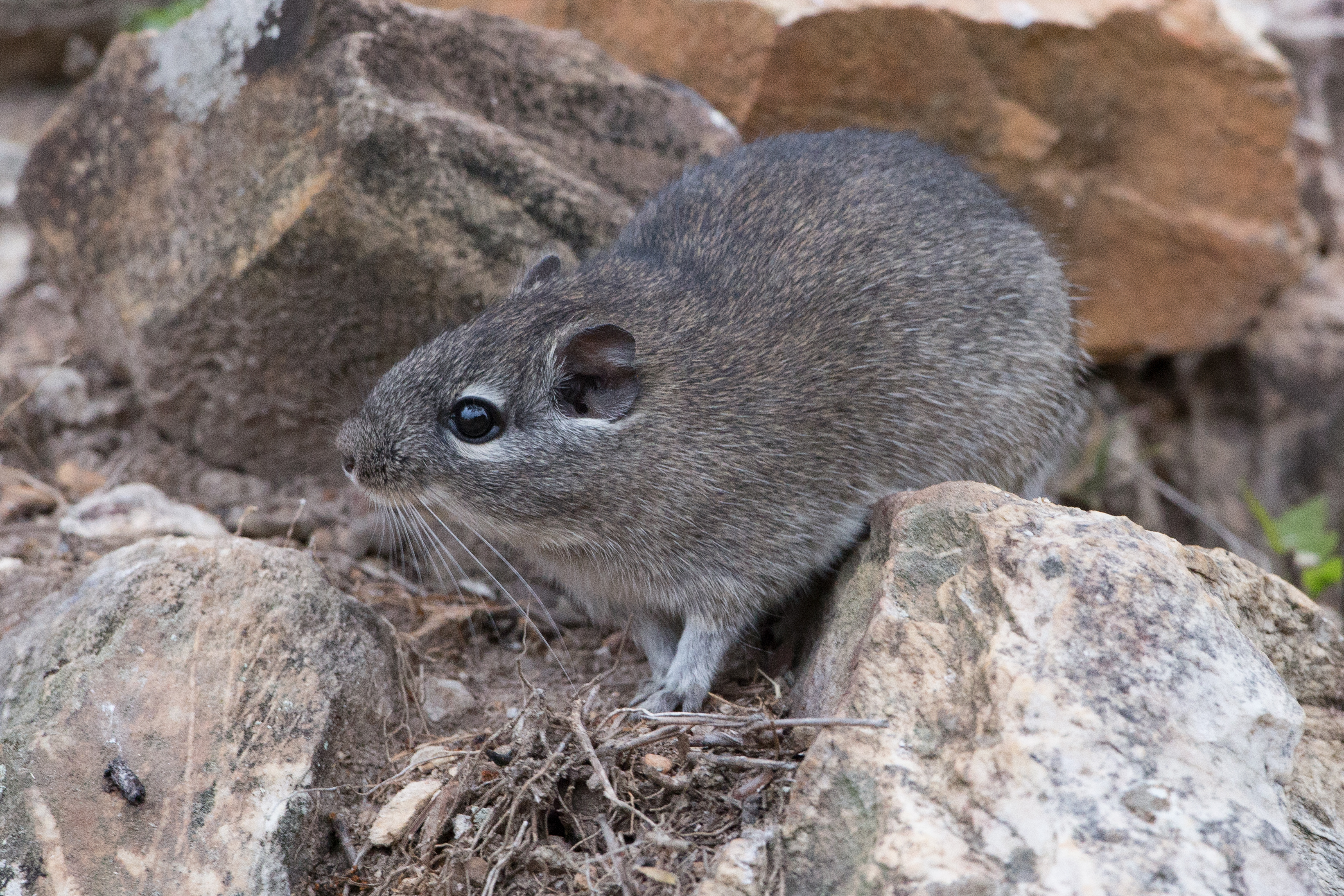
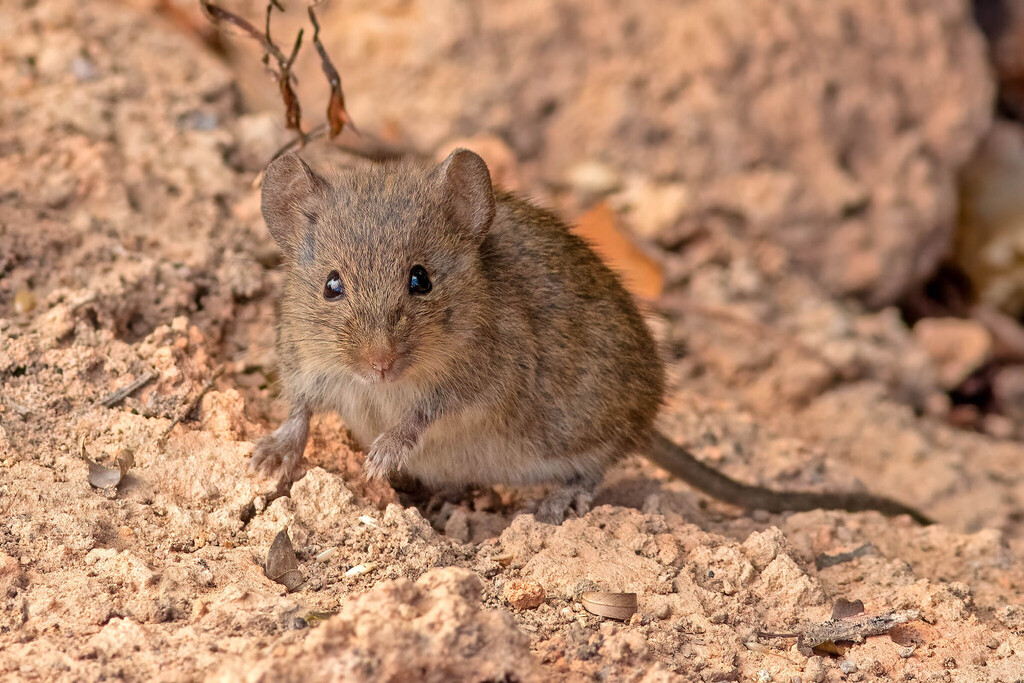
The Necromys lasiurus, popularly known as the hairy-tailed bolo mouse, is a small rodent of the Cricetidae family that plays a fundamental role in the ecological dynamics of the Brazilian Pantanal. This species, widely distributed across South America, is particularly notable for its adaptability to open environments and its significant presence in transition areas between the Cerrado and the Pantanal plains. In the Pantanal ecosystem, the hairy-tailed bolo mouse acts as a vital link in the food chain, serving as a subsistence base for a wide range of predators, from birds of prey to small felines and reptiles.
Scientific Classification
| Kingdom | Animalia |
| Phylum | Chordata |
| Class | Mammalia |
| Order | Rodentia |
| Family | Cricetidae |
| Genus | Necromys |
| Species | Necromys lasiurus |
| Common Name | Hairy-tailed Bolo Mouse |
In addition to its trophic relevance, Necromys lasiurus is the subject of intense scientific study due to its relationship with public health, being identified as the main wild reservoir of the hantavirus (Araraquara strain) in Brazil. Its biology, characterized by seasonal population fluctuations influenced by the flood and drought regime of the Pantanal, offers valuable insights into the resilience of local fauna in the face of extreme climatic variations. This article explores the various facets of this species, from its distinct morphology to its behavior and conservation status.
The importance of the hairy-tailed bolo mouse in the Pantanal transcends its small stature. As a seed disperser and insect consumer, it actively contributes to the maintenance of plant biodiversity and the control of invertebrate populations. In a biome as dynamic and threatened as the Pantanal, understanding the ecology of species like N. lasiurus is essential for integrated conservation strategies aimed at preserving the entire ecosystem.
Physical Description
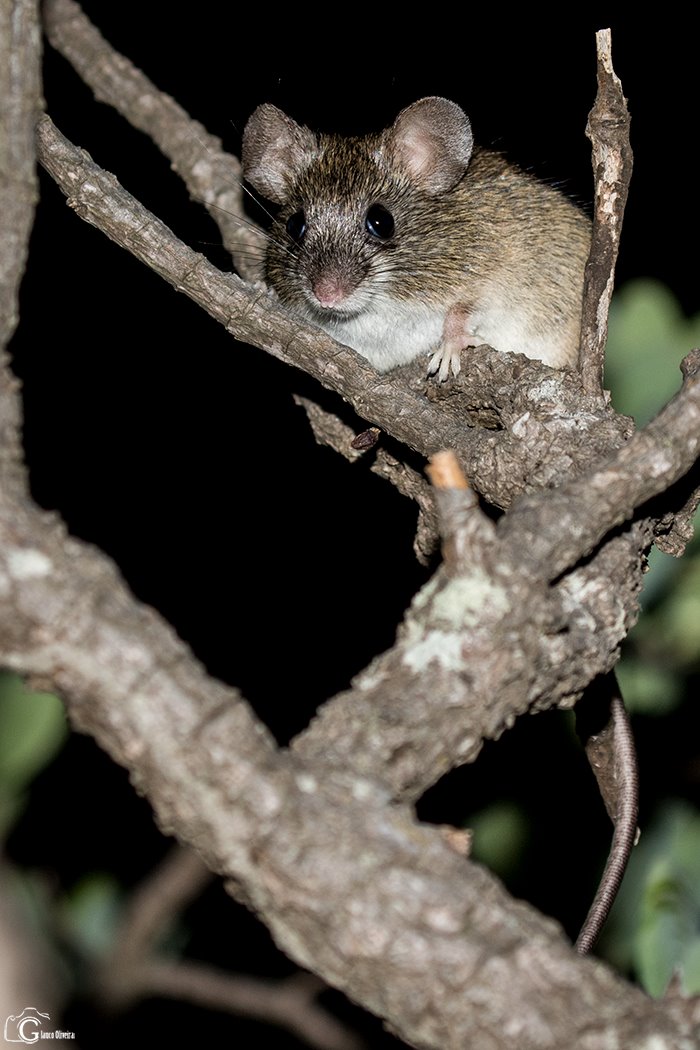
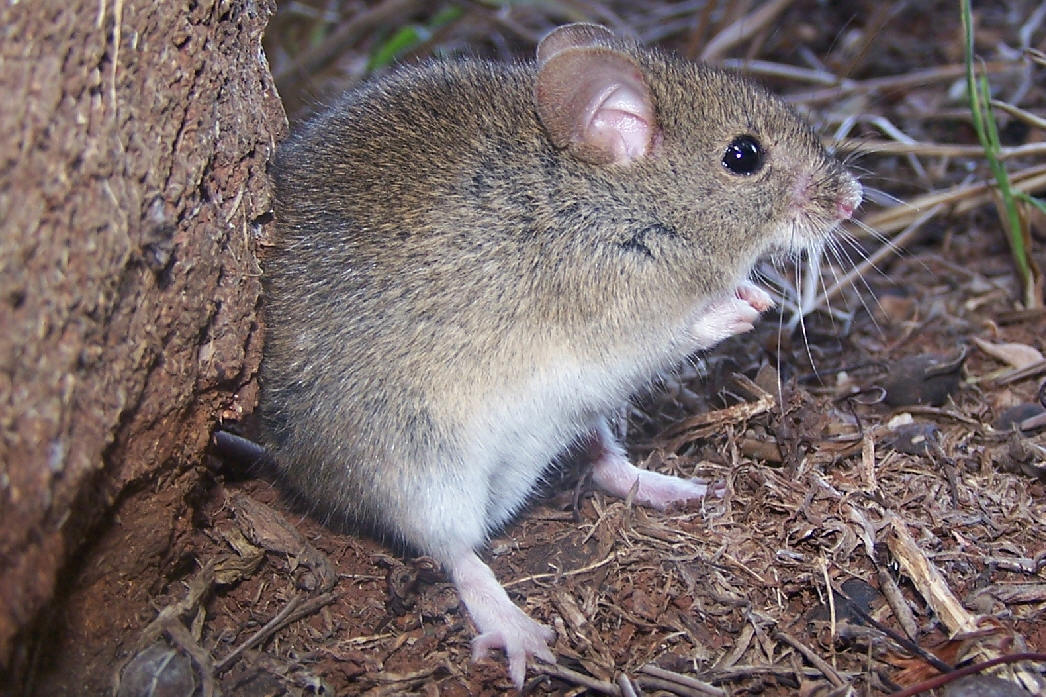
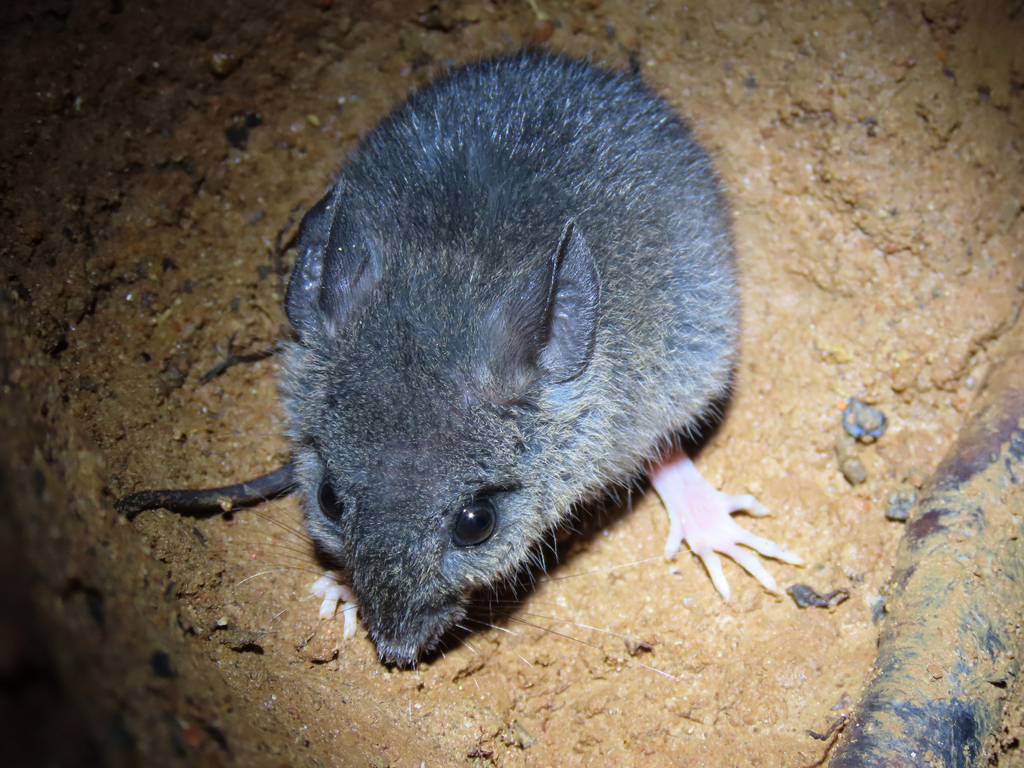
The hairy-tailed bolo mouse presents morphological characteristics that distinguish it from other sympatric rodents. Its body is robust, with a dense and coarse-textured coat, which justifies its common name. The dorsal coloration varies between olive-gray and dark brown, often showing ochre tones on the sides, while the ventral region is visibly lighter, ranging from pale gray to off-white. This coloration provides efficient camouflage against the soil and low vegetation of the Pantanal fields.
In terms of dimensions, Necromys lasiurus has a head-and-body length ranging between 103 mm and 138 mm. Its tail, which is notably short relative to the body (about 70% to 80% of the total length), measures between 66 mm and 96 mm and has a sparse covering of hair, being slightly bicolor (darker on the upper part). The average weight of an adult is around 35 to 60 grams, with males tending to be slightly larger and heavier than females, evidencing a slight sexual dimorphism.
Other distinctive features include short, rounded ears, small eyes, and robust hind feet with strong claws, adapted for terrestrial locomotion and digging. The absence of prominent facial markings and the gradual transition of colors between the back and the belly are typical traits of the species. Its dentition is adapted for a predominantly granivorous diet, with strong incisors capable of breaking through the tough seed shells found in the Pantanal environment.
Habitat and Distribution in the Pantanal
In the Pantanal, Necromys lasiurus demonstrates a clear preference for open habitats and transition areas. It is frequently found in clean fields, scrubby fields, and at the edges of "cordilheiras" (sandy elevations with woody vegetation). Its presence is denser in areas where herbaceous vegetation is abundant, providing both food and shelter from predators. Unlike other rodents that prefer permanently wet areas, the hairy-tailed bolo mouse tends to occupy zones that do not remain submerged for long periods during the flood season.
The geographic distribution of the species in the biome covers both the Northern and Southern Pantanal, extending through the floodplains of the Paraguay River and its tributaries. Its ability to colonize altered areas also makes it common in cultivated pastures and road edges, where exotic grasses often replace native vegetation. This environmental plasticity allows the species to maintain stable populations even in landscapes fragmented by agricultural activity.
The habitat occupancy dynamics of N. lasiurus are strongly influenced by the hydrological cycle. During major floods, populations tend to concentrate in higher, drier areas, expanding back into the plains as the waters recede and the low vegetation recovers. This seasonal movement is crucial for the survival of the species and influences the distribution of its natural predators throughout the year.
Behavior
The hairy-tailed bolo mouse is predominantly diurnal, a characteristic that differentiates it from many other small Neotropical rodents that are strictly nocturnal. However, its activity can extend into crepuscular and even nocturnal periods, especially during the dry season or in areas with high predation pressure. This activity pattern allows the species to take advantage of periods of greater light for foraging, relying on its sharp vision and smell to detect seeds and avoid danger.
In social terms, Necromys lasiurus is generally solitary and exhibits territorial behavior, especially among males during the breeding season. They build simple nests on the ground using dry grasses and plant fibers, often hidden under fallen logs, rocks, or within dense clumps of grass. Although they are not expert climbers, they are agile runners on the ground, using well-defined trails in the vegetation to move quickly between feeding and shelter areas.
Communication between individuals occurs mainly through chemical signals (scent marking) and high-frequency vocalizations, often imperceptible to the human ear. Grooming behavior is frequent and important for coat maintenance and the removal of ectoparasites. In threatening situations, the species exhibits "freezing" behavior to try to go unnoticed, or flees quickly to the nearest shelter if detected.
Diet
The diet of Necromys lasiurus is classified as predominantly granivorous, with seeds of grasses and herbs making up about 80% of its food intake. In the Pantanal, it consumes a wide variety of native seeds, playing a fundamental role in the dispersal of pioneer plants that colonize open areas after fires or receding waters. In addition to seeds, the species consumes green parts of plants, roots, and bulbs, especially when grain availability is low.
Despite the plant preference, the hairy-tailed bolo mouse is an opportunistic omnivore. During the rainy season, when the supply of seeds may decrease and that of invertebrates increases, it incorporates a significant amount of insects (such as ants, termites, and beetles) and other small arthropods into its diet. This dietary flexibility is a crucial adaptation for surviving the extreme seasonal variations of the Pantanal biome, ensuring the protein intake necessary for reproduction.
The ecological role of N. lasiurus in the food chain is of extreme importance. As an abundant primary and secondary consumer, it converts plant and invertebrate biomass into energy accessible to higher-level predators. In the Pantanal, it is a constant prey for the Savanna Hawk, the Burrowing Owl, the Crab-eating Fox (Cerdocyon thous), and various species of snakes. The abundance of this rodent often dictates the reproductive success of its predators, highlighting its central position in the Pantanal web of life.
Reproduction
The reproduction of the hairy-tailed bolo mouse in the Pantanal is strongly seasonal, being intrinsically linked to the availability of food resources and the rainfall regime. The reproductive peak generally occurs between the end of the dry season and the beginning of the rainy season (September to December), a period when the supply of seeds and insects begins to increase. However, in favorable years, reproduction can occur almost year-round, with multiple litters per female.
The gestation period is short, lasting approximately 21 to 23 days. Litters are relatively large for the size of the animal, ranging from 3 to 6 pups, with an average of 5 per birth. The pups are born altricial (blind, hairless, and dependent) but develop rapidly. By around two weeks of age, they already begin to explore the surroundings of the nest and consume solid food, reaching sexual maturity in a few months (about 60 to 90 days), which allows for rapid population expansion under ideal conditions.
Parental investment is carried out exclusively by the female, who provides milk and protection in the first days of life. The high reproductive rate of the species is an evolutionary strategy to compensate for the high predation pressure to which they are subjected. In the dynamic environment of the Pantanal, this "population explosion" capacity allows the species to recover quickly after catastrophic events, such as large fires or exceptional floods that can decimate local populations.
Conservation Status
Currently, Necromys lasiurus is classified by the International Union for Conservation of Nature (IUCN) as a species of "Least Concern" (LC) status. This classification is due to its wide geographic distribution, large populations, and ability to adapt to human-modified environments. In Brazil, the species is also not included in the official lists of endangered fauna, being considered common in almost all biomes where it occurs.
Despite the favorable status, hairy-tailed bolo mouse populations in the Pantanal face growing threats. The conversion of native pastures into monocultures and intensive exotic pastures alters the habitat structure and the availability of specific foods. Furthermore, the indiscriminate use of rodenticides in rural areas and the introduction of domestic species (such as cats and dogs) can cause localized declines. Large-scale forest fires, which have become more frequent in the Pantanal in recent years, also represent a significant risk, destroying nests and food sources immediately.
The conservation of N. lasiurus is directly linked to the preservation of the field and savanna areas of the Pantanal. Although it is not a "flagship" species, its maintenance is vital for the health of the ecosystem as a whole. Additionally, monitoring its populations is a public health issue, given its role as a hantavirus reservoir. Management strategies that promote the maintenance of native vegetation corridors and fire control are essential to ensure that this small rodent continues to play its fundamental ecological role.
Fun Facts
One of the most fascinating curiosities about Necromys lasiurus is its incredible resilience to fire. Studies conducted in Cerrado and Pantanal areas show that, although fire destroys its immediate habitat, the species is one of the first to recolonize burned areas, taking advantage of the rapid regrowth of grasses and the exposure of seeds that were previously hidden by dense leaf litter. This characteristic makes it a true "survivor" of the South American savannas.
Another point of great scientific interest is its relationship with the hantavirus. Unlike humans, the hairy-tailed bolo mouse does not get sick when carrying the virus; it acts as an asymptomatic host, transmitting the pathogen through urine, feces, and saliva. In the Pantanal, the interaction between rodent populations and human communities requires constant vigilance, especially in areas of agricultural expansion where contact between humans and wildlife is more frequent.
In local folklore and among Pantanal residents, the hairy-tailed bolo mouse is often confused with other rodent species, but its short tail and coarse coat are trademarks known to those who live in the countryside. Its constant presence and abundance make it one of the most sighted mammals by researchers and tourists exploring the open areas of the Pantanal, serving as a reminder of the rich and complex life that pulses beneath the low vegetation of the world's largest floodplain.
References
[1] IUCN. (2016). *Necromys lasiurus*. The IUCN Red List of Threatened Species. Available at: https://www.iucnredlist.org/species/14479/22344790
[2] ALHO, C. J. R. (2008). *Biodiversidade do Pantanal*. Editora UNIDERP.
[3] BONVICINO, C. R.; OLIVEIRA, J. A.; GATTI, A. (2008). *A Guide to the Rodents of Brazil*. Editora Fiocruz.
[4] EMBRAPA PANTANAL. (2010). *Mamíferos do Pantanal*. Embrapa Pantanal. Available at: https://www.embrapa.br/pantanal/publicacoes
[5] VIEIRA, E. M.; CAMARGO, N. F. (2006). Diet and microhabitat use by two sympatric rodents ( *Necromys lasiurus* and *Oligoryzomys nigripes* ) in the Brazilian Cerrado. *Brazilian Journal of Biology*, 66(3), 873-882.
[6] ICMBIO. (2018). *Livro Vermelho da Fauna Brasileira Ameaçada de Extinção*. ICMBio. Available at: https://www.icmbio.gov.br