
Introduction
The Nyctinomops laticaudatus, popularly known as the broad-tailed free-tailed bat, is one of the most fascinating species of the Molossidae family inhabiting the vast expanses of the Brazilian Pantanal. This small flying mammal plays a vital ecological role as one of the primary biological control agents in the region, patrolling the night skies in search of insects. Its presence is an indicator of the health of aerial ecosystems, especially in areas where the transition between riparian forests and floodplains creates an abundance of food resources.
Scientific Classification
| Kingdom | Animalia |
| Phylum | Chordata |
| Class | Mammalia |
| Order | Chiroptera |
| Family | Molossidae |
| Genus | Nyctinomops |
| Species | Nyctinomops laticaudatus |
| Common name | Broad-tailed free-tailed bat |
In the context of the Pantanal, N. laticaudatus stands out for its adaptation to high-performance flight. Unlike many other bats that forage under the tree canopy, this species is known for flying at high altitudes, occupying a superior ecological niche. This characteristic allows it to exploit air currents and capture insects that are not accessible to other chiropteran species, making it an indispensable component in the complex Pantanal food web. Its importance transcends simple predation, influencing the population dynamics of various insect orders that might otherwise become pests or disease vectors.
The conservation of this species in the Pantanal is fundamental, not only for its biological uniqueness but also for its contribution to environmental balance. As a voracious insectivore, the broad-tailed free-tailed bat assists in maintaining the integrity of pastures and native vegetation areas, protecting local biodiversity. Understanding its biology and behavior is the first step to ensuring that future generations continue to rely on the ecosystem services provided by this natural "jet" of the South American skies.
Physical Description
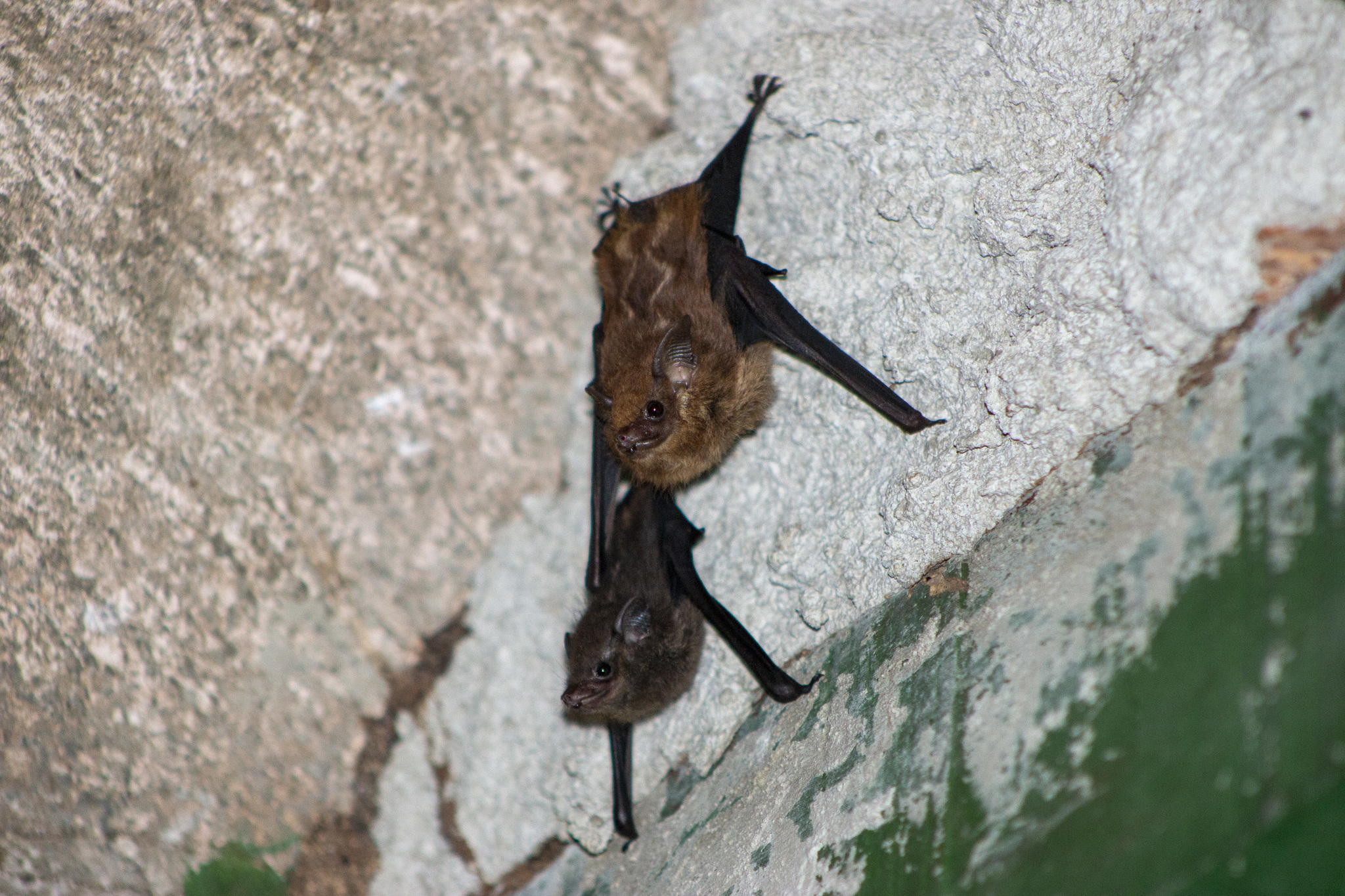
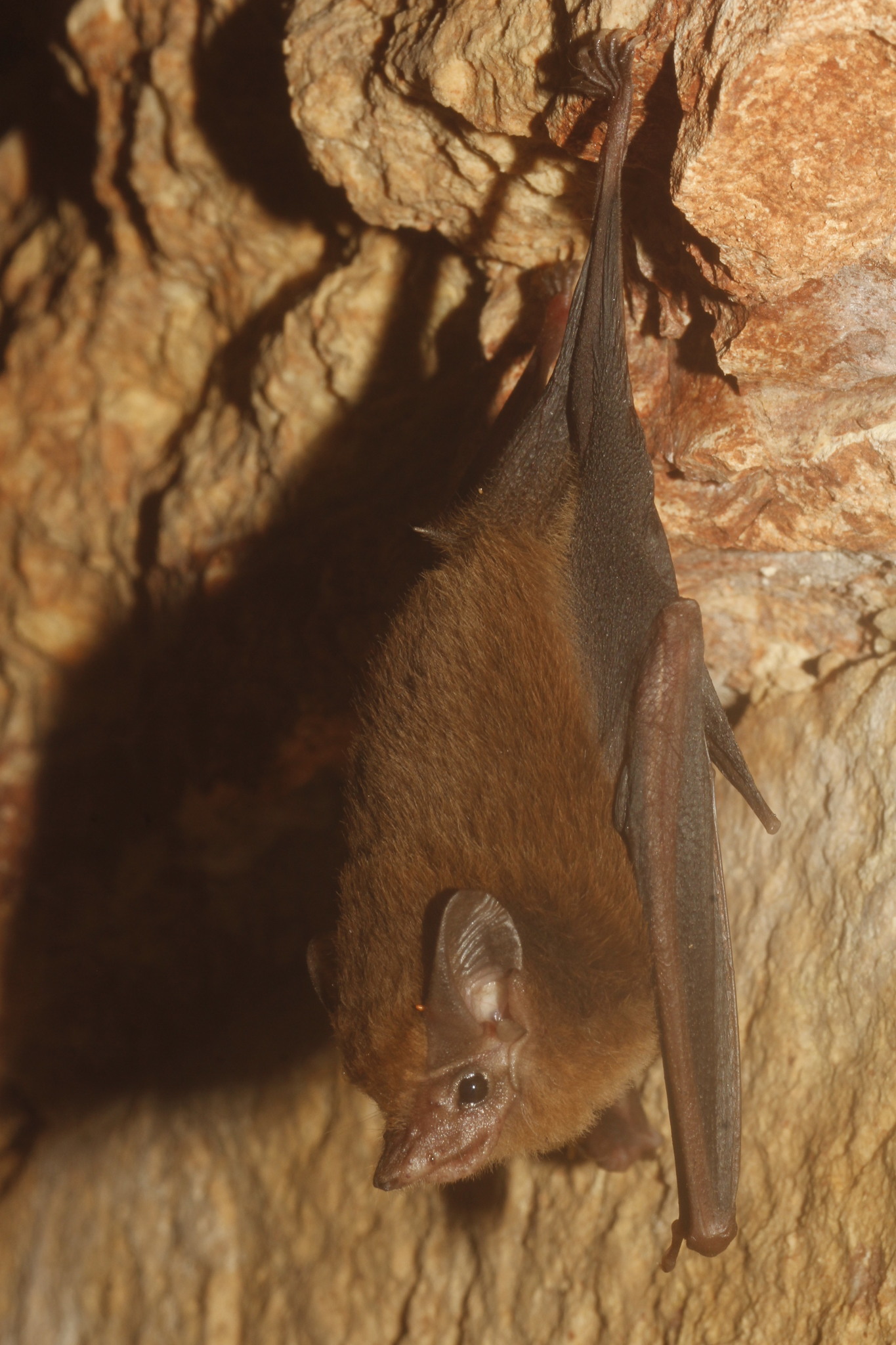
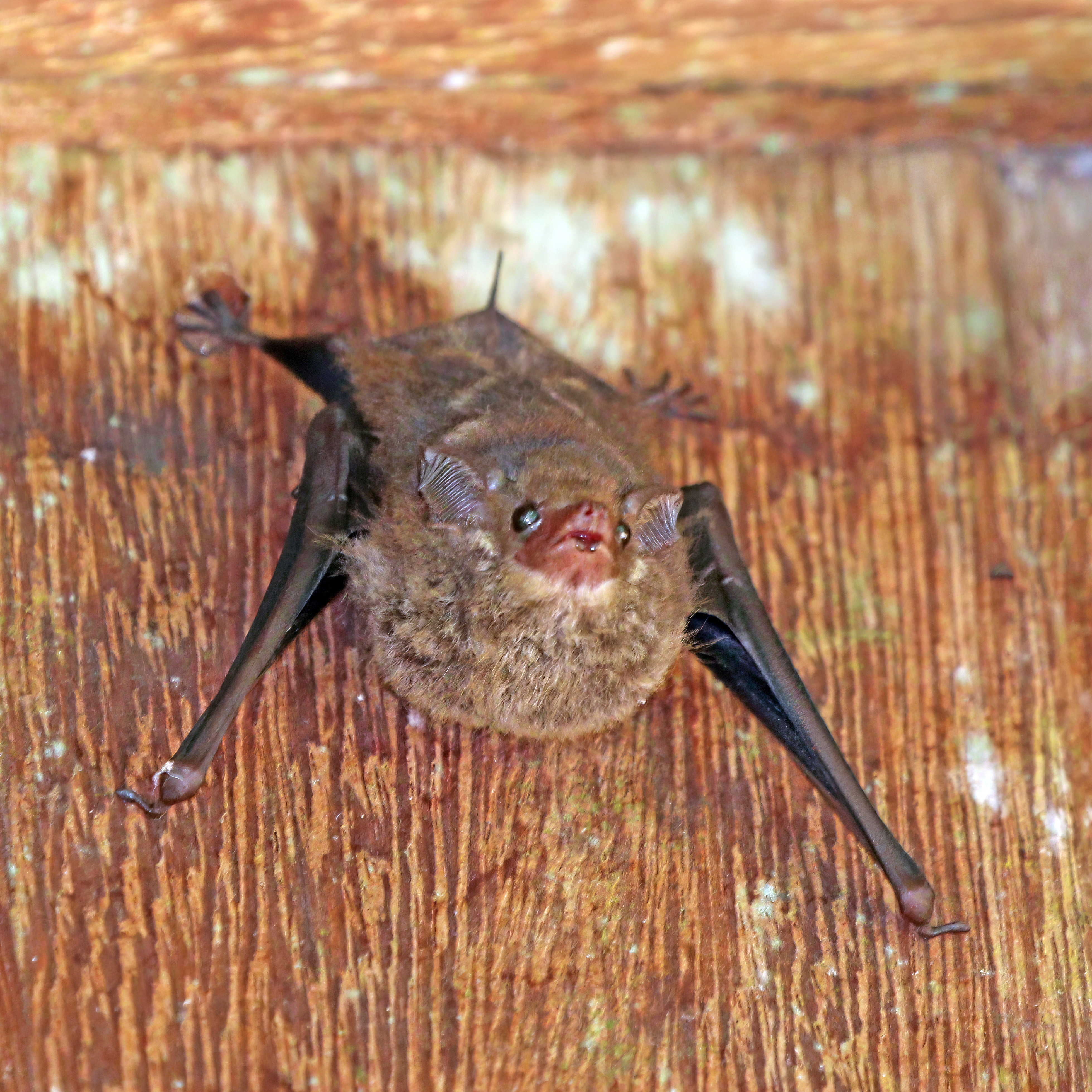
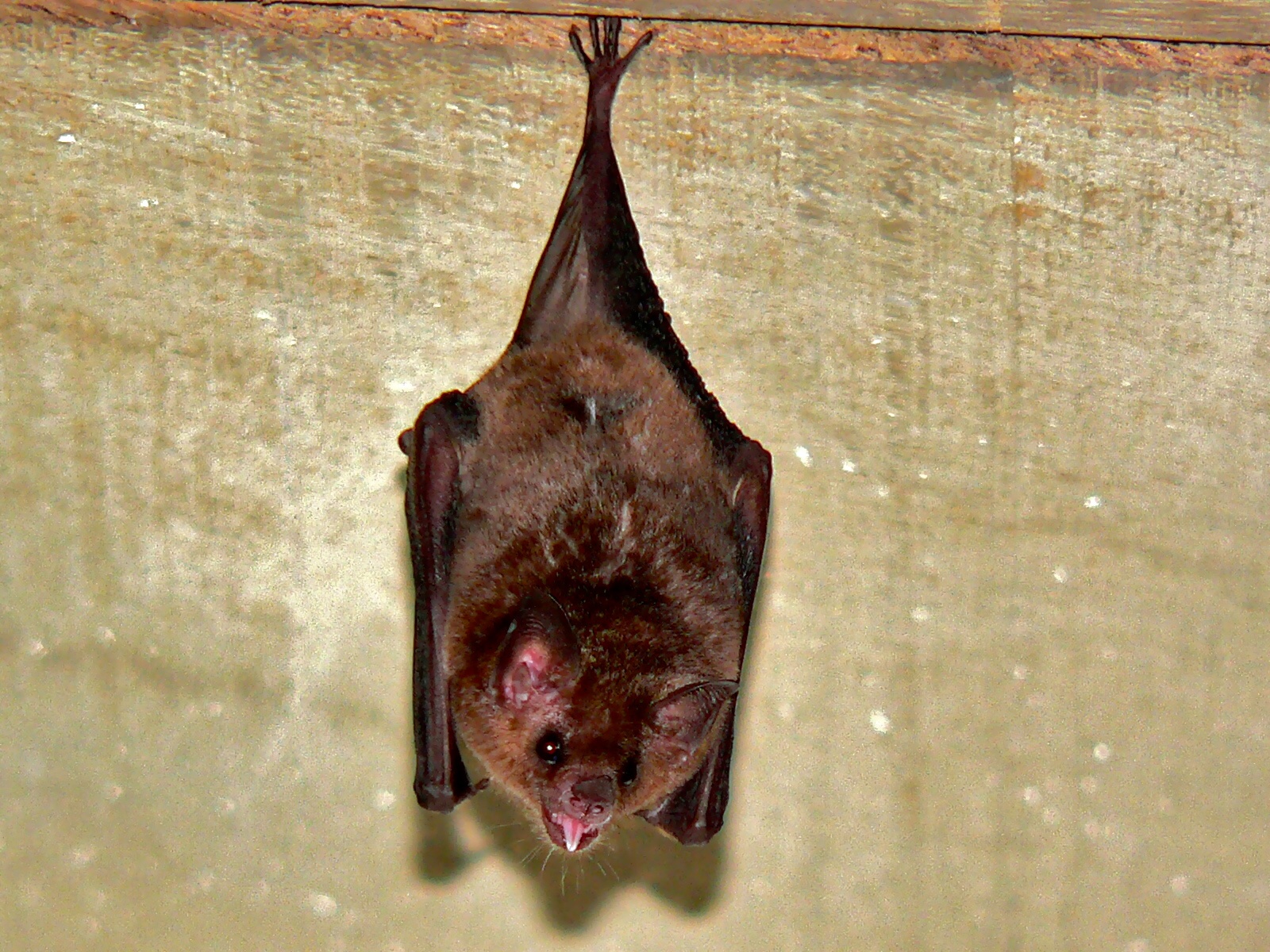
Nyctinomops laticaudatus is a small to medium-sized bat, featuring a morphology highly specialized for fast and efficient flight. The total body length varies between 88 and 141 millimeters, with a distinctive feature of the Molossidae family being its long, free tail, which extends significantly beyond the interfemoral membrane (uropatagium). This tail, measuring between 34 and 57 millimeters, acts as a precision rudder during high-speed aerial maneuvers.
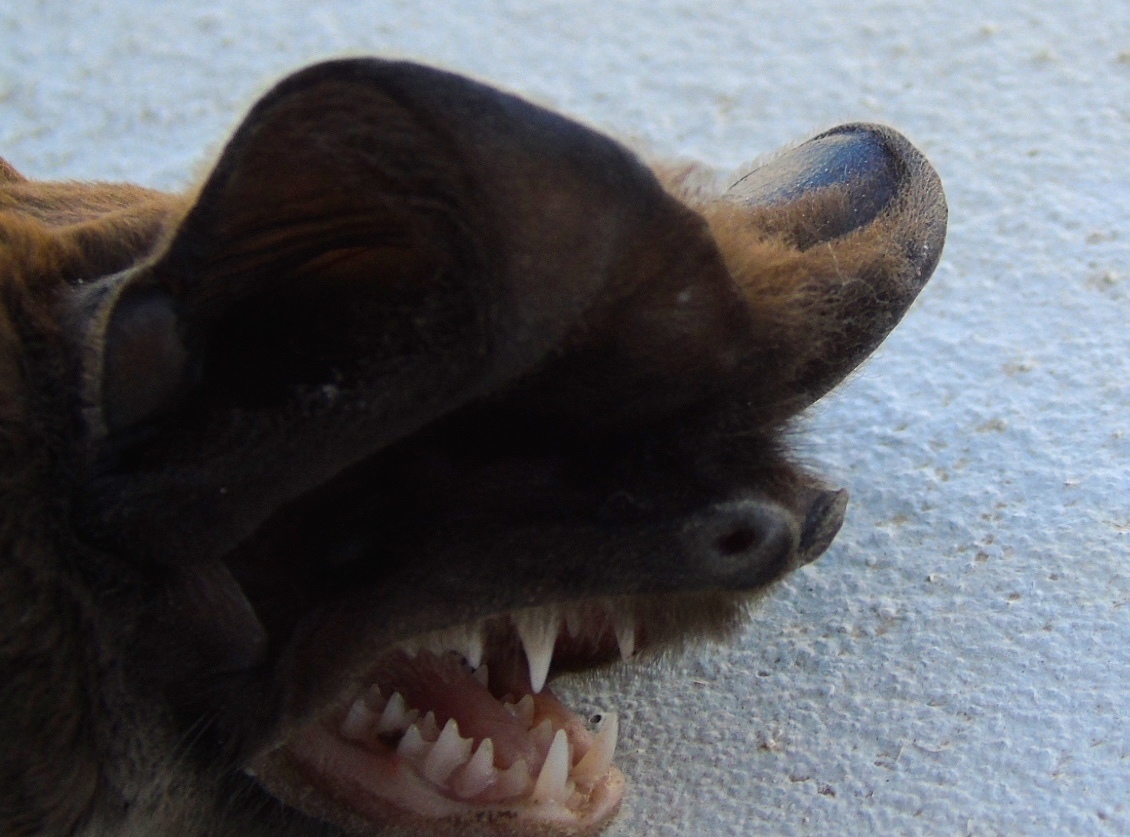
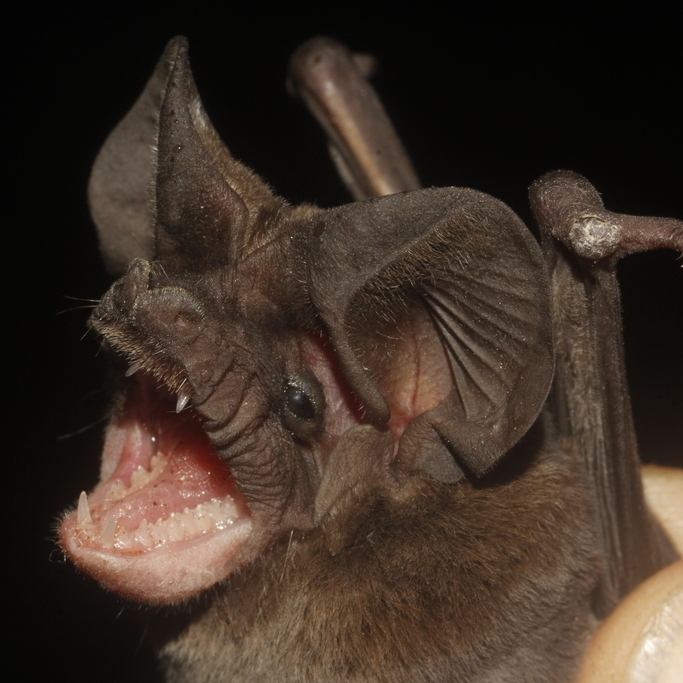
The fur coloration is predominantly dark brown, resembling a chocolate tone on the back, while the ventral region presents a visibly paler or grayish hue. The hair texture is dense and silky, providing thermal insulation and aerodynamics. One of the most striking features of the species is its wide, rounded ears, which meet at the base of the forehead but are not fused, allowing for excellent reception of echolocation signals. The upper lip is deeply furrowed by vertical wrinkles, and the snout ends in slightly tubular nostrils, giving it a unique appearance among the bats of the Pantanal.
The wings of the broad-tailed free-tailed bat are long and narrow, a clear adaptation for flight in open spaces and at high altitudes. The wing membranes are thin, almost hairless, and show a certain semi-transparency when observed against the light. In terms of weight, a healthy adult individual weighs between 10 and 15 grams, a light body mass that, combined with its wingspan, allows for impressive agility. These physical characteristics are not just aesthetic but evolutionary tools that allow N. laticaudatus to survive and thrive in the variable conditions of the Pantanal biome.
Habitat and Distribution in the Pantanal
The geographical distribution of Nyctinomops laticaudatus is vast, spanning from northern Mexico to central Argentina. However, it is in the Pantanal that the species finds an ideal mosaic of habitats for its biological needs. It is frequently found in transition areas, such as the edges of tropical forests, riparian forests bordering large Pantanal rivers, and open savannas known as Chaco. The preference for open areas is due to its foraging technique, which requires space for high-speed maneuvers.
In the Pantanal, the diurnal roosts of this species are varied, demonstrating remarkable adaptive plasticity. They frequently use rock crevices in geological formations at the edges of the biome, such as the Serra do Amolar and the Serra da Bodoquena. In addition to natural shelters, the broad-tailed free-tailed bat has adapted well to human presence, using crevices in buildings, under farmhouse roofs, and bridge spans as resting and breeding sites. These locations offer protection from predators and thermal stability, essential for survival during the extreme temperature variations common in the region.
The presence of the species is closely linked to the availability of water bodies, such as bays, floodways, and channels (corixos), which are abundant in the Pantanal. These areas function as insect concentration points, attracting bats for foraging. The distribution of N. laticaudatus in the biome is not uniform, being denser in locations where the combination of safe shelters and abundance of prey is optimized. The preservation of these microhabitats is crucial for the maintenance of local populations, especially in the face of growing threats from land-use changes and climate change.
Behavior
The behavior of Nyctinomops laticaudatus is marked by its nocturnal and crepuscular nature. Unlike other species that wait for total darkness, the broad-tailed free-tailed bat usually emerges from its roosts still at twilight, taking advantage of the peak activity of many flying insects. Its flight is characterized by being extremely fast, direct, and performed at considerable altitudes, which makes it difficult to capture by traditional research methods, such as mist nets set at ground level.
Socially, the species tends to form colonies that can vary significantly in size, from small family groups to aggregations of hundreds of individuals. However, philopatry — the tendency to return to the same place of birth or roost — is considered low compared to other molossids, suggesting a certain mobility between different roosts throughout the year. This characteristic may be a strategy to avoid parasites or to locate areas with greater temporary abundance of food, something common in the dynamic flood and drought cycle of the Pantanal.
Communication between individuals is complex and involves both acoustic and chemical signals. Inside the roosts, it is possible to hear chirps and twitters audible to the human ear, which serve for social interactions and disputes over space. During flight, they use a highly sophisticated echolocation system, emitting ultrasound pulses that allow them to detect tiny prey and avoid obstacles in fractions of a second. This social and sensory behavior is fundamental for colony cohesion and success in nocturnal hunting.
Diet
Nyctinomops laticaudatus is a strict and highly specialized insectivore, playing the role of an "aerial sentinel" in the Pantanal. Its diet is mostly composed of insects from the orders Coleoptera (beetles) and Lepidoptera (moths). Studies of stomach and fecal content reveal that it has a preference for hard-bodied prey, which are crushed by its powerful jaws and sharp teeth, adapted to break the chitin exoskeleton of insects.
The feeding strategy of this species is known as open-space foraging. Flying at high altitudes, the broad-tailed free-tailed bat uses its speed to intercept insects in mid-air. In the Pantanal, this activity is intensified during the rainy season, when the explosion of insect biomass provides an abundant feast. By consuming large quantities of beetles that can be harmful to native vegetation or pastures, N. laticaudatus acts as a natural pest control agent, reducing the need for chemical interventions and promoting ecosystem health.
In addition to beetles and moths, the species can also consume dipterans (flies and mosquitoes) and hemipterans (bugs), depending on seasonal availability. Its ecological role is, therefore, multifaceted: while controlling insect populations, it serves as an energy transfer link in the food chain, converting insect biomass into energy for itself and, eventually, for its predators. In the Pantanal, where the abundance of insects is a striking feature, the presence of such an efficient predator is essential for biological balance.
Reproduction
The reproductive biology of Nyctinomops laticaudatus in the Pantanal is intrinsically linked to the biome's seasonal cycles. The species presents a seasonally synchronized reproduction pattern, with the gestation and birth period generally occurring during the transition from the dry to the rainy season. This biological timing ensures that the birth of the pups coincides with the period of greatest insect abundance, ensuring that lactating females have enough energy to nurse and that the young have food available when they start their first flights.
Females are typically monoestrous, producing only one offspring per year. Gestation lasts several months, and birth is synchronized within the colony, which may be a defense strategy against predators (risk dilution). N. laticaudatus pups are born in a relatively advanced state of development, being considered precocial. A few hours after birth, they are already able to open their eyes, raise their ears, and move with agility along the roost walls. This rapid development is crucial in environments where mobility can mean the difference between life and death.
Parental care is exercised almost exclusively by the female, who provides nutrient-rich milk for the pup's rapid growth. Males, in turn, show testicular activity cycles that peak at the beginning of the breeding season, as observed in studies conducted in regions near the Pantanal, such as Campo Grande. Sexual maturity is reached in about one year, allowing the young to integrate into the reproductive cycle in the following season. This life cycle, although slow in terms of the number of descendants, is compensated by longevity and the high survival rate of pups in well-protected colonies.
Conservation Status
Currently, Nyctinomops laticaudatus is classified by the International Union for Conservation of Nature (IUCN) as a species of "Least Concern" (LC). This classification is due to its wide geographical distribution and its ability to adapt to different types of habitats, including human-altered areas. However, this general classification may mask local vulnerabilities, especially in sensitive ecosystems like the Pantanal.
The main threats to the species in the Pantanal region include habitat loss due to deforestation for agricultural expansion and the occurrence of catastrophic forest fires, which destroy both foraging sites and natural roosts in trees and rock crevices. Furthermore, the intensive use of pesticides in agricultural areas adjacent to the Pantanal represents a double risk: it reduces prey availability and can lead to the bioaccumulation of toxins in the bats' tissues, affecting their health and reproductive capacity. The disturbance of roosts in caves and rock crevices by unregulated tourism activities is also a growing concern.
In Brazil, the species is protected by law, as are all chiropterans, and its hunting or persecution is prohibited. Conservation efforts in the Pantanal should focus on the preservation of riparian forests and rock formations, as well as the promotion of sustainable agricultural practices that minimize the use of agrochemicals. Scientific research continues to be a vital tool for monitoring populations and ensuring that the broad-tailed free-tailed bat continues to fulfill its essential role in the Pantanal ecosystem.
Curiosities
- Natural Jet: Due to its aerodynamic shape and high-speed flight, Nyctinomops laticaudatus is often compared to a miniature jet plane.
- Echolocation: Their echolocation pulses are so powerful and specific that they can detect an insect the size of a mosquito at several meters of distance in total darkness.
- Urban Adaptation: They are one of the few bat species that have successfully adapted to living in large cities, often using the expansion joints of tall buildings as roosts.
- Tail Function: Unlike most bats, their tail is not fully enclosed in the membrane, giving them extra maneuverability, similar to how a bird uses its tail feathers.