

Morcegos
19 espécies de morcegos do Pantanal, incluindo o morcego-vampiro, fruteiros e insetívoros.
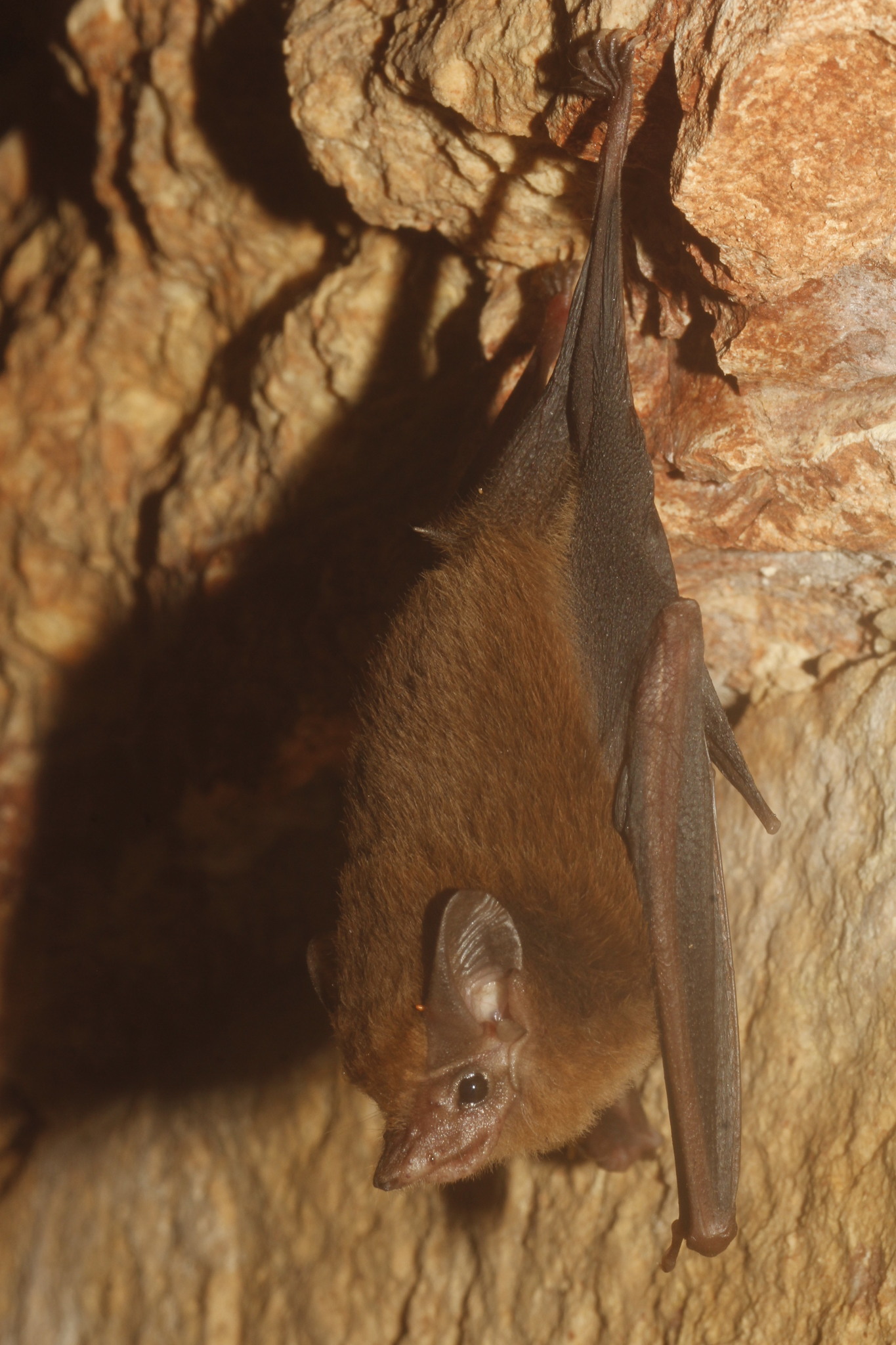
Peropteryx macrotis (Lesser Dog-like Bat) in the Pantanal
The Peropteryx macrotis, or lesser dog-like bat, is an essential insectivore of the Pantanal, controlling pests and maintaining ecological balance through its diet and unique social behavior.
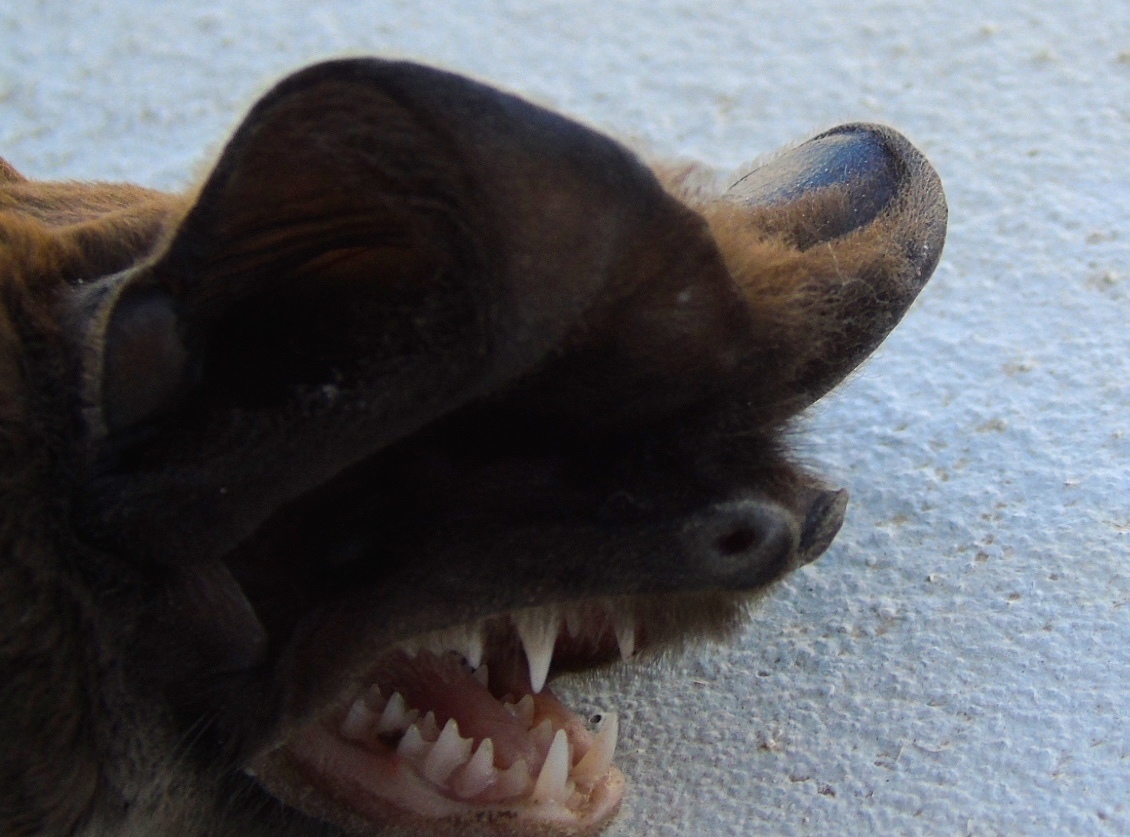
Rio Mutum: The Aquatic Heart of the Northern Pantanal
The Rio Mutum is a vital waterway in the Northern Pantanal, connecting the Chacororé and Sinhá Mariana bays and serving as a sanctuary for giant otters and jaguars.
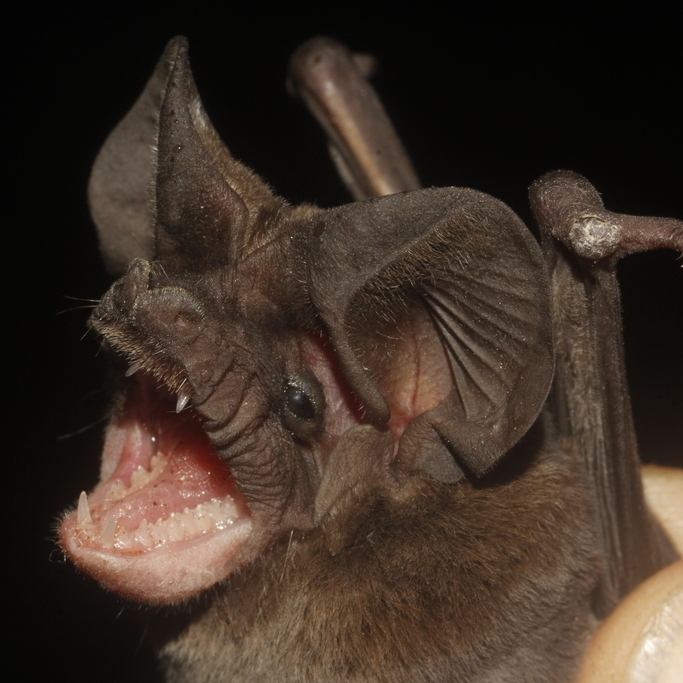
Nyctinomops laticaudatus (Broad-tailed Free-tailed Bat) in the Pantanal
Nyctinomops laticaudatus is an essential insectivorous bat for the Pantanal, controlling pests and maintaining ecological balance with its fast and high-altitude flight.
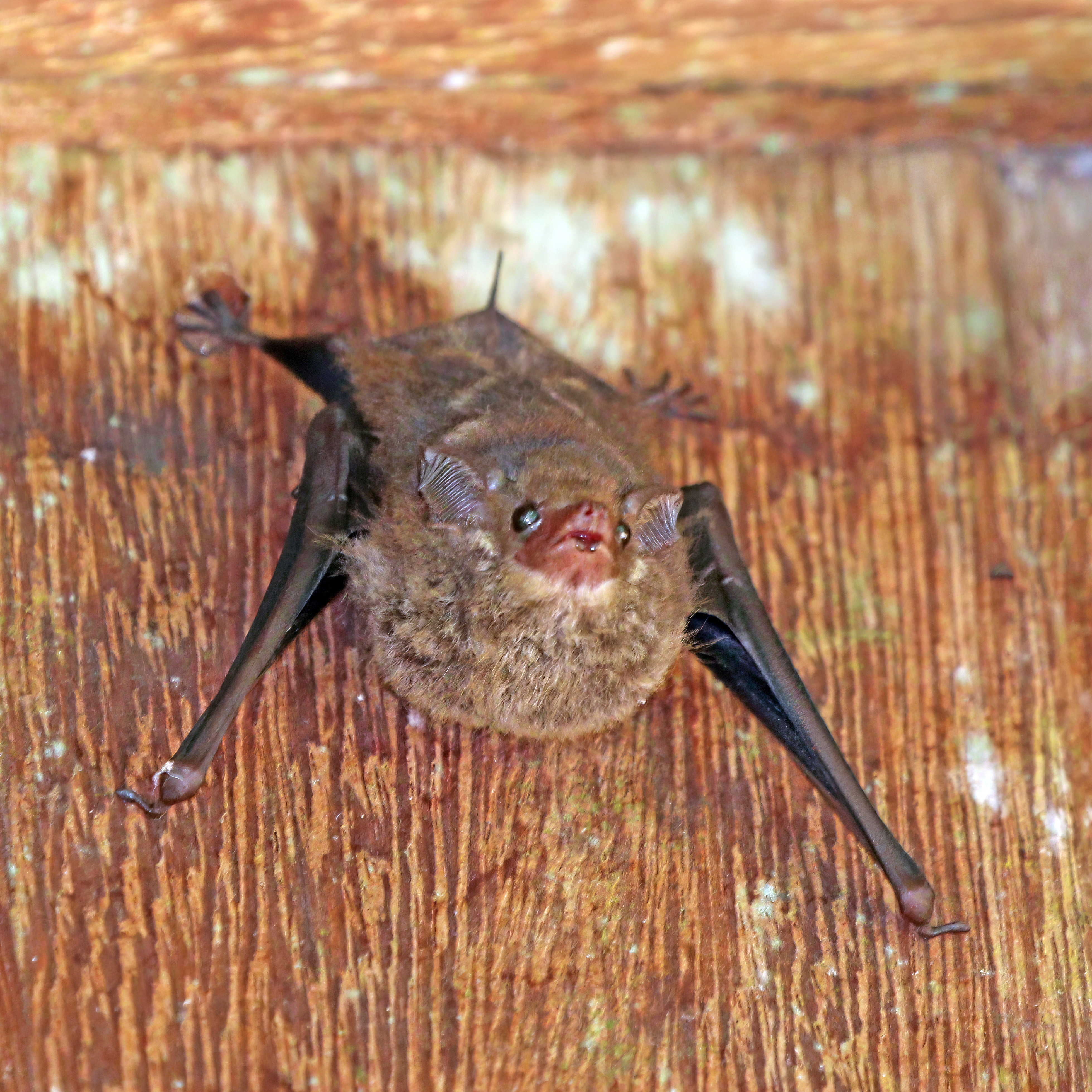
Saccopteryx bilineata (Greater Sac-winged Bat) in the Pantanal
Meet Saccopteryx bilineata, the greater sac-winged bat of the Pantanal. Discover its courtship rituals with perfumes, the curious babbling of pups, and its vital role in insect control.
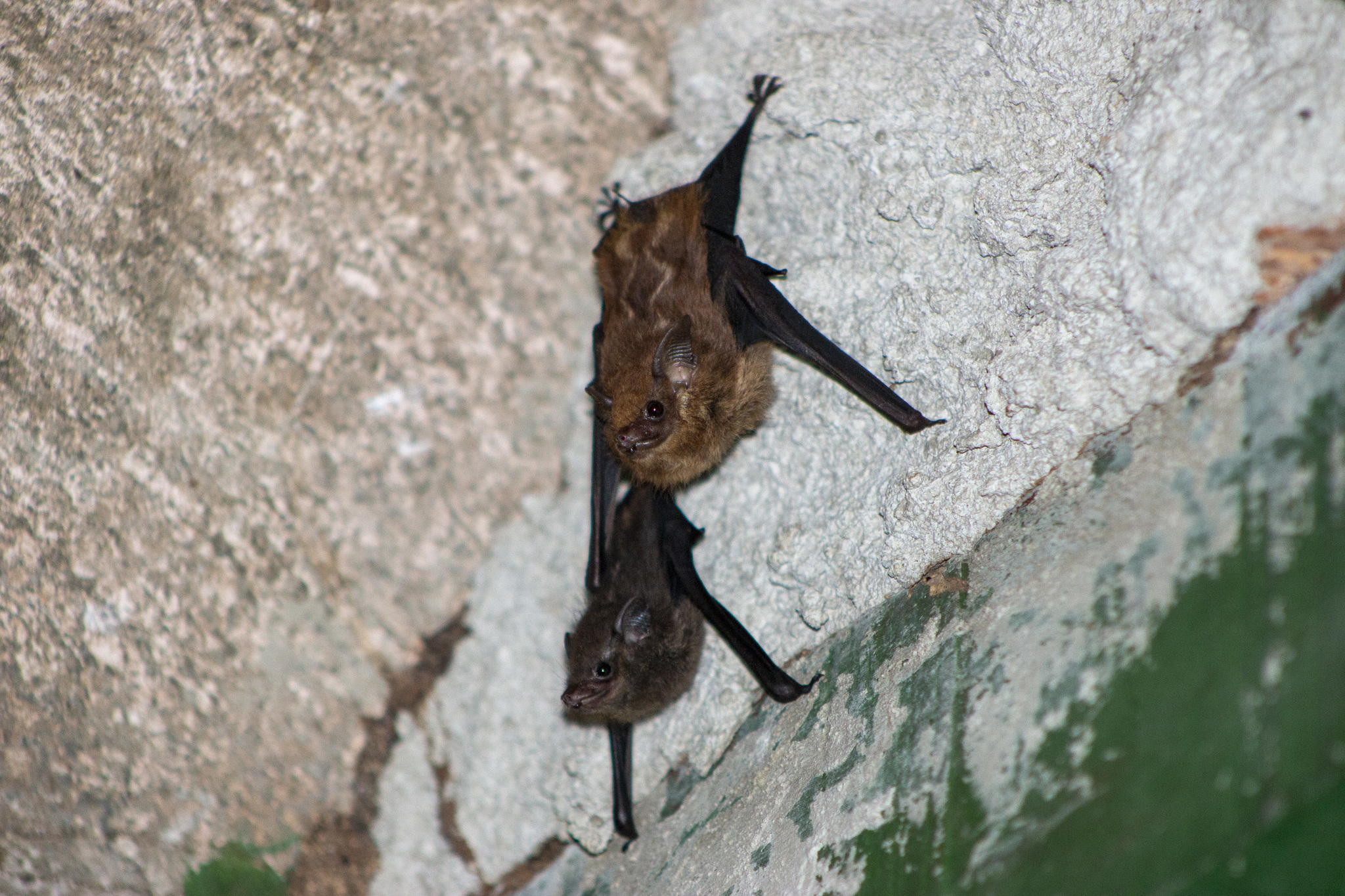
Saccopteryx leptura (Lesser Sac-winged Bat) in the Pantanal
The Saccopteryx leptura, or lesser sac-winged bat, is a small insectivore essential for the balance of the Pantanal, controlling insect populations and inhabiting riparian forests.
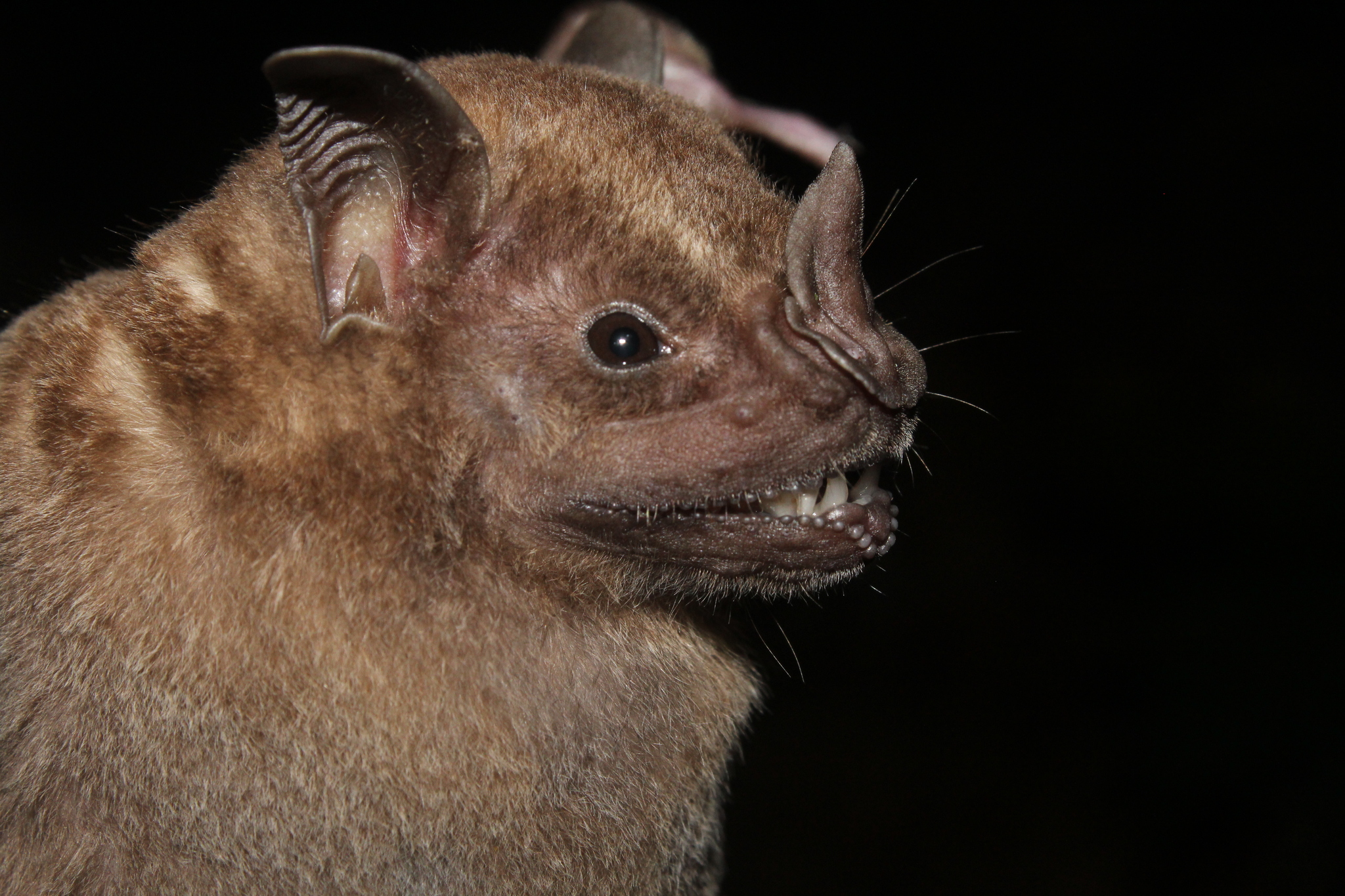
Artibeus planirostris (Flat-faced Fruit-eating Bat) in the Pantanal
Explore the life of Artibeus planirostris, the flat-faced fruit-eating bat of the Pantanal. A key species for forest regeneration through its tireless work as a seed disperser.
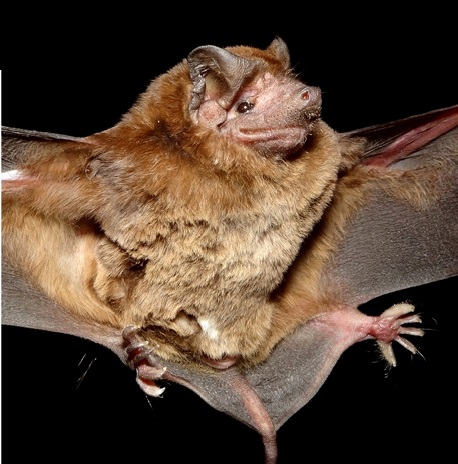
Molossus molossus (Pallas's Free-tailed Bat) in the Pantanal
Molossus molossus, or Pallas's free-tailed bat, is a small and fast insectivore essential for the Pantanal's balance, controlling pests and adapting to various habitats.
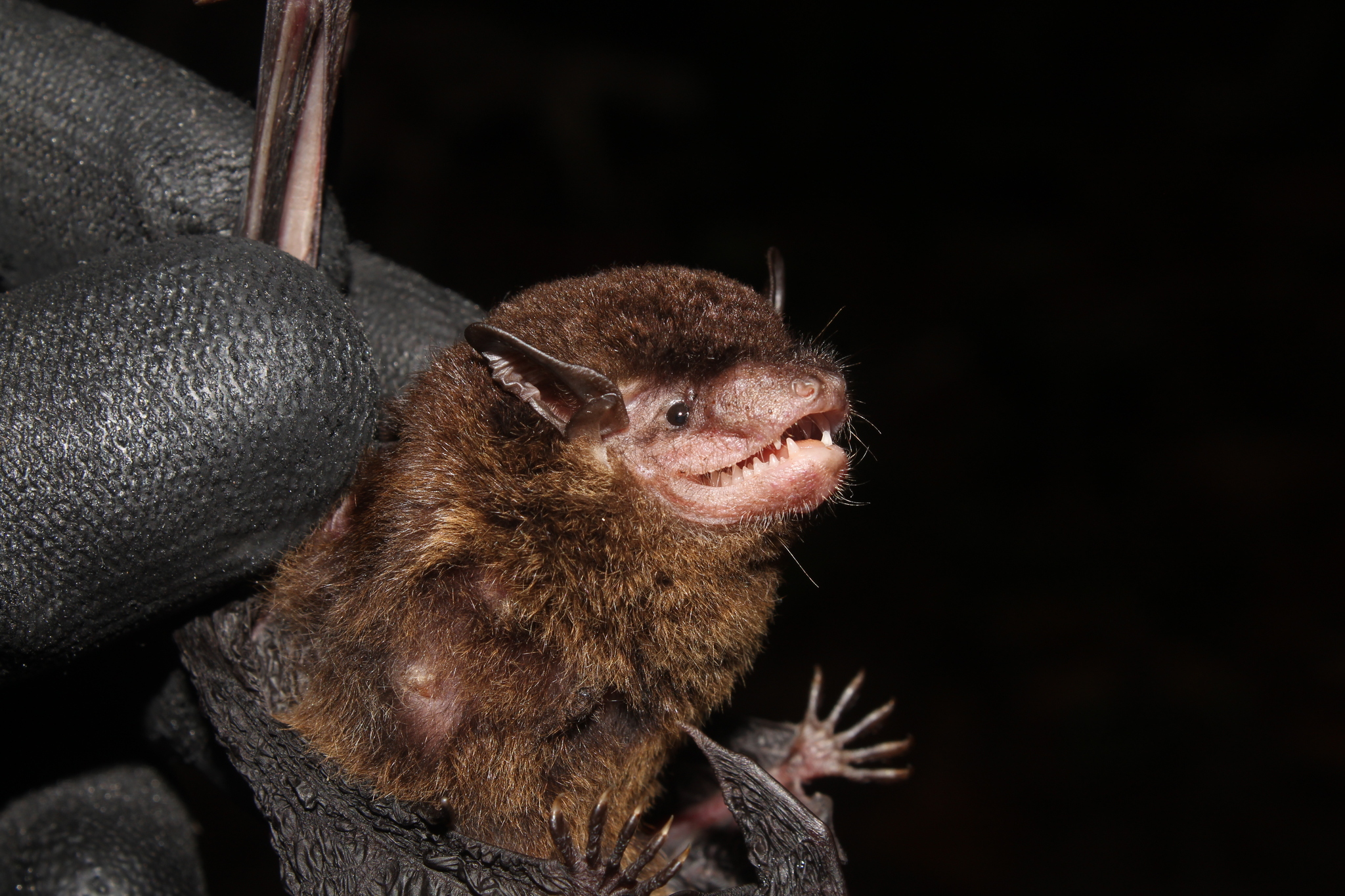
Eptesicus brasiliensis (Brazilian Brown Bat) in the Pantanal
Discover Eptesicus brasiliensis, the Brazilian brown bat. An essential insectivore of the Pantanal that controls pests and maintains ecological balance with its agile flight and nocturnal habits.
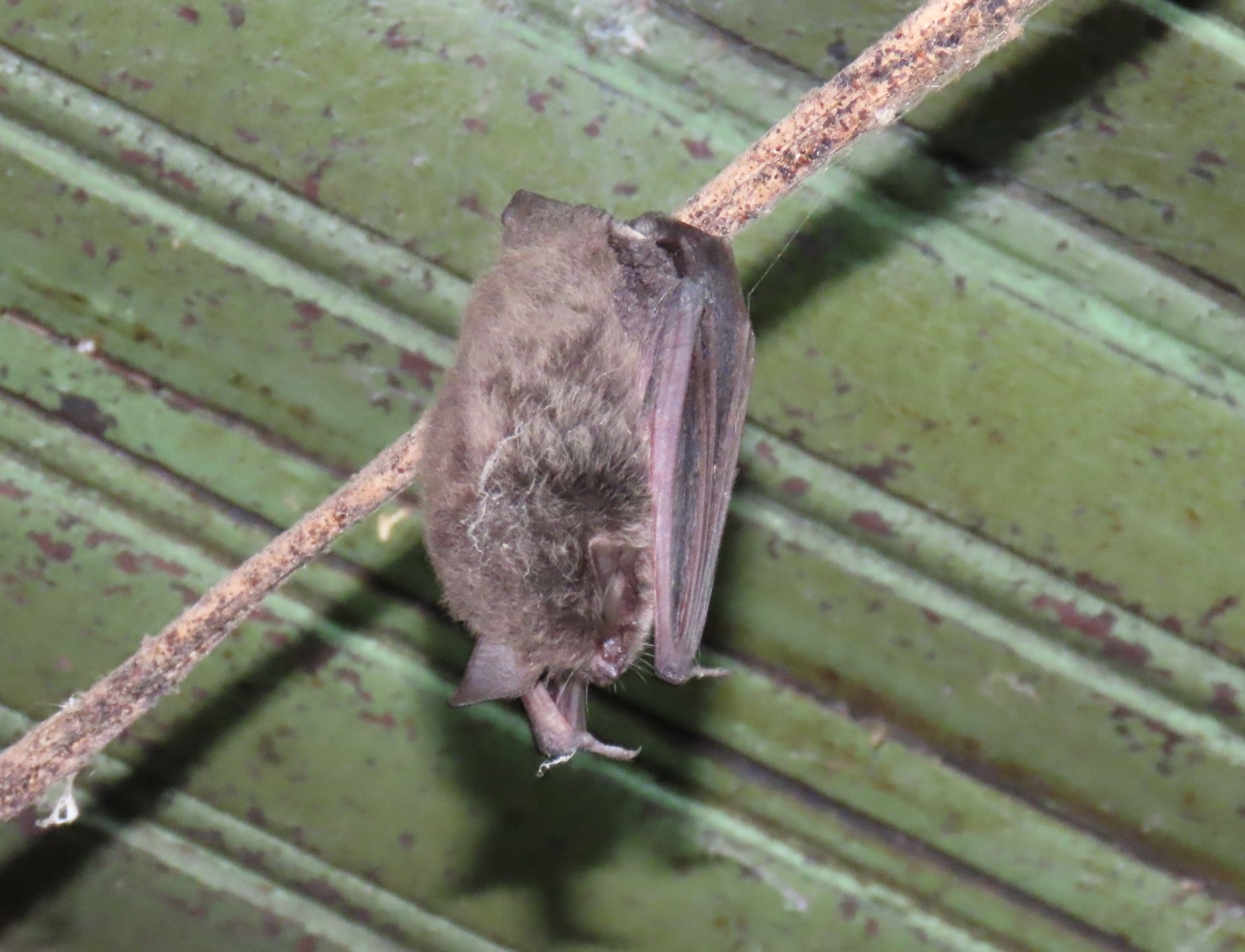
Myotis albescens (Silver-tipped Myotis) in the Pantanal
Myotis albescens, or the silver-tipped myotis, is a small insectivore essential for the Pantanal's balance, controlling pests and inhabiting areas near rivers and bays.
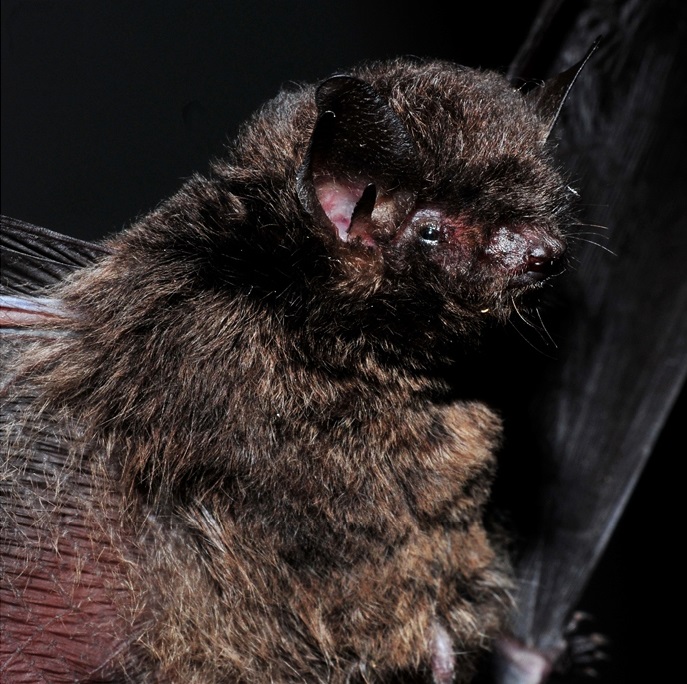
Myotis nigricans (Black Myotis) in the Pantanal
Myotis nigricans is a small insectivorous bat essential for the Pantanal's balance, acting in pest control and demonstrating great adaptation to the region's seasonality.
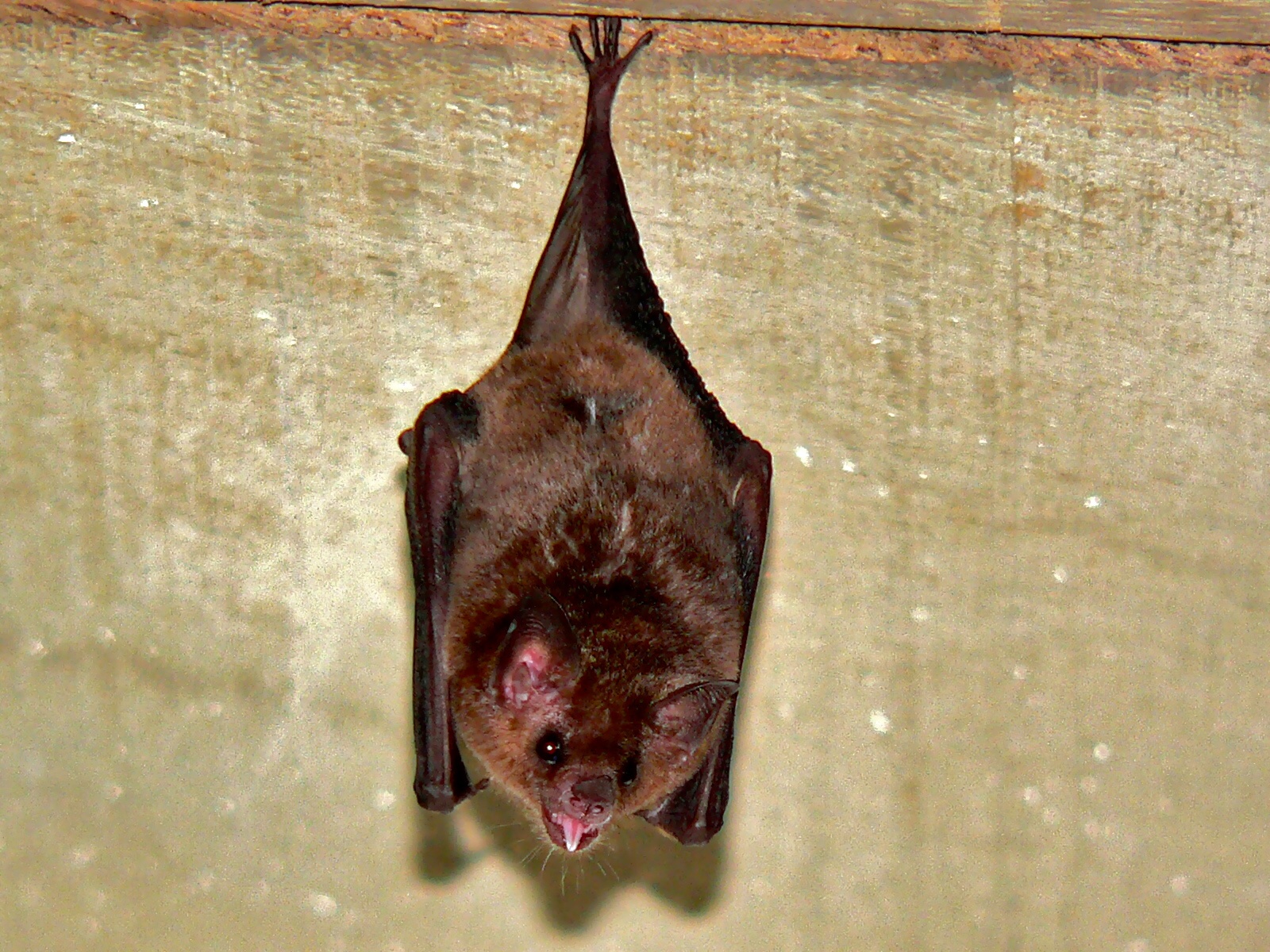
Glossophaga soricina (Pallas's Long-tongued Bat) in the Pantanal
Glossophaga soricina, known as Pallas's long-tongued bat, is a vital pollinator in the Pantanal. With its extensible tongue and hovering flight, it ensures the reproduction of native plants and the biome's balance.
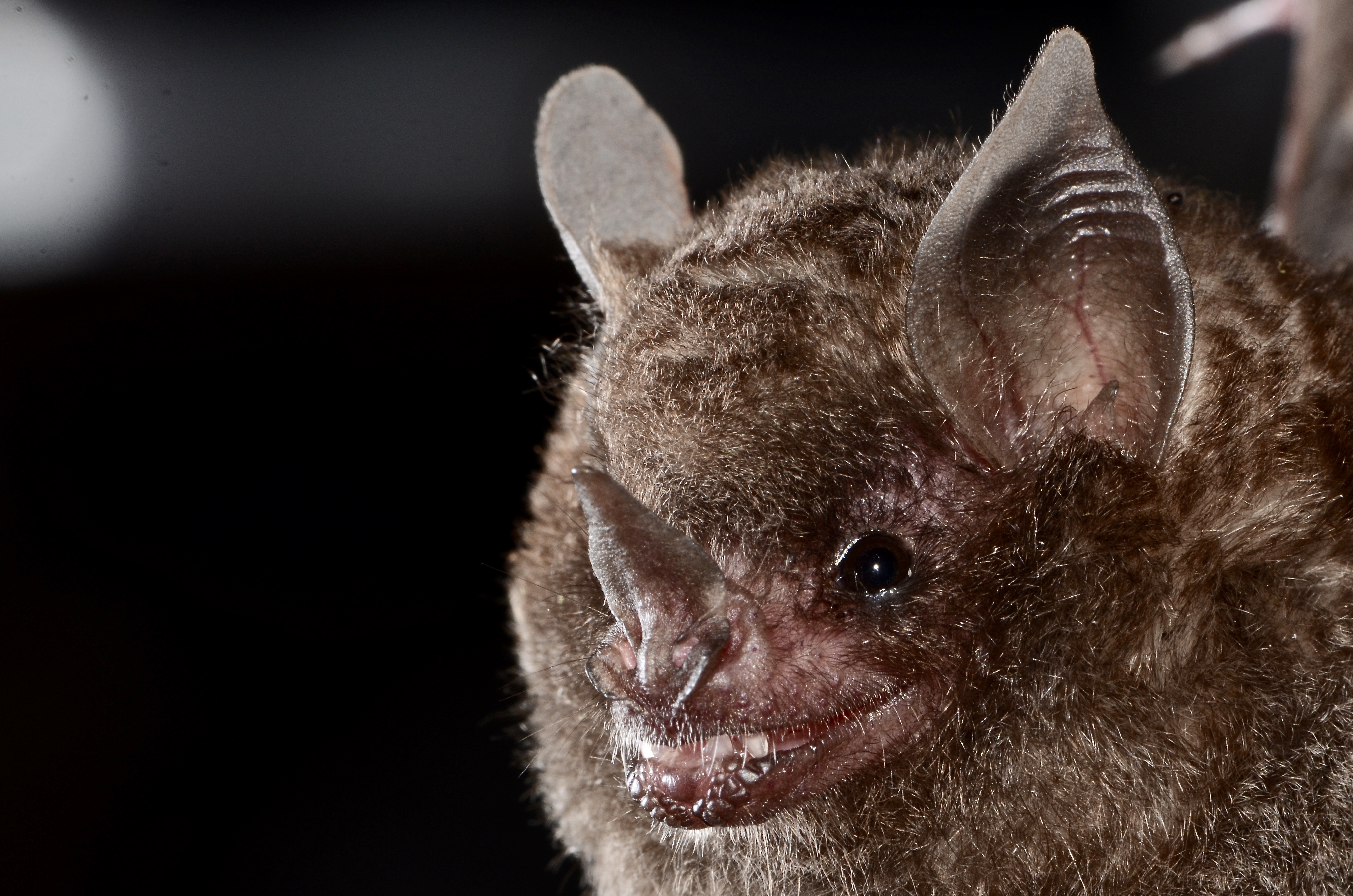
Carollia perspicillata (Seba's Short-tailed Bat) in the Pantanal
Discover Carollia perspicillata, the Seba's short-tailed bat of the Pantanal. A highly adaptable mammal and crucial seed disperser for the regeneration of the wetland's forests.
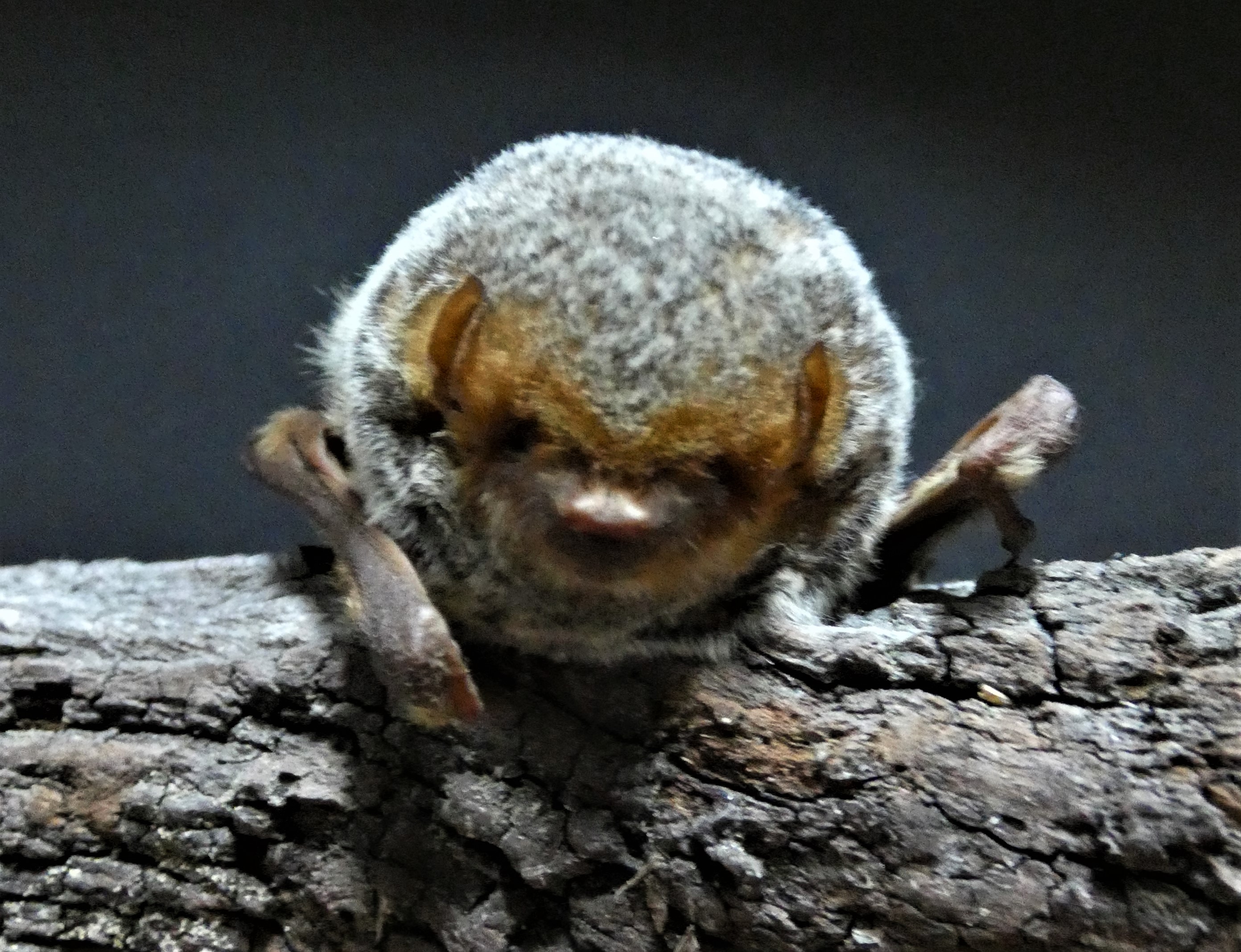
Lasiurus blossevillii (Desert Red Bat) in the Pantanal
Meet Lasiurus blossevillii, the desert red bat of the Pantanal. A small, solitary, and migratory predator that plays a vital role in insect control and ecological balance.
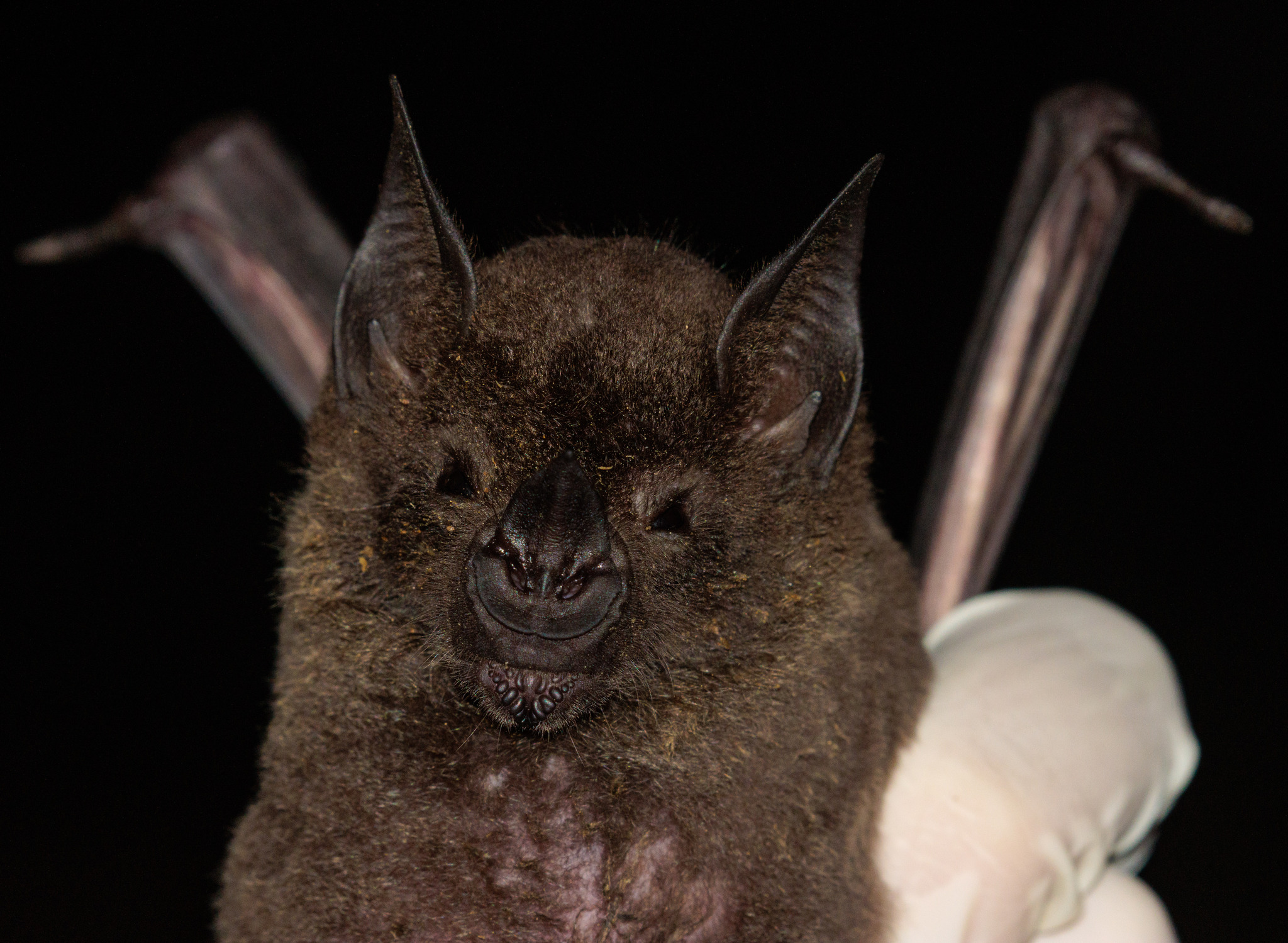
Phyllostomus hastatus (Greater Spear-nosed Bat) in the Pantanal
Discover Phyllostomus hastatus, the greater spear-nosed bat of the Pantanal. A robust omnivore and social mammal that plays a vital role in the wetland's ecosystem.
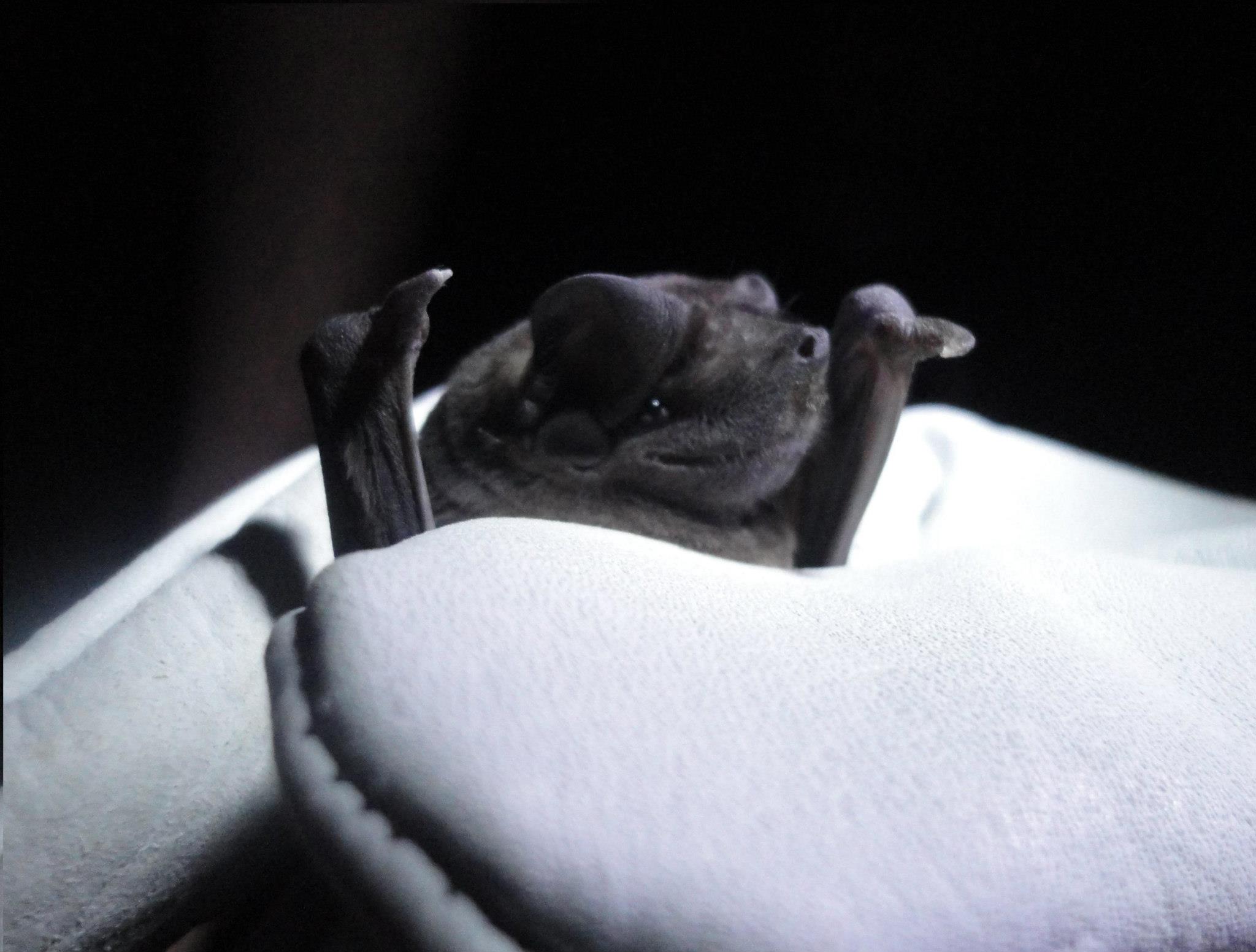
Molossus rufus (Black Mastiff Bat) in the Pantanal
Molossus rufus, or the black mastiff bat, is an essential aerial predator in the Pantanal, controlling insect populations with its fast flight and high biological specialization.
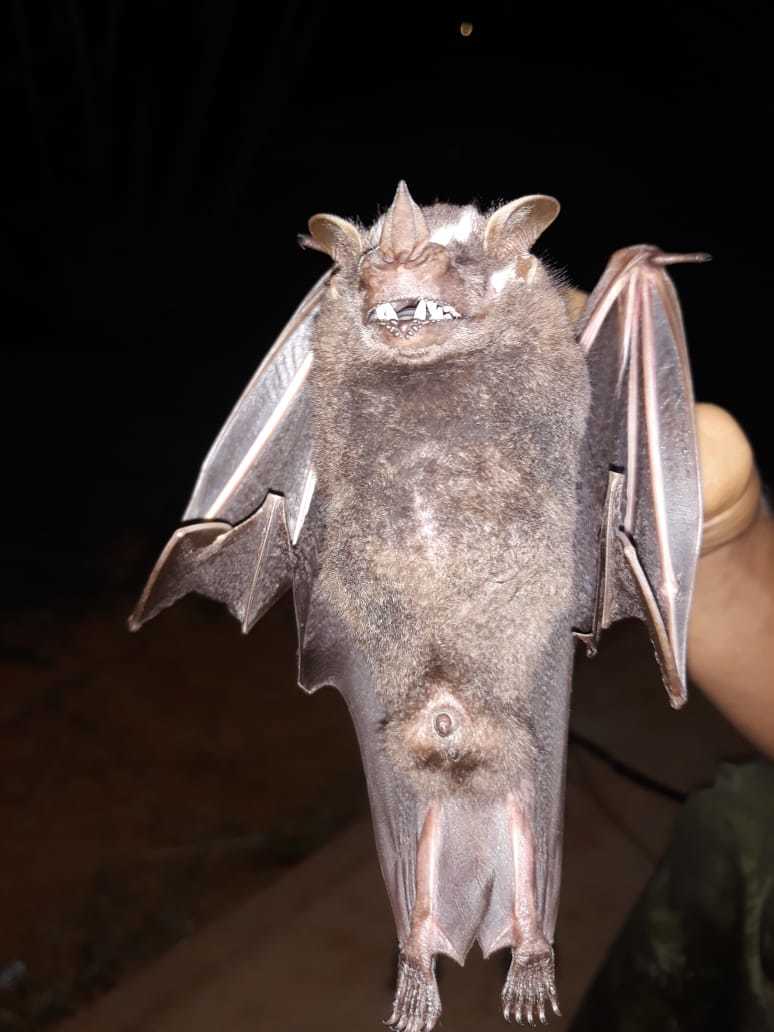
Artibeus lituratus (Great Fruit-eating Bat) in the Pantanal
Meet Artibeus lituratus, the great fruit-eating bat of the Pantanal. A robust mammal and essential seed disperser that maintains the forest diversity of the world's largest wetland.