
Introduction
Artibeus planirostris, popularly known as the flat-faced fruit-eating bat, is one of the most common and ecologically important species of the family Phyllostomidae in the Brazilian Pantanal. This bat plays a fundamental role in the maintenance and regeneration of the biome's forests, acting as one of the primary seed dispersers. Its ability to consume a wide variety of fruits and travel long distances during the night makes it a vital agent for the genetic diversity of Pantanal flora.
Scientific Classification
| Kingdom | Animalia |
| Phylum | Chordata |
| Class | Mammalia |
| Order | Chiroptera |
| Family | Phyllostomidae |
| Genus | Artibeus |
| Species | Artibeus planirostris |
| Common Name | Flat-faced fruit-eating bat |
In the complex ecosystem of the Pantanal, where seasonal floods dictate the availability of resources, Artibeus planirostris stands out for its resilience and adaptability. It is a robust bat, capable of exploiting different forest strata, from the canopy to the understory. Its presence is a clear indicator of the health of riparian forests and "cordilheiras," as its diet is strictly dependent on the continuous production of wild fruits.
Physical Description
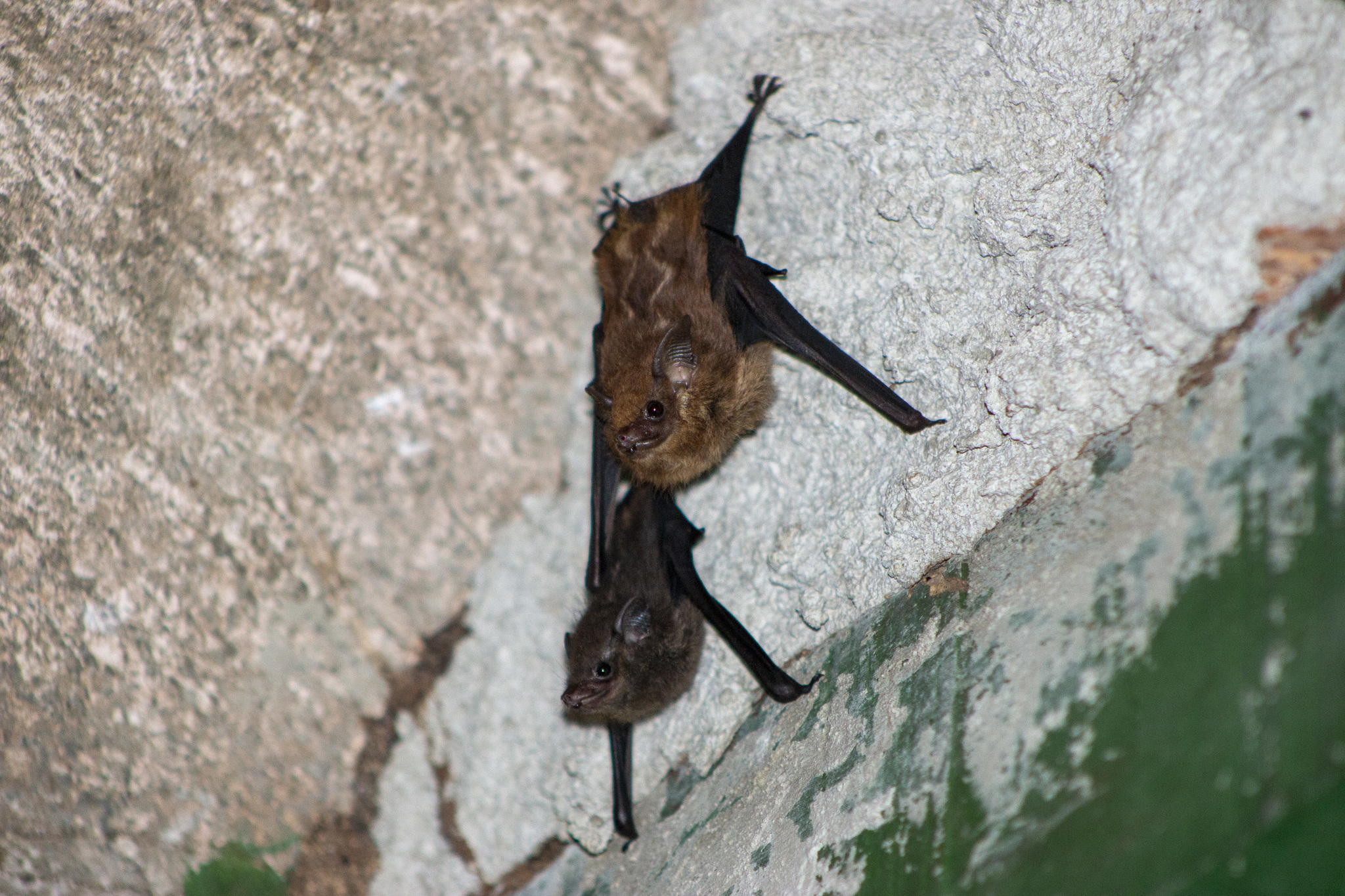
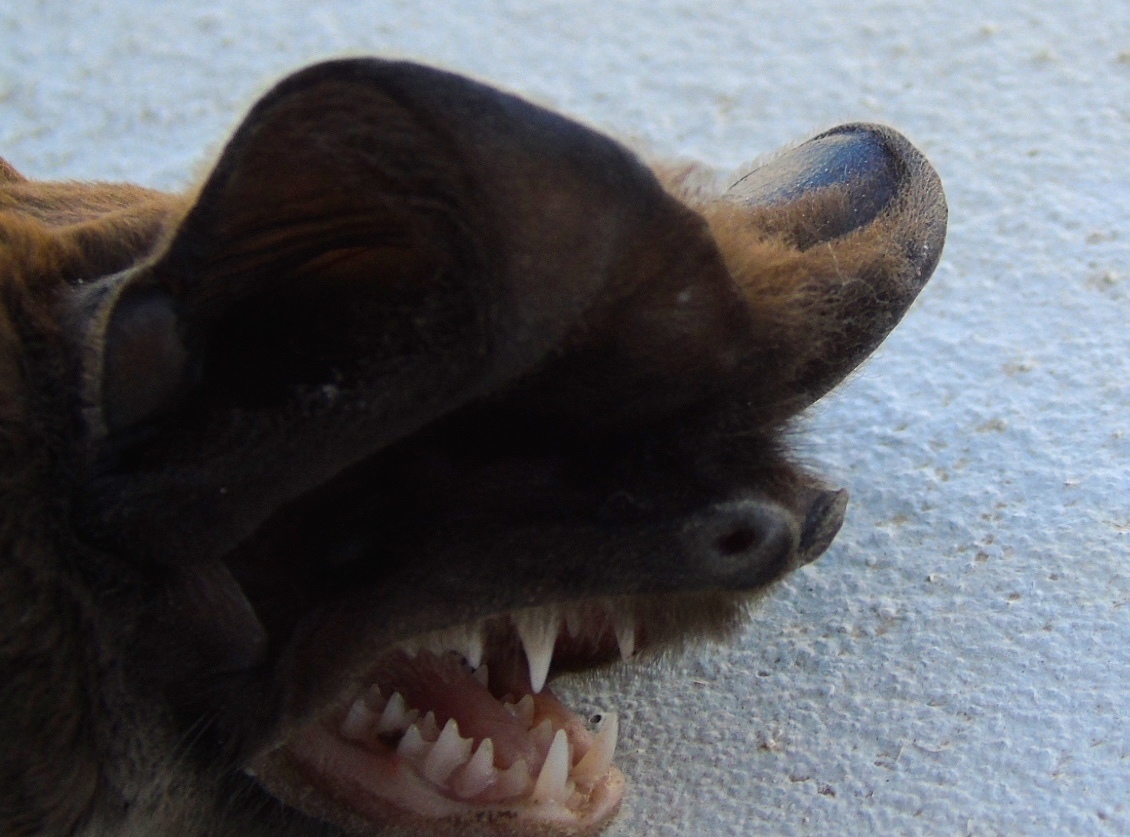
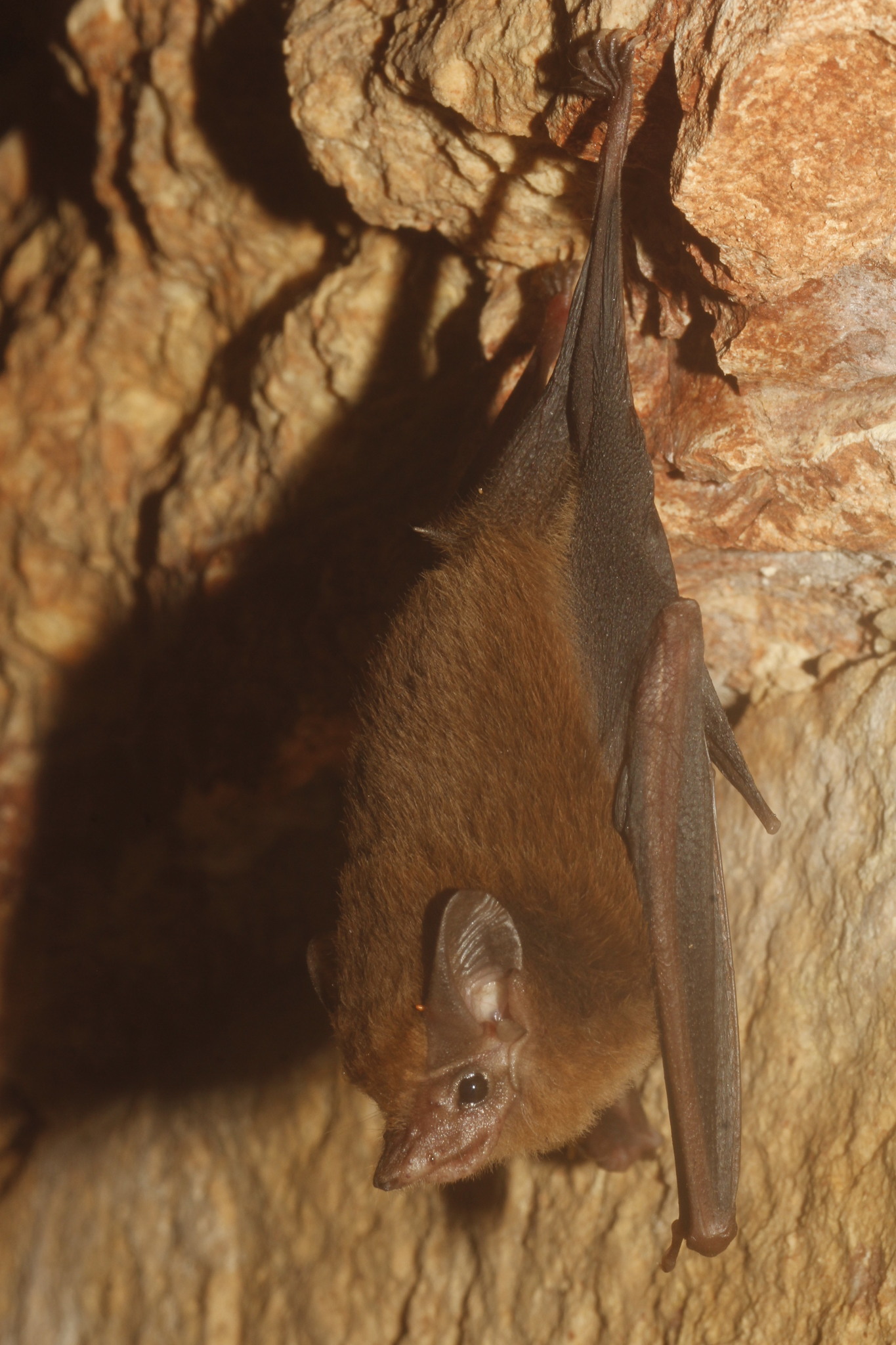
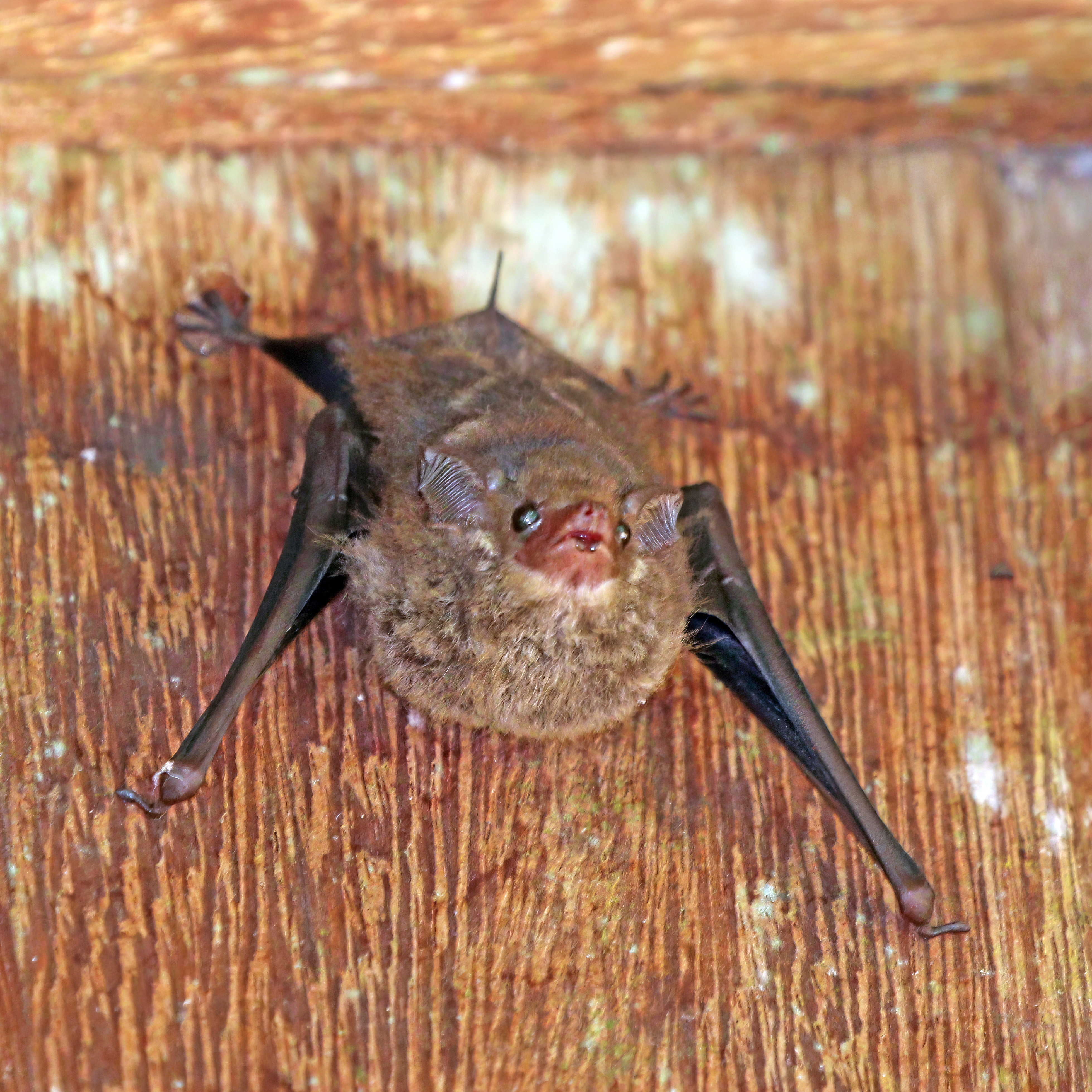
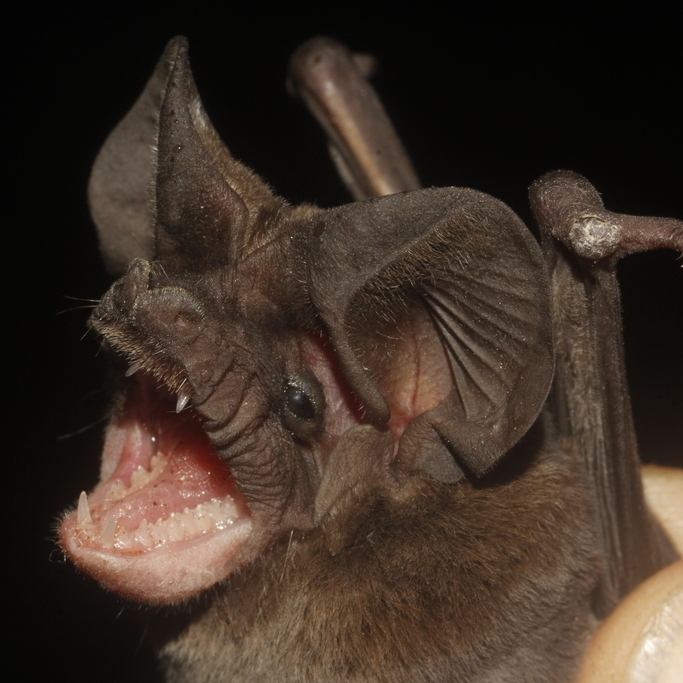
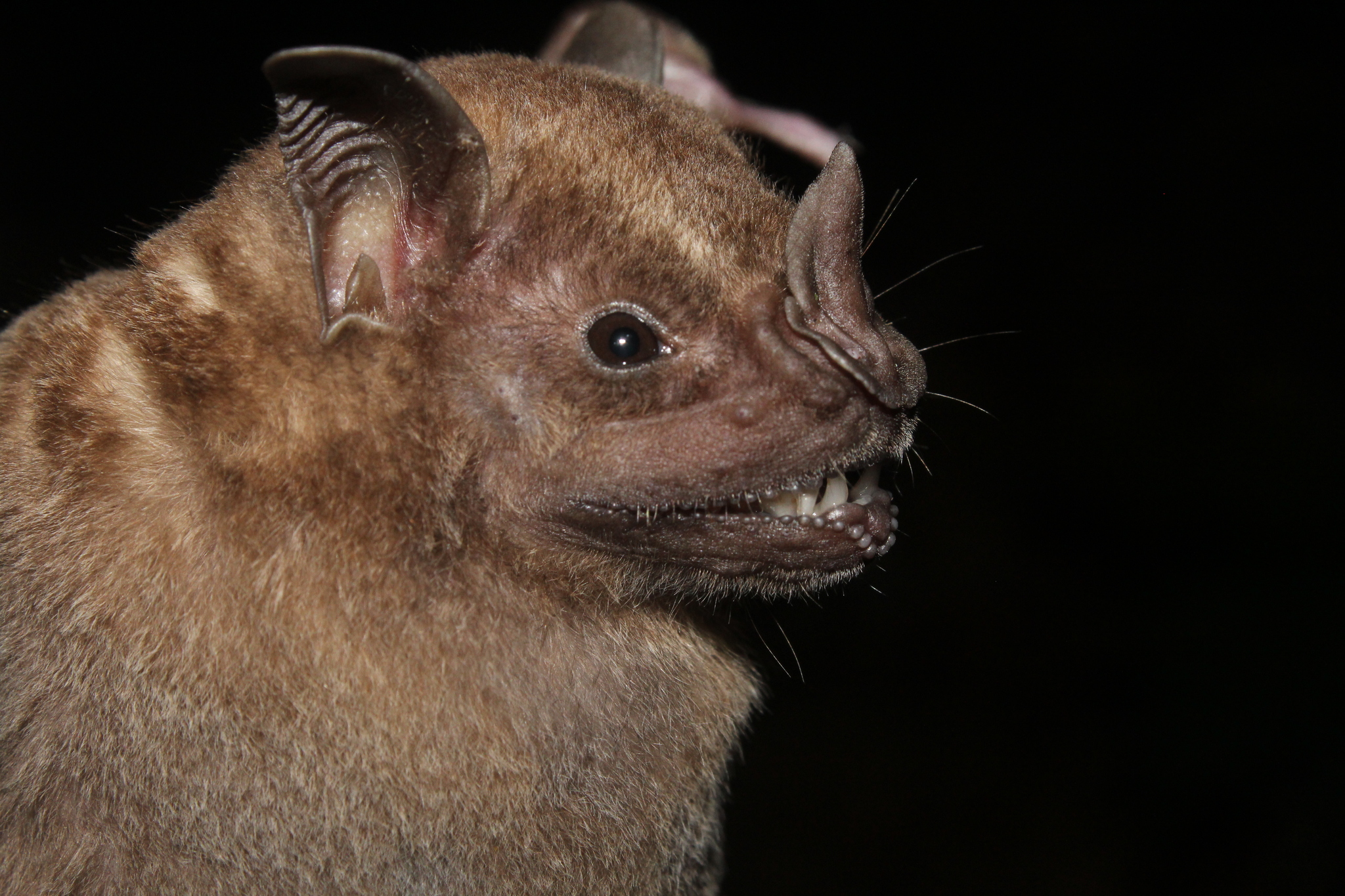
Artibeus planirostris is a medium-to-large bat, with a robust body and a characteristic "flat" face, which gives it its common name. Adults typically weigh between 40 and 55 grams, with a forearm length ranging from 62 to 73 millimeters. The fur is dense and soft, with a coloration that varies from grayish-brown to dark brown on the back, while the ventral part is slightly lighter and often has a frosted appearance due to the white tips of the hairs.
A striking feature of this species is the presence of four white stripes on the face, although they are generally less distinct than in its relative Artibeus lituratus. It possesses a well-developed nose-leaf, typical of the family Phyllostomidae, used for echolocation. The ears are medium-sized and rounded. Like other members of the genus, it lacks a visible external tail, and the uropatagium is narrow and deeply notched in a "V" shape, often with a fringe of hair on the edge.
Habitat and Distribution in the Pantanal
This species has a wide distribution in South America, occurring east of the Andes from Colombia to northern Argentina. In the Pantanal, it is one of the most frequently captured bats in scientific surveys, being found in almost all sub-regions. It occupies a variety of habitats, including gallery forests, seasonal forests, and forest islands (capões), as well as being common in areas of transition with the Cerrado.
During the day, Artibeus planirostris shelters primarily in the foliage of trees, where its coloration provides excellent camouflage against predators. They can also be found in hollow trees and, occasionally, in human structures like abandoned houses or under roofs in rural areas. In the Pantanal, they show a preference for sheltering in dense trees that offer protection against the intense sun and heavy seasonal rains.
Behavior
Artibeus planirostris is a nocturnal animal, initiating its foraging activities shortly after sunset. It is a social species, often forming small groups or colonies. Its flight is strong and direct, allowing it to cross open areas between forest fragments in search of food. Like other fruit-eating bats, it uses a combination of echolocation and a highly developed sense of smell to locate ripe fruits in the darkness of the forest.
An interesting behavior of this species is its efficiency in foraging. They often pick a fruit and carry it to a temporary perch, known as a "feeding roost," located some distance from the parent tree. This behavior reduces the time spent in the fruiting tree, where the risk of predation is higher, and simultaneously promotes seed dispersal over a wider area. In the Pantanal, these feeding roosts can often be identified by the accumulation of discarded fruit pulp and seeds on the ground.
Diet
The diet of Artibeus planirostris is almost exclusively frugivorous. In the Pantanal, it consumes a wide range of fruits, with a marked preference for figs (Ficus spp.). Figs are a key resource in the biome, as different species fruit at different times of the year, providing a constant food source. Other important items include fruits from the embaúba (Cecropia spp.), various palms, and fruits from the family Solanaceae.
In addition to fruits, this bat may occasionally consume nectar, pollen, and even some insects, especially during the dry season when fruit availability may decrease. However, its role as a seed disperser is its most significant ecological contribution. By swallowing small seeds and discarding larger ones, Artibeus planirostris ensures that many plant species can colonize new areas, maintaining the structure and diversity of the Pantanal forests.
Reproduction
The reproductive cycle of Artibeus planirostris in the Pantanal is generally synchronized with the seasonal availability of fruits. The species typically exhibits a bimodal polyestry pattern, with two reproductive peaks per year. These peaks often coincide with the periods of greatest fruit abundance, ensuring that females have enough energy for gestation and lactation. Gestation lasts about 3.5 to 4 months, and usually, a single pup is born per pregnancy.
Parental care is provided exclusively by the female, who invests significant energy in protecting and feeding the pup. The mother carries the pup during the first days of life and nurses it until it is large enough to fly and forage on its own. In the Pantanal ecosystem, the birth of pups often coincides with the start of the rains and the subsequent mass fruiting of trees like the embaúba. This biological synchrony ensures that lactating females have access to a nutrient-rich diet to sustain milk production. Sexual maturity is reached relatively early, allowing the population to recover from environmental fluctuations caused by extreme droughts or exceptional floods, common events in the Pantanal dynamics.
Conservation Status
Globally, Artibeus planirostris is classified by the International Union for Conservation of Nature (IUCN) as a species of Least Concern (LC). In Brazil, its situation is similar, being a common and widely distributed species. However, in the specific context of the Pantanal, the species faces increasing threats due to habitat loss. The deforestation of riparian forests for pasture creation and the occurrence of large-scale forest fires destroy their shelter sites and food sources.
Forest fragmentation hinders the movement of bats and reduces the effectiveness of seed dispersal, which can lead to a decline in plant diversity in the long term. Although not in immediate danger of extinction, the conservation of Artibeus planirostris populations in the Pantanal depends on the preservation of ecological corridors and the maintenance of the natural hydrological regime, which sustains the productivity of the forests on which these bats entirely depend.
Fun Facts
A fascinating fact about Artibeus planirostris is its incredible efficiency as a "winged reforester." It is estimated that a single individual can disperse hundreds of seeds in a single night, covering areas that are often inaccessible to other terrestrial dispersers. In the Pantanal, they are fundamental for the propagation of the strangler fig, a tree that begins its life as an epiphyte and whose seeds need to be deposited high up in other trees — a task performed perfectly by the bats.
Furthermore, although they are primarily frugivorous, their contribution to the control of insect populations, even if opportunistically, should not be underestimated. The symbiotic relationship between the bat and the Pantanal flora is so close that the absence of this species could lead to the collapse of the regeneration of several tree species fundamental to the biome's structure. Interestingly, despite their importance, they are still surrounded by myths; however, for the Pantanal ecosystem, Artibeus planirostris is a true guardian of the forest, working silently under the cover of night to ensure that the cycle of life continues to flourish.
References
[1] IUCN. (2015). *Artibeus planirostris*. The IUCN Red List of Threatened Species. Available at: https://www.iucnredlist.org/species/88150821/22000572
[2] REIS, N. R.; LIMA, I. P.; PERACCHI, A. L.; LIMA, M. M.; ROCHA, V. J. (2007). *Morcegos do Brasil: Guia de Campo*. Technical Books Editora.
[3] AGUIAR, L. M. S.; MACHADO, R. B. (2004). *Guia de Campo de Morcegos do Cerrado*. Embrapa Cerrados.
[4] EMBRAPA PANTANAL. (2010). *Biodiversidade do Pantanal: Morcegos*. Embrapa Pantanal. Available at: https://www.embrapa.br/pantanal/publicacoes
[5] ALHO, C. J. R. (2008). *Biodiversidade do Pantanal*. Editora UNIDERP.
[6] SOS PANTANAL. (2023). *A importância dos morcegos para o Pantanal*. SOS Pantanal. Available at: https://sospantanal.org.br/a-importancia-dos-morcegos-para-o-pantanal/
[7] BERNARDI, I. P.; PASSOS, F. C.; GREGORIN, R. (2011). *Morcegos do Paraná: Guia de Identificação*. Editora da Universidade Federal do Paraná.