
Introduction
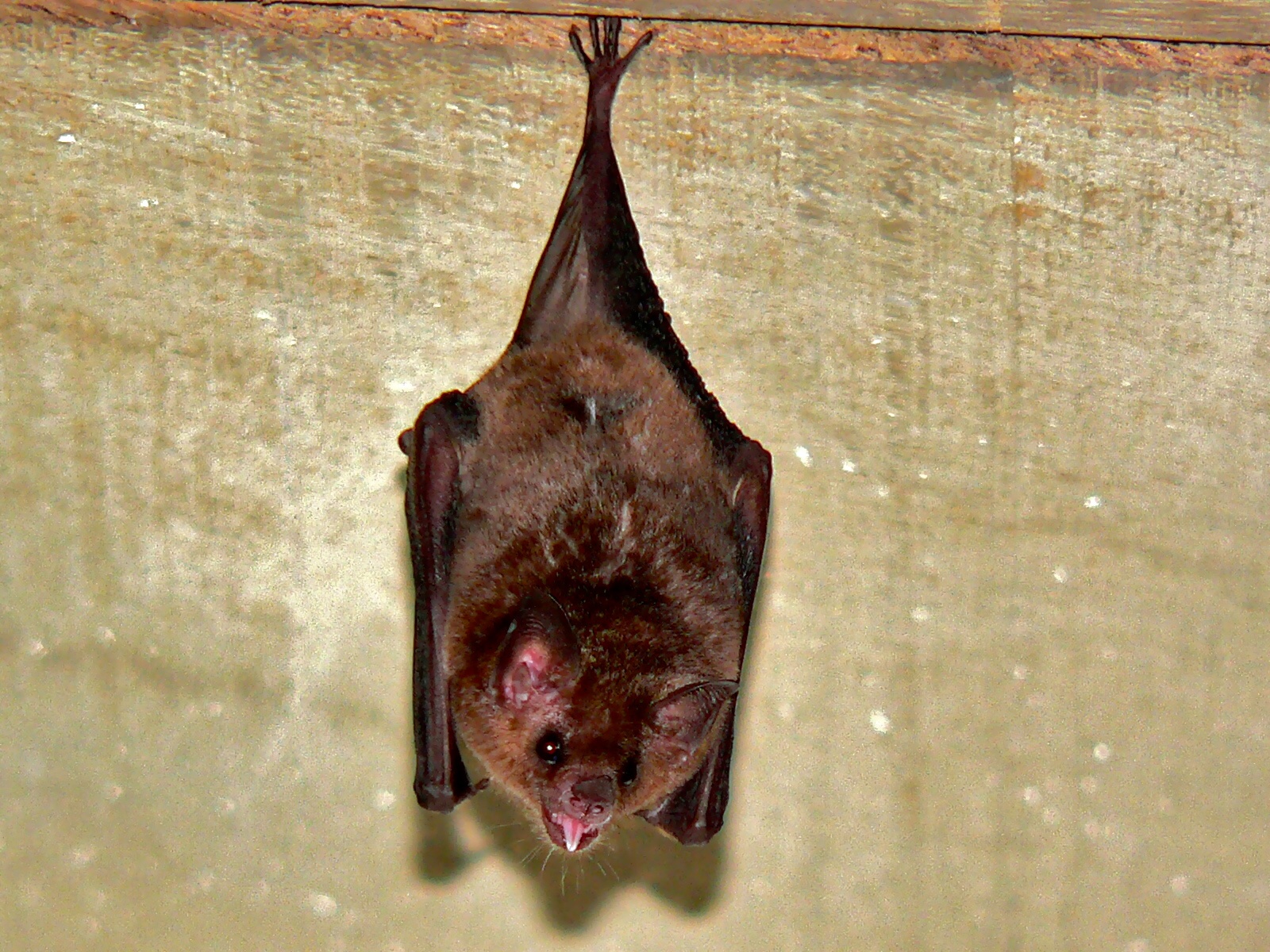
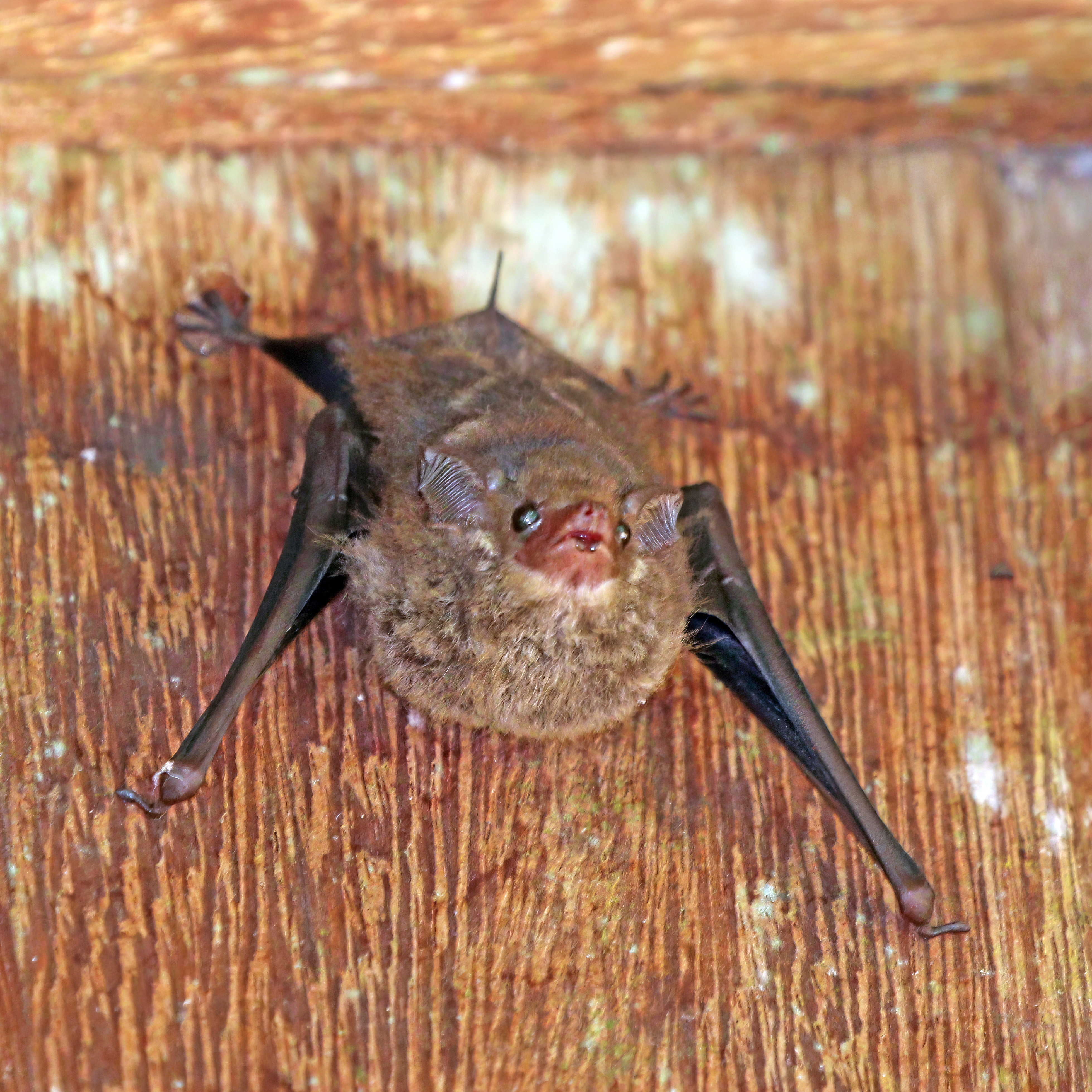
The Saccopteryx bilineata, popularly known as the greater sac-winged bat or two-lined bat, is one of the most emblematic and easily observable chiropteran species in the Brazilian Pantanal. Belonging to the family Emballonuridae, this small flying mammal plays a vital ecological role as one of the main biological control agents of insects in the world's largest flooded plain. Its presence is an indicator of environmental health, especially in riparian forest areas and gallery forests, where the abundance of water resources favors the proliferation of its usual prey.
Scientific Classification
| Kingdom | Animalia |
| Phylum | Chordata |
| Class | Mammalia |
| Order | Chiroptera |
| Family | Emballonuridae |
| Genus | Saccopteryx |
| Species | Saccopteryx bilineata |
| Common name | Greater sac-winged bat |
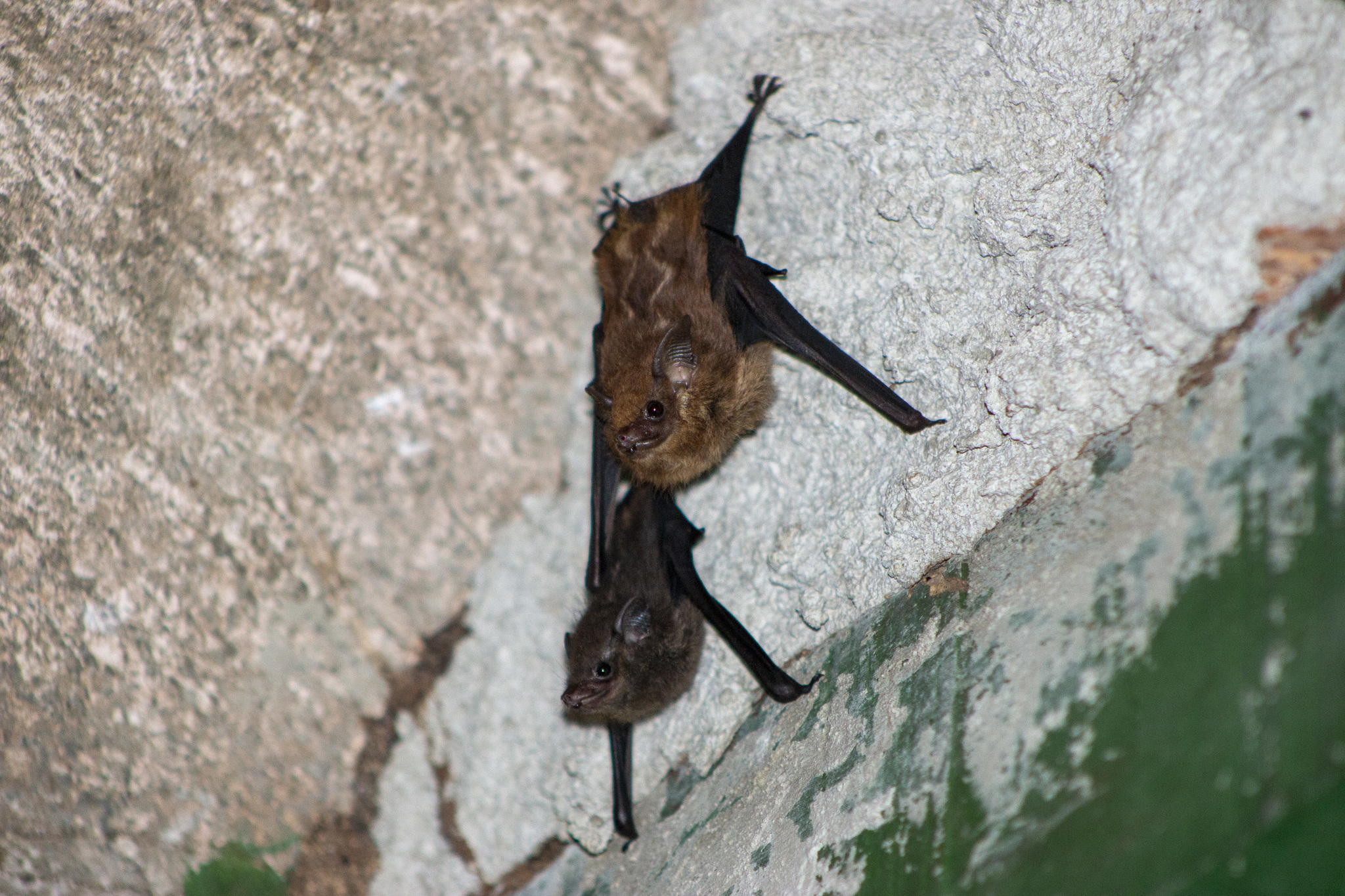
Unlike many other bat species that hide in deep caves or dense foliage, S. bilineata has the peculiar habit of taking refuge in relatively exposed locations, such as tree trunks and human structures. In the Pantanal ecosystem, this visibility allows researchers and wildlife observers to closely follow its complex social behaviors and courtship rituals, which involve the use of specialized scent glands located in its wings. Its classification on the IUCN Red List as "Least Concern" (LC) reflects its wide distribution, although the conservation of its specific habitats in the Pantanal is crucial for the maintenance of its local populations.
The importance of the greater sac-winged bat for the Pantanal transcends its individual biology. By consuming large quantities of insects daily, many of which are considered agricultural pests or disease vectors, this species contributes directly to the balance of food chains and the well-being of human communities in the region. The study of its ecology in the Pantanal reveals a fascinating adaptation to the seasonal variations of flood and drought, fundamental characteristics of this unique biome.
Physical Description
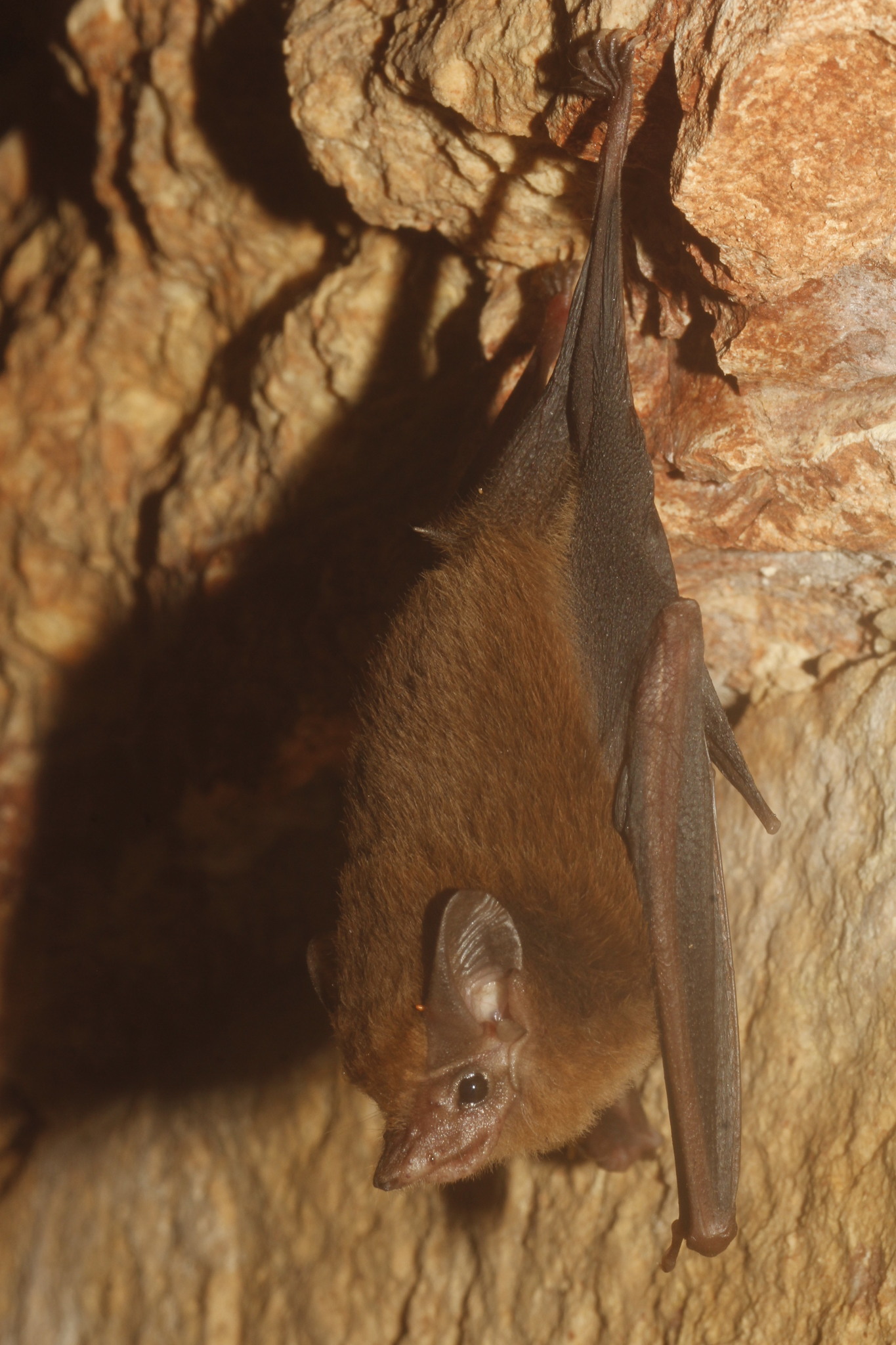
The Saccopteryx bilineata is a small bat, but with striking morphological characteristics that facilitate its identification in the field. The most distinctive feature is the two longitudinal whitish or yellowish stripes that run along its dark back, extending from the shoulders to the uropatagium region (the membrane between the hind legs). These stripes present a wavy pattern that helps in camouflage against the irregular background of the tree bark where they usually rest during the day.
In terms of dimensions, the species presents a slight sexual dimorphism, with females generally being larger than males. The total body length varies between 73 and 78 mm, with a forearm wingspan that oscillates between 47 and 49 mm. The average weight of a healthy adult is between 8.5 and 9.3 grams. The fur is dense and soft, with a coloration that varies from dark brown to almost black on the back, while the ventral region tends to be slightly lighter.
| Feature | Average Measurement |
|---|---|
| Total Length | 73 - 78 mm |
| Adult Weight | 8.5 - 9.3 g |
| Forearm Length | 47 - 49 mm |
| Dorsal Coloration | Dark brown with two white stripes |
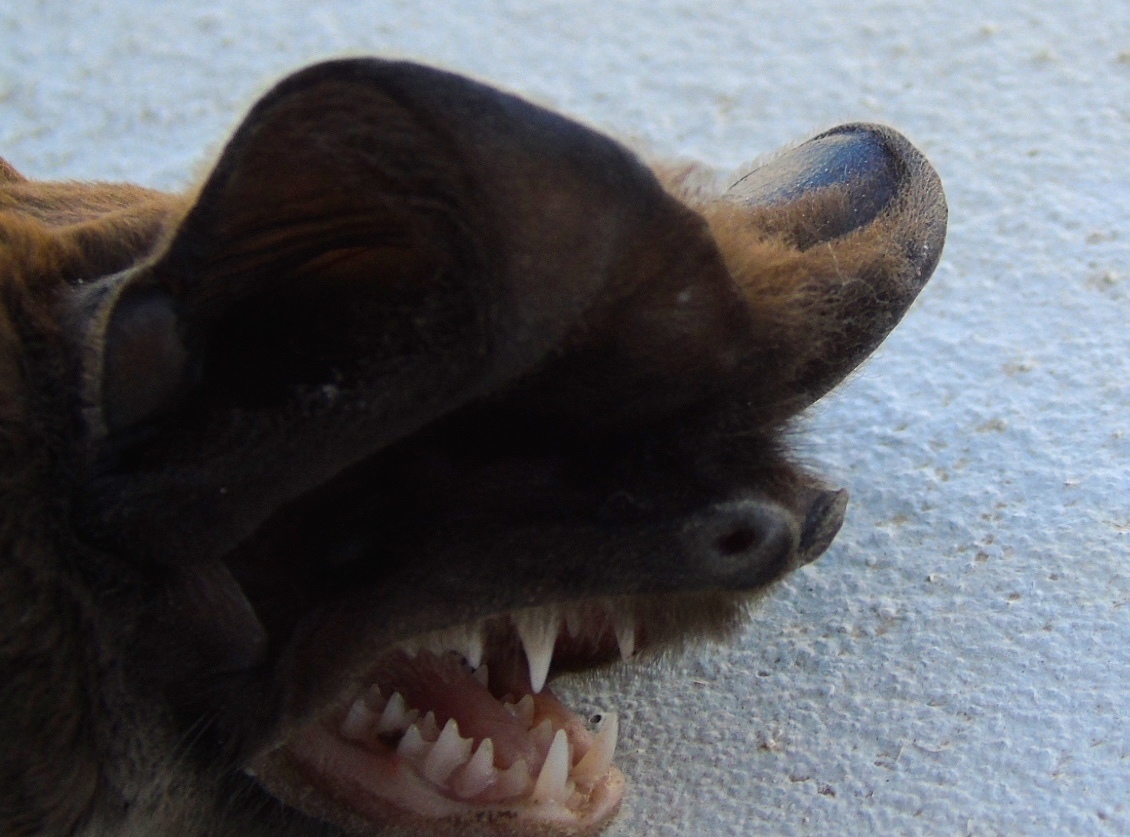
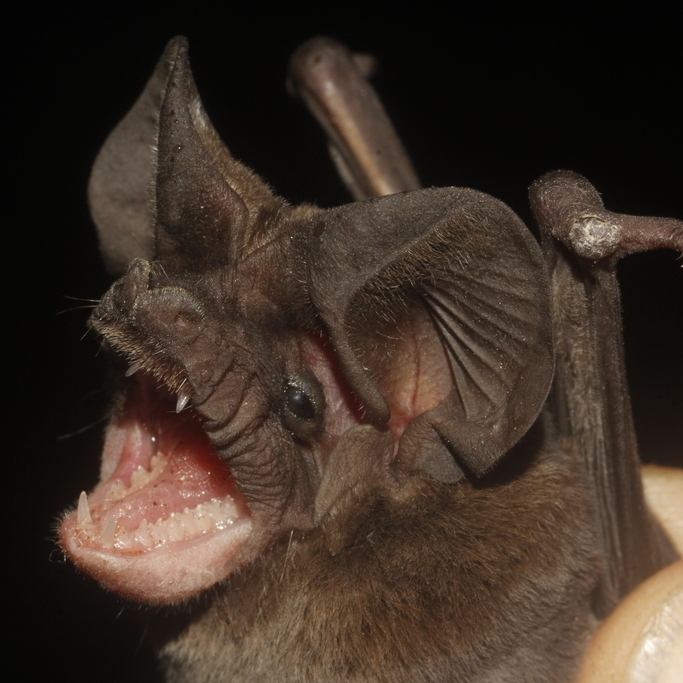
| Dental Formula | 1/3, 1/1, 2/2, 3/3 (Total: 32 teeth) |
Another fundamental feature, which gives the species its name, are the wing sacs located in the wing membrane (propatagium), near the elbow. These sacs are scent glands more developed in males, who use them to store a mixture of glandular secretions, saliva, and urine, creating a unique "perfume" used in social and reproductive displays. Unlike other bats, S. bilineata does not have a nose leaf, presenting a simple and slightly elongated snout.
Habitat and Distribution in the Pantanal
In the Pantanal, Saccopteryx bilineata finds an ideal environment due to the vast network of watercourses and associated forest formations. The species demonstrates a clear preference for riparian forests and gallery forests, which offer both refuge sites and insect-rich areas for feeding. Although it is a typically forest species, its ecological plasticity allows it to occur in transition areas between the Cerrado and the Pantanal, as well as in rural areas and even in urban peripheries where large trees exist.
Daytime refuges are strategically chosen to offer protection against predators, while maintaining a certain luminosity. In the Pantanal, it is common to find them in:
- Trunks of large trees (such as the Fig and Landi), where they attach to the outside or in shallow cavities;
- Crevices in rocky outcrops on the edges of the Pantanal plain;
- Artificial structures, such as under wooden bridges or on the external walls of abandoned rural buildings.
The geographical distribution of the species is wide, spanning from southern Mexico to southeastern Brazil. In the context of the Pantanal, it is present in both the North Pantanal (Mato Grosso) and the South Pantanal (Mato Grosso do Sul), being particularly abundant in areas near the Paraguay River and its tributaries. The seasonality of the biome, with its flood and dry cycles, influences the availability of refuges, forcing bats to move between different areas of the plain as the water level changes the landscape.
Behavior
The social behavior of Saccopteryx bilineata is one of the most complex and studied among Neotropical bats. The species organizes itself into a harem system, where a single male defends a resting territory that houses two to nine females. This male invests a considerable amount of energy in maintaining the harem, using visual, olfactory, and auditory signals to attract and keep females, in addition to repelling rival males.
One of the most fascinating displays is the behavior known as "salting." During the day, in the refuges, the male hovers briefly in front of a female and fans his wings vigorously, directing the scent from his wing sacs toward her. This "perfume" is carefully prepared by the male, who cleans the sacs with saliva and urine, creating a unique chemical signature. Furthermore, the species is famous for its complex vocalizations; S. bilineata pups go through a "babbling" phase, similar to human babies and some primates, where they practice the sounds they will use in adulthood for social and territorial communication.
Although they are nocturnal animals for foraging purposes, greater sac-winged bats are quite active during the day in their refuges. They spend hours maintaining their glands, interacting socially, and defending their positions. This daytime activity, combined with the choice of open resting sites, makes them privileged observation targets for animal ethology in the Pantanal.
Feeding
The Saccopteryx bilineata is a strict insectivore, playing a fundamental role in the control of invertebrate populations in the Pantanal. Its diet is mainly composed of small flying insects, with emphasis on beetles (Coleoptera), flies and mosquitoes (Diptera), and moths (Lepidoptera). The hunting strategy used is aerial capture, where the bat uses echolocation to detect, pursue, and capture its prey in mid-flight.
In the Pantanal ecosystem, these bats usually forage in open areas, such as forest clearings, forest edges, and, very frequently, over the surface of rivers and bays. Proximity to water is strategic, as these locations concentrate large clouds of aquatic insects that emerge at dusk. A single individual can consume hundreds of insects in a single night, which demonstrates its efficiency as a biological control agent.
"The foraging activity of Saccopteryx bilineata is highly synchronized with the peaks of insect abundance, occurring mainly in the first hours after sunset and again before dawn, ensuring maximum energy efficiency for the species."
The ecological role of this species in the Pantanal is invaluable. By controlling the insect population, they help reduce pest pressure on native vegetation and decrease the incidence of insects that can transmit diseases to other animals and humans. Furthermore, the guano (feces) deposited under their refuges serves as a rich source of nutrients for the soil and for small decomposing organisms, contributing to nutrient cycling in the biome.
Reproduction
The reproduction of the greater sac-winged bat in the Pantanal is marked by strong seasonality, generally synchronized with the region's rain cycles. The mating system is polygynous, centered on the defense of the harem by the dominant male. Although the male tries to monopolize the females in his territory, genetic studies indicate that females frequently mate outside the harem, a strategy that increases the genetic diversity of the offspring.
The gestation period is surprisingly long for an animal of its size, lasting about six months. In the Pantanal, births usually occur between the end of the dry season and the beginning of the rainy season (October to December), a period in which the supply of insects begins to increase drastically, ensuring sufficient food for the lactating female. Each female produces only one pup per year, which makes the species' recruitment rate relatively low and sensitive to environmental disturbances.
Parental care is exercised exclusively by the female. The pup is born well-developed and remains attached to the mother's body during the first days, including during some short flights. After about two weeks, the young begins to perform its first independent flights around the refuge, but continues to be nursed for up to two months. A notable aspect is the vocal learning that occurs during this period, with pups imitating the complex songs of the males, a rare behavior among mammals.
Conservation Status
Currently, Saccopteryx bilineata is classified by the IUCN as Least Concern (LC). This classification is due to its wide geographical distribution and its ability to occupy different types of habitats. However, in the Pantanal, the species faces specific challenges related to the loss of riparian forests and the use of pesticides in surrounding areas, which can affect the availability of its main food source.
The conservation of the greater sac-winged bat in the Pantanal depends on the preservation of the forest corridors that accompany the rivers and the maintenance of the large trees used as refuges. Protecting these habitats not only ensures the survival of S. bilineata but also benefits a myriad of other species that depend on the integrity of the Pantanal's aquatic and terrestrial ecosystems. Scientific research and environmental monitoring are essential to ensure that this "perfumed guardian" of the Pantanal nights continues to play its vital role.
Curiosities
One of the most fascinating curiosities about Saccopteryx bilineata is its "singing." Males possess a repertoire of complex songs used to defend territory and attract females, a behavior more commonly associated with birds than with mammals. Another interesting fact is the "perfume" ritual: the male spends a significant part of his day cleaning and filling his wing sacs with a mixture that, for the female bat, is an irresistible sign of health and vigor.
In the Pantanal, these bats are often seen at dusk, flying low over the water in a fast and elegant dance. For the local people, they are part of the rich nocturnal tapestry of the biome, silent allies that help keep the insect population under control. The greater sac-winged bat is a living example of the complexity of social and evolutionary adaptations that allow life to thrive in the challenging and beautiful environment of the Pantanal.
References
[1] IUCN. (2016). *Saccopteryx bilineata*. The IUCN Red List of Threatened Species. Available at: https://www.iucnredlist.org
[2] ICMBIO. (2018). *Livro Vermelho da Fauna Brasileira Ameaçada de Extinção*. ICMBio. Available at: https://www.icmbio.gov.br
[3] BRADBURY, J. W.; EMMONS, L. H. (1974). *Social Organization of Neotropical Bats*. Zeitschrift für Tierpsychologie.
[4] REIS, N. R.; PERACCHI, A. L.; PEDRO, W. A.; LIMA, I. P. (2007). *Morcegos do Brasil*. Londrina.
[5] BERNARDI, I. P.; BREDT, A.; UIEDA, W. (2012). *Morcegos do Pantanal: Guia de Identificação*. Embrapa Pantanal.