
Introduction
Myotis nigricans, popularly known as the black myotis or black-whiskered bat, is one of the most widely distributed and frequent chiropteran species in Brazilian territory. Belonging to the family Vespertilionidae, this small mammal plays a fundamental ecological role as an aerial insectivore, acting in the biological control of various invertebrate populations. In the Pantanal ecosystem, its presence is marked in both native vegetation areas and environments altered by human action, demonstrating a remarkable adaptive plasticity to the seasonal variations characteristic of this floodplain.
Scientific Classification
| Kingdom | Animalia |
| Phylum | Chordata |
| Class | Mammalia |
| Order | Chiroptera |
| Family | Vespertilionidae |
| Genus | Myotis |
| Species | Myotis nigricans |
| Common name | Black myotis |
The importance of Myotis nigricans for the Pantanal's balance lies in its high metabolic rate and daily insect consumption capacity, which can equal a significant portion of its own body mass. By foraging in different vegetation strata and over water bodies, this species aids in the regulation of insects that could become agricultural pests or vectors of zoonotic diseases. Its classification by the International Union for Conservation of Nature (IUCN) as "Least Concern" (LC) reflects its resilience, although the maintenance of its natural habitats is crucial for the preservation of regional biodiversity.
Studies conducted in the sub-regions of Nhecolândia, Miranda, and Aquidauana confirm that the black myotis is a stable component of the Pantanal fauna. Its biology is intrinsically linked to the rainfall regime and water dynamics, which dictate the availability of its prey. As one of the most common representatives of the genus Myotis in Brazil, it serves as an important biological model for understanding how small flying mammals respond to environmental pressures and climate changes in highly seasonal biomes.
Physical Description
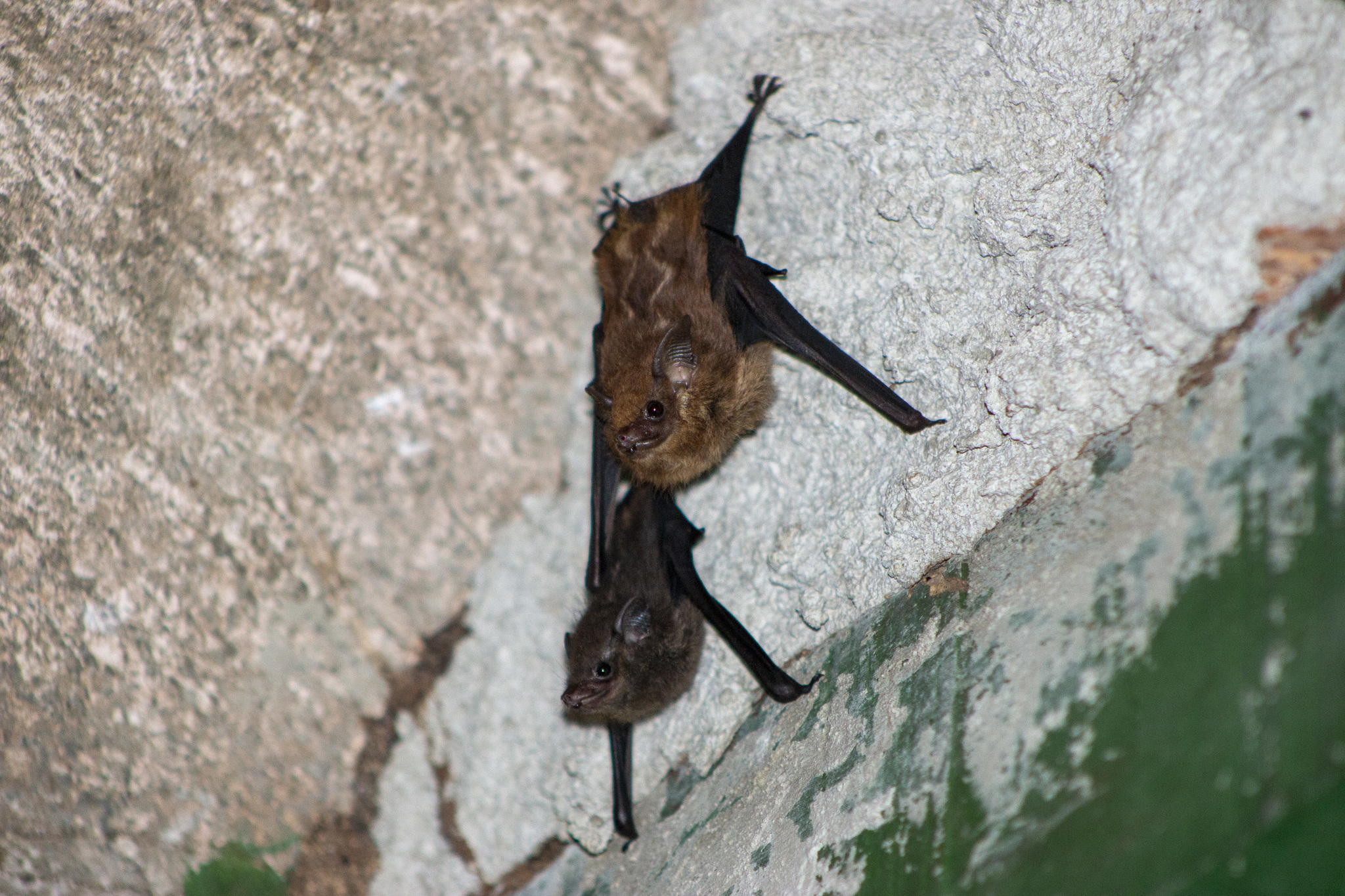
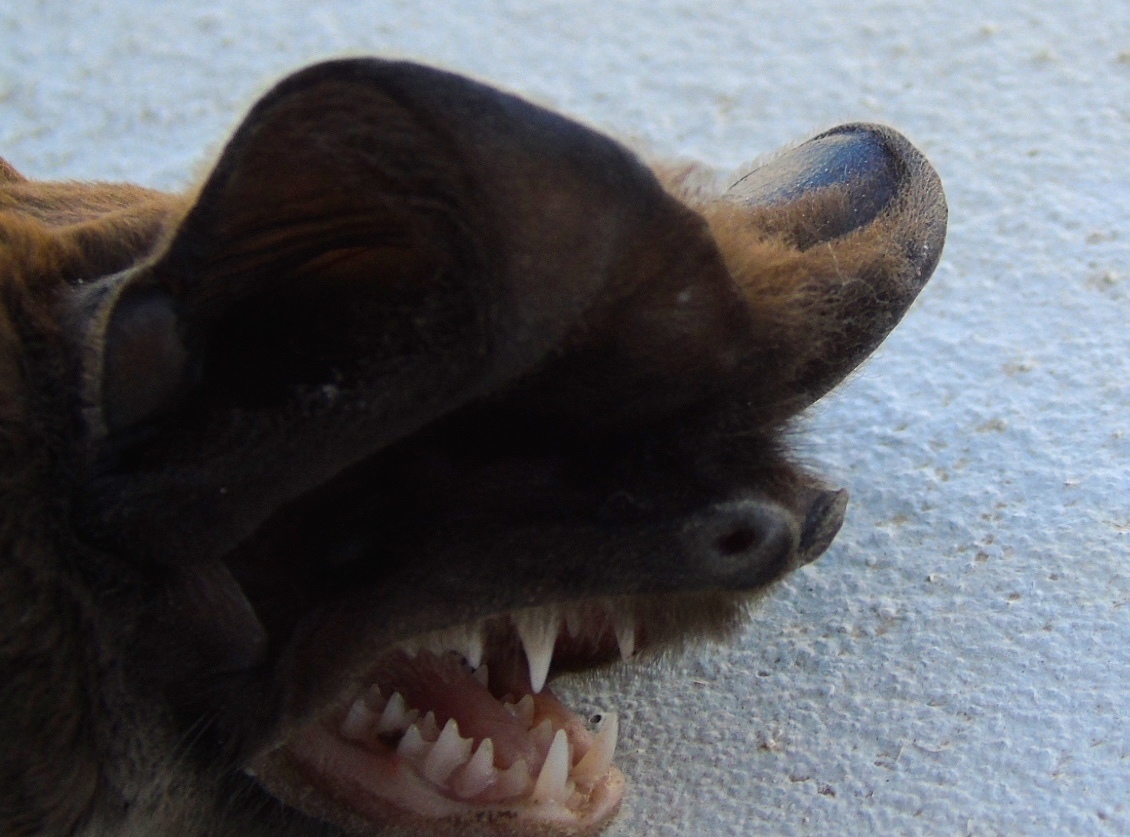
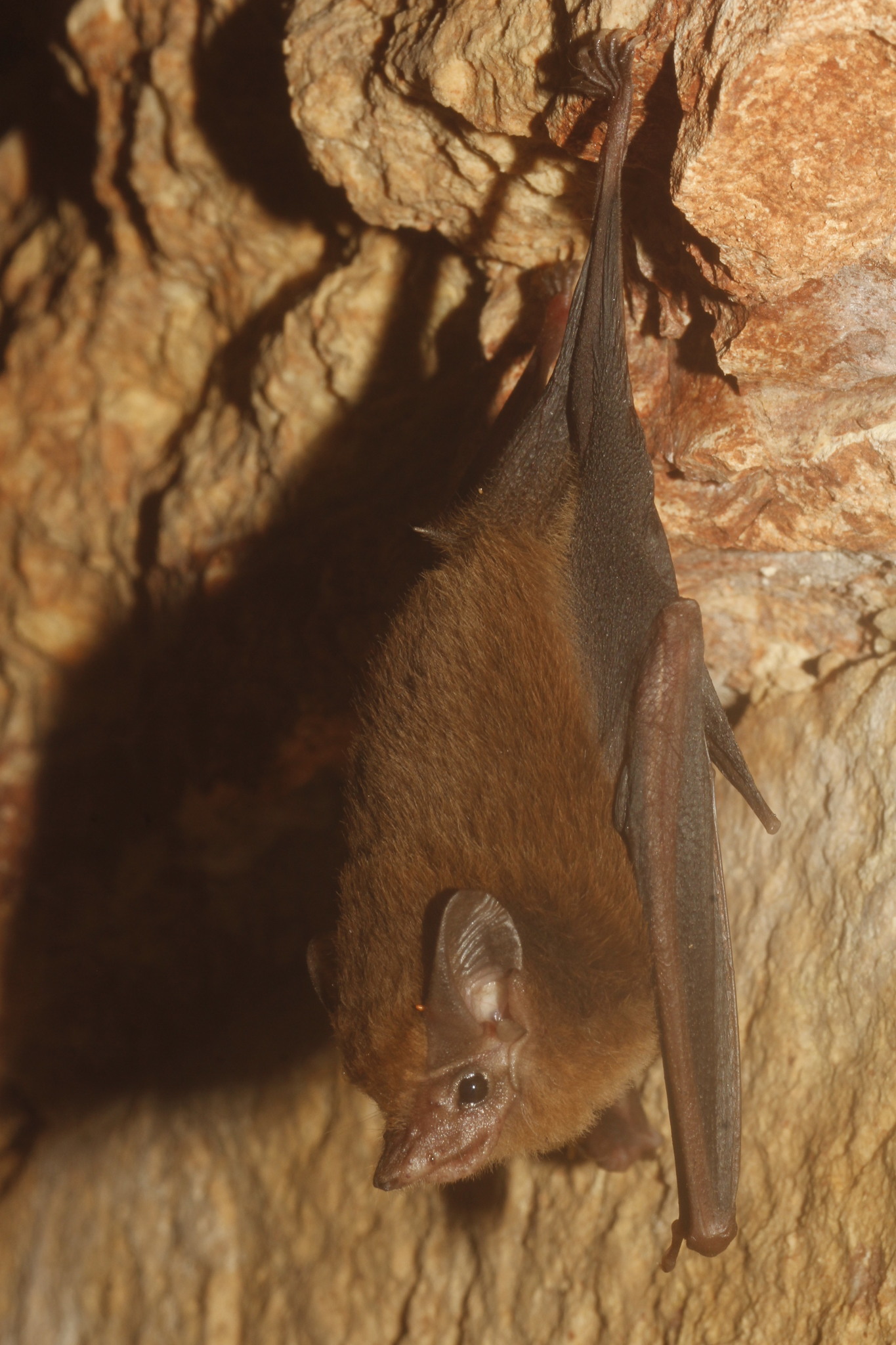
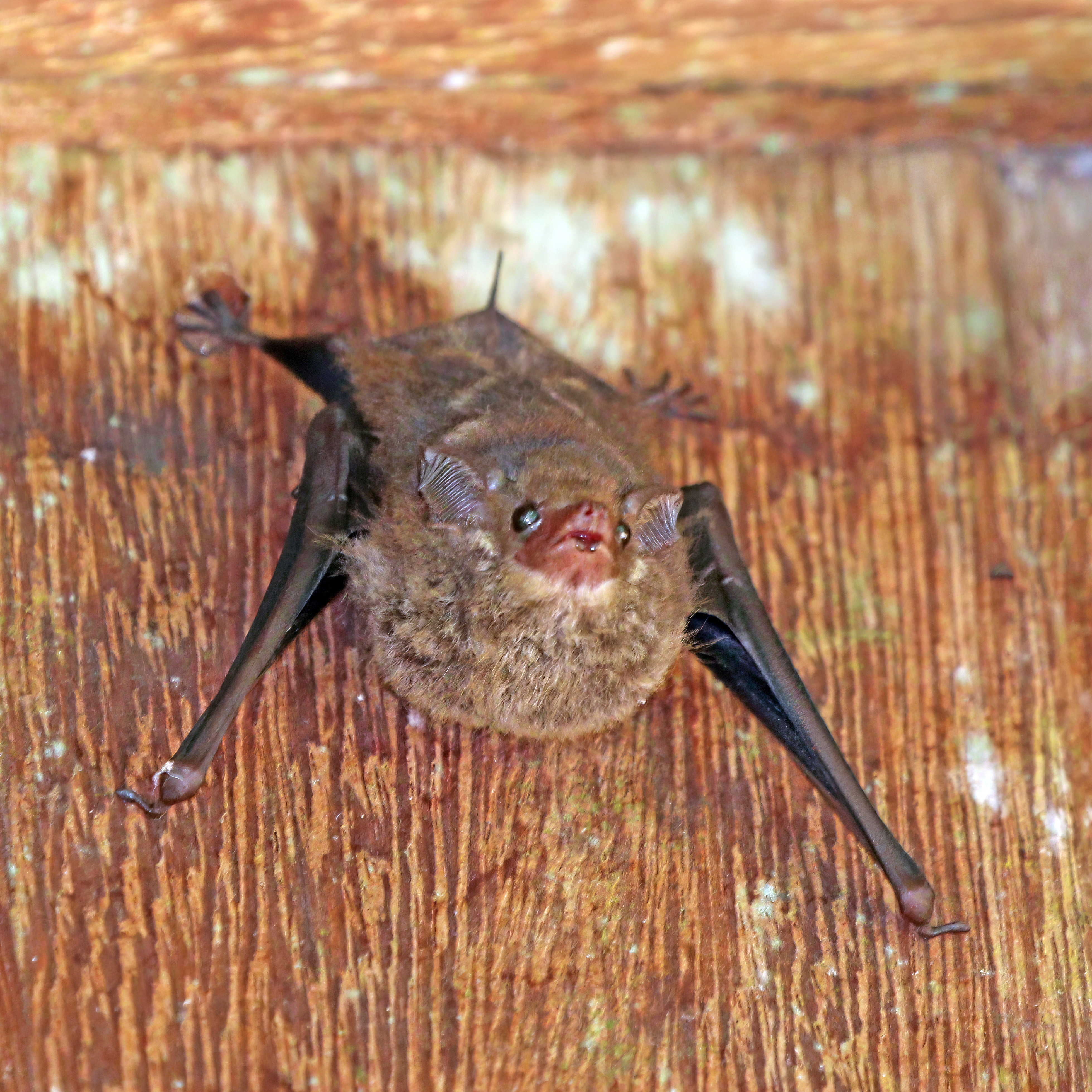
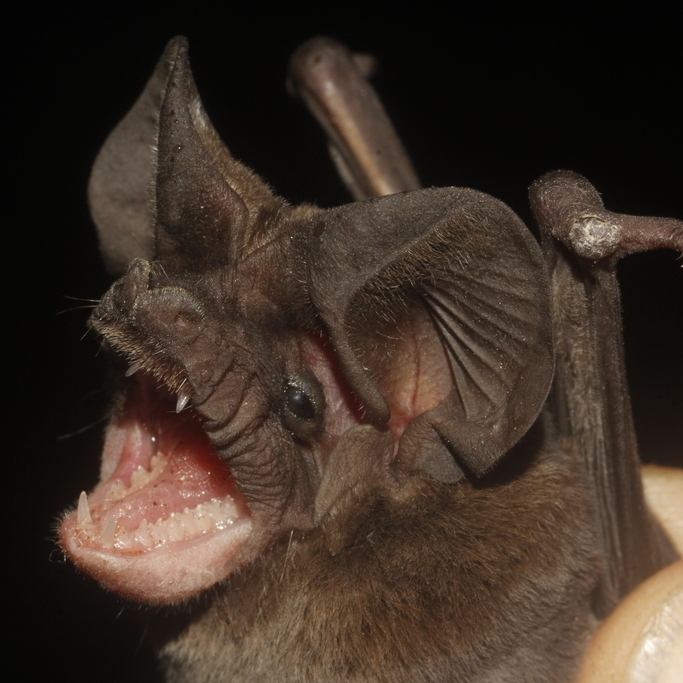
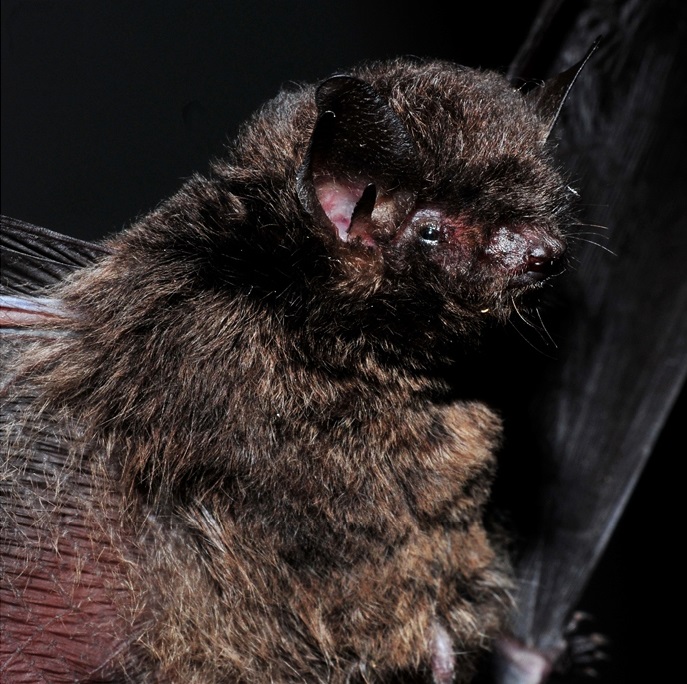
Myotis nigricans is a small bat, characterized by an aerodynamic morphology adapted for agile flights in environments with obstacles. In the Pantanal, individuals have an average body mass of approximately 4.25 grams, although this value can oscillate according to reproductive state and seasonal energy reserves. The forearm length, a standard measure for bat identification, varies around 33 millimeters, placing it among the smallest species of the family Vespertilionidae in the region.
The fur coloration is one of the distinctive traits that give the species its common name. The dorsal hairs are generally dark, ranging from dark brown to sooty black, with the base of the hairs presenting a similarly dark tone. The ventral fur tends to be slightly lighter, but without the sharp contrast seen in other species of the genus. The skin texture is silky and dense, providing thermal insulation and protection during rest in natural or artificial shelters.
Habitat and Distribution in the Pantanal
The geographical distribution of Myotis nigricans covers almost the entire Neotropical region, but in the Pantanal its occurrence is particularly dense due to the abundance of food resources and shelter sites. The species is found in a mosaic of environments that make up the Pantanal plain, including gallery forests, cordilheiras (slight elevations with woody vegetation), "capões," and transition areas between the Cerrado and the Chaco. Its ability to use different types of vegetation allows it to survive in both flood and extreme drought periods.
In the southern Pantanal, scientific research has documented the constant presence of this species in sub-regions such as Nhecolândia and Miranda. In these locations, the black myotis prefers to forage at forest edges and over bays (temporary or permanent lagoons), where the concentration of emerging insects is higher. The structure of the Pantanal landscape, with its patches of deciduous and semi-deciduous forests interspersed with floodable fields, offers the ideal setting for the aerial hunting tactics of this small vespertilionid.
Behavior
The behavior of Myotis nigricans is predominantly nocturnal, starting its flight and foraging activities shortly after dusk. During the day, individuals remain in shelters that offer protection against desiccation and diurnal predators, such as birds of prey. In the Pantanal, the most common natural shelters include tree hollows, rock crevices, and spaces under loose bark of trunks. The choice of shelter is strategic, prioritizing locations with a stable microclimate, essential for an animal of such reduced body mass.
Socially, the species can form colonies of varying sizes, from small family groups with fewer than ten individuals to large aggregations exceeding 300 specimens. In the Pantanal context, these colonies tend to be dynamic, and may change location as seasonal flooding affects the availability of terrestrial shelters or the proximity of food sources. Communication between colony members occurs through social vocalizations and chemical signals, maintaining group cohesion during rest and foraging outings.
Feeding
The diet of Myotis nigricans is strictly insectivorous, classifying it as an opportunistic generalist that takes advantage of the explosion of invertebrate biomass in the Pantanal. Its foraging strategy is known as "aerial hawking," where the bat captures prey directly in the air using the interfemoral membrane (uropatagium) or its own wings as a net, bringing the insect to its mouth in fractions of a second. This feeding efficiency is vital to sustain its high metabolic energy expenditure.
Analysis of stomach contents and feces of Pantanal specimens reveals a diversified diet that includes orders such as Lepidoptera (moths), Coleoptera (beetles), Diptera (flies and mosquitoes), and Hemiptera (bugs). On a smaller scale, they also consume Hymenoptera (flying ants and wasps), Ephemeroptera, and Orthoptera. The exact composition of the diet varies seasonally; during the rainy season, there is a preference for soft-bodied insects, while in the dry season, the diet may include more resistant prey according to local availability.
Reproduction
The reproductive pattern of Myotis nigricans in the Pantanal is classified as polyestrous, which means that females can go through multiple reproductive cycles within a single year. Unlike populations in temperate zones that show seasonal monoestry, Pantanal individuals take advantage of the favorable climatic conditions of the tropics to extend their reproduction period. Studies indicate an extensive period of reproductive activity from September to May, coinciding with the months of greatest rainfall and insect abundance.
Peaks of pregnant females in the region generally occur at two strategic moments: in February and September. Gestation is relatively long for an animal of its size, resulting in the birth of only one pup at a time, which is born weighing about 25% of the mother's mass. Lactation is the most energetically costly phase for females, and in the Pantanal, the peak of lactating females was recorded in October, a period when the food supply begins to grow exponentially with the start of regular rains.
Conservation Status
Currently, Myotis nigricans is listed as "Least Concern" (LC) by the IUCN Red List and by the national assessments of ICMBio. This classification is due to its wide distribution, large population size, and high tolerance for habitat modifications. However, in the Pantanal, the species is sensitive to the loss of riparian forests and the use of pesticides in agricultural areas surrounding the biome, which can affect the availability of its prey. The preservation of natural shelters and the maintenance of water quality are essential for the long-term conservation of this species.
Curiosities
One of the most interesting curiosities about Myotis nigricans is its longevity; despite its small size and high metabolism, it can live for more than 15 years in the wild, a remarkable feat for such a small mammal. Another fascinating fact is its role as a "biological sentinel"; because it is sensitive to environmental changes and consumes a large amount of insects, the health of its populations can reflect the environmental quality of the Pantanal sub-regions where it occurs.
References
[1] IUCN. (2016). *Myotis nigricans*. The IUCN Red List of Threatened Species. Available at: https://www.iucnredlist.org/species/14185/22064115
[2] ICMBIO. (2018). *Red Book of Threatened Brazilian Fauna*. ICMBio. Available at: https://www.icmbio.gov.br
[3] REIS, N. R.; PERACCHI, A. L.; PEDRO, W. A.; LIMA, I. P. (2007). *Bats of Brazil*. Londrina.
[4] SIGRIST, T. (2013). *Mammals of Brazil: A Field Guide*. Avis Brasilis.
[5] EMBRAPA PANTANAL. (2023). *Fauna of the Pantanal*. Embrapa Pantanal. Available at: https://www.embrapa.br/pantanal/fauna