
Introduction
The long-tailed spiny rat (Proechimys longicaudatus) is one of the most fascinating and ecologically significant rodents of the tropical regions of South America. In the complex mosaic of habitats of the Pantanal, this species plays a vital role as one of the main small terrestrial mammals, acting both as a consumer of seeds and fruits and as a fundamental piece in the food chain, serving as prey for a wide range of predators. Despite its common name suggesting a resemblance to porcupines, the spiny rat belongs to a distinct family (Echimyidae) and possesses unique morphological adaptations that make it a resilient survivor in the Pantanal forests and gallery forests.
Scientific Classification
| Kingdom | Animalia |
| Phylum | Chordata |
| Class | Mammalia |
| Order | Rodentia |
| Family | Echimyidae |
| Genus | Proechimys |
| Species | Proechimys longicaudatus |
| Common name | Spiny rat, Long-tailed spiny rat |
The presence of Proechimys longicaudatus in the Pantanal is an important indicator of the health and connectivity of forest formations. As a seed disperser, it contributes directly to the natural regeneration of forests, influencing the structure and diversity of the local flora. Its biology is marked by intriguing characteristics, such as the presence of modified hairs in the form of rigid bristles (the "spines") and the ability for tail autotomy, a rare defense strategy among mammals that allows it to escape predators at the cost of losing part of its caudal appendage.
Historically, rodents of the genus Proechimys have been the subject of intense taxonomic and ecological studies due to their genetic complexity and wide distribution. In the context of the Pantanal, understanding the ecology of the long-tailed spiny rat is essential for the conservation strategies of the biome, especially in the face of increasing pressures from habitat fragmentation and climate change. This article explores in detail the life of this small but powerful inhabitant of the Pantanal plain, revealing its importance for the balance of this unique ecosystem.
Physical Description
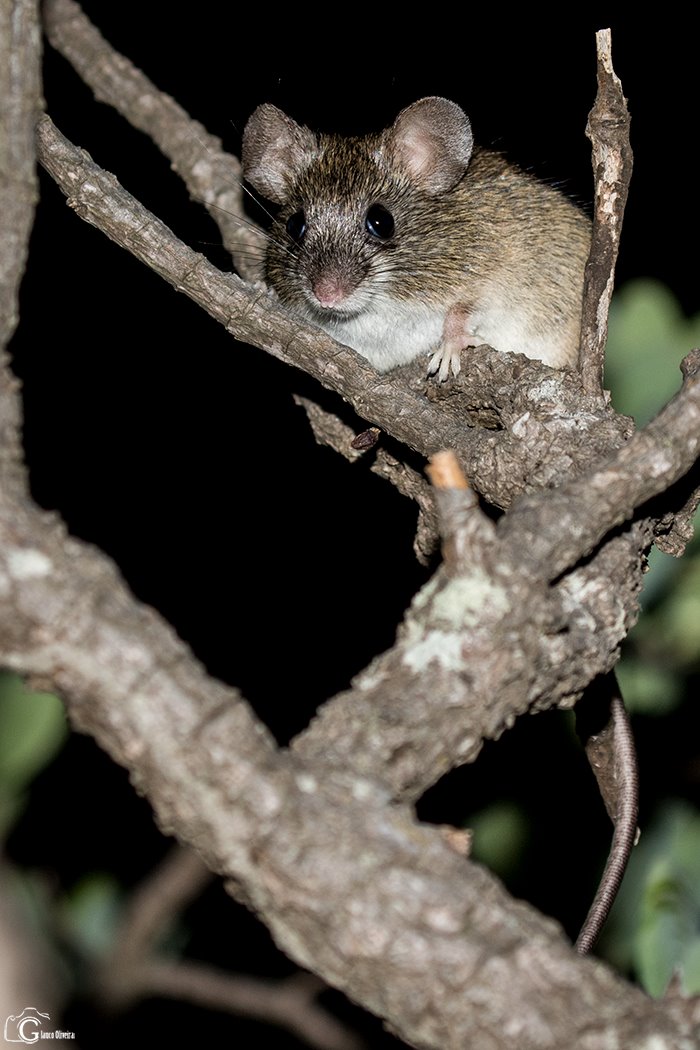
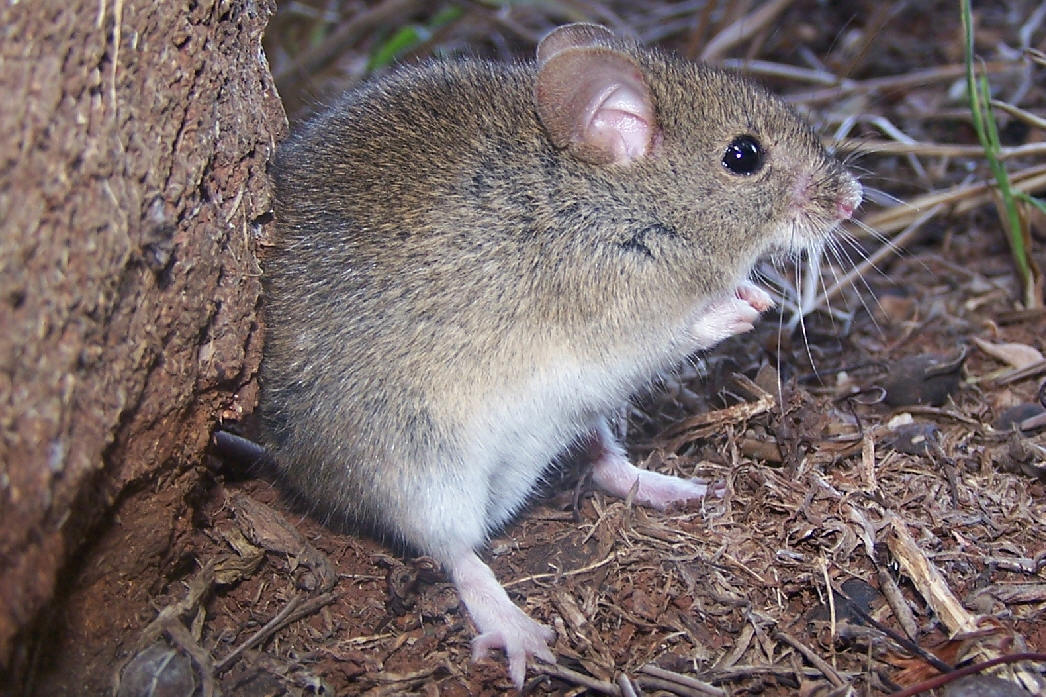
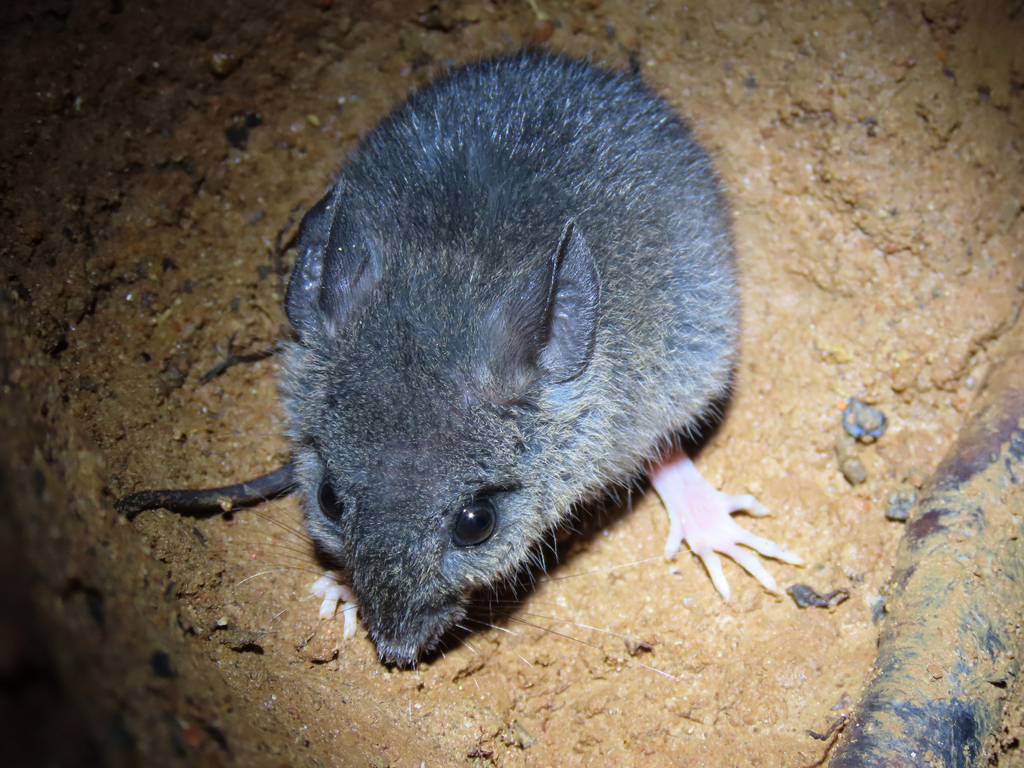
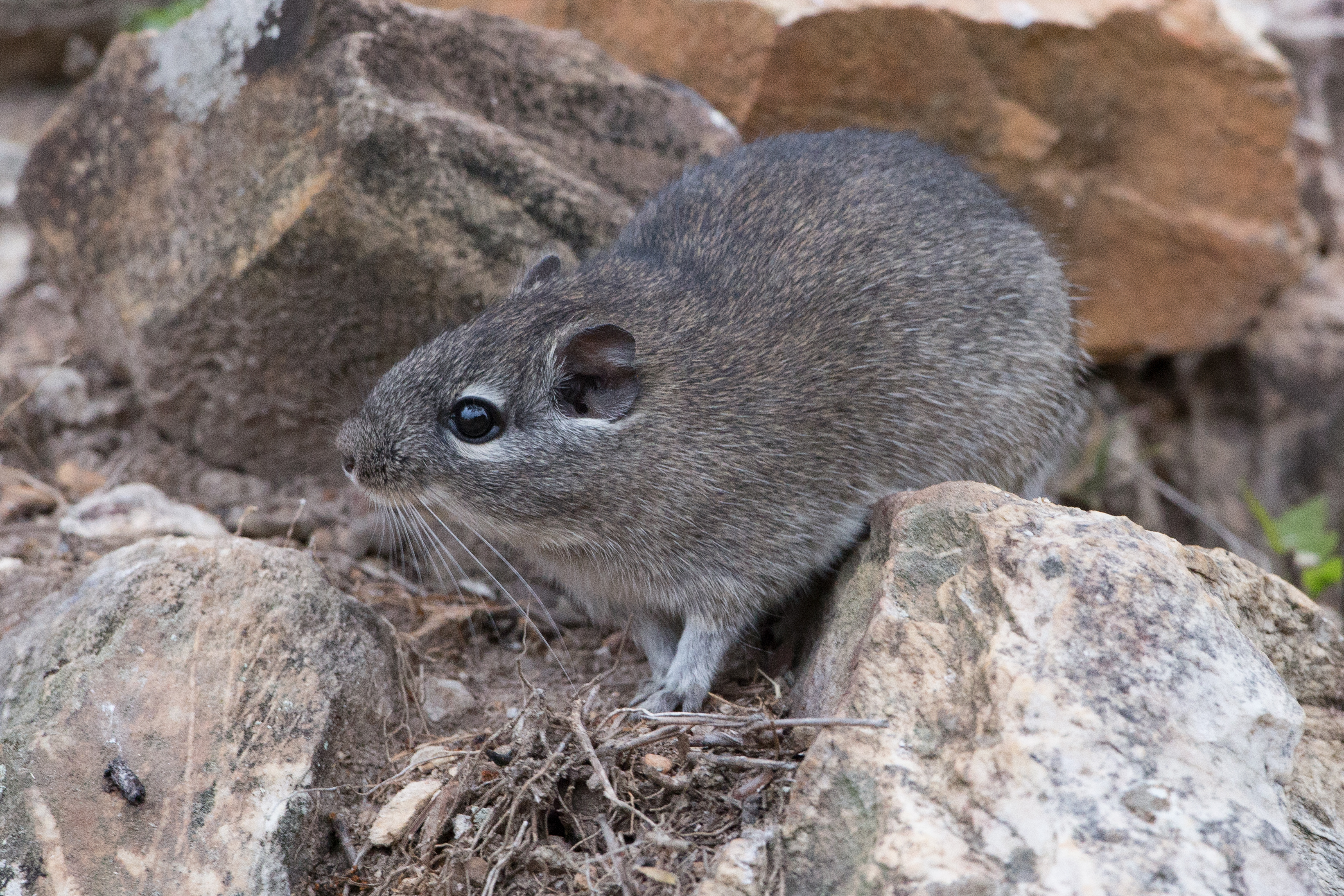
Proechimys longicaudatus is a medium-sized rodent, with a robust body measuring between 18 and 25 centimeters in length, excluding the tail. Its most distinctive feature, which gives it its common name, is the presence of aristiform hairs — rigid, flattened, and pointed bristles that resemble small spines, located mainly in the dorsal region and on the flanks. These "spines" are not as developed as those of a true porcupine, but they offer considerable protection against predators, making the animal difficult to grab.
The fur coloration varies from reddish-brown to dark brown on the back, gradually becoming lighter on the sides until reaching pure white in the ventral region. The tail is long, usually equal to or slightly greater than the body length, and is scaly with few hairs. A notable biological feature is caudal autotomy: the spiny rat has a break zone at the base of the tail that allows it to detach easily if grabbed by a predator. Unlike lizards, the spiny rat's tail does not regenerate, but the wound heals quickly, allowing the animal to survive the attack.
The head is elongated, with large, dark eyes that indicate its predominantly nocturnal habits. The ears are medium-sized and rounded. Its limbs are adapted for terrestrial life, with strong hind legs that give it agility to jump and run among the leaf litter (layer of dry leaves on the forest floor). The incisor teeth are strong and continuously growing, typical of rodents, allowing it to break through hard shells of seeds and fruits found on the Pantanal soil.
Habitat and Distribution in the Pantanal
In the Pantanal biome, Proechimys longicaudatus finds its refuge in forest formations and transition areas. It is particularly common in the cordilheiras (sandy elevations that do not flood), in the gallery forests that border the rivers, and in the capões de mato (forest islands). The species prefers environments with dense vegetation cover and a thick layer of leaf litter, which provides both food and protection against aerial and terrestrial predators.
The distribution of the spiny rat in the Pantanal is influenced by the flood regime. During the flood season, populations tend to concentrate in the higher and drier areas, where the soil remains accessible for burrowing and searching for food. In the dry season, they can expand their home range into transition zones, taking advantage of the fruit fall from trees that bloom during this period. Its ability to adapt to different types of tropical and subtropical forests allows it to occur throughout almost the entire extent of the biome, from the Poconé Pantanal to the Nabileque Pantanal.
Geographically, P. longicaudatus is distributed through central Brazil, Bolivia, and Paraguay. In the Pantanal, it acts as a link between the fauna of the Cerrado and the Amazon, integrating perfectly into the ecological dynamics of the floodplain. The preservation of forest corridors is crucial for the maintenance of its populations, ensuring gene flow and the resilience of the species in the face of environmental changes.
Behavior
The behavior of the long-tailed spiny rat is predominantly nocturnal and solitary. It begins its activities at dusk, spending most of the night foraging on the forest floor. During the day, it takes refuge in burrows excavated in the soil, under fallen logs, or in natural cavities between tree roots. These burrows are often lined with dry leaves and plant material to provide thermal insulation and comfort.
Despite being a terrestrial animal, Proechimys longicaudatus is an excellent jumper and can climb small shrubs if necessary to escape predators or reach low fruits. Its locomotion is fast and stealthy; it moves silently over the leaf litter, using its sensitive vibrissae (whiskers) to detect obstacles and possible threats in the darkness. Communication between individuals occurs mainly through olfactory signals (marking with urine and scent glands) and high-pitched vocalizations emitted in stressful situations or during reproductive encounters.
One of the most impressive survival strategies is its reaction to danger. When it detects a predator, the spiny rat can remain motionless, relying on its camouflage, or perform erratic and rapid jumps to confuse the attacker. If captured by the tail, autotomy comes into play, allowing it one last chance to escape. This behavior, combined with the protection offered by its aristiform hairs, makes it one of the most difficult small mammals to capture in the Pantanal ecosystem.
Diet
Proechimys longicaudatus is an omnivore with a strong tendency toward frugivory and granivory. Its diet in the Pantanal is mostly composed of fallen fruits, seeds, vegetable pulp, and, occasionally, insects and other small invertebrates. It plays a fundamental ecological role as a seed disperser: by consuming fruits and carrying seeds to its burrows or leaving them in different locations in the forest, it assists in the propagation of various tree species.
Among the preferred items of its diet are the fruits of palms such as the acuri (Attalea phalerata) and the bocaiuva (Acrocomia aculeata), which are abundant in the Pantanal. The spiny rat uses its sharp incisor teeth to gnaw the hard shell of these seeds and access the energy-rich endosperm. In addition to fruits, it also consumes fungi and succulent roots, which provide hydration and essential nutrients during the driest months of the year.
In the Pantanal food web, the spiny rat is a vital food source for a myriad of predators. It is hunted by small and medium-sized cats, such as the ocelot (Leopardus pardalis) and the jaguarundi, as well as canids like the crab-eating fox. Nocturnal birds of prey, such as owls, and various species of snakes also depend significantly on this rodent for their subsistence. This high predation rate is compensated by an efficient reproductive strategy, ensuring that the Proechimys population remains stable and continues to sustain the higher trophic levels.
Reproduction
The reproduction of the long-tailed spiny rat in the Pantanal occurs continuously throughout the year, although there is evidence that reproductive activity may increase during the rainy season, when the supply of fruits and seeds is more abundant. The mating system is generally promiscuous, with males and females interacting only during the estrus period.
The gestation period lasts approximately 62 to 64 days, a relatively long time for a rodent of its size, resulting in the birth of highly developed offspring. Unlike many other rodents that are born blind and hairless, Proechimys pups are precocial: they are born with eyes open, covered in fur, and capable of moving and ingesting solid food shortly after birth. Litter size is small, usually ranging from 1 to 4 pups, with an average of 2 individuals per birth.
There is a strong relationship between birth peaks and the season of greatest availability of fruits and seeds in the Pantanal. Parental care is exercised mainly by the female, who nurses the pups in protected nests until they are ready for independence. Sexual maturity is reached in a few months, allowing the species to maintain constant population recruitment, essential to compensate for the high predation rate to which it is subjected in the wild.
Conservation Status
Currently, Proechimys longicaudatus is classified by the International Union for Conservation of Nature (IUCN) as a species of Least Concern. This classification is due to its wide geographical distribution and the presumption that its global populations are large and stable. However, this situation of apparent security should not mask the growing threats the species faces at regional levels, especially in the Pantanal biome.
In the Pantanal, the main threats to the long-tailed spiny rat are related to the loss and degradation of its habitat. Deforestation for the creation of pastures, fragmentation of gallery forests, and, especially, the catastrophic forest fires that have plagued the region in recent years represent severe dangers. As P. longicaudatus depends on dense vegetation cover and leaf litter for protection and food, the destruction of these areas directly impacts its survival and reproductive capacity.
In Brazil, the species does not appear on the national list of endangered animals but is monitored in various ecological studies. The conservation of the long-tailed spiny rat depends intrinsically on the preservation of permanent preservation areas (APPs) and legal reserves within rural properties in the Pantanal. Maintaining the integrity of the cordilheiras and riparian forests is the most effective strategy to ensure that this important rodent continues to play its fundamental ecological role in the floodplain.
Curiosities
One of the most notable curiosities about the spiny rat is the origin of its common name. Although they are not true spines like those of a porcupine, the rigid bristles of Proechimys are a very effective form of passive defense, making the animal "unpleasant" to the palate and touch of inexperienced predators. In addition, the ability for tail autotomy is an extremely rare phenomenon among mammals, being more commonly associated with reptiles, which makes this rodent a fascinating object of study for evolutionary biology.
Another interesting fact is the importance of the spiny rat for forest health. Studies indicate that these rodents are fundamental for the dispersal of mycorrhizal fungi, which live in symbiosis with tree roots, helping them absorb nutrients. By digging the soil and consuming fungi, P. longicaudatus spreads spores through its feces, promoting the growth of healthier and more resilient forests. In the Pantanal, this function is vital for the maintenance of gallery forests, which protect rivers against erosion.
Finally, the long-tailed spiny rat also has relevance in biomedical research. Due to its natural resistance to certain parasitic diseases, such as leishmaniasis, the species has been studied to better understand immune response mechanisms. Thus, Proechimys longicaudatus is not only an essential component of the Pantanal's biodiversity but also an organism that can offer valuable answers to human and environmental health challenges.
References
[1] IUCN. (2016). *Proechimys longicaudatus*. The IUCN Red List of Threatened Species. Available at: https://www.iucnredlist.org/species/18287/22439169
[2] ALHO, C. J. R. (2008). *Biodiversity of the Pantanal*. UNIDERP Publishing.
[3] REIS, N. R.; PERACCHI, A. L.; PEDRO, W. A.; LIMA, I. P. (2006). *Mammals of Brazil*. Londrina: State University of Londrina Publishing.
[4] EMBRAPA PANTANAL. (2010). *Mammals of the Pantanal: Field Guide*. Embrapa Pantanal.
[5] VIEIRA, E. M.; CAMARGO, N. F. (2012). *Ecology of Neotropical rodents*. Oecologia Australis, 16(2), 241-255.
[6] PAGLIA, A. P.; FONSECA, G. A. B.; RYLANDS, A. B.; HERRMANN, G.; LIMA, S. L.; MITTERMEIER, R. A.; ... & FONSECA, M. T. (2012). *Annotated List of Brazilian Mammals*. 2nd Edition. Conservation International.