

Introduction
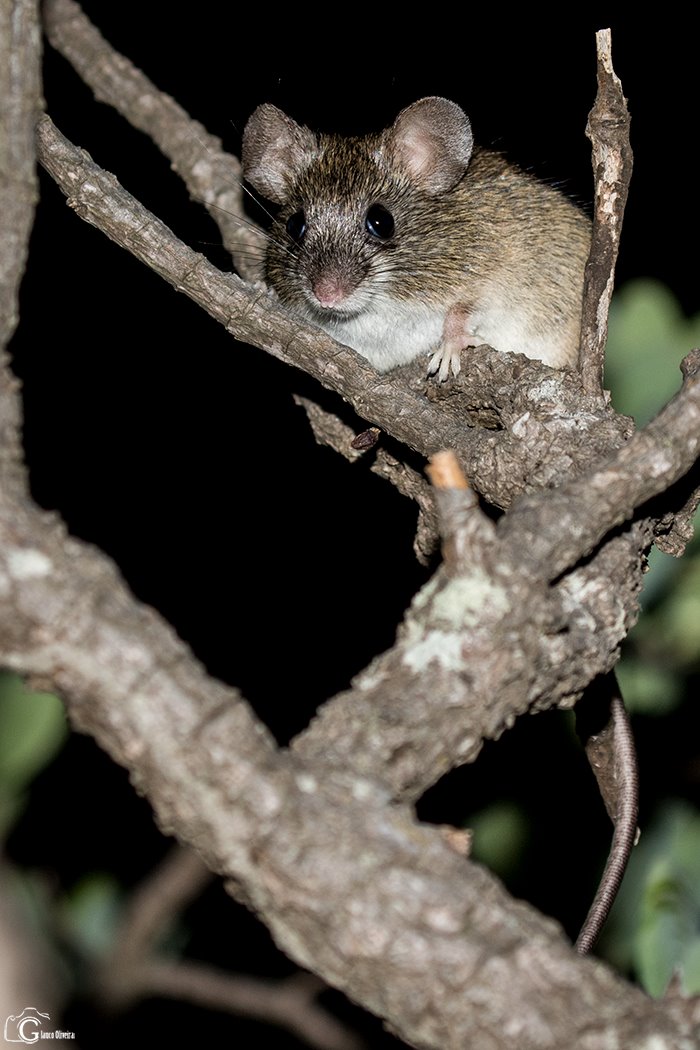
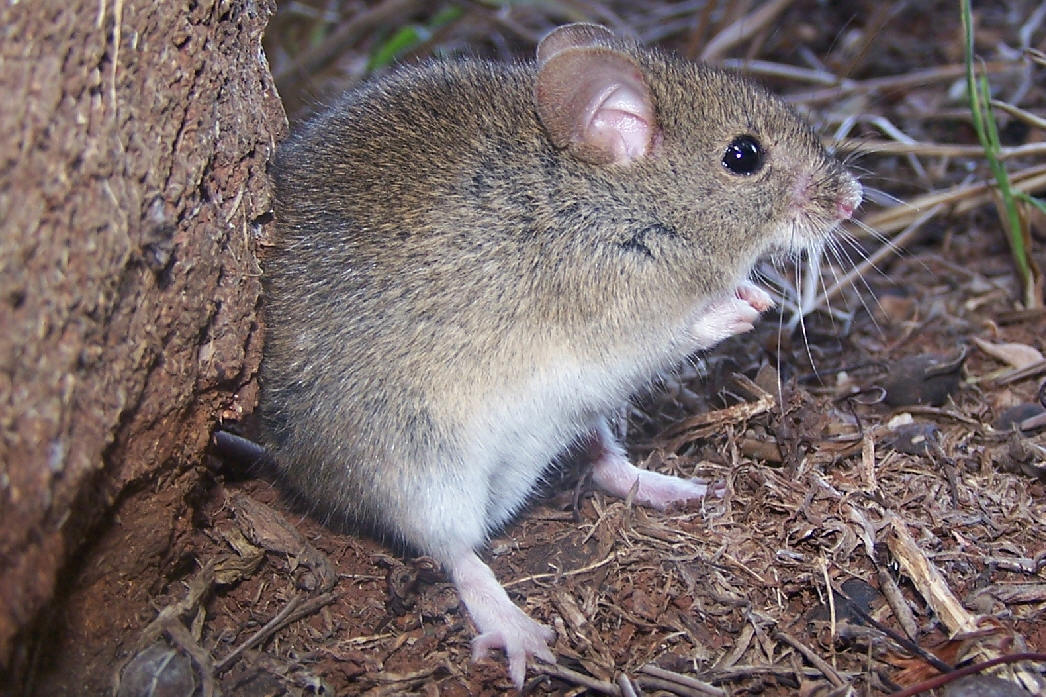
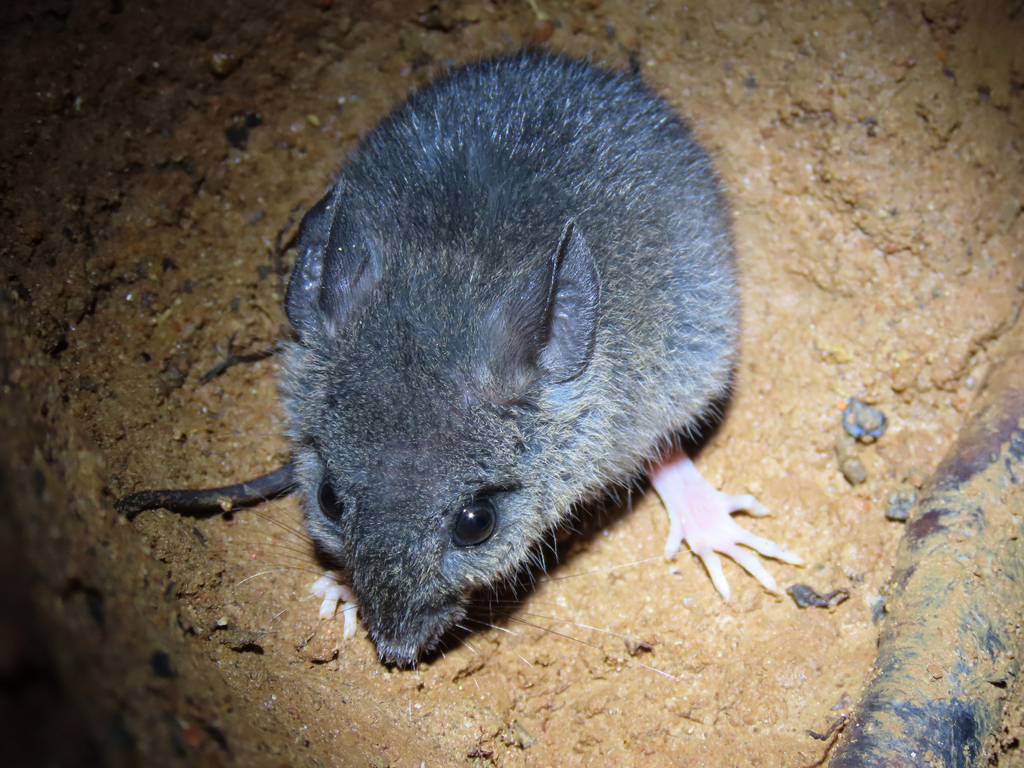
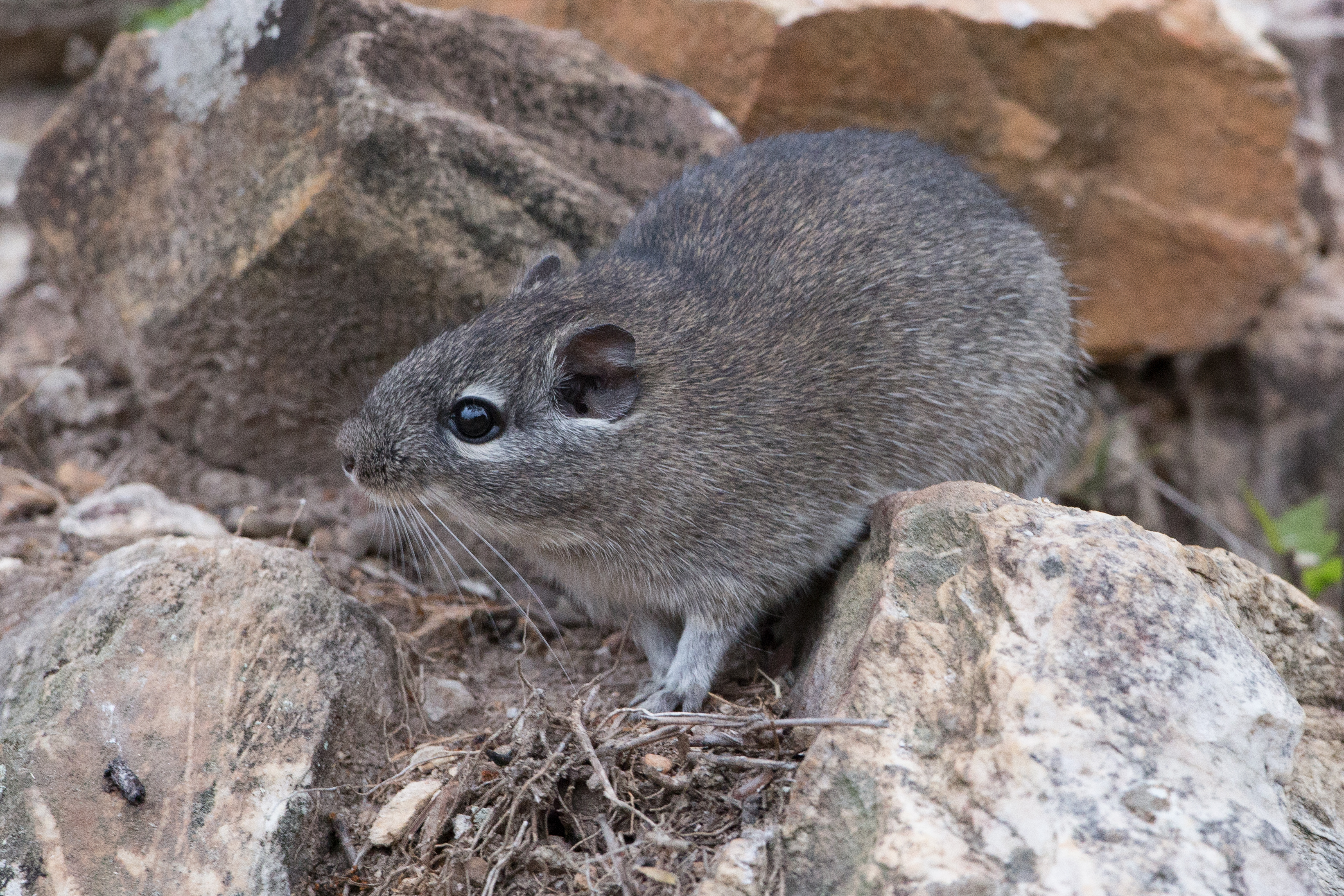
The Proechimys longicaudatus, popularly known as the long-tailed spiny rat or rato-de-espinho, is a medium-sized rodent of the Echimyidae family that plays a crucial role in the ecology of the Brazilian Pantanal. This species is particularly notable for its unique fur, which includes stiff, spine-like bristles that serve as a defense mechanism against predators. In the Pantanal ecosystem, the long-tailed spiny rat is a key inhabitant of forested areas and gallery forests, acting as an important seed disperser and a vital link in the food chain, sustaining a wide variety of carnivores.
Scientific Classification
| Kingdom | Animalia |
| Phylum | Chordata |
| Class | Mammalia |
| Order | Rodentia |
| Family | Echimyidae |
| Genus | Proechimys |
| Species | P. longicaudatus |
| Common Name | Long-tailed Spiny Rat |
Beyond its morphological peculiarities, Proechimys longicaudatus is of great interest to researchers due to its adaptability and its role in maintaining forest health. By consuming fruits and fungi, it helps in the dispersal of seeds and mycorrhizal spores, which are essential for the growth and resilience of Pantanal forests. This article explores the biology, habitat, and importance of this fascinating rodent, highlighting how its presence is fundamental to the ecological balance of the world's largest floodplain.
Physical Description
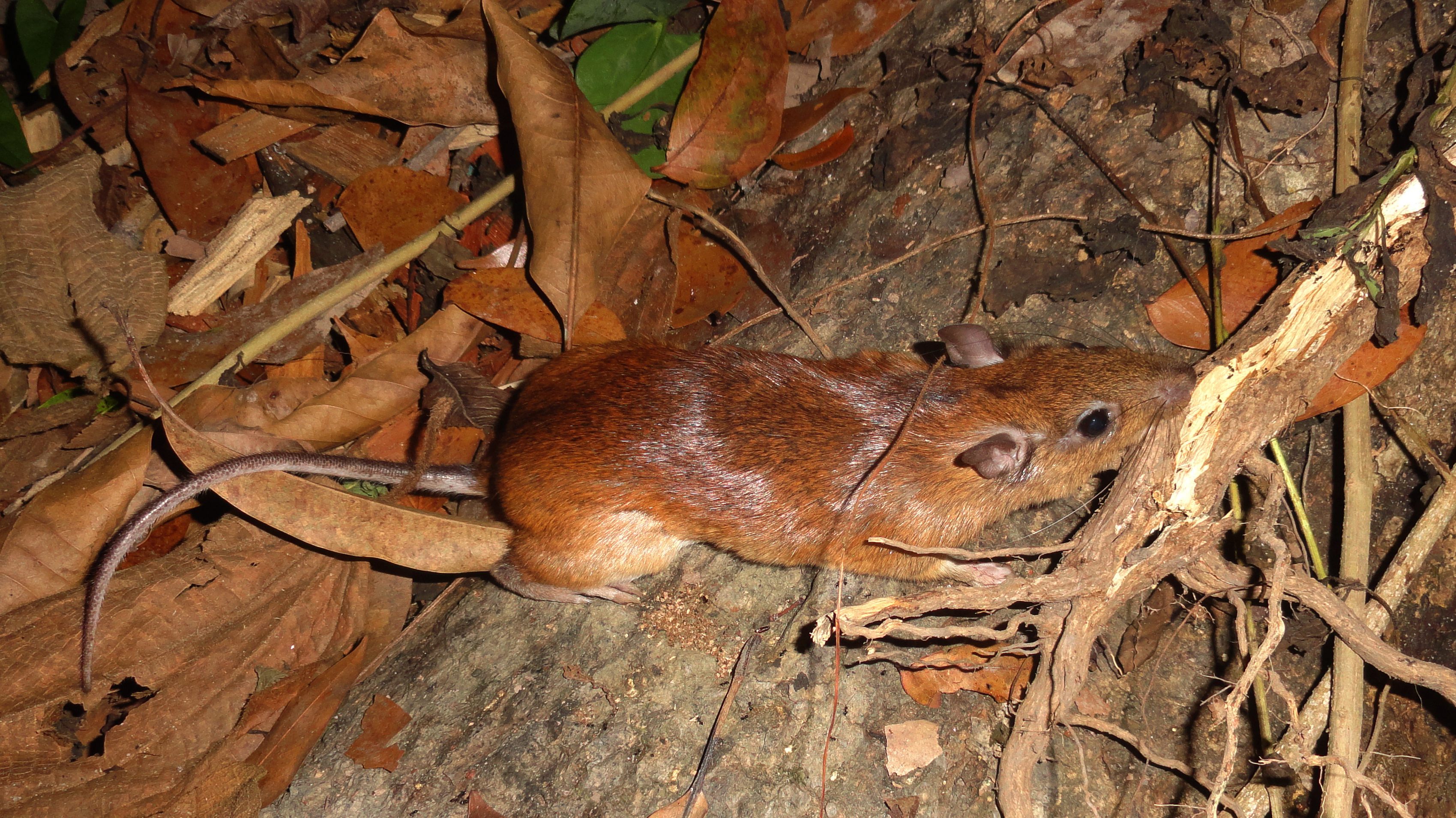
The long-tailed spiny rat is a robust rodent with a distinctive appearance. Its most striking feature is its fur, which consists of a mixture of soft hairs and stiff, flattened bristles (spines) that are particularly prominent on the back and rump. These bristles are not as sharp as those of a porcupine but are rigid enough to offer protection. The dorsal coloration is typically a reddish-brown or yellowish-brown, while the ventral region is white or very light gray, creating a sharp contrast.
Adults have a head-and-body length ranging from 190 mm to 250 mm, making them one of the larger rodents in their habitat. As the name suggests, the tail is long, often nearly equal to the body length, measuring between 130 mm and 200 mm. A notable biological phenomenon in this species is autotomy: the tail can easily break off if grabbed by a predator, allowing the rat to escape, although it does not regenerate. Their ears are medium-sized and rounded, and their eyes are large and dark, adapted for nocturnal activity.
The weight of an adult Proechimys longicaudatus typically varies between 200 and 500 grams. Their hind feet are long and strong, adapted for quick movements on the forest floor. The skull is robust with powerful incisors, reflecting a diet that includes hard seeds and various plant materials. This combination of size, defensive bristles, and agility makes them well-equipped for life in the competitive environment of the Pantanal.
Habitat and Distribution in the Pantanal
In the Pantanal, Proechimys longicaudatus is primarily found in forested environments. It has a strong preference for gallery forests, "cordilheiras" (elevated sandy areas with dense vegetation), and "capões de mata". These habitats provide the necessary cover and food resources, such as fallen fruits and seeds. Unlike some other rodents, the spiny rat is rarely found in open grasslands or permanently flooded areas, as it depends on the protection offered by the forest canopy and dense understory.
The species is widely distributed across the Pantanal, occurring in both the northern and southern regions. Its presence is often associated with areas that remain dry during the seasonal floods, such as the "cordilheiras," which serve as vital refuges. During the high-water season, the concentration of these rodents in these elevated forest patches increases, making them an important resource for predators that also seek higher ground.
The long-tailed spiny rat is also found in transition zones between the Pantanal and the surrounding Cerrado and Amazon biomes. Its ability to thrive in different types of forest cover allows it to maintain stable populations, provided that the forest structure remains intact. However, the loss of forest connectivity due to deforestation for pastures can isolate populations and threaten their long-term survival in certain areas.
Behavior
The Proechimys longicaudatus is a nocturnal and solitary rodent. It becomes active at dusk, spending the night foraging on the forest floor. During the day, it rests in burrows, hollow logs, or under dense piles of vegetation. These rats are known for being relatively quiet and cautious, moving through the leaf litter with agility to avoid detection by predators like owls, snakes, and small cats.
Socially, they are territorial, with individuals maintaining specific home ranges. Interactions between adults are generally limited to the breeding season. One of their most interesting behaviors is their response to threats; in addition to the defensive bristles, they can use their strong hind legs to leap away or utilize tail autotomy as a last resort. This ability to sacrifice the tail to save their life is a rare trait among mammals.
Their movement patterns are influenced by the availability of seasonal fruits. In the Pantanal, they may travel significant distances within their forest patches to reach trees that are in fruit. This behavior not only ensures their survival but also makes them effective long-distance seed dispersers, contributing to the genetic diversity of the forest plants.
Diet
The diet of the long-tailed spiny rat is primarily frugivorous and granivorous. In the Pantanal, they consume a wide variety of native fruits, seeds, and nuts. They are particularly fond of the fruits of palms and other forest trees. By consuming the pulp and often discarding or burying the seeds, they play a vital role in forest regeneration. They are also known to consume fungi, including mycorrhizal species that are essential for tree health.
While plant matter forms the bulk of their diet, Proechimys longicaudatus is also an opportunistic feeder, occasionally consuming insects and other small invertebrates. This provides necessary protein, especially during the breeding season. Their ability to process hard seeds is aided by their strong jaw muscles and sharp incisors, allowing them to utilize food sources that other rodents might find inaccessible.
Ecologically, the spiny rat is a cornerstone of the forest food web. It converts plant energy into biomass that sustains a plethora of predators. In the Pantanal, they are a major prey item for the ocelot (Leopardus pardalis), various hawks, and large snakes like the yellow anaconda. Their abundance and size make them a high-energy meal, and their population dynamics can influence the presence and success of these larger predators.
Reproduction
Reproduction in Proechimys longicaudatus can occur year-round in the Pantanal, although peaks are often observed during the rainy season when food is most abundant. Females have a relatively long gestation period for rodents, lasting about 62 to 64 days. This longer development time results in pups that are born more precocial (well-developed) than those of many other rodent species.
Litters are typically small, usually consisting of 1 to 3 pups. The young are born with their eyes open, a full coat of fur, and the ability to move around shortly after birth. This is a crucial adaptation for survival in a predator-rich environment. They begin to sample solid food within a few days and are weaned in about three weeks. Sexual maturity is reached in a few months, allowing for a steady population turnover.
There is a strong correlation between birth peaks and the season of highest fruit and seed availability in the Pantanal. Parental care is primarily exercised by the female, who nurses the pups in protected nests until they are ready for independence. Sexual maturity is reached in a few months, allowing the species to maintain constant population recruitment, essential to compensate for the high predation rate they are subjected to in the wild environment.
Conservation Status
Currently, Proechimys longicaudatus is classified by the International Union for Conservation of Nature (IUCN) as a species of Least Concern (LC) status. This classification is due to its wide geographic distribution and the presumption that its global populations are large and stable. However, this situation of apparent security should not mask the growing threats the species faces at regional levels, especially in the Pantanal biome.
In the Pantanal, the main threats to the long-tailed spiny rat are related to the loss and degradation of its habitat. Deforestation for pasture creation, fragmentation of gallery forests, and, especially, the catastrophic forest fires that have plagued the region in recent years represent severe dangers. As P. longicaudatus depends on dense vegetation cover and leaf litter for protection and food, the destruction of these areas directly impacts its survival and reproductive capacity.
In Brazil, the species does not appear on the national list of endangered animals but is monitored in various ecological studies. The conservation of the long-tailed spiny rat intrinsically depends on the preservation of Permanent Preservation Areas (APPs) and legal reserves within rural properties in the Pantanal. Maintaining the integrity of the "cordilheiras" and riparian forests is the most effective strategy to ensure that this important rodent continues to play its fundamental ecological role in the floodplain.
Fun Facts
One of the most notable curiosities about the spiny rat is the origin of its common name. Although they are not true spines like those of a porcupine, the stiff bristles of the Proechimys are a very effective form of passive defense, making the animal "unpleasant" to the palate and touch of inexperienced predators. Furthermore, the capacity for tail autotomy is an extremely rare phenomenon among mammals, being more commonly associated with reptiles, which makes this rodent a fascinating object of study for evolutionary biology.
Another interesting fact is the importance of the spiny rat for forest health. Studies indicate that these rodents are fundamental for the dispersal of mycorrhizal fungi, which live in symbiosis with tree roots, helping them absorb nutrients. By digging the soil and consuming fungi, P. longicaudatus spreads the spores through its feces, promoting the growth of healthier and more resilient forests. In the Pantanal, this function is vital for the maintenance of gallery forests, which protect rivers against erosion.
Finally, the long-tailed spiny rat also has relevance in biomedical research. Due to its natural resistance to certain parasitic diseases, such as leishmaniasis, the species has been studied to better understand immune response mechanisms. Thus, Proechimys longicaudatus is not only an essential component of the Pantanal's biodiversity but also an organism that can offer valuable answers to human and environmental health challenges.
References
[1] IUCN. (2016). *Proechimys longicaudatus*. The IUCN Red List of Threatened Species. Available at: https://www.iucnredlist.org/species/18287/22439169
[2] ALHO, C. J. R. (2008). *Biodiversidade do Pantanal*. Editora UNIDERP.
[3] REIS, N. R.; PERACCHI, A. L.; PEDRO, W. A.; LIMA, I. P. (2006). *Mamíferos do Brasil*. Londrina: Editora da Universidade Estadual de Londrina.
[4] EMBRAPA PANTANAL. (2010). *Mamíferos do Pantanal: Guia de Campo*. Embrapa Pantanal.
[5] VIEIRA, E. M.; CAMARGO, N. F. (2012). *Ecologia de roedores neotropicais*. Oecologia Australis, 16(2), 241-255.
[6] PAGLIA, A. P.; FONSECA, G. A. B.; RYLANDS, A. B.; HERRMANN, G.; LIMA, S. L.; MITTERMEIER, R. A.; ... & FONSECA, M. T. (2012). *Lista Anotada dos Mamíferos do Brasil*. 2nd Edition. Conservation International.