
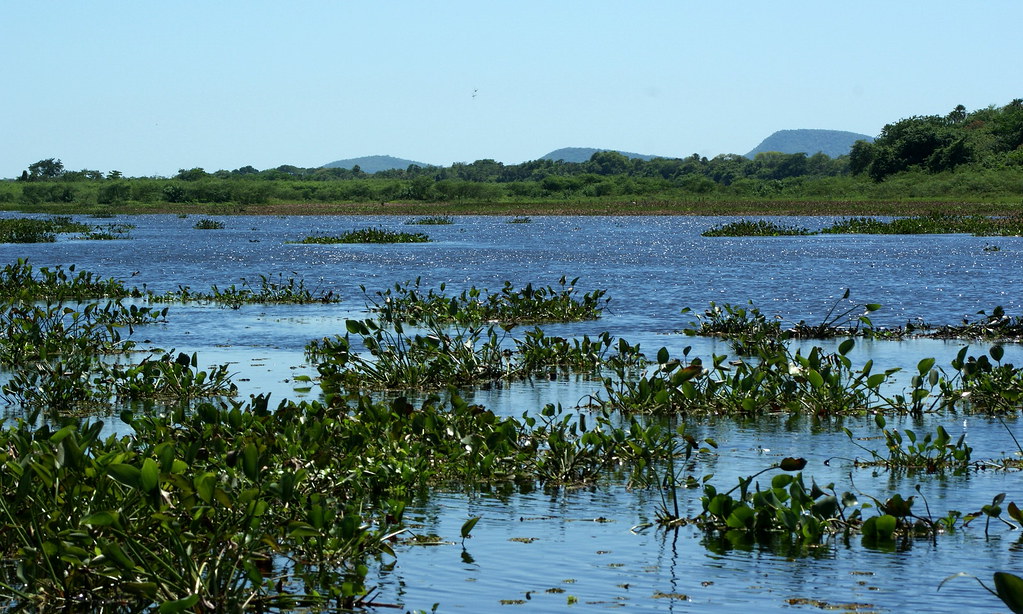
Overview
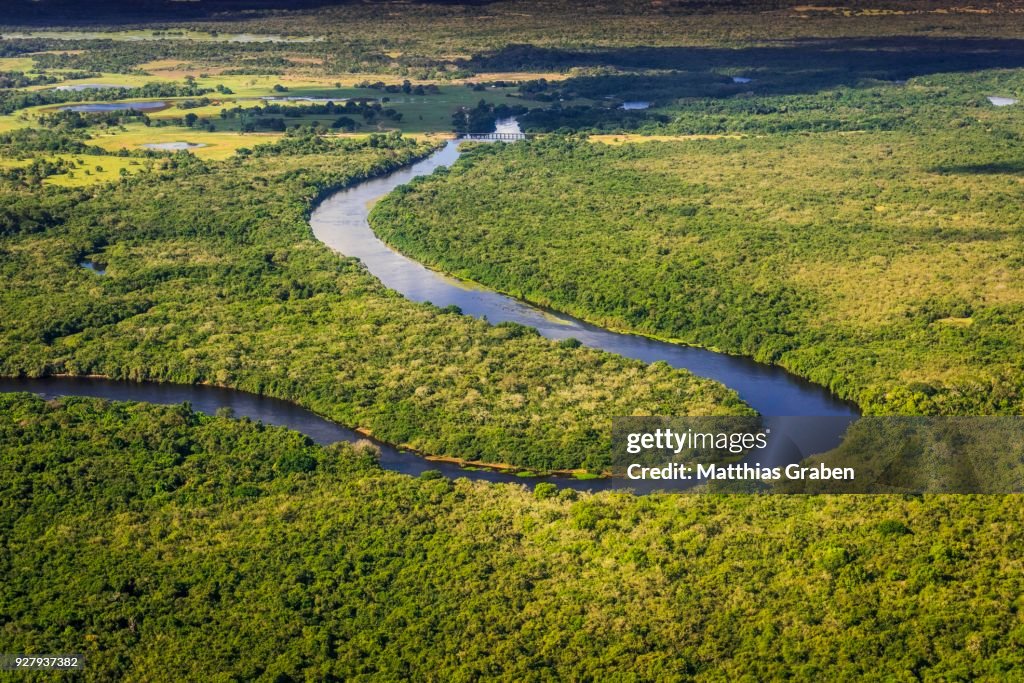
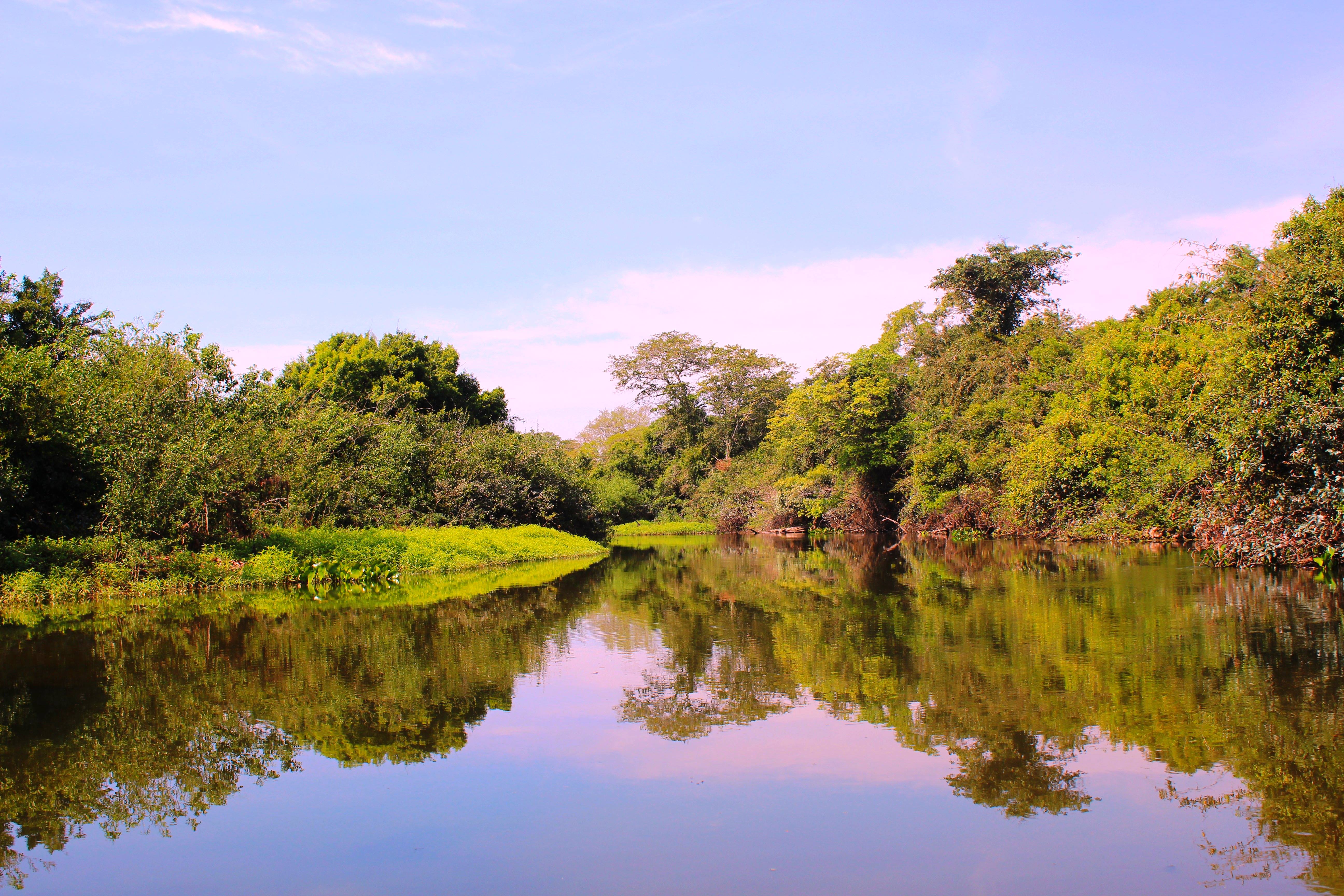
The Nabileque River is one of the most unique and ecologically strategic waterways in the Southern Pantanal, located in the state of Mato Grosso do Sul, Brazil. Situated in the southwestern region of the Pantanal plain, this river plays a fundamental role in maintaining local biodiversity, serving as a vital axis for water drainage and the support of unique ecosystems. The area it traverses is known as the Nabileque Pantanal, a sub-region characterized by vast stretches of floodable fields and a water dynamic that differs from other parts of the biome due to its persistence and connectivity.
Geologically, the Nabileque River is part of a complex depositional system known as the Nabileque Megafan, which covers an area of approximately 9,100 km². This system is one of the most notable geomorphological features of the Pantanal, having been shaped over millennia by the migration and avulsion of fluvial channels. The current river is considered an "underfit river," meaning it occupies a channel and floodplain whose dimensions were established by a much higher water flow in the geological past, possibly by the Paraguay River itself in earlier periods.
The importance of the Nabileque River transcends physical geography; it is a sanctuary for wildlife and a pillar for the regional economy, especially through fishing tourism and ecotourism. Its location near the border with Paraguay and its direct connection to the main trunk of the basin, the Paraguay River, make it an essential biological corridor for various migratory species of fish and birds, consolidating its position as one of the most preserved natural treasures of Mato Grosso do Sul.
Geography and Course
The Nabileque River has its course entirely located in the municipality of Porto Murtinho, in Mato Grosso do Sul. It originates from overflows and connections with the Paraguay River and flows predominantly in a north-south direction, meandering through a plain of very low gradient. The river occupies what geoscientists identify as a paleochannel, an ancient bed abandoned by the Paraguay River that was reoccupied by smaller flows, creating an incised valley that cuts longitudinally through the megafan.
The course of the Nabileque is marked by an intricate network of meanders, bays, and corixos (seasonal channels) that expand drastically during the rainy season. It does not have large tributaries coming from the adjacent plateaus, being fed mainly by the flood pulse of the Paraguay River and by waters coming from vazantes (drainage channels) located to the east. Its mouth occurs again in the Paraguay River, downstream from the city of Porto Murtinho, completing a drainage cycle that is vital for the water regulation of the southern region of the Pantanal.
Hydrological Role in the Pantanal
The hydrological role of the Nabileque River is defined by the flood pulse phenomenon, which governs all life in the Pantanal. Unlike rivers that depend exclusively on local rainfall, the Nabileque functions as a large reservoir and distribution channel for the waters that overflow from the Paraguay River. During the peak of the flood, the waters invade the Nabileque plain, transforming the landscape into an immense inland sea dotted with islands of vegetation.
A notable aspect of the hydrology of this region is its water persistence. While many areas of the Northern and Central Pantanal begin to dry out between August and September, the Nabileque Pantanal often remains flooded or with saturated soils for longer. This occurs due to the slowness of surface runoff in the Porto Murtinho region and the influence of the damming caused by the narrowing of the Paraguay River channel further south. This characteristic makes the Nabileque River a critical refuge for aquatic and terrestrial fauna during the months of severe drought in other parts of the biome.
Fauna and Ecology
The ecology of the Nabileque River is of extraordinary richness, sustained by a diversified vegetation that includes carandazais (formations dominated by the Carandá palm), paratudais (fields of Pantanal yellow trumpet tree), and extensive areas of floodable open fields. These plant formations offer shelter and food for one of the largest concentrations of wildlife in South America.
In the waters of the Nabileque, the ichthyofauna is abundant, with highlights for species such as the pacu, the pintado, the surubim-cachara, and the dourado. The abundance of fish attracts a wide range of predators. Sightings of the jaguar (Panthera onca) are common along the riverbanks, where they hunt caimans and capybaras. The region is also a paradise for birdwatching, being classified as an Important Bird Area (IBA). Species such as the jabiru, the symbol of the Pantanal, the roseate spoonbill, and various species of kingfisher are frequent residents, using the calm waters of the river for nesting and feeding.
Tourism and Experiences
Tourism along the Nabileque River is mainly focused on sport fishing and contemplative ecotourism. The city of Porto Murtinho serves as the main gateway, offering a robust infrastructure of hotel boats and specialized inns. Fishermen seek the Nabileque for the opportunity to catch large specimens of catfish and the valiant dourado, always under the "catch and release" regime to ensure the sustainability of the resource.
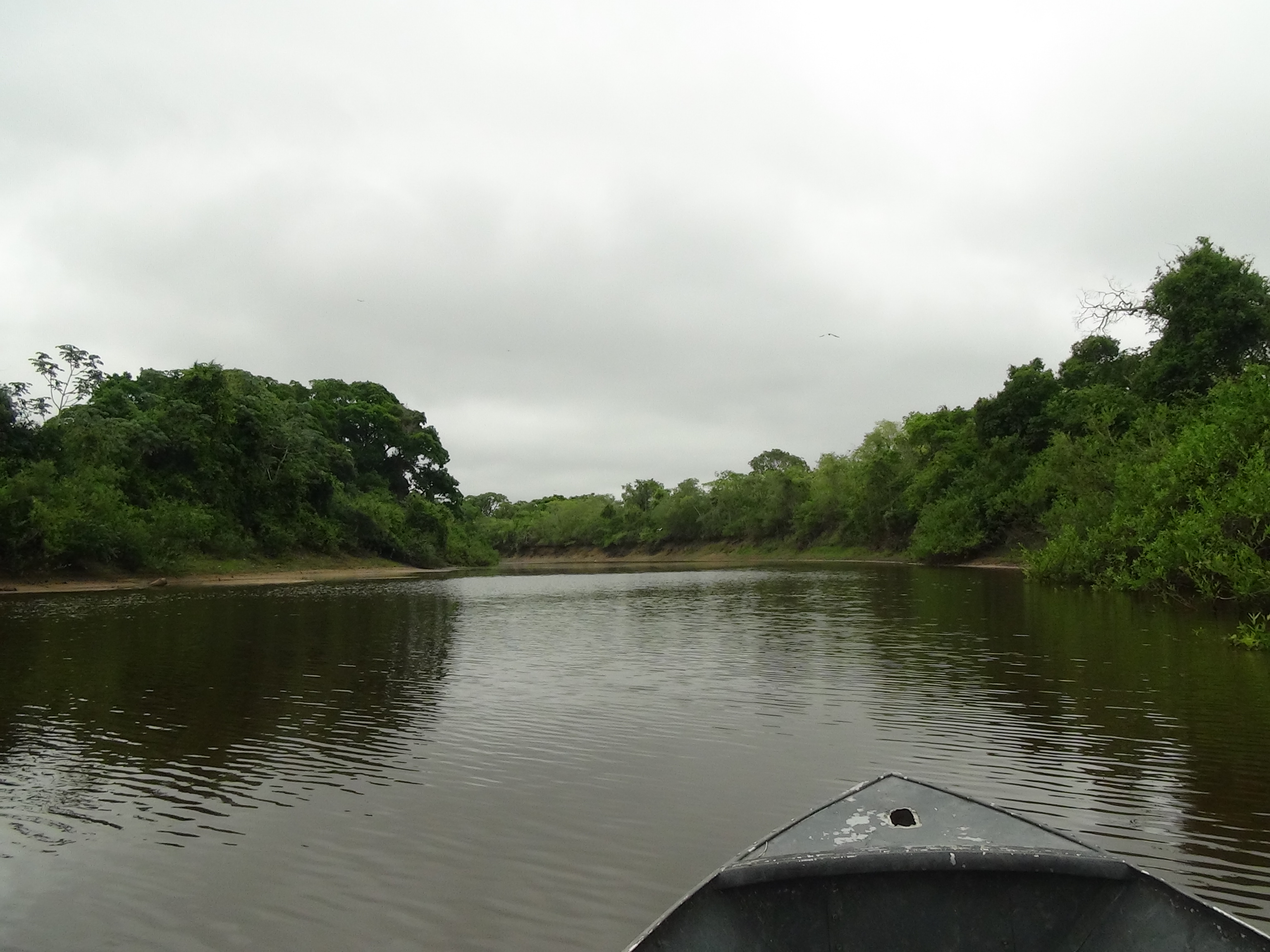
For nature lovers, the Nabileque River offers river safari experiences and nocturnal spotting, where it is possible to observe wildlife in its purest state. Boat trips and canoeing through the corixos allow for intimate contact with the ecosystem, away from the more saturated tourist routes. Pantanal hospitality at the region's farms, such as Fecho dos Morros, provides a unique cultural immersion, where visitors can learn about the way of life of the Pantanal man and his harmonious relationship with the water cycle.
Connection with Other Rivers
The Nabileque River is a fundamental piece in the hydrological puzzle of the Southern Pantanal. Its primary and most important connection is with the Paraguay River, of which it is, technically, an arm and a simultaneous tributary. Furthermore, the water dynamics in the Porto Murtinho region place the Nabileque in indirect contact with the flow coming from the Miranda River and the Aquidauana River, whose waters eventually converge into the main trunk of the Paraguay before reaching the Nabileque's zone of influence. Further north, the system connects to the vast network that includes the Taquari River and the Negro River (MS), forming a complex of wetlands that defines the environmental identity of Mato Grosso do Sul.
References
[1] EMBRAPA PANTANAL. (2012). *Zoneamento Ecológico-Econômico do Pantanal: Subsídios para a Gestão Territorial*. Embrapa Pantanal. Available at: https://www.embrapa.br/pantanal/publicacoes
[2] ALHO, C. J. R. (2008). *Biodiversidade do Pantanal*. Editora UNIDERP.
[3] POTT, A.; POTT, V. J. (1994). *Plantas do Pantanal*. Embrapa-SPI.
[4] SILVA, J. S. V.; ABDON, M. M. (1998). *O Pantanal: um complexo de ecossistemas*. Embrapa-CPAP.
[5] IUCN. (2018). *Hydrochoerus hydrochaeris*. The IUCN Red List of Threatened Species. Available at: https://www.iucnredlist.org/species/10690/22190006
[6] ICMBIO. (2018). *Plano de Ação Nacional para a Conservação das Espécies Ameaçadas de Extinção do Pantanal*. ICMBio. Available at: https://www.icmbio.gov.br
[7] SOS PANTANAL. (2024). *The importance of rivers for the Pantanal*. SOS Pantanal. Available at: https://sospantanal.org.br/a-importancia-dos-rios-para-o-pantanal/