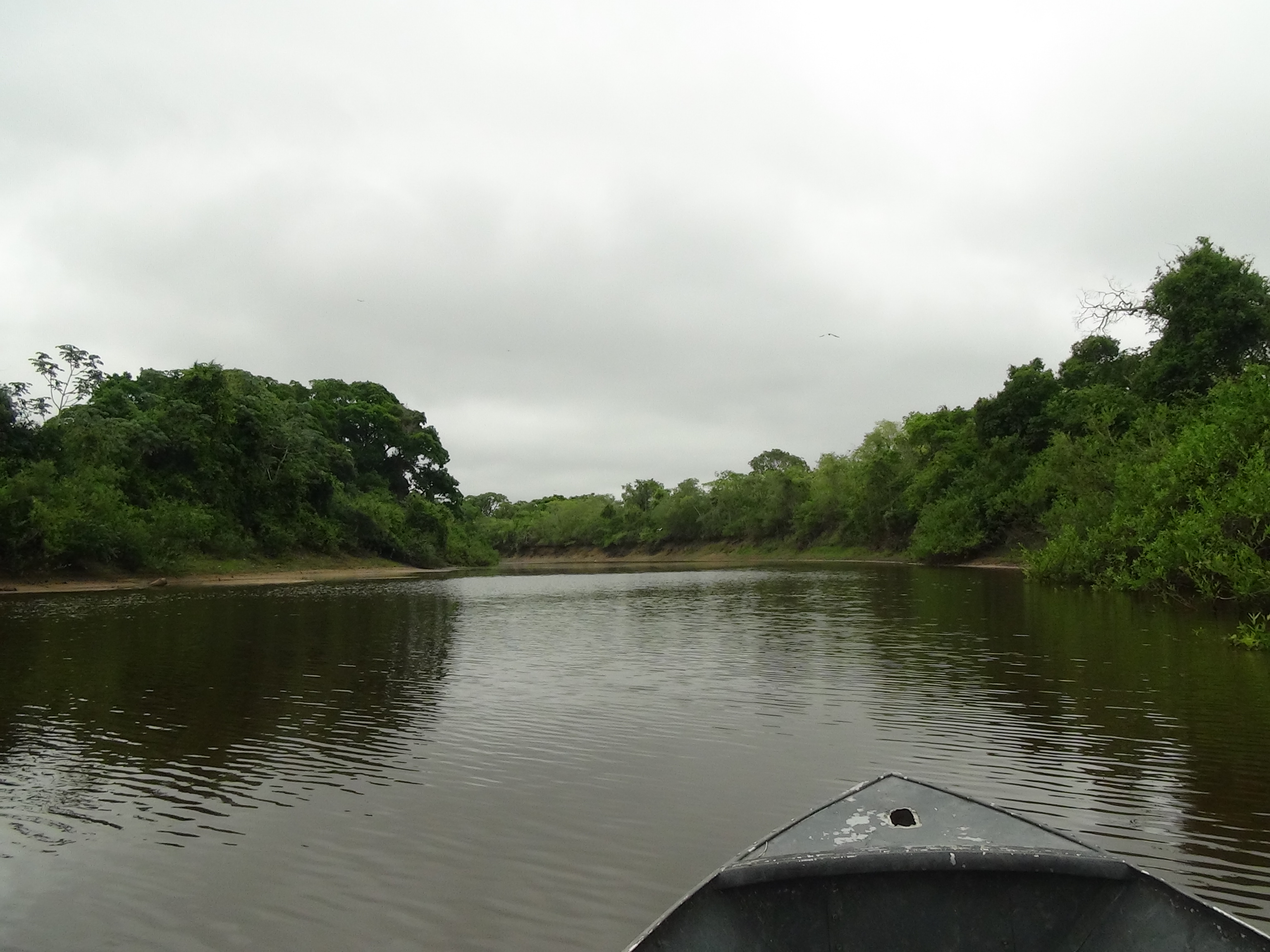


Overview
The Taquarizinho River, also known in some historical and local sources as the Taquarimirim River, is a watercourse of strategic and ecological relevance situated in the state of Mato Grosso do Sul, integrating the complex hydrographic network of the Southern Pantanal. As one of the tributaries that feed the Taquari River basin, the Taquarizinho plays a vital role in maintaining biodiversity and the water balance of the region, especially in the transition between the plateau and the Pantanal plain.
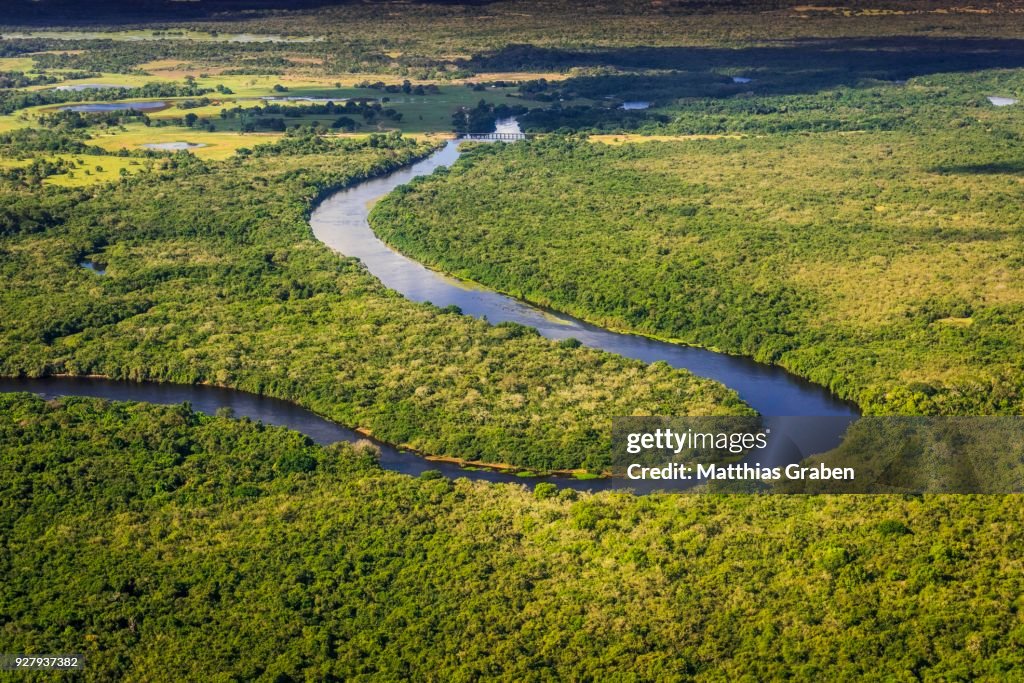
Located primarily in the municipality of Rio Verde de Mato Grosso, the river is formed by the confluence of the Boa Sentença and Taquarimirim streams. Its importance transcends physical geography, being a pillar for local communities that depend on its waters for subsistence, fishing, and, more recently, for ecotourism. The river is a classic example of the fluvial systems that define the Pantanal, characterized by waters that meander through the landscape, creating unique ecological niches for regional fauna and flora.
Historically, the Taquarizinho River has been the subject of geographical studies since the 19th century, being recorded in important Brazilian geographical dictionaries as an essential tributary, sometimes associated directly with the Taquari, sometimes with the Coxim River. This duality in its classification reflects the changing dynamics of Pantanal waters, where channels and flows can alter significantly over decades due to natural processes of sedimentation and avulsion.
Geography and Course
The course of the Taquarizinho River begins in the plateau areas surrounding the Pantanal depression. Its headwaters are located in regions of more rugged relief, where the waters gain speed before reaching the flatter areas of the Pantanal. The river runs through the territory of Mato Grosso do Sul, serving as an important water connector in the municipality of Rio Verde de Mato Grosso and approaching the Coxim region.
Geographically, the Taquarizinho is classified as a tributary on the left bank of the Coxim River, which in turn is one of the main tributaries of the Taquari River. The Taquarizinho basin is characterized by transition vegetation between the Cerrado and the Pantanal, with riparian forests that, although pressured by agricultural activity, still conserve stretches of high ecological integrity. The soil in the region is predominantly sandy, which contributes to the sediment transport dynamics typical of the Taquari basin.
Hydrological Role in the Pantanal
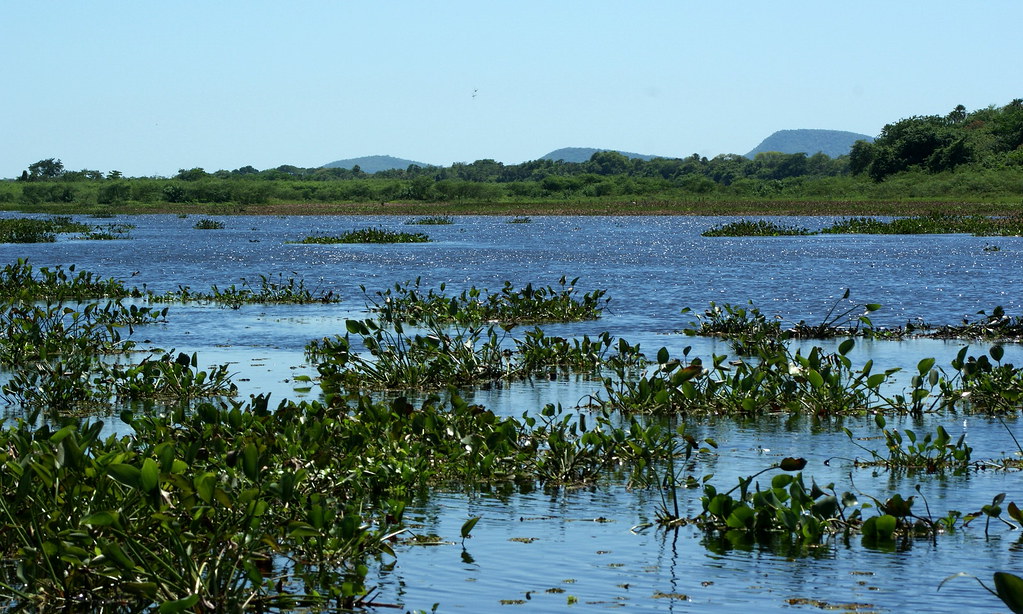
The Taquarizinho River is a fundamental piece in the "flood pulse" of the Southern Pantanal. During the rainy season, the volume of its waters increases drastically, contributing to the overflow of larger rivers and the formation of the vast flooded areas that characterize the Pantanal ecosystem. This seasonal flow is responsible for transporting essential nutrients that fertilize the plains, ensuring the biological productivity of the region.
In addition to its direct contribution of water volume, the Taquarizinho acts in thermal regulation and the maintenance of local humidity. In dry periods, its remaining waters and deep pools serve as critical refuges for aquatic life. The hydrological dynamics of the river are closely linked to the health of the Nhecolândia sub-region, one of the most iconic areas of the Pantanal, known for its thousands of lagoons (baías and salinas) that depend on groundwater and surface recharge influenced by the rivers of the Taquari basin.
Fauna and Ecology
The biodiversity along the Taquarizinho River is exuberant and representative of the Southern Pantanal. In its waters, various fish species are found that attract both natural predators and sport fishermen. Among the most common species are the Pacu, the Pintado, the Cachara, and the Dourado, the latter known as the "river king" for its strength and vibrant golden color.
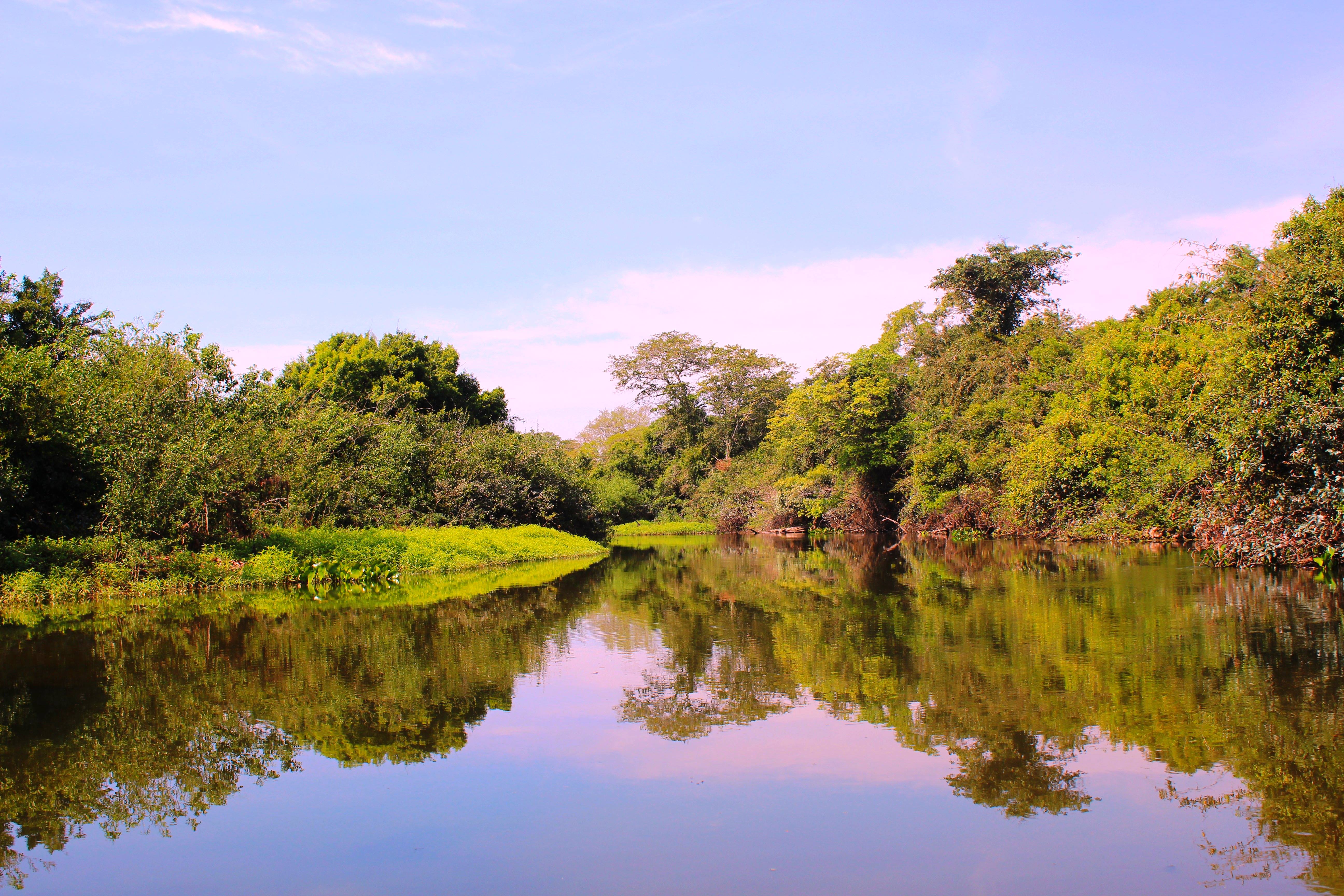
The riverbanks are inhabited by a diversified terrestrial fauna. It is common to see groups of capybaras, Pantanal caimans, and various species of deer. The region is also an ecological corridor for large felines, including the jaguar (Panthera onca), which uses the riparian forests of the Taquarizinho for hunting and movement between different preservation areas. The avifauna is equally rich, with the constant presence of the jabiru, the symbol of the Pantanal, as well as kingfishers, herons, and hyacinth macaws that nest in the tall trees on the banks.
Tourism and Experiences
Tourism in the Taquarizinho River region is mainly focused on sport fishing and contemplative ecotourism. Due to its strategic location near Rio Verde de Mato Grosso and Coxim, the river offers easy access for visitors seeking an authentic experience in the Pantanal without the need for large logistical expeditions. Rural inns and ecotourism farms along its course offer photographic safaris, boat trips, and interpretive trails.
For birdwatching enthusiasts, the Taquarizinho is a privileged destination, especially during the ebb, when birds concentrate on the banks to feed. Canoeing has also gained space, allowing for silent and intimate contact with nature, ideal for spotting shy animals that avoid the noise of engines. Pantanal hospitality, with its typical cuisine based on fish and sun-dried meat, completes the visitor's experience.
Connection with Other Rivers
The Taquarizinho River is intrinsically linked to the vast water network of the Pantanal. It flows into the Coxim River, which soon joins the Taquari River. The Taquari, in turn, is one of the largest tributaries of the Paraguay River, the main artery that drains the entire Pantanal basin. Through this network, the Taquarizinho indirectly connects to other vital systems, such as the Miranda River and the Negro River (MS), forming a mosaic of waters that sustains life throughout the Southern Pantanal.
References
[1] EMBRAPA PANTANAL. (2023). *Bacia do Rio Taquari: Desafios e Perspectivas para a Conservação*. Embrapa Pantanal. Available at: https://www.embrapa.br/pantanal/publicacoes
[2] ALHO, C. J. R. (2008). *Biodiversidade do Pantanal*. Editora UNIDERP.
[3] POTT, A.; POTT, V. J. (1994). *Plantas do Pantanal*. Embrapa-SPI.
[4] SOS PANTANAL. (2024). *Threats and conservation of Pantanal rivers*. SOS Pantanal. Available at: https://sospantanal.org.br
[5] IUCN. (2020). *Pteronura brasiliensis*. The IUCN Red List of Threatened Species. Available at: https://www.iucnredlist.org/species/18711/21938461
[6] ICMBIO. (2018). *Plano de Ação Nacional para a Conservação de Espécies Ameaçadas do Pantanal*. ICMBio. Available at: https://www.icmbio.gov.br
[7] SILVA, J. S. V. (2000). *Impactos ambientais na bacia do Rio Taquari*. Revista Brasileira de Recursos Hídricos, 5(1), 1-15.