
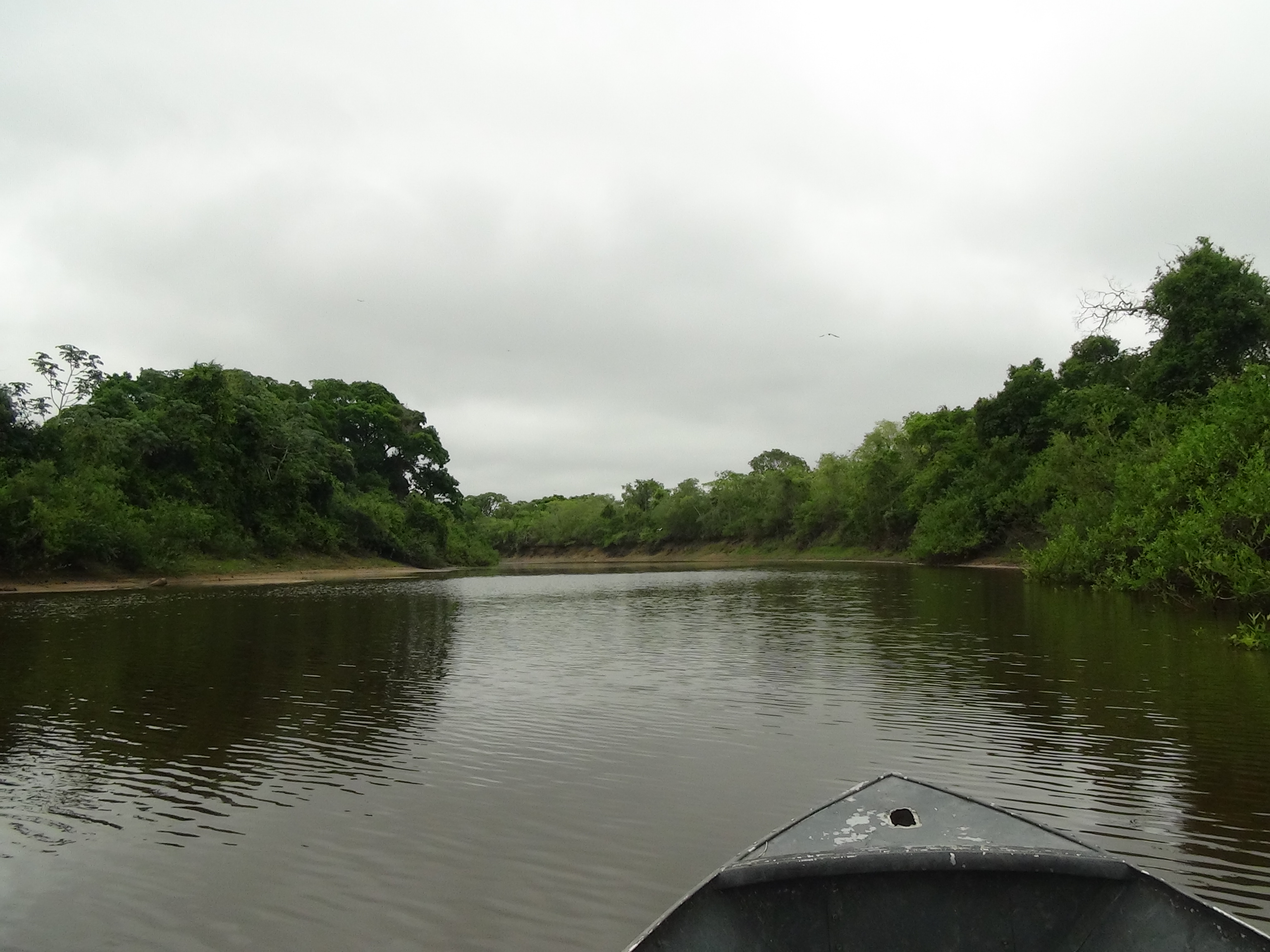
Overview
The Abobral River is one of the most emblematic and ecologically significant watercourses in the Southern Pantanal, located in the state of Mato Grosso do Sul. Acting as a vital tributary on the left bank of the Paraguay River, this river winds through a transition region that harbors extraordinary biodiversity. Its importance transcends mere hydrography, being the central axis of the sub-region known as the Abobral Pantanal, an area famous for the abundance of wildlife and the preservation of authentic Pantanal landscapes [1] [2].
Historically, the Abobral River has been a reference point for human occupation and the development of ecotourism in the region. It is the heart of the Pantanal Park Road (Estrada Parque Pantanal), a scenic route that allows visitors a deep immersion into the Pantanal ecosystem. The river plays a fundamental role in maintaining ecological balance, serving as a biological corridor for countless species and as a regulator of the seasonal floods that define life in the Pantanal [3].
The Abobral region is characterized by a harmonious mixture of floodplains, riparian forests, and 'cordilheiras' (sandy ridges covered by dense vegetation). This diversity of habitats, sustained by the waters of the Abobral River, makes the area one of the best places in Brazil for observing large mammals and aquatic birds, consolidating its reputation as a world-class destination for nature tourism [4].
Geography and Course
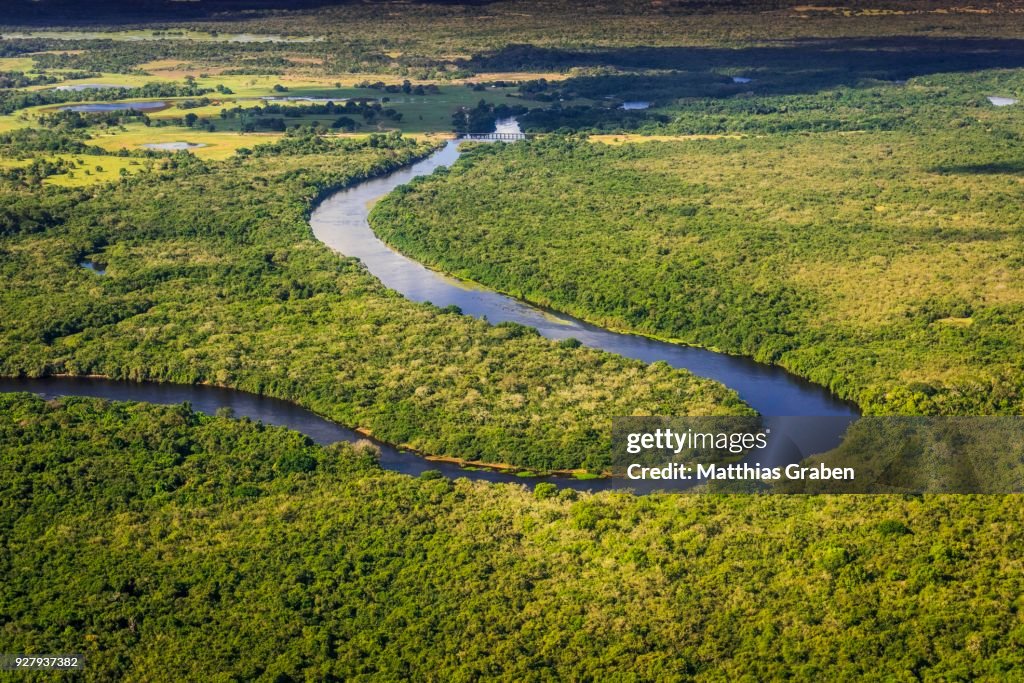
The Abobral River has an approximate length of 57 kilometers, a relatively short course but of extreme morphological complexity [1]. It originates in floodplain areas and flows predominantly in an east-west direction until its mouth in the Paraguay River. Its geographical limits are defined by proximity to other large river systems, such as the Miranda River to the south and the Negro River (MS) to the north [1].
The river's course is marked by a meandering pattern, with sharp curves that change configuration according to the intensity of the annual floods. During the high-water period, the riverbed expands considerably, connecting to a vast network of 'baías' (temporary or permanent lakes) and 'corixos' (natural channels). The topographic gradient of the region is extremely low, resulting in a slow runoff of waters and the formation of extensive flooded areas that remain submerged for several months [1] [5].
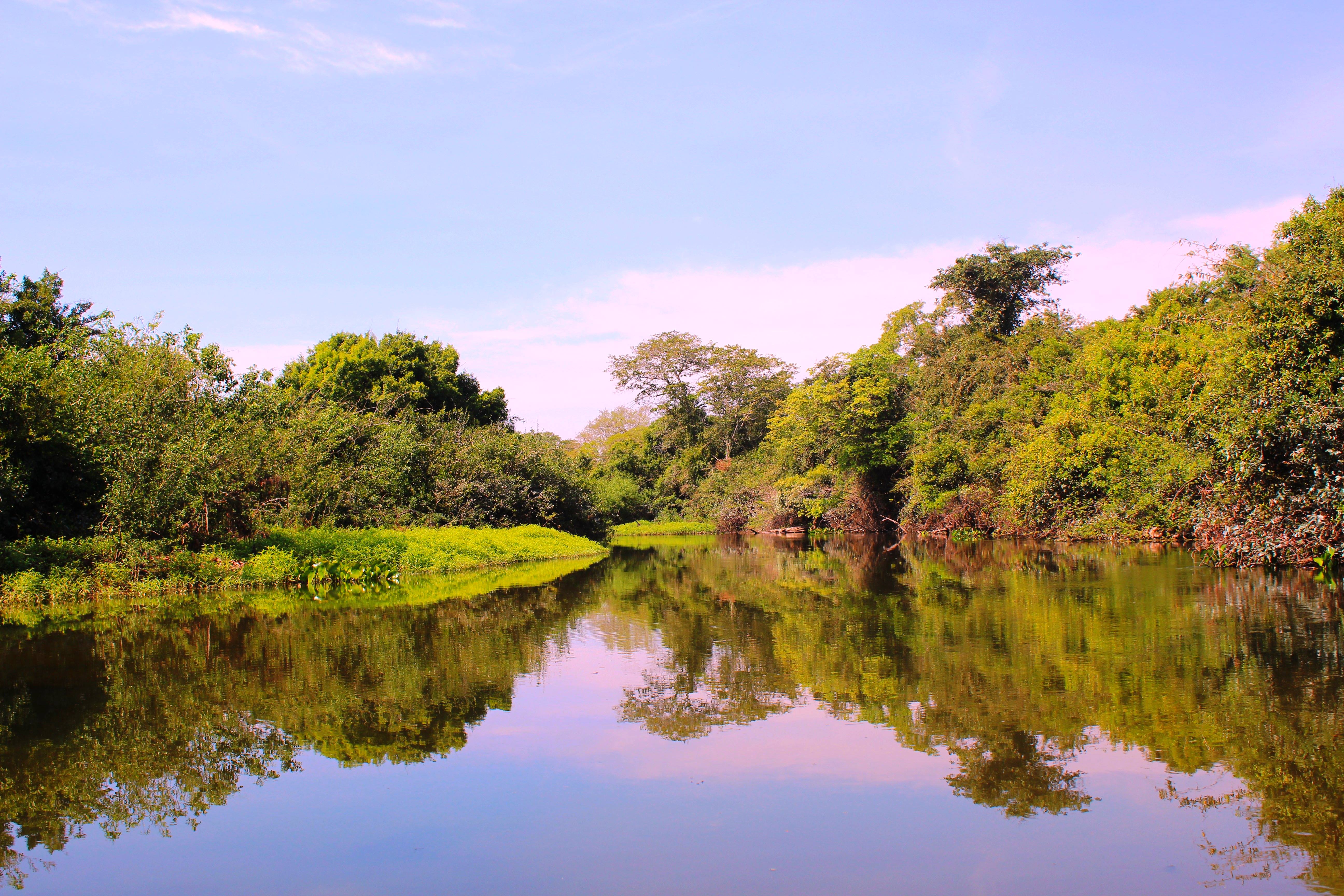
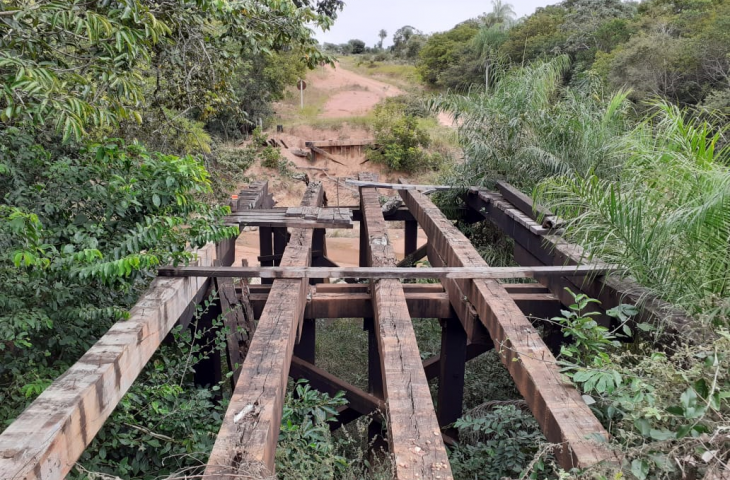
The banks of the Abobral River are lined with riparian vegetation ranging from dense gallery forests to more open savanna formations. Geomorphological studies indicate that the river undergoes constant processes of erosion and sediment deposition, contributing to the ever-changing dynamics of the local landscape. Accessibility to the river is facilitated by the Park Road (MS-184 and MS-228), which crosses the river at strategic points, allowing for environmental monitoring and tourist flow [1] [6].
Hydrological Role in the Pantanal
The Abobral River is an essential component of the flood pulse of the Southern Pantanal. Unlike rivers that depend only on their own headwaters, the dynamics of the Abobral are strongly influenced by the flood regime of the Paraguay River and the Miranda River. When these large rivers overflow, their waters 'dam' the flow of the Abobral, causing lateral overflow into the adjacent plains [1] [2].
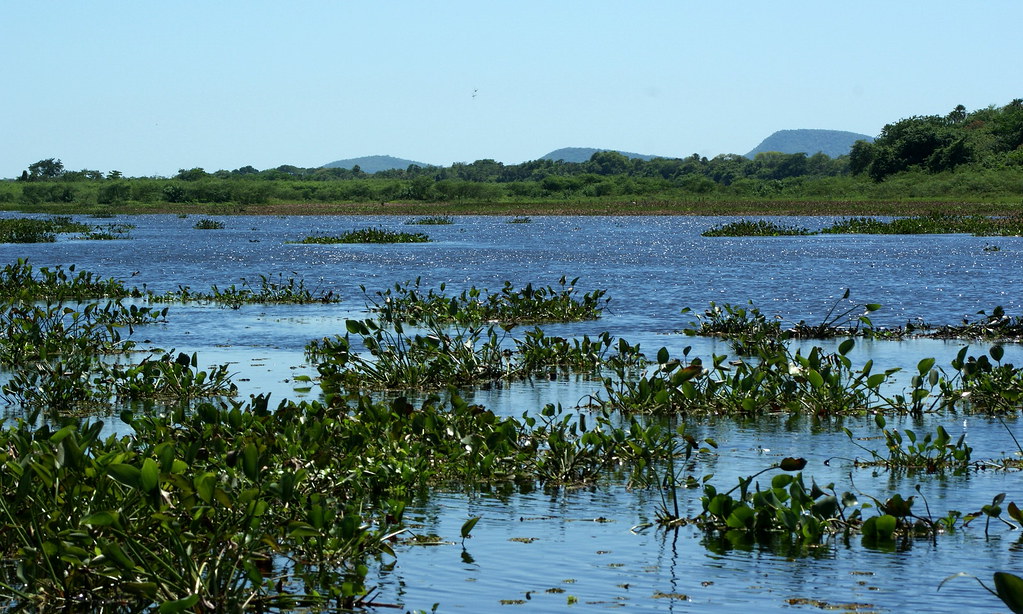
This seasonal flooding phenomenon generally occurs between the months of January and May, transforming the landscape into an immense mirror of water. During the vazante (the period when waters begin to recede), the Abobral River acts as a drainage channel, conducting excess water back to the main bed and to the Paraguay River. This cycle is vital for soil fertilization, as the waters bring nutrients and sediments that sustain the biological productivity of the region [1] [5].
The hydrological regulation exercised by the Abobral River is also crucial for the survival of fauna during the dry season. As the waters recede, isolated pools and lagoons rich in fish are formed, attracting large concentrations of birds and caimans. The river maintains a perennial flow, serving as an essential water refuge in the months of severe drought, ensuring the continuity of wildlife in the Abobral Pantanal [2] [4].
Fauna and Ecology
The biological richness of the Abobral River is one of its most notable attributes. The river and its riparian forests are critical habitats for the jaguar (Panthera onca), which is frequently sighted on the banks during photographic safaris. In addition to the largest feline in the Americas, the region is home to healthy populations of giant otters, capybaras, pampas deer, and tapirs, which use the river as a water source and movement route [4] [7].
The avifauna is equally diverse, with the jabiru stork (symbol of the Pantanal) nesting in large trees near the river. Other common species include the kingfisher, the black-collared hawk, various species of herons, and the roseate spoonbill. During the 'vazante,' the concentration of aquatic birds on the banks of the Abobral is a natural spectacle of rare beauty, attracting ornithologists from all over the world [4] [8].
In the waters of the Abobral River, aquatic life prospers with a wide variety of fish, such as the pacu, the pintado, the dourado, and the piraputanga. These fish not only sustain the local food chain, feeding yacare caimans and piscivorous birds, but are also the basis for sustainable sport fishing practiced in the region. The ecology of the river is a perfect example of the interdependence between hydrological cycles and the maintenance of biodiversity [2] [6].
Tourism and Experiences
The Abobral River is one of the main axes of ecotourism in Mato Grosso do Sul. The presence of renowned lodges, such as Pousada Xaraés and Pousada Santa Clara, offers visitors infrastructure to explore the river in various ways. The photographic safari along the Park Road and boat incursions on the Abobral River are the most sought-after activities, providing close encounters with Pantanal fauna [9] [10].
Tourist experiences on the Abobral River include:
- Boat Trips and Canoeing: Navigating the calm waters of the river allows for observing animals rarely seen by land, such as the giant otter and various aquatic birds.
- Nocturnal Spotting: Expeditions carried out after sunset to spot caimans, crab-eating foxes, and, with luck, the jaguar in activity.
- Sport Fishing: Practiced under strict preservation rules (catch and release), attracting enthusiasts seeking the challenge of catching specimens of dourado and pintado.
- Birdwatching: The region is a 'hotspot' for birdwatchers due to the ease of sighting in open areas and gallery forests.
The integration between traditional extensive cattle ranching and conservation tourism is a striking feature of the Abobral Pantanal. Many farms in the region maintain their productive activities while offering Pantanal hospitality experiences, allowing tourists to closely get to know the culture of the Pantanal man and his relationship with the river [9] [11].
Connection with Other Rivers
The Abobral River is intrinsically linked to the vast hydrological network of the Pantanal. As a tributary of the Paraguay River, it contributes to the volume of water flowing southwards in the basin. Its dynamics are also influenced by proximity to the Miranda River, with which it shares flood areas during major floods [1] [2].
In addition to these direct connections, the Abobral River is part of a larger system that includes:
- The Negro River (MS), whose waters also drain into the Abobral region in periods of exceptional flooding.
- The Aquidauana River, which joins the Miranda and indirectly influences the hydrological regime of the sub-region.
- The network of 'corixos' and 'vazantes' that connect the Abobral to distant 'baías,' allowing for fish migration and nutrient flow throughout the Southern Pantanal.
What is a Corixo?
In the context of the Abobral River, corixos play a vital role. 'Corixos' are natural channels that link 'baías' (lakes) to the main rivers or connect different watercourses during the flood season. Unlike permanent rivers, many 'corixos' may partially dry up or become intermittent during severe drought, but during the flood, they become true 'water roads' for aquatic fauna [1] [12].
The ecological importance of 'corixos' is immense: they function as nurseries for various fish species and as escape and feeding routes for caimans and birds. In the Abobral Pantanal, the network of 'corixos' is what ensures the connectivity of the ecosystem, allowing life to spread across the flooded plains and return to the main channels when the water level drops [12].
References
[1] LIMA, S. F. *Multitemporal Analysis of the Fluvial Morphology of the Abobral River, Pantanal - MS*. Dissertation (Master's in Geography) - UFMS, 2015.
[2] EMBRAPA PANTANAL. *Characterization of the Abobral Pantanal*. Technical Documents, 2006.
[3] ECOA. *The beauty of the Pantanal Park Road*. Available at: https://ecoa.org.br/estrada-parque-pantanal-3/.
[4] SOS PANTANAL. *Meet 10 iconic animals of the Pantanal*. Available at: https://sospantanal.org.br/conheca-10-animais-iconicos-do-pantanal/.
[5] SILVA, A. *Hydrological Dynamics and Geomorphology of the Southern Pantanal*. Brazilian Journal of Geosciences, 2011.
[6] IMASUL. *Illustrated guide to the fish of the Pantanal and surroundings*. Campo Grande, MS, 2022.
[7] ONÇAFARI. *The jaguar in Pantanal culture*. Conservation Report, 2025.
[8] TURISMO MS. *Pantanal: Paradise of Biodiversity*. Available at: https://www.turismo.ms.gov.br/conheca-ms/pantanal/.
[9] POUSADA XARAÉS. *Experiences in the Abobral Pantanal*. Available at: https://www.xaraes.com.br/experiencias/.
[10] TRIPADVISOR. *Pantanal Park Road: What to know before you go*. Traveler Reviews, 2026.
[11] VIVA BONITO. *Pousada Fazenda Xaraés in the heart of the Pantanal*. Available at: https://vivabonito.com.br/pousada-fazenda-xaraes-no-coracao-do-pantanal/.
[12] POTT, A.; POTT, V. J. *Plants of the Pantanal*. Embrapa, 1994.