

Introduction
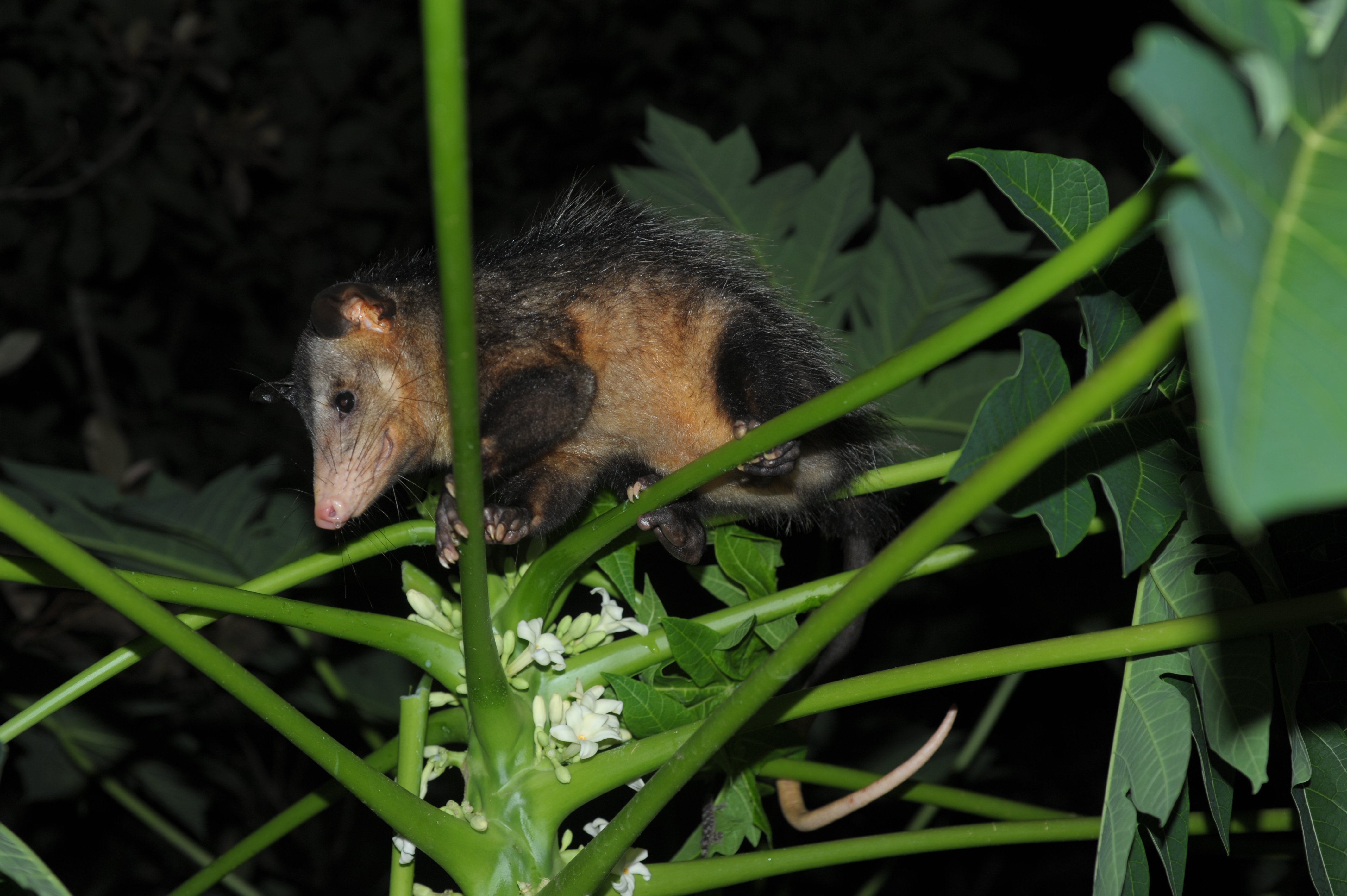
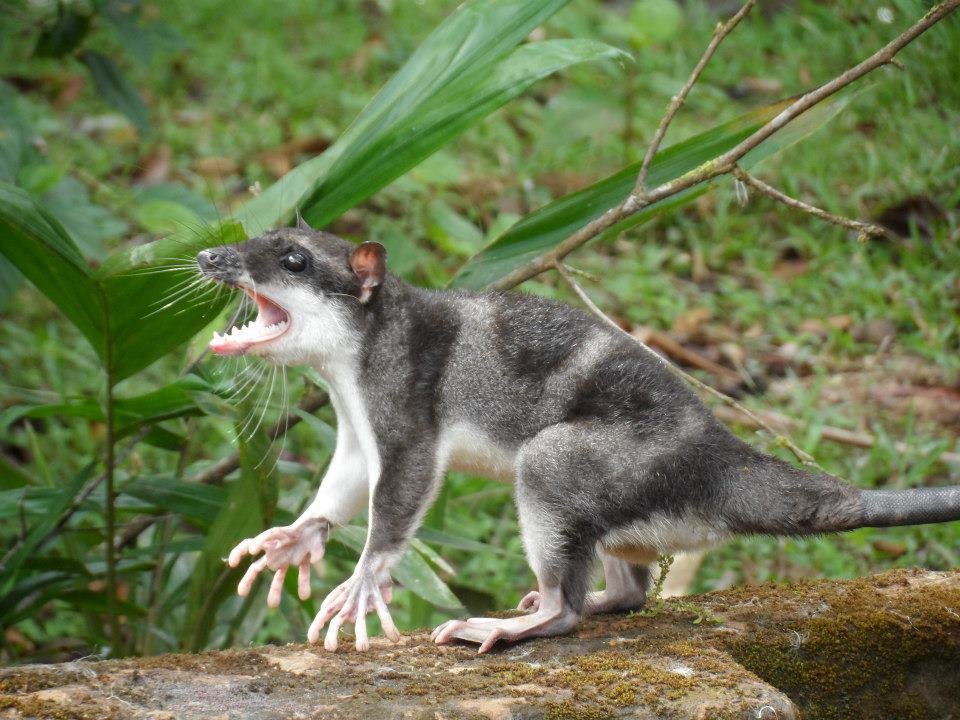
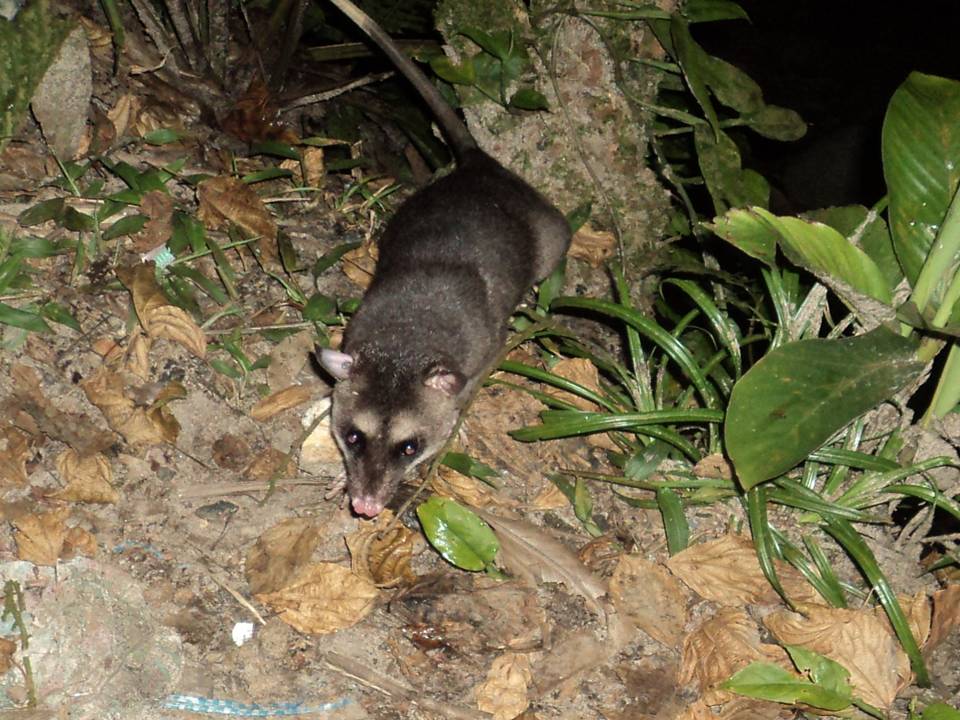
The Gracilinanus agilis, popularly known as the agile gracile mouse opossum or catita, is one of the smallest and most fascinating marsupials inhabiting the vast plain of the Pantanal. Belonging to the family Didelphidae, this species stands out for its extreme agility and strictly nocturnal habits, playing a vital ecological role as a controller of invertebrate populations and a disperser of seeds from small native fruits. In the complex Pantanal ecosystem, the agile gracile mouse opossum acts as a fundamental link in the food chain, serving as prey for various birds of prey and small carnivores, while maintaining the balance of insect communities in the tree canopy.
Scientific Classification
| Kingdom | Animalia |
| Phylum | Chordata |
| Class | Mammalia |
| Order | Didelphimorphia |
| Family | Didelphidae |
| Genus | Gracilinanus |
| Species | Gracilinanus agilis |
| Common name | Agile Gracile Mouse Opossum |
The relevance of this species to the biome is accentuated by its ability to adapt to the extreme seasonal variations characteristic of the region. During the flood and dry cycles, Gracilinanus agilis utilizes different vegetation strata, demonstrating remarkable resilience that makes it an excellent indicator of the environmental health of gallery forests and cordilheiras. Despite its diminutive size, its presence is a testament to the rich biodiversity of small mammals that often goes unnoticed by visitors, but which is essential for maintaining the ecological processes that sustain life in the Pantanal.
Scientifically, the species is classified as "Least Concern" (LC) by the International Union for Conservation of Nature (IUCN), reflecting its wide geographic distribution. However, in the specific context of the Pantanal, the preservation of its habitats is crucial, especially in the face of increasing threats from forest fires and habitat fragmentation. Detailed study of its biology and behavior not only enriches zoological knowledge but also strengthens conservation strategies for the entire biome.
Physical Description
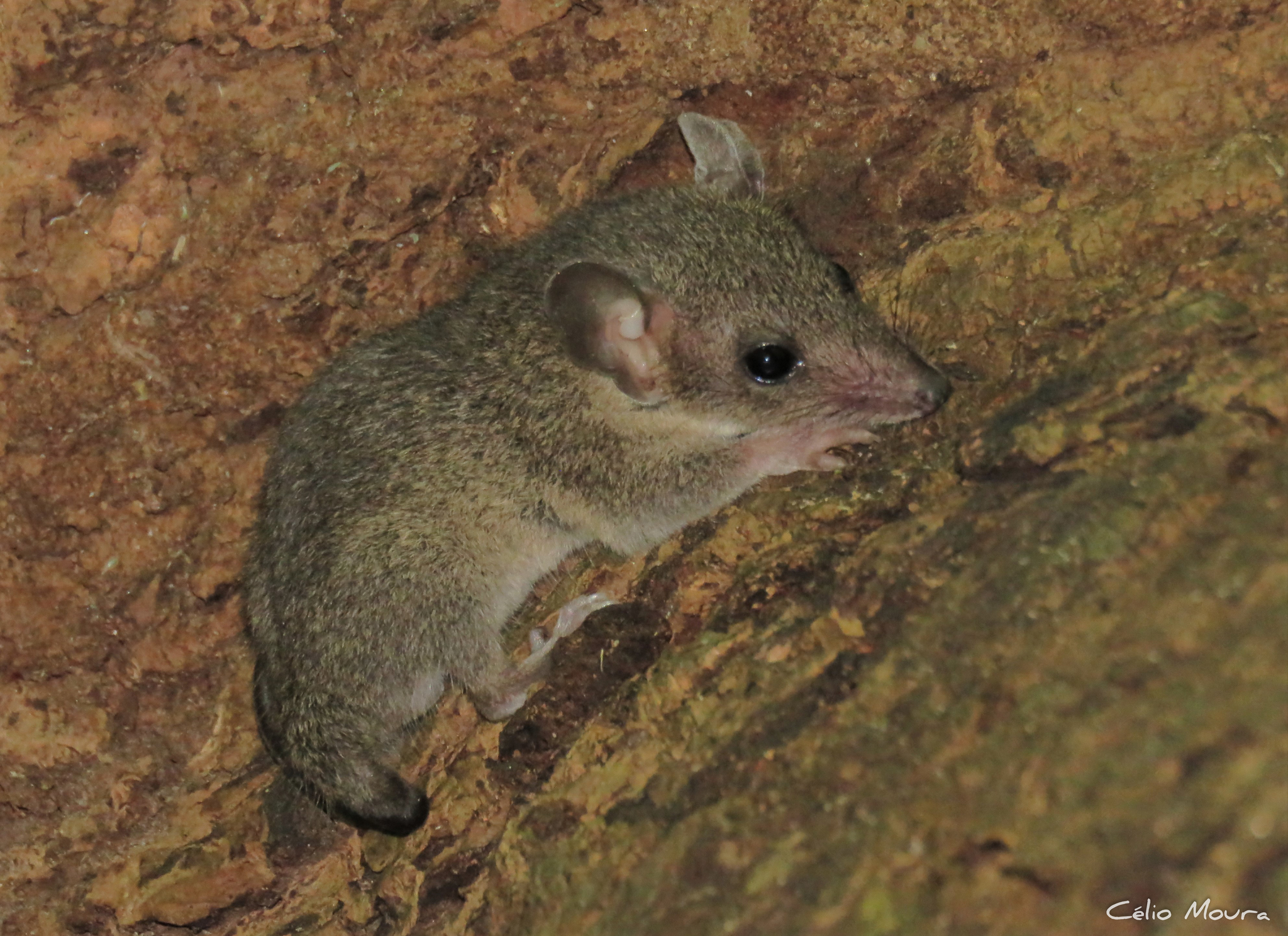
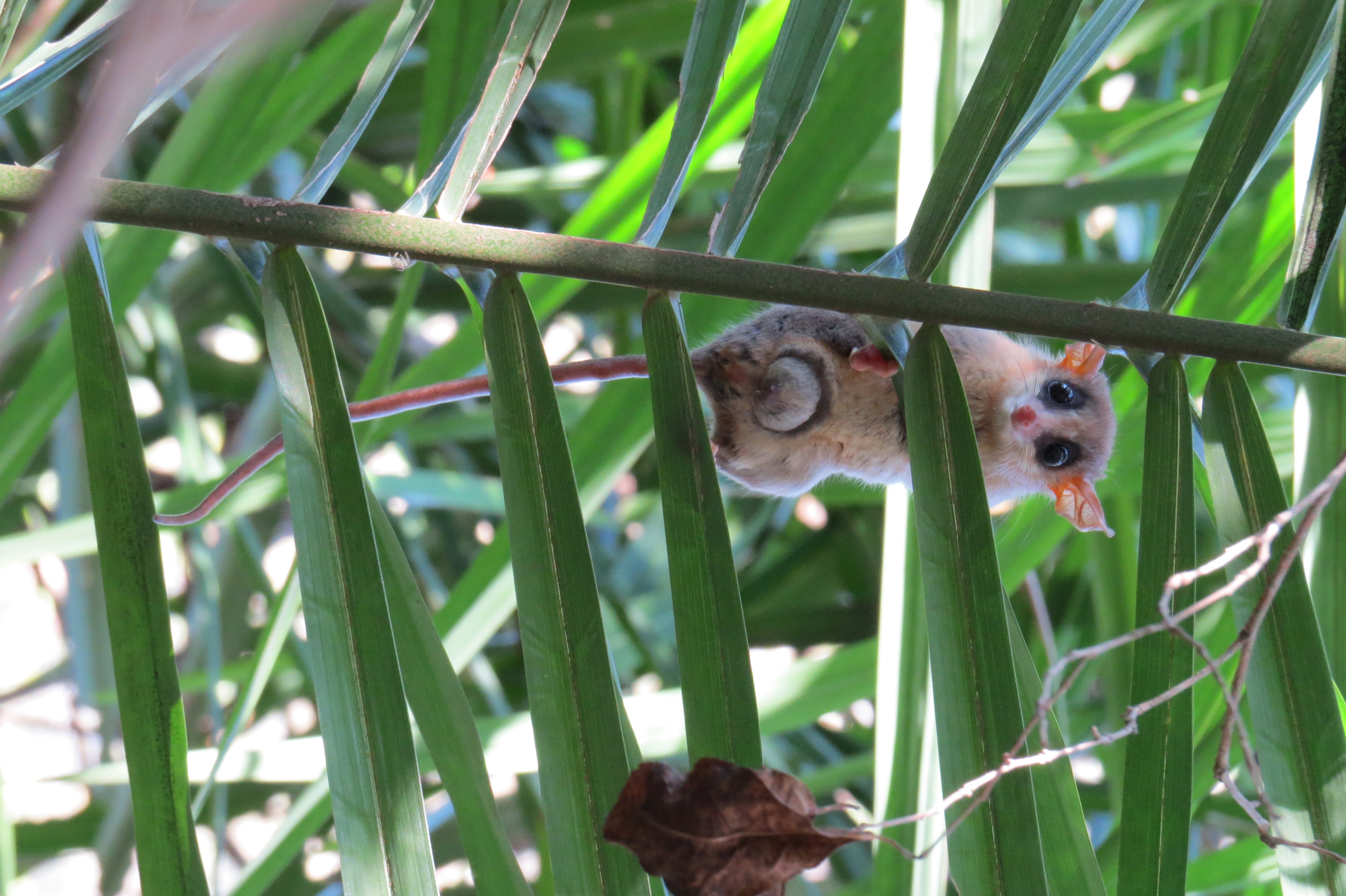
The agile gracile mouse opossum is a marsupial of minuscule proportions, featuring a slender and delicate body that facilitates its movement among the thin branches of shrubby vegetation. The head and body length typically varies between 70 and 115 millimeters, while its notably long and prehensile tail can reach 100 to 150 millimeters. The weight of an adult individual ranges from 15 to 40 grams, depending on the availability of food resources and the reproductive phase. This lightness is a fundamental evolutionary adaptation for its arboreal lifestyle, allowing the animal to explore niches inaccessible to larger mammals.
The fur of Gracilinanus agilis is dense, soft, and silky. The dorsal coloration exhibits shades ranging from reddish-brown to grayish, providing efficient camouflage against tree bark and dry foliage during the night. In contrast, the ventral region is significantly lighter, featuring cream or yellowish-white tones. One of the most striking distinctive features of the species is the presence of dark rings around its large, black eyes, forming a kind of "facial mask" that enhances its alert appearance. Its ears are proportionally large, membranous, and very sensitive, essential for detecting prey and predators in the silence of the Pantanal night.
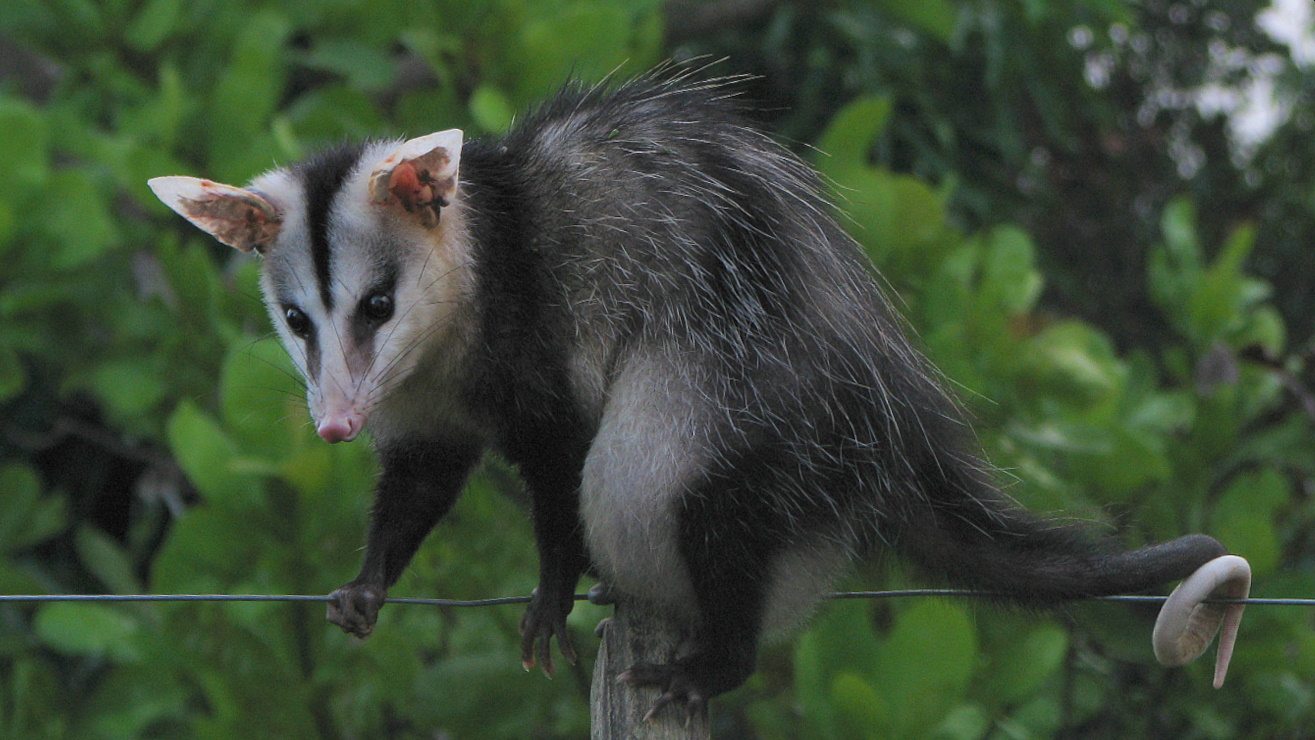
Unlike larger marsupials such as the opossum, female Gracilinanus agilis do not possess a complete and permanent marsupium (pouch). Instead, they have rudimentary skin folds that protect the young during the early stages of development. The tail is almost entirely hairless, except at the base, and possesses a highly developed prehensile capacity, functioning as a "fifth limb" that ensures stability and security during nocturnal acrobatics in the tree canopy.
Habitat and Distribution in the Pantanal
In the Pantanal, Gracilinanus agilis is considered a habitat generalist, occupying a wide variety of vegetation physiognomies. It is frequently found in areas of floodable gallery forests, locally known as "landis," which border rivers such as the Paraguay River. Additionally, the species inhabits "cordilheiras" — slightly elevated land portions that do not experience seasonal flooding and host cerrado and seasonal forest vegetation. This versatility allows the agile gracile mouse opossum to maintain stable populations even during periods of extreme flooding, when many small terrestrial mammals face difficulties.
The geographical distribution of the species covers a large part of central South America, including Brazil, Paraguay, Bolivia, and northern Argentina. In Brazilian territory, in addition to the Pantanal, it occurs in the Cerrado and Caatinga biomes. In the Pantanal ecosystem, its population density can vary significantly among sub-regions, being particularly common in areas where shrubby vegetation is dense and offers protection against aerial predators. Proximity to water bodies and the presence of native fruit trees are determining factors for the choice of its microhabitats.
The table below summarizes the main physiognomies occupied by the species in the Pantanal and their characteristics:
| Habitat Type | Local Name | Relevant Characteristics |
|---|---|---|
| Floodable Gallery Forest | Landis | High humidity, rich in epiphytes and insects; refuge during dry season. |
| Non-floodable Forests | Cordilheiras | Dense vegetation on elevated terrain; essential during floods. |
| Cambará Forests | Cambarazais | Monospecific seasonal formations; used for displacement. |
Behavior
The behavior of Gracilinanus agilis is characterized by a solitary and strictly nocturnal life. The animal begins its activities shortly after sunset, emerging from its diurnal shelters — which can be tree hollows, abandoned bird nests, or dense tangles of twigs and leaves. Its agility is impressive; it moves quickly and precisely between branches, using its prehensile tail to anchor itself while reaching for fruits or catching insects. Although predominantly arboreal, it is not uncommon to observe individuals descending to the ground or exploring the low shrub layer in search of food, especially in transition areas between forest and field.
Socially, the agile gracile mouse opossum does not exhibit aggressive or complex territorial behaviors, maintaining a discreet existence to avoid detection by predators. Communication between individuals occurs primarily through olfactory signals and acute vocalizations, used especially during the mating season. Studies indicate that the species has a relatively small home range, but one that is intensively explored during the night. Its survival strategy is based on stealth and speed, being capable of making short leaps between vegetation to escape immediate threats.
An interesting aspect of its behavior is its response to climatic variations. On particularly cold nights or during periods of extreme food scarcity, some small marsupials may enter a temporary state of torpor to conserve energy, although this phenomenon still requires more specific studies for Pantanal populations. The interaction with the environment is dynamic, and the animal demonstrates acute spatial memory, regularly returning to known food sources, such as fruiting trees.
Diet
The diet of Gracilinanus agilis is omnivorous, with a strong inclination towards the consumption of invertebrates and fruits, which technically classifies it as an insectivore-frugivore. In the Pantanal, its diet is highly opportunistic and varies according to the seasonal availability of resources. Insects form the protein base of its diet, including a wide range of beetles, ants, termites, spiders, and small moths. By preying on these organisms, the graceful gracile mouse opossum exerts fundamental biological control, preventing insect population explosions that could affect local vegetation.
In addition to animal protein, the consumption of wild fruits is essential for the animal's hydration and energy intake. It feeds on pulp and nectar from various native botanical species, acting as an efficient seed disperser. By ingesting fruits and subsequently defecating the seeds in locations distant from the mother plant, Gracilinanus agilis directly contributes to the regeneration of Pantanal forests. In areas near human settlements or farms along the Transpantaneira, the species can also benefit from insects attracted by light or crop residues, demonstrating its dietary plasticity.
The ecological role of the graceful gracile mouse opossum can be compared to that of other small mammals in the biome, as illustrated in the comparison below:
| Species | Main Diet | Main Ecological Role |
|---|---|---|
| Gracilinanus agilis | Insects and Fruits | Pest control and seed dispersal. |
| Capybara | Grasses | Grazing and terrestrial/aquatic nutrient cycling. |
| Maned Wolf | Fruits and Small Vertebrates | Dispersal of large seeds and rodent control. |
Reproduction
The reproductive biology of Gracilinanus agilis in the Pantanal is intimately linked to the rainfall regime and resource availability. Reproductive activity generally intensifies between September and March, coinciding with the end of the dry season and the beginning of the flood, a period when the abundance of insects and fruits reaches its peak. Unlike some Cerrado populations that may exhibit semelparity (where males die after a single intense mating period), Pantanal populations seem to display a more flexible strategy, with females capable of producing more than one litter per year if environmental conditions are favorable.
The gestation period is short, typical of marsupials, lasting about two weeks. After birth, the offspring — which are born in an extremely underdeveloped state — migrate to the mother's teats. As the species does not have a complete pouch, the young are exposed, protected only by skin folds and the mother's abdominal fur. An average litter can range from 7 to 12 pups. As they grow, the young become too heavy to remain solely attached to the teats and are carried on the female's back during her nocturnal forays, a characteristic behavior that requires great strength and balance from the mother.
Parental care is exclusively provided by the female. Weaning occurs around two to three months of age, at which point the young begin to learn hunting techniques and fruit foraging. Sexual maturity is reached quickly, allowing the species to recover its populations after mortality events caused by severe droughts or atypical floods. This high reproductive rate is a natural defense against the intense predation pressure exerted by larger animals, such as the jaguar (in its juvenile stages) or nocturnal birds of prey.
Conservation Status
Currently, Gracilinanus agilis is classified by the IUCN as a species of "Least Concern." This classification is due to its wide range and the presumption that its global populations are large and stable. In Brazil, ICMBio (Chico Mendes Institute for Biodiversity Conservation) follows the same line, not including the species in official lists of endangered animals. However, this apparent stability should not lead to complacency, especially concerning Pantanal populations, which face growing challenges.
The main threats to the graceful gracile mouse opossum in the Pantanal biome include habitat loss and fragmentation resulting from the conversion of native forests into exotic pastures and agricultural areas. Large-scale forest fires, which have become more frequent and severe in recent years, represent a devastating danger for small arboreal mammals, which have limited mobility to escape fast-moving fire fronts. Furthermore, changes in the hydrological regimes of the Paraguay River and its tributaries can directly impact the availability of food and nesting sites in gallery forests.
The conservation of the species fundamentally depends on the maintenance of ecological corridors and the preservation of native forest areas within private properties and conservation units. Continuous monitoring of small mammal populations is essential to detect early declines that may indicate broader ecological imbalances. The graceful gracile mouse opossum indirectly benefits from conservation efforts focused on "flagship" species, such as the giant otter or the jaguar, which ensure the protection of large areas of shared habitat.
Curiosities
The graceful gracile mouse opossum is surrounded by interesting facts that fascinate researchers and wildlife enthusiasts. Although it is a marsupial, many people confuse it with a small rodent due to its size and agility. However, the presence of its prehensile tail and the way it carries its young reveal its true evolutionary lineage, much closer to kangaroos than to rats. Locally, in addition to cuíca, it receives affectionate names like "catita" or "guaiquica," terms that reflect the familiarity of traditional Pantanal populations with this small nocturnal neighbor.
A notable curiosity is its voracity: despite weighing only a few tens of grams, the graceful gracile mouse opossum is a relentless hunter. In a single night, it can consume an amount of insects equivalent to almost half its body weight. This characteristic makes it a valuable ally for ecotourism and sustainable agriculture in the region, as it helps to keep mosquito and other insect populations under natural control. During nocturnal safaris along the Transpantaneira highway, attentive observers equipped with flashlights can occasionally spot the gleam of its eyes reflected in the vegetation, providing a rare glimpse of this micromammal in action.
Furthermore, the graceful gracile mouse opossum has an intrinsic relationship with the Pantanal flora. Some plant species depend almost exclusively on small nocturnal mammals for the pollination of their flowers or the dispersal of their seeds. Thus, by protecting the graceful gracile mouse opossum, we are also protecting the botanical diversity of the Pantanal. Its image, although less iconic than that of large mammals, is beginning to gain space in educational materials as a symbol of the "invisible biodiversity" that makes the Pantanal one of the richest and most complex ecosystems on the planet.
References
[1] IUCN. (2016). *Gracilinanus agilis*. The IUCN Red List of Threatened Species. Available at: https://www.iucnredlist.org/species/9400/22171110
[2] ALHO, C. J. R. (2008). *Biodiversidade do Pantanal*. Editora UNIDERP.
[3] PAGLIA, A. P. et al. (2012). *Lista Anotada dos Mamíferos do Brasil*. 2. ed. Fundação Biodiversitas.
[4] EMBRAPA PANTANAL. (2024). *Mamíferos do Pantanal*. Embrapa Pantanal. Available at: https://www.embrapa.br/pantanal/mamiferos
[5] GARDNER, A. L. (2008). *Mammals of South America, Volume 1: Marsupials, Xenarthrans, Shrews, and Bats*. University of Chicago Press.
[6] EISENBERG, J. F.; REDFORD, K. H. (1999). *Mammals of the Neotropics, Volume 3: Ecuador, Bolivia, Brazil*. University of Chicago Press.