

Introduction
The Saimiri boliviensis, popularly known as the black-capped squirrel monkey or Bolivian squirrel monkey, is one of the most charismatic and agile primates of the Americas. Belonging to the family Cebidae, this species stands out for its remarkable intelligence and social complexity, living in groups that can exceed 50 individuals. In the context of the Pantanal, specifically in the Northern Pantanal region (Mato Grosso), the squirrel monkey plays a vital ecological role as a seed disperser and controller of insect populations, integrating perfectly into the seasonal dynamics of the floodplains.
Scientific Classification
| Kingdom | Animalia |
| Phylum | Chordata |
| Class | Mammalia |
| Order | Primates |
| Family | Cebidae |
| Genus | Saimiri |
| Species | Saimiri boliviensis |
| Common name | Black-capped Squirrel Monkey |
Although its main distribution is associated with the Amazon basin, the presence of Saimiri boliviensis in the Pantanal represents an important connection between the Amazon and Cerrado biomes. In these transition areas, the species masterfully adapts to gallery forests and ridges (cordilheiras), where the abundance of resources during the flood period favors its survival. The observation of these primates is one of the highlights of ecotourism in the Transpantaneira region, where their agility and curious behavior enchant visitors and researchers from all over the world.
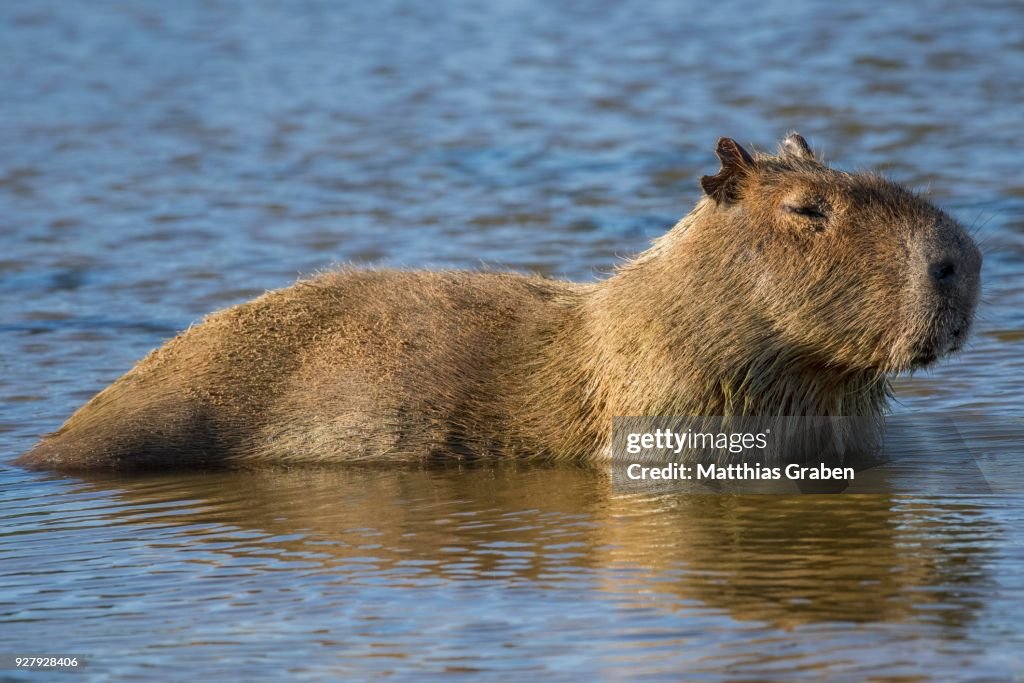
The importance of the squirrel monkey to the Pantanal ecosystem goes beyond its scenic beauty. As an omnivorous animal with a strong inclination toward frugivory and insectivory, it acts as a "forest gardener," assisting in the regeneration of degraded areas and the maintenance of plant diversity. Its interaction with other species, such as the capybara and various birds, illustrates the intricate web of life that defines the Pantanal as one of the largest and richest wetlands on the planet.
Physical Description
Saimiri boliviensis is a small primate, characterized by a slender body and long limbs that facilitate its saltatory locomotion among the tree canopies. Adults present a body length ranging between 25 and 37 centimeters, with a non-prehensile tail that can reach 40 centimeters, functioning as an important counterweight during their acrobatic movements. The average weight of males revolves around 900 to 1100 grams, while females are slightly smaller, weighing between 700 and 900 grams, configuring a subtle but perceptible sexual dimorphism in terms of robustness.
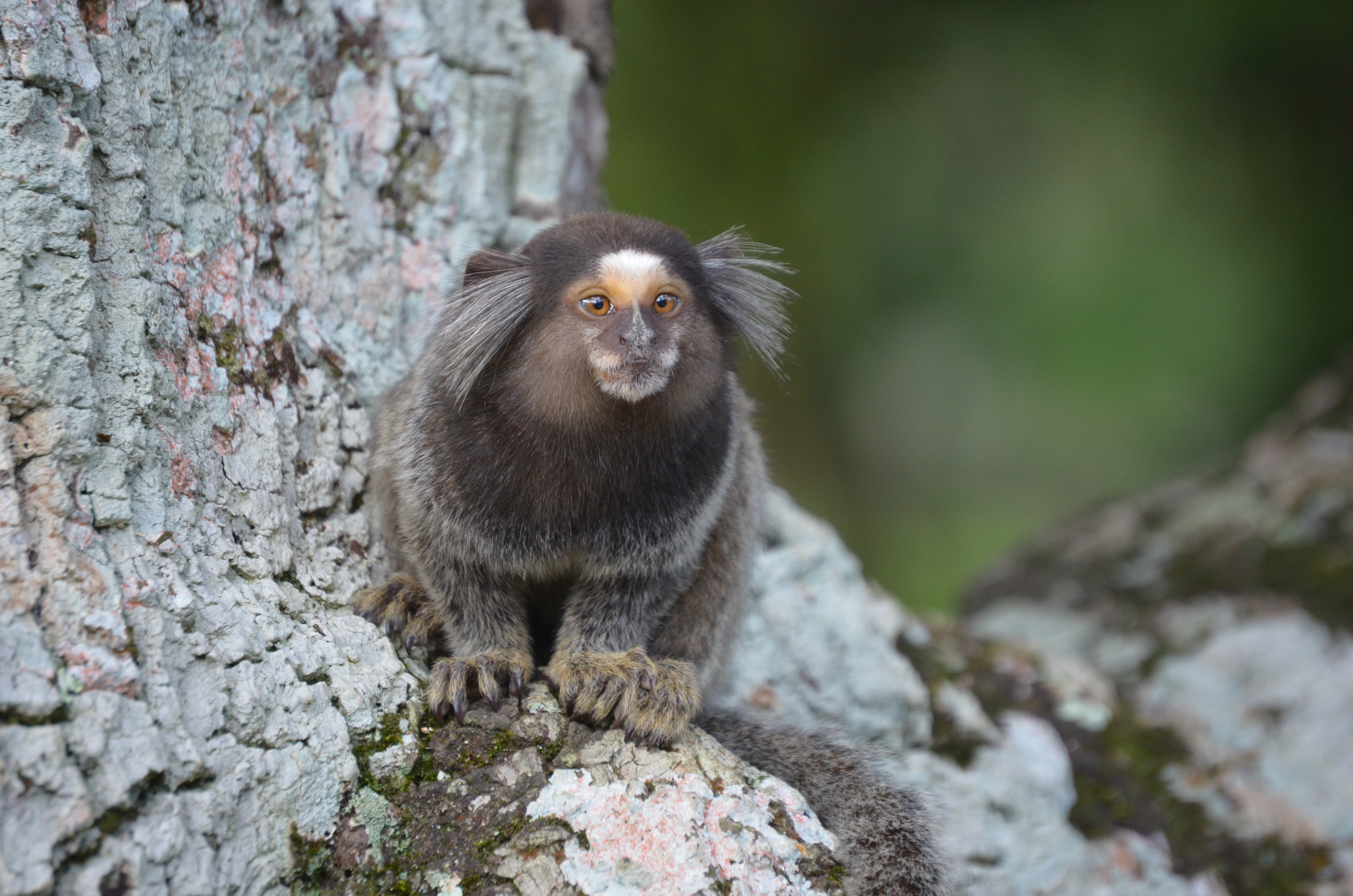
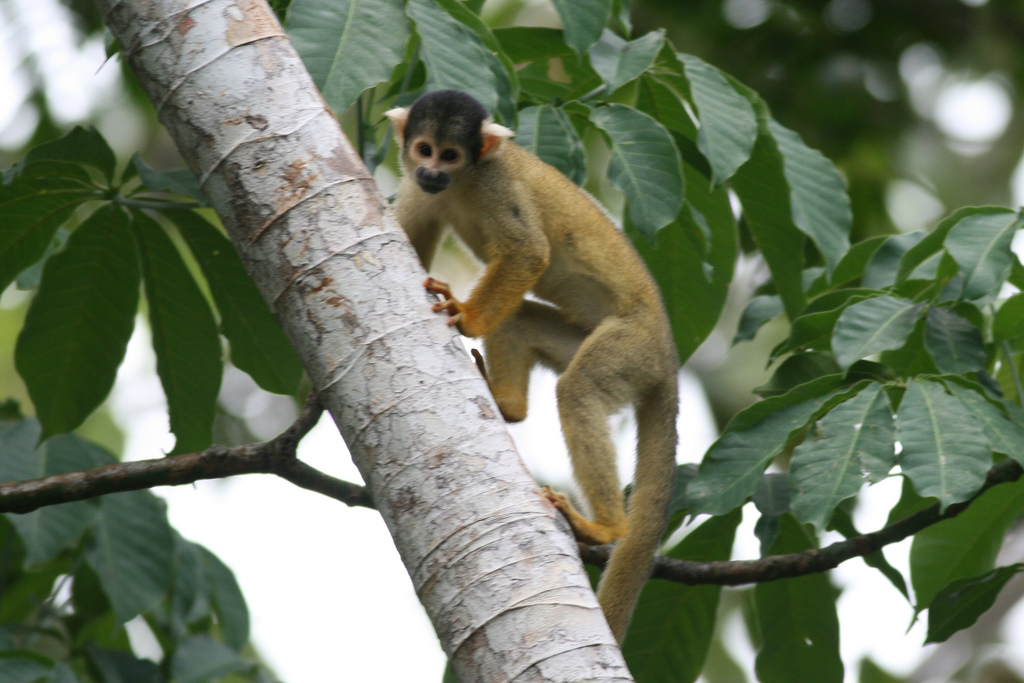
The fur coloration is one of the species' most distinctive features. The back presents tones ranging from olive-gray to yellowish, while the belly and the inner part of the limbs are lighter, generally whitish or cream. The characteristic that gives it the name "golden-handed" in some regions is the intense orange or golden coloration on the forearms, hands, and feet. The face is marked by a white "mask" around the eyes, which contrasts strongly with the dark snout and the top of the head (crown), which in Saimiri boliviensis is typically black or dark gray, differentiating it from other species of the genus Saimiri.
In addition to the fur, the cranial and dental anatomy of the squirrel monkey is adapted for a diversified diet. Its incisor teeth are sharp for piercing fruit skins and insect exoskeletons, while the molars are efficient in processing plant material. Its large, forward-facing eyes provide excellent stereoscopic vision, essential for calculating distances between branches and detecting camouflaged prey in the dense foliage of Pantanal forests.
Habitat and Distribution in the Pantanal
The geographical distribution of Saimiri boliviensis covers vast areas of Bolivia, Peru, and Brazil. In Brazilian territory, the species is found predominantly in the states of Acre, Amazonas, and Rondônia. However, its occurrence extends significantly into the Northern Pantanal, especially in the areas of influence of the Paraguay River and its tributaries. This region functions as an ecological corridor that allows for the coexistence of Amazonian faunal elements amidst the Pantanal landscape.
In the Pantanal, the squirrel monkey demonstrates a preference for riparian forest habitats (gallery forests) and seasonal semideciduous forests, known locally as "cordilheiras." These areas offer protection against predators and a constant supply of fruits and insects, even during critical periods of drought or extreme flooding. The species is rarely seen in open areas of clean field, preferring the connectivity of the forest canopy to move safely.
The adaptation to the Pantanal's flood regime is notable. During the flood pulse, groups of Saimiri boliviensis concentrate in the higher parts of the vegetation, taking advantage of the fruiting of trees that depend on water for dispersal. Population density in the Northern Pantanal can be quite high in preserved areas, making them one of the most frequent primates in sightings along the Transpantaneira highway, where infrastructure facilitates access to preserved forest areas.
Behavior
The social behavior of Saimiri boliviensis is one of the most complex among Neotropical primates. They are strictly diurnal and highly gregarious animals, living in troops that generally count 20 to 50 individuals, although larger groups have already been recorded in areas of high productivity. The social structure is based on matrilines, where females remain in the natal group for life, while males tend to disperse upon reaching sexual maturity, seeking integration into new groups.
Communication plays a central role in group cohesion. The name "squirrel monkey" (macaco-de-cheiro in Portuguese) derives from the habit of urinating on their own hands and feet and rubbing the liquid over the body, a behavior known as "urine washing." This act serves to mark chemical trails on branches, allowing other group members to follow the path, besides assisting in thermoregulation and signaling social and reproductive status. In addition to chemical signals, they possess a vast repertoire of vocalizations, which include alarm calls for aerial predators (such as hawks) and terrestrial ones (such as the jaguar).
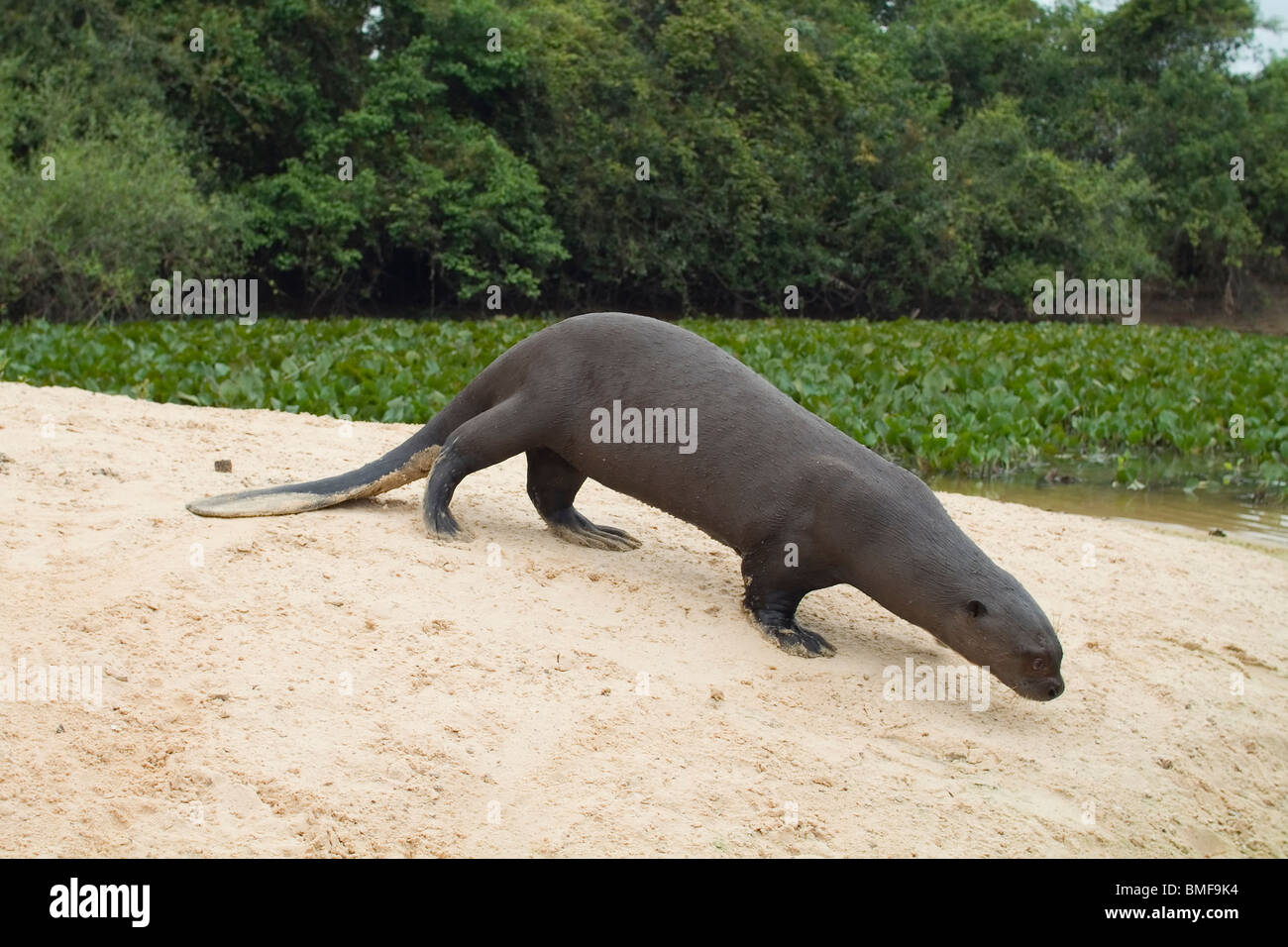
Agility is the hallmark of their daily activity. They spend about 75% of their active time in search of food, moving quickly through the middle and lower strata of the forest. They are known for their curiosity and lack of fear toward other large animals, such as the giant otter, often observing them from riverbanks. However, they remain vigilant against predators like the maned wolf in transition areas to the Cerrado.
Diet
The diet of Saimiri boliviensis is classified as omnivorous, with a strong specialization in fruits and insects (frugivore-insectivore). In the Pantanal, its feeding varies seasonally according to the availability of resources imposed by the water cycle. During the rainy season, there is an abundance of wild fruits, such as figs (Ficus spp.) and ingá, which make up the bulk of its caloric intake. Fruits provide the sugars necessary to sustain its high metabolism and intense activity levels.
Protein is obtained mainly through the predation of small invertebrates. The squirrel monkey is a skilled hunter of grasshoppers, spiders, caterpillars, and even small vertebrates like tree frogs and lizards. They use their agile hands to search through dry leaves, crevices in tree bark, and the interior of bromeliads for prey. This active foraging behavior is fundamental for the biological control of forest pests, maintaining the balance of insect populations in the Pantanal ecosystem.
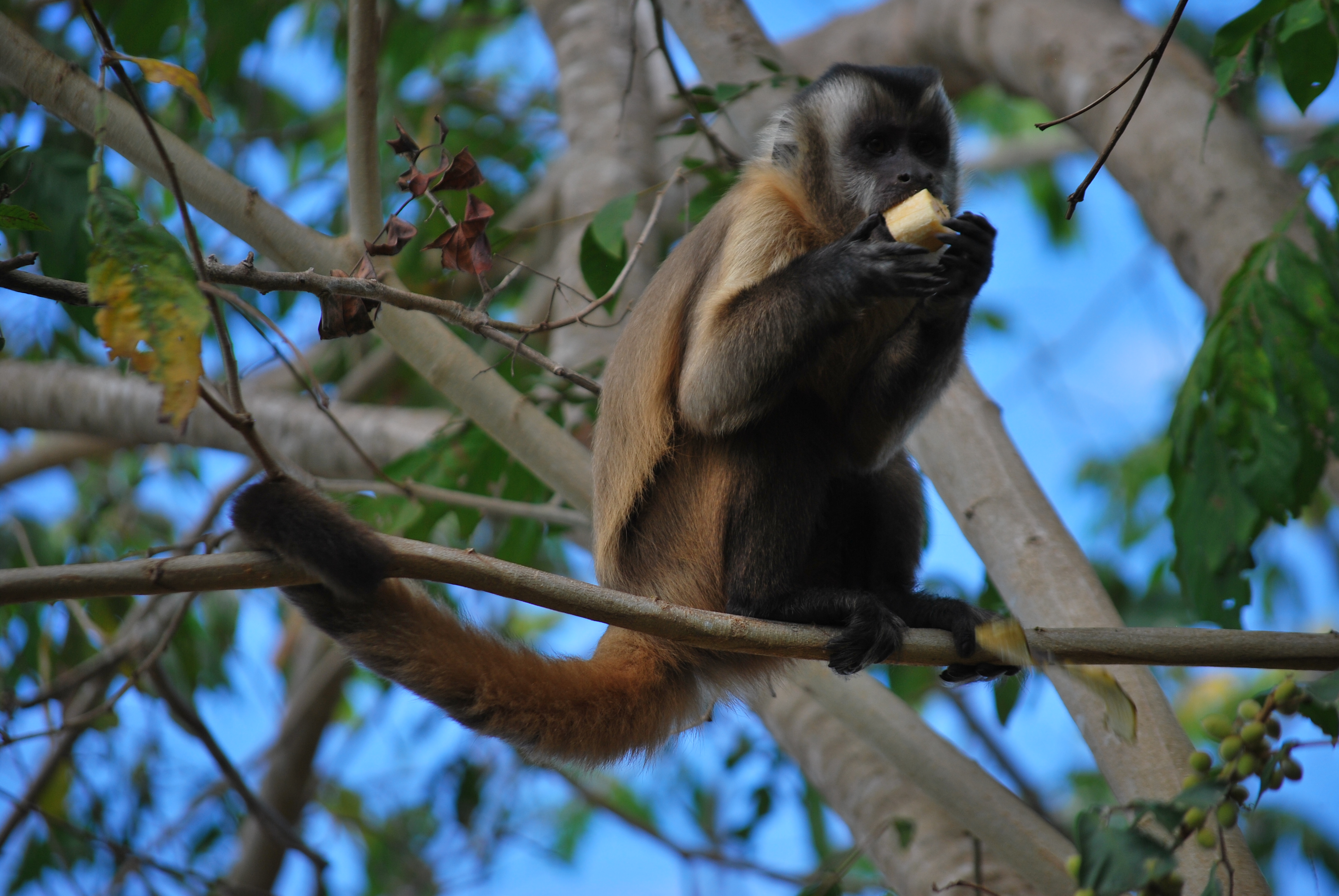
An interesting aspect of its feeding ecology is the formation of multi-species associations. In the Pantanal, it is common to observe groups of squirrel monkeys following troops of capuchin monkeys (Sapajus spp.). While the stronger capuchin monkeys can open hard-shelled fruits or break branches, the squirrel monkeys take advantage of the fallen remains or capture insects that are flushed out by the movement of the larger primates. This strategy maximizes feeding efficiency and increases safety against predators through shared vigilance.
Reproduction
The reproductive system of Saimiri boliviensis is characterized by polygynandry, where both males and females mate with multiple partners. However, there is a clear dominance hierarchy among males, which becomes more evident during the mating season. In this period, dominant males undergo notable physiological changes, accumulating fat and water in the upper part of the body (a phenomenon known as "male fattening"), which makes them visually more imposing and attractive to females.
Reproduction is highly seasonal and synchronized with the Pantanal's environmental cycles. The gestation period lasts approximately 150 to 170 days, resulting in the birth of a single offspring per female. Births generally occur at the beginning of the rainy season, when food supply is maximal, ensuring that the mother has enough energy for lactation and that the offspring has access to soft fruits during weaning. The synchrony of births within the group also serves as a defense strategy against predators, diluting the individual risk of each offspring.
Parental care is exercised almost exclusively by the female, although other females in the group (often sisters or older daughters) may act as "nannies," occasionally carrying the offspring. In the first months, the offspring remains constantly clung to the mother's back. Sexual maturity is reached around 2.5 to 3 years for females and between 4 and 5 years for males. The interval between births is generally two years, allowing the female to recover her energy reserves between reproductive cycles.
Conservation Status
Currently, Saimiri boliviensis is classified by the International Union for Conservation of Nature (IUCN) as a species of "Least Concern" (LC). This classification is due to its wide geographical distribution and the ability to inhabit different types of forests, including areas that have suffered some degree of human disturbance. In Brazil, the Chico Mendes Institute for Biodiversity Conservation (ICMBio) also maintains the species' conservation status as stable at the national level.
Despite the favorable status, the species faces growing threats that cannot be ignored, especially in the Pantanal biome. Habitat fragmentation due to the expansion of extensive cattle ranching and soybean agriculture in the plateau areas (which affect the floodplain's water regime) is the main concern. Furthermore, forest fires intensified by climate change represent a direct risk, destroying the gallery forests that serve as refuge and food source for these primates. The loss of connectivity between forest fragments can lead to the isolation of populations and the reduction of genetic diversity in the long term.
Another pressure factor is the illegal wildlife trade. Due to their small size and docile appearance, squirrel monkeys are frequently targeted for the illegal pet market. However, their complex social nature and specific dietary needs make their maintenance in captivity extremely difficult and unethical. The conservation of the species in the Pantanal depends on the maintenance of Private Natural Heritage Reserves (RPPNs) and the strengthening of ecological corridors that guarantee the free movement of troops between forest areas. Ecotourism, when practiced responsibly, also plays a fundamental role in the appreciation and protection of these primates, providing unique photographic opportunities without the need for human intervention or artificial feeding.
Furthermore, the squirrel monkey has a peculiar relationship with certain plants. They are known for rubbing certain species of aromatic plants or even ants on their fur. It is believed that this behavior, called "anting" or self-anointing, helps repel external parasites and mosquitoes, functioning as a natural repellent. This practical intelligence demonstrates how these small primates evolved complex solutions to survive in the challenging and dynamic environments of the Pantanal and the Amazon.
References
[1] IUCN. (2021). *Saimiri boliviensis*. The IUCN Red List of Threatened Species. Available at: https://www.iucnredlist.org/species/19966/17940984
[2] ICMBIO. (2018). *Livro Vermelho da Fauna Brasileira Ameaçada de Extinção*. ICMBio. Available at: https://www.icmbio.gov.br
[3] ALHO, C. J. R. (2008). *Biodiversidade do Pantanal*. Editora UNIDERP.
[4] EMBRAPA PANTANAL. (2023). *Primatas do Pantanal: Diversidade e Conservação*. Embrapa Pantanal. Available at: https://www.embrapa.br/pantanal/publicacoes
[5] SOS PANTANAL. (2024). *A vida selvagem no Pantanal: Macacos*. SOS Pantanal. Available at: https://sospantanal.org.br/a-vida-selvagem-no-pantanal-macacos/
[6] RYLANDS, A. B.; MITTERMEIER, R. A. (2009). *The Diversity of the New World Primates (Platyrrhini): An Overview of the Families, Genera, and Species*. In: GARBER, P. A. et al. (Eds.). *South American Primates: Comparative Perspectives in the Study of Behavior, Ecology, and Conservation*. Springer.