Introduction
Calomys callosus, commonly known as the large kangaroo rat or large evening mouse, is a rodent of the family Cricetidae that plays a fundamental role in the ecological dynamics of the Brazilian Pantanal. This species is one of the largest representatives of the genus Calomys, skillfully adapting to the open field environments and sparse vegetation formations that characterize much of the Pantanal plain. Its presence is an indicator of ecosystem health in savanna and transition areas, where it functions as a vital link in the transfer of energy between primary producers and top predators.
Scientific Classification
| Kingdom | Animalia |
| Phylum | Chordata |
| Class | Mammalia |
| Order | Mammalia |
| Family | Mammalia |
| Genus | Calomys |
| Species | Calomys callosus |
| Common Name | Calomys callosus |
Within the context of the Pantanal, the large kangaroo rat is recognized not only for its abundance during certain times of the year but also for its importance in the food chain. As a primary and secondary consumer, it serves as a dietary base for a wide range of carnivores, including birds of prey, snakes, and small felines. Beyond its ecological relevance, the species attracts significant public health interest for being one of the main wild reservoirs of hantavirus and arenavirus in South America, necessitating constant monitoring in areas where wildlife and human settlements interact in Mato Grosso and Mato Grosso do Sul.
The conservation of Calomys callosus is intrinsically linked to the preservation of the Pantanal’s open habitats. Although classified as "Least Concern" (LC) by the International Union for Conservation of Nature (IUCN), the species faces challenges deriving from native pasture conversion to monocultures and altered fire regimes. Understanding its biology and ecology is essential for management strategies that aim both to maintain the Pantanal’s biodiversity and to mitigate zoonotic risks associated with this small yet significant mammal.
Physical Description
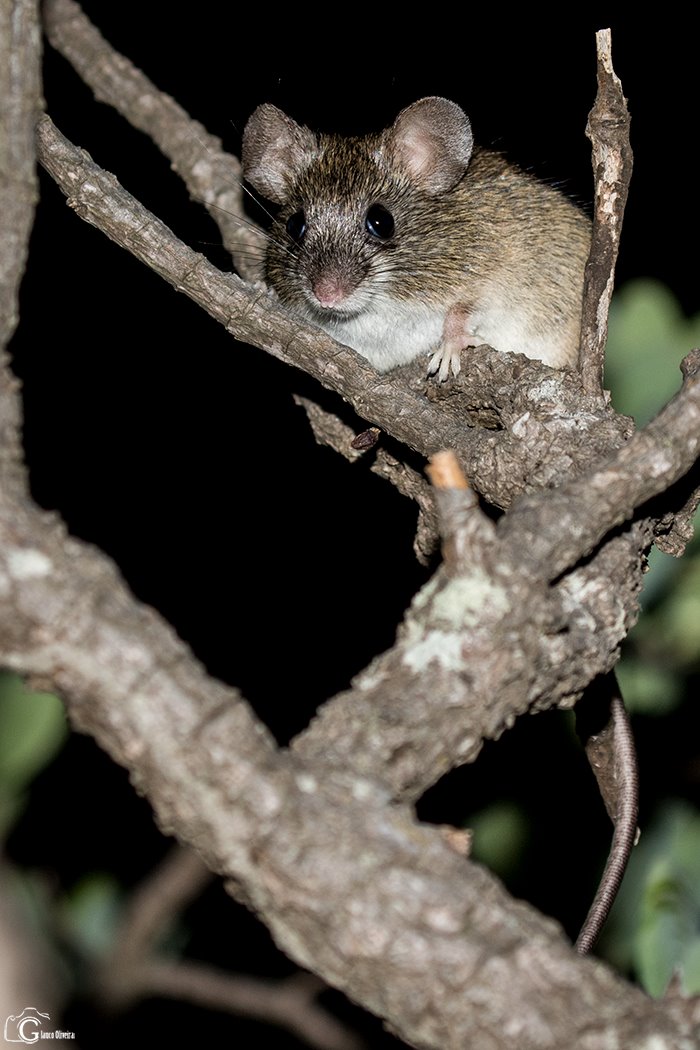
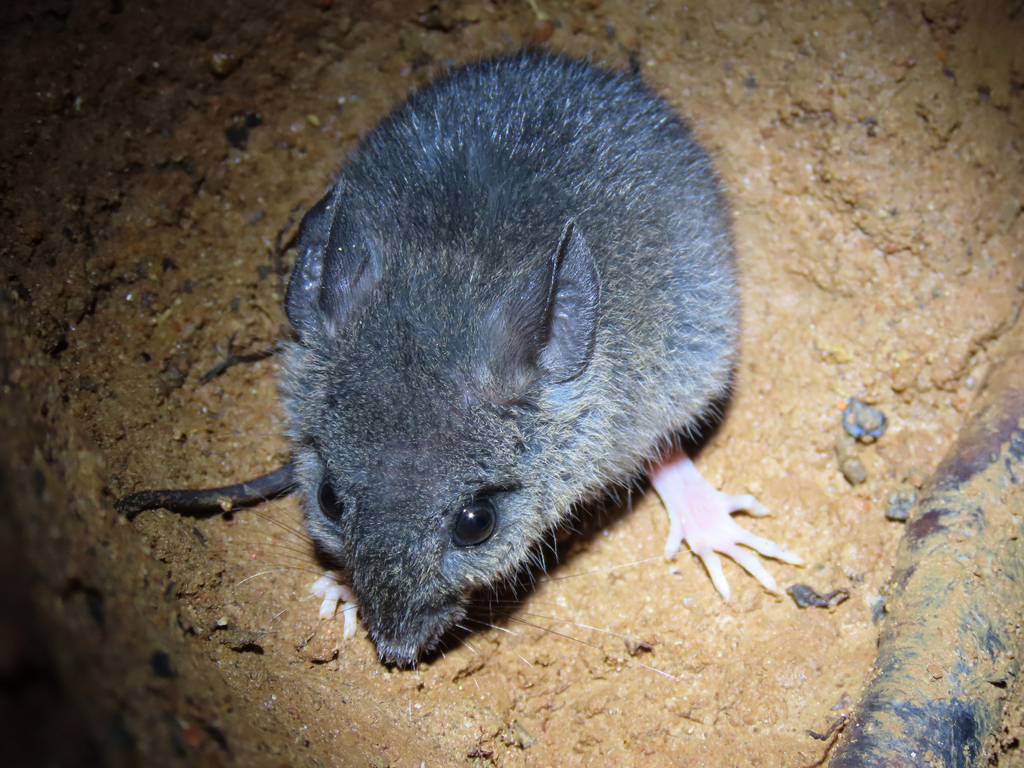
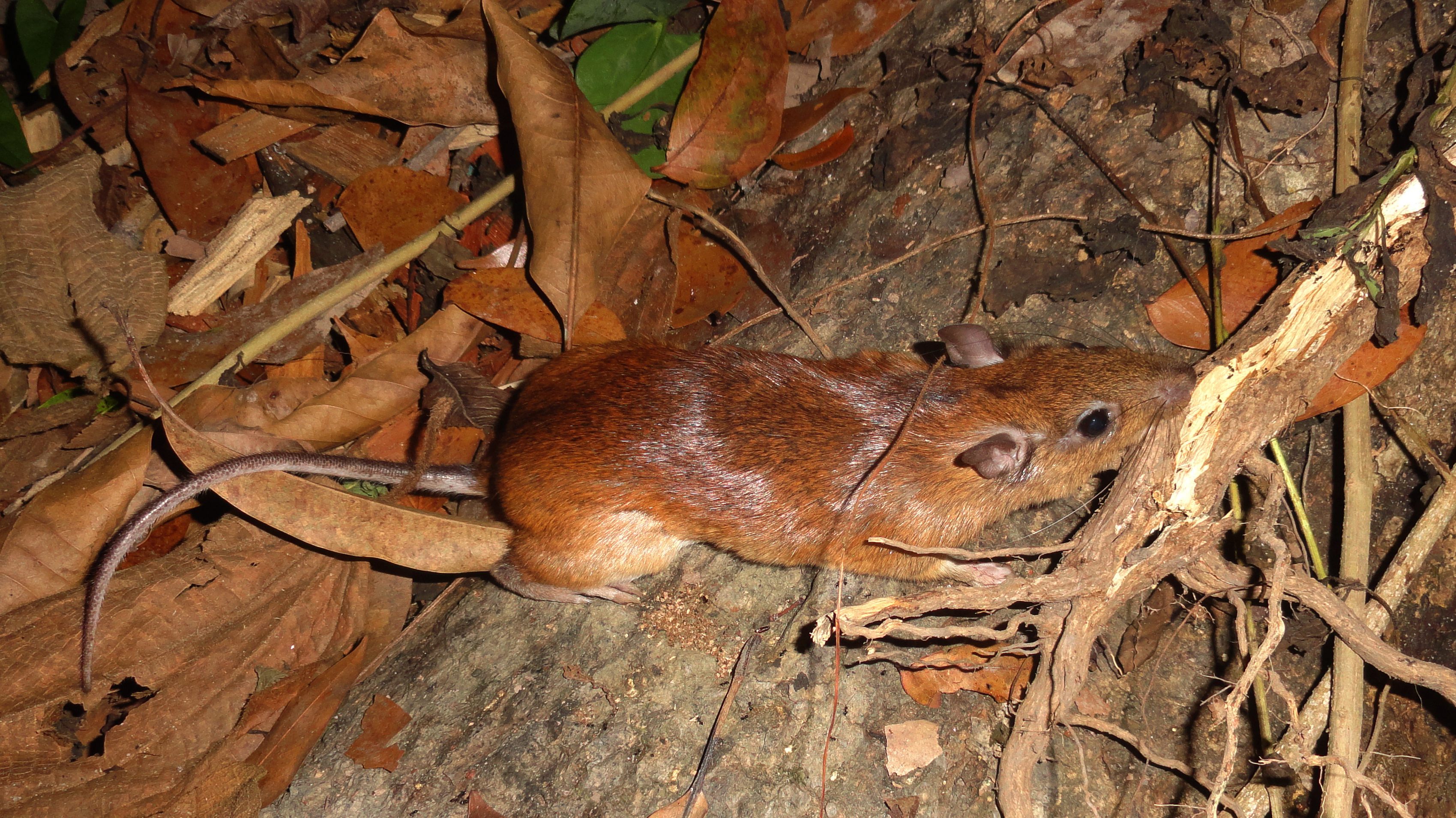
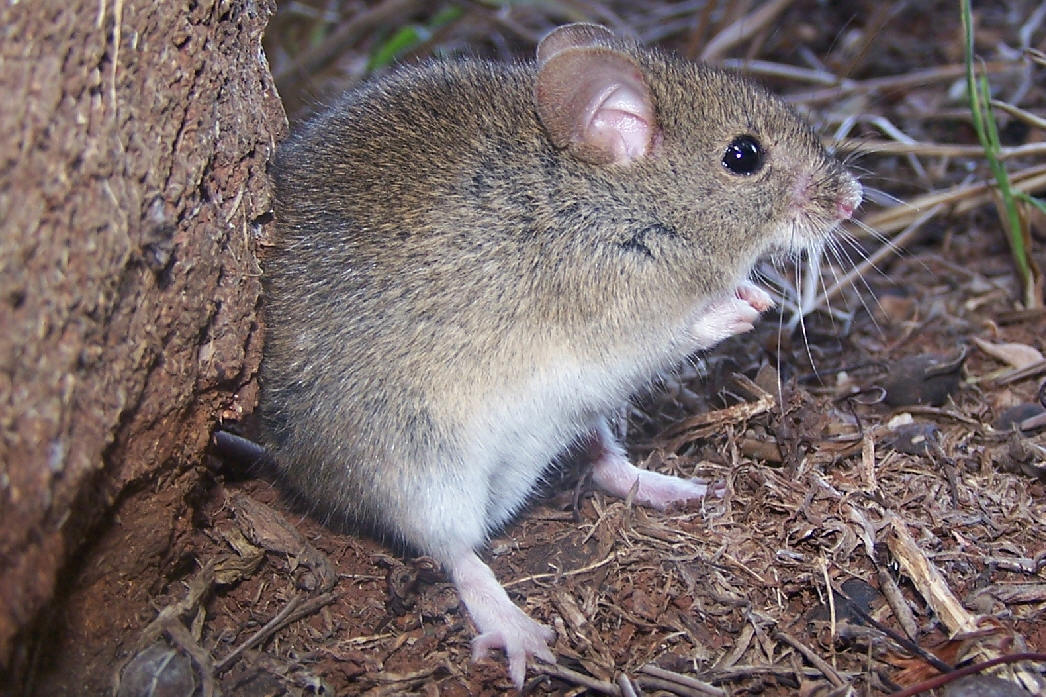
Calomys callosus is characterized as a medium to large-sized rodent within its genus, exhibiting morphology adapted to terrestrial life in open environments. Its total body length generally ranges between 60 and 125 mm, with a tail measuring from 30 to 90 mm. A distinctive feature is that its tail is slightly shorter than the combined length of head and body, which differentiates it from other sympatric rodents possessing proportionally longer tails. The weight of a healthy adult in the Pantanal typically ranges from 20 to 45 grams, although individuals in optimal conditions may reach slightly higher masses.
The dorsal fur coloration is predominantly dark grayish-brown, providing effective camouflage against the soil and dry vegetation of the Pantanal during the dry season. The flanks exhibit a gradual transition to a lighter shade, culminating in a ventral area that is distinctly grayish or whitish. The eyes are large and dark, typical of animals with crepuscular and nocturnal habits, and the ears are rounded and well-developed. Its hind feet are relatively long and strong, conferring remarkable jumping ability—hence its popular name "kangaroo rat"—allowing rapid escapes from predators in open terrain.
Habitat and Distribution in the Pantanal
In the Pantanal ecosystem, Calomys callosus shows a marked preference for open vegetation habitats and transition areas. It is frequently found in clean and weedy fields as well as at the edges of cordilheiras (sandy upland ridges with woody vegetation that do not flood). The species exhibits high tolerance to disturbed environments, being common in cultivated pastures and near rural installations where seed and grain availability may be greater. Its distribution covers both the Northern and Southern Pantanal, extending across the floodplains of Brazil, Paraguay, Bolivia, and Argentina.
The water dynamics in the Pantanal directly influence the local distribution of this species. During the flooding season, the large kangaroo rat concentrates in higher and drier areas such as the cordilheiras and artificial embankments. With water recession in the dry season, it expands its territory into the drying fields, taking advantage of the grass productivity surge. This habitat-use plasticity allows stable populations even in such a highly variable and seasonal environment, although population density may undergo drastic fluctuations depending on the annual hydrological cycle intensity.
Behavior
The behavior of Calomys callosus is predominantly nocturnal and crepuscular, with activity peaks beginning at twilight. During the day, it remains sheltered in nests constructed from dry plant fibers, located in soil burrows, under fallen logs, or dense grass thickets. It is a terrestrial and cursorial animal, moving with agility across the forest floor and fields. Its locomotion is characterized by rapid running interspersed with jumps, an effective defensive strategy against aerial and terrestrial predators patrolling the open Pantanal areas.
Socially, the species tends to be solitary outside the reproductive season, although it does not exhibit highly territorial behavior, which allows for high population densities in resource-abundant areas. In the Pantanal, it has been observed that Calomys callosus has remarkable exploratory capacity, being among the first small mammals to recolonize areas following fire or extreme flood events. Its curious and adaptable nature also leads it to interact with anthropogenic environments, where it may seek shelter in barns and grain storage facilities, increasing the risk of pathogen transmission to humans.
Diet
Calomys callosus has a generalist and omnivorous diet, a crucial adaptive advantage in the Pantanal’s seasonal environment. It primarily feeds on seeds, fruits, and green plant parts but also consumes a significant quantity of insects and other small invertebrates. During the dry season, when grass seeds are abundant in the Pantanal fields, its diet becomes predominantly granivorous. Conversely, in the rainy season, it diversifies its intake with young shoots and arthropods, which provide proteins and hydration when seeds become scarce or decompose due to humidity.
Ecologically, the large kangaroo rat’s role in the food web is dual. As a consumer, it helps control insect populations and disperses seeds of various native plants, contributing to local flora regeneration. On the other hand, its position as prey is fundamental for maintaining biodiversity. In the Pantanal, it is an essential food source for predators such as the roadside hawk (Rupornis magnirostris), burrowing owl (Athene cunicularia), margay (Leopardus wiedii), and various snake species including the Bothrops jararaca. The abundance of this rodent directly supports the reproductive success of many of these predators, making it an indispensable component of the regional trophic web.
Reproduction
Calomys callosus exhibits an opportunistic reproductive strategy, allowing rapid population expansion when environmental conditions are favorable. In the Pantanal, reproduction occurs nearly year-round but peaks at the end of the dry season and the onset of rains, coinciding with highest food availability. Females are highly prolific, with a short gestation period of approximately 21 to 23 days. Litter size varies, typically ranging from 4 to 9 offspring, though litters of up to 11 individuals have been recorded under exceptional conditions.
Newborns are altricial (blind and hairless) and weigh around 2 to 3 grams at birth. Development is extremely rapid: eyes open between the sixth and seventh day, and weaning occurs around 15 to 17 days of age. Sexual maturity is reached early, enabling young individuals to reproduce within a few weeks. This high turnover rate is a necessary adaptation to compensate for intense predation pressure and drastic environmental variations in the Pantanal, ensuring species persistence even after periods of high mortality caused by severe floods or prolonged droughts.
Conservation Status
Currently, Calomys callosus is classified by the IUCN Red List as a species of "Least Concern." This classification is due to its wide geographic distribution, large estimated population, and notable adaptability to different habitat types, including human-modified areas. In Brazil, the situation is similar, and the species is not included in national endangered species lists. However, this does not imply the species is free from localized risks, especially in the Pantanal biome, which faces increasing pressures from deforestation and hydrological regime alteration.
The primary threats to the large kangaroo rat in the Pantanal relate to habitat loss due to the expansion of intensive cattle ranching and large-scale agriculture at the biome’s edges. Excessive pesticide use and the introduction of exotic grass species may alter the nutritional quality of its diet and reduce availability of safe nesting sites. Furthermore, global climate change, tending to increase the extremity of dry and flood cycles in the Pantanal, may impact the species’ population dynamics. Continuous monitoring is recommended, not only for the species’ conservation but also due to its importance as an epidemiological sentinel for zoonotic diseases.
Curiosities
One of the most fascinating curiosities about Calomys callosus is its remarkable jumping ability, which earned it the nickname "kangaroo rat." Although it does not have hind legs as disproportionate as the true kangaroo rats of North America (genus Dipodomys), its agility and jumping power are surprising for a rodent of its size, representing a vital adaptation to survive in the Pantanal’s open fields, where few places offer rapid concealment.
Another point of extreme importance is its role as a natural reservoir of the Junín virus (causative agent of Argentine hemorrhagic fever) and certain hantavirus strains. In the Pantanal, researchers use the presence and seroprevalence in these rodents as a risk indicator for local communities and tourists. Additionally, Calomys callosus is widely used in scientific research laboratories as an animal model for studying diseases such as Chagas disease and Leishmaniasis due to its ease of breeding and immune response similar to other mammals, demonstrating that this small inhabitant of the Pantanal holds significance beyond the boundaries of its natural habitat.
References
[1] IUCN. (2016). Calomys callosus. The IUCN Red List of Threatened Species. Available at: https://www.iucnredlist.org/species/3604/22358054
[2] ALHO, C. J. R. (2008). Biodiversity of the Pantanal. Editora UNIDERP.
[3] VIEIRA, E. M.; CAMARGO, N. F. (2012). Rodents and lagomorphs of the Pantanal. In: REIS, N. R.; PERACCHI, A. L.; PEDRO, W. A.; LIMA, I. P. (Eds.). Mammals of Brazil: Identification Guide. Technical Books Editora.
[4] EMBRAPA PANTANAL. (2010). Mammals of the Pantanal. Embrapa Pantanal. Available at: https://www.embrapa.br/pantanal/publicacoes
[5] ALHO, C. J. R.; LACHER JR., T. E.; GONÇALVES, H. C. (1988). Mammalian species of the Pantanal, Mato Grosso do Sul, Brazil. Revista Brasileira de Zoologia, 5(3), 471-494.
[6] REIS, N. R.; PERACCHI, A. L.; PEDRO, W. A.; LIMA, I. P. (Eds.). (2017). Mammals of Brazil. 2nd ed. Technical Books Editora.