

Introduction
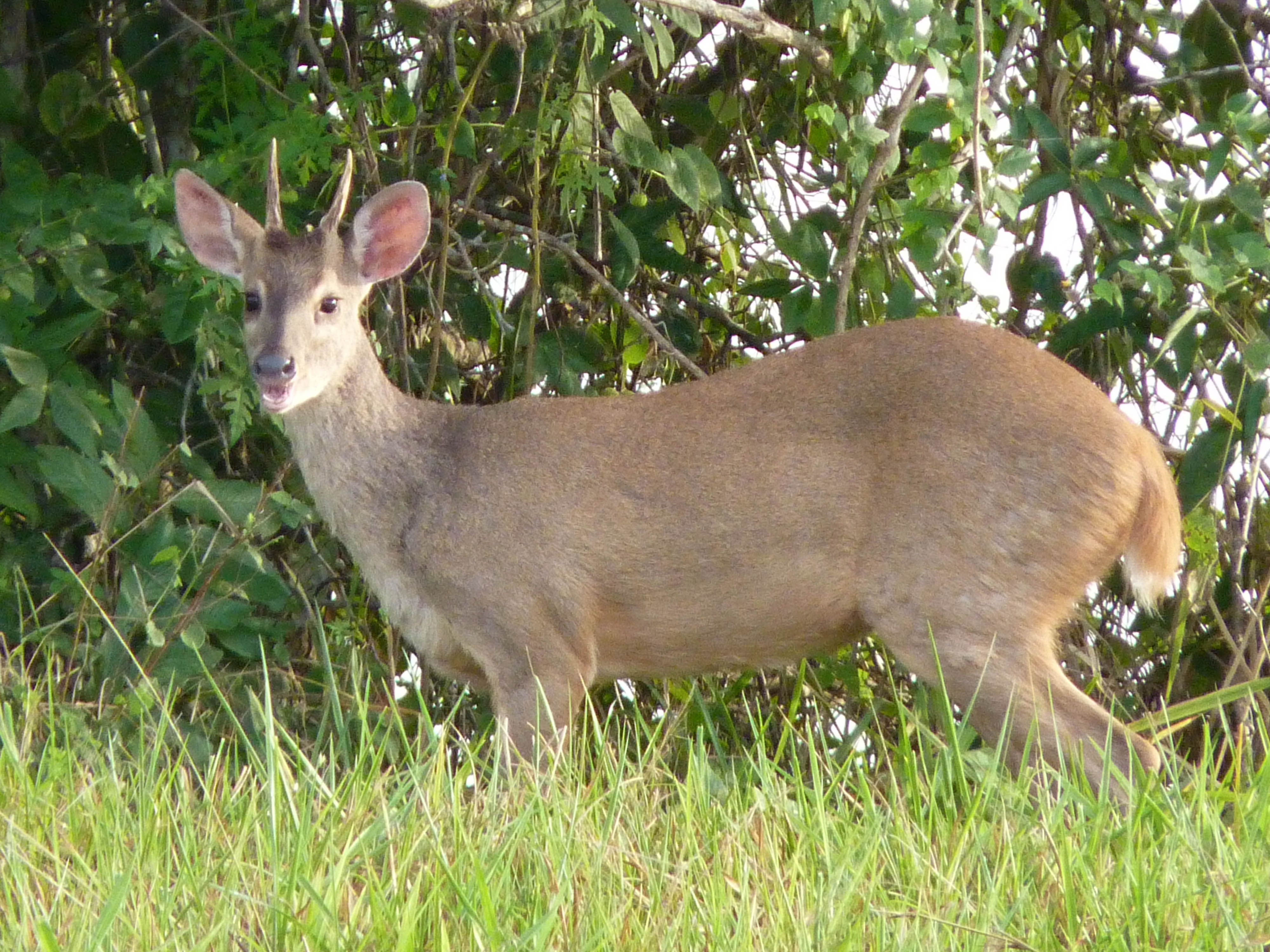
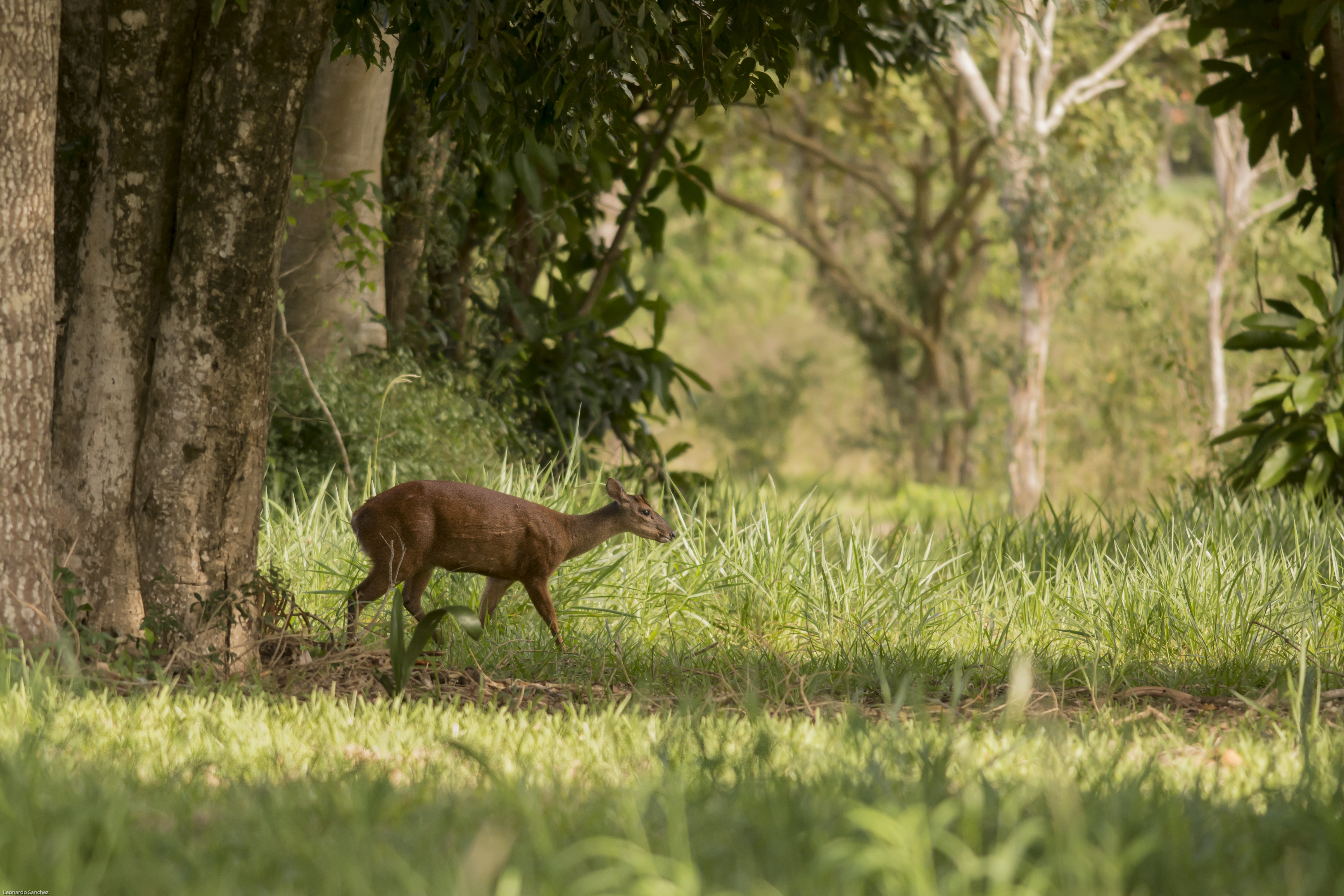
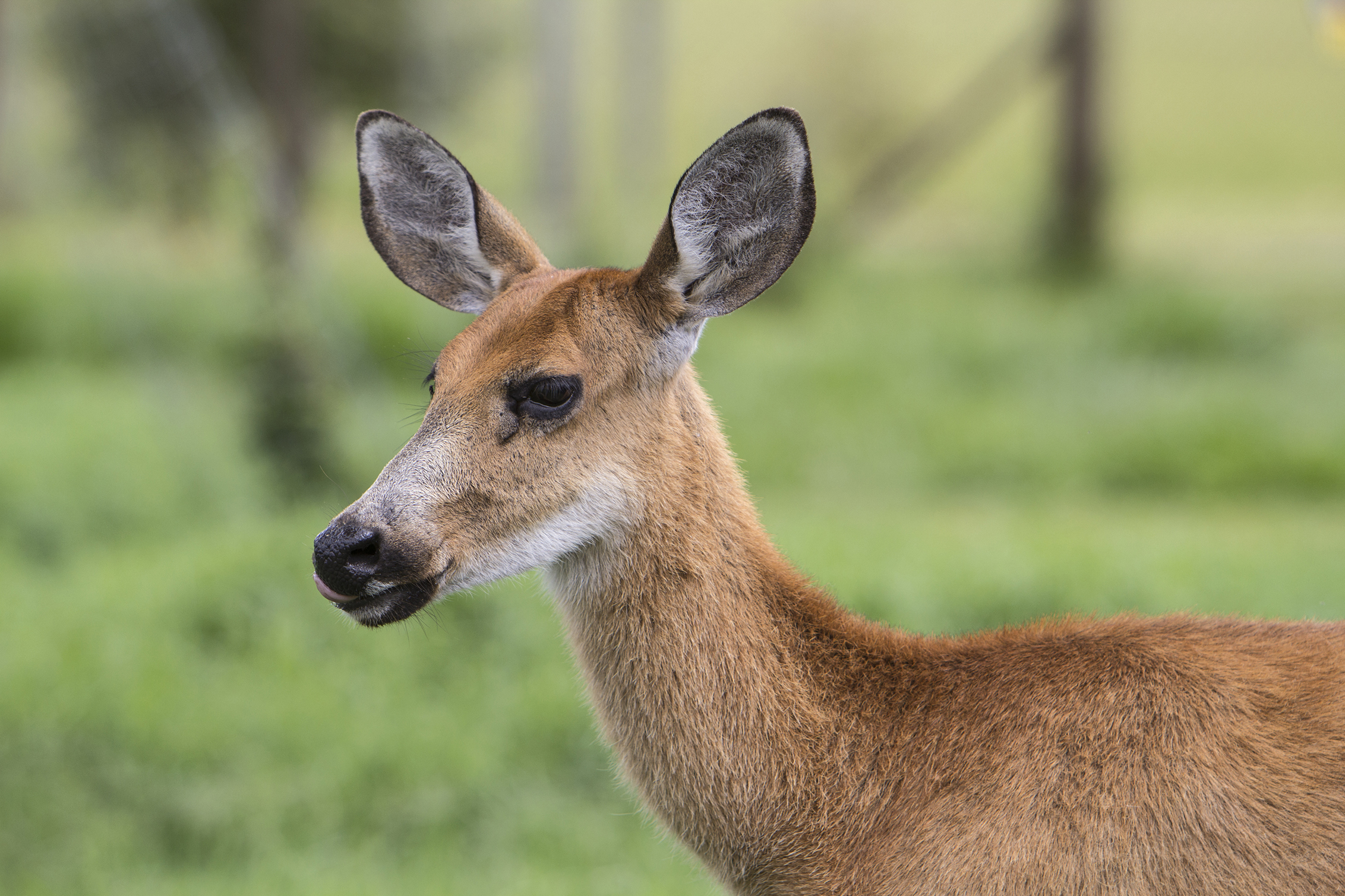
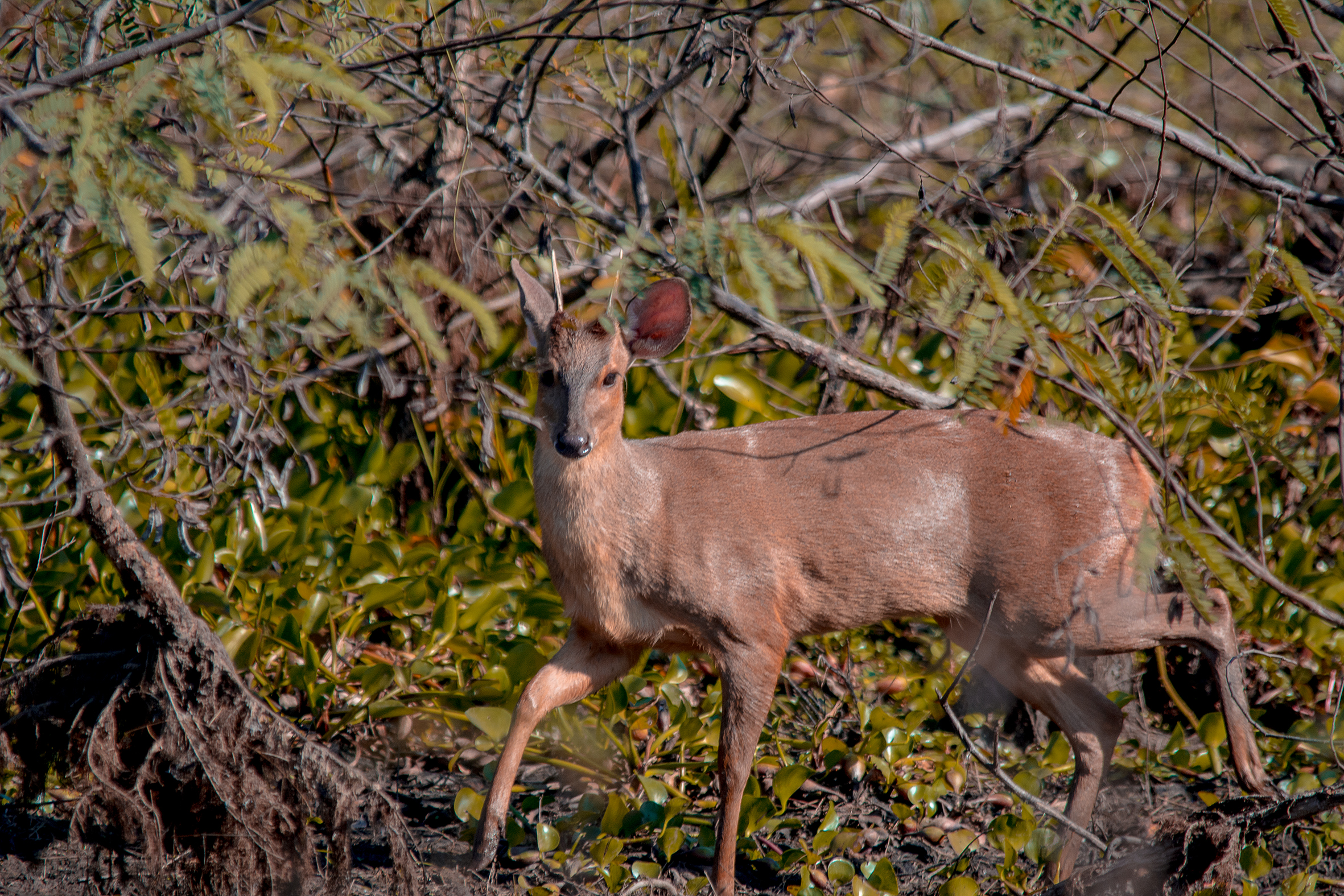
The Mazama gouazoubira, or gray brocket deer, is a highly adaptable cervid. In the Pantanal, it is the most frequently seen deer, inhabiting a wide range of environments from forests to open savannas.
Scientific Classification
| Kingdom | Animalia |
| Phylum | Chordata |
| Class | Mammalia |
| Order | Artiodactyla |
| Family | Cervidae |
| Genus | Mazama |
| Species | Mazama gouazoubira |
| Common name | Gray brocket deer |
The gray brocket is smaller than the red brocket and has a more grayish coat. It is known for its ability to live in human-altered landscapes, making it a resilient member of the Pantanal fauna.
Physical Description
It weighs between 15 and 25 kilograms. The coat varies from gray to brownish-gray. Males have small spike antlers, usually less than 10 centimeters long.
Habitat and Distribution in the Pantanal
It is a generalist, found in almost all Pantanal habitats. It is common near farms and along the Transpantaneira.
Behavior
Mainly solitary, but can be seen in pairs. It is active during the day and night. It is less shy than the red brocket and can often be observed at a distance.
Diet
Omnivorous herbivore, eating fruits, leaves, flowers, and even some insects. It can survive without direct water for periods by eating succulent fruits.
Reproduction
Gestation is about 210 days. A single calf is born, which is weaned after 6 months.
Conservation Status
Classified as "Least Concern" (LC) by the IUCN. It is the most abundant deer in the Neotropics.
Fun Facts
The name "catingueiro" comes from the Tupi for "white forest" or "thin forest," referring to its camouflage. It is an excellent swimmer and can cross channels during floods.