Introduction
Thrichomys apereoides, popularly known as the punaré-do-cerrado or simply punaré, is a rodent of the Echimyidae family that stands out for its adaptability and ecological importance in the Pantanal. This small mammal is a typical representative of the South American fauna, especially in open and rocky environments. In the Pantanal, it plays a vital role as a seed disperser and as a fundamental link in the food chain, serving as prey for various predators, from birds of prey to small and medium-sized carnivores.
Scientific Classification
| Kingdom | Animalia |
| Phylum | Chordata |
| Class | Mammalia |
| Order | Rodentia |
| Family | Echimyidae |
| Genus | Thrichomys |
| Species | Thrichomys apereoides |
| Common Name | Punaré-do-cerrado |
The presence of Thrichomys apereoides in the Pantanal is an indicator of the diversity of microhabitats within the biome. Although it is a species widely distributed in the Cerrado and Caatinga, its occurrence in the Pantanal plains demonstrates the ecological plasticity of the genus. Understanding its biology and behavior is essential for conservation strategies, as this rodent is part of the complex web of interactions that maintain the balance of the world's largest tropical wetland.
Physical Description
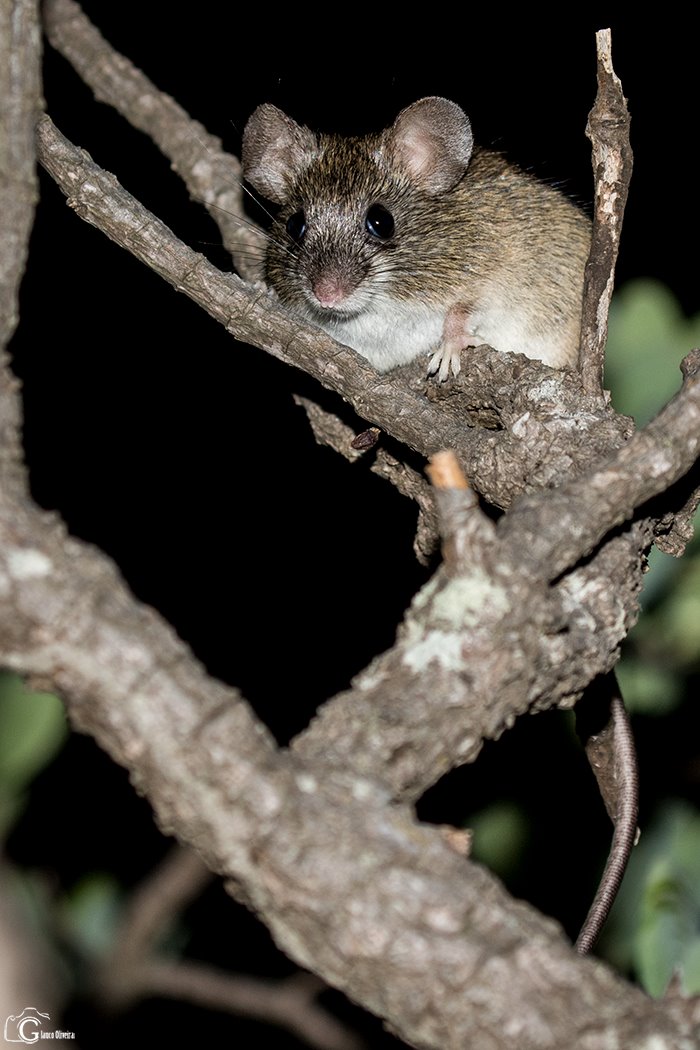
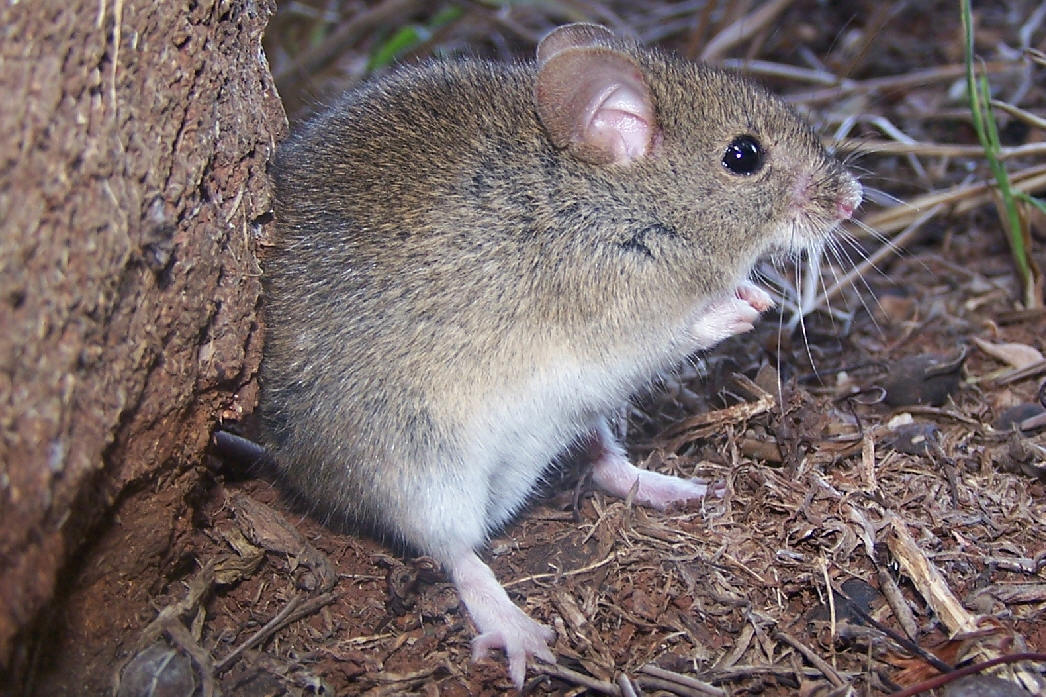
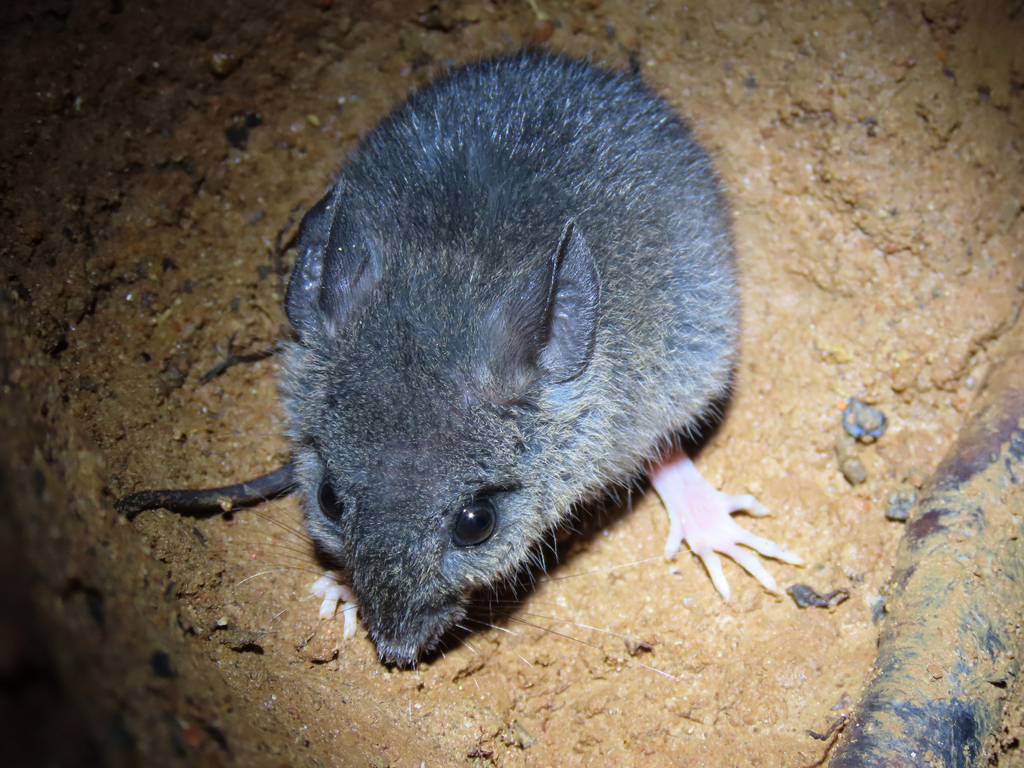
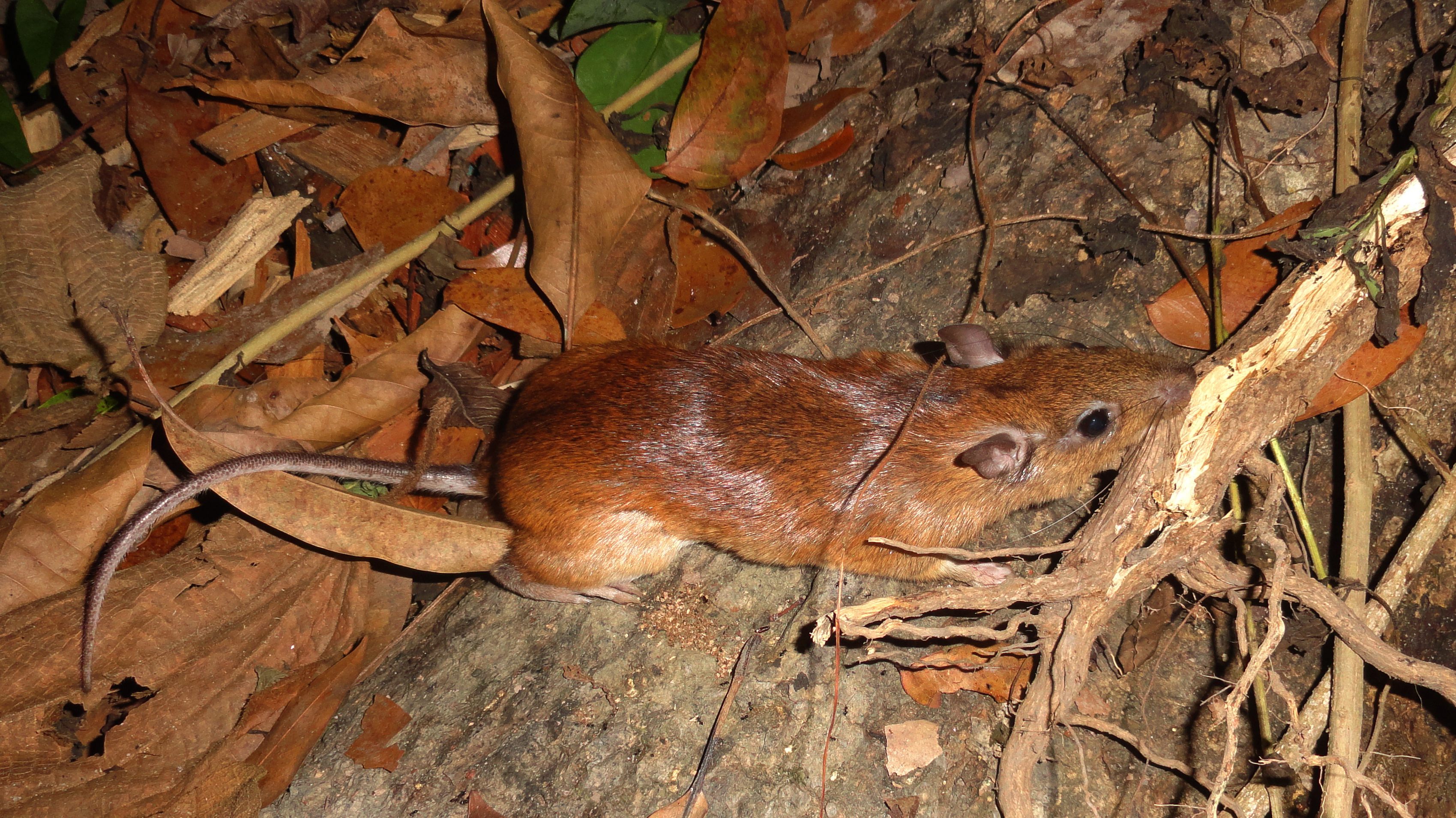
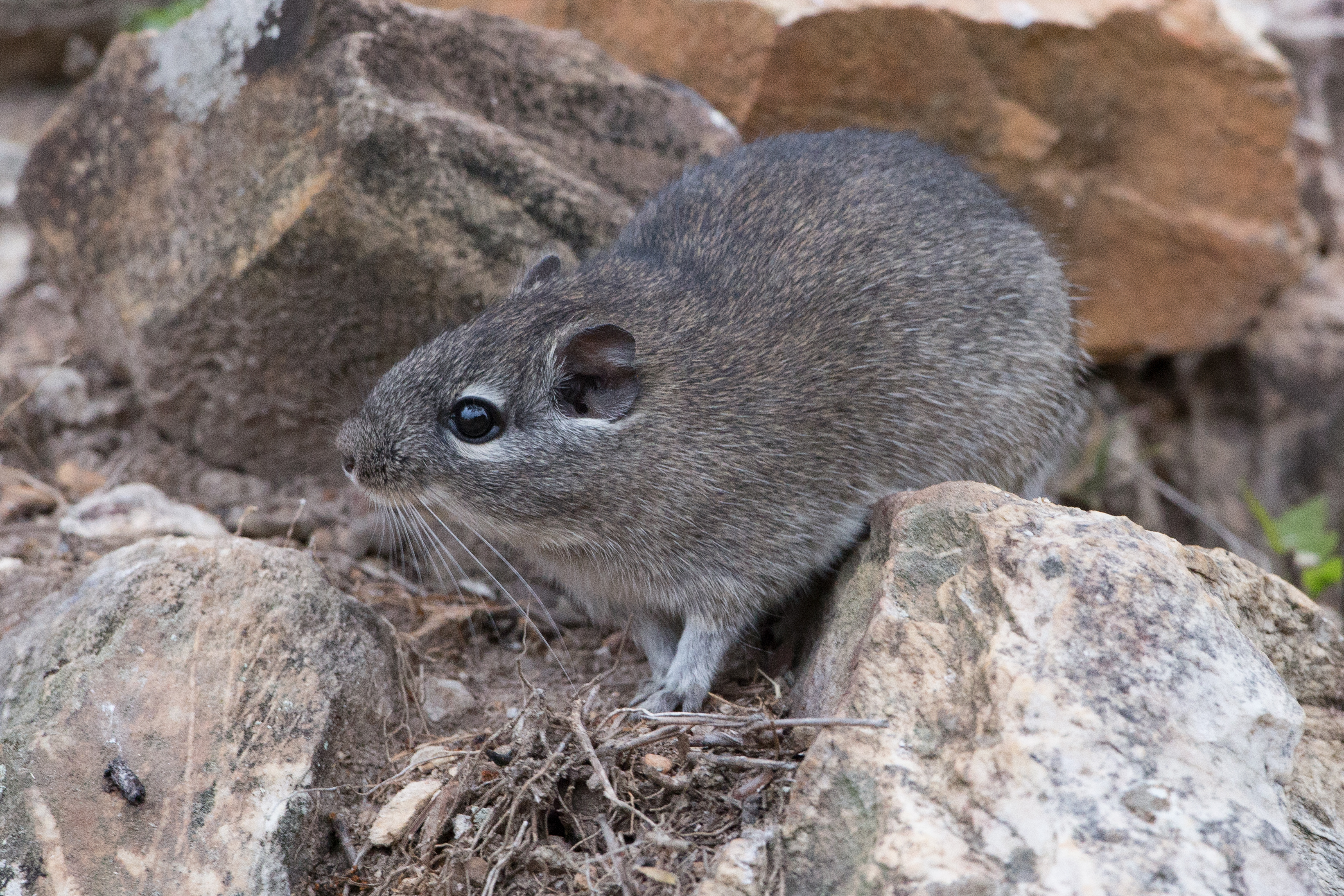
The punaré is a medium-sized rodent, with a body length ranging from 20 to 26 cm and a tail that can reach up to 22 cm. Its weight varies between 250 and 500 grams in adults. One of its most striking features is its fur, which is thick and slightly bristly, but not as prickly as that of other members of the Echimyidae family. The dorsal coloration is a mix of grayish-brown with yellowish tones, while the belly is lighter, usually white or light gray, providing excellent camouflage among the rocks and dry vegetation of the Pantanal.
Its eyes are large and dark, adapted for nocturnal and crepuscular activity. The ears are rounded and well-developed, allowing for sharp hearing to detect the approach of predators. The tail is long and covered with short hairs, ending in a small tuft in some individuals. Its paws are strong and equipped with claws that facilitate climbing on rocks and trees, making it an agile animal in both terrestrial and arboreal environments.
Habitat and Distribution in the Pantanal
In the Pantanal, Thrichomys apereoides shows a clear preference for drier areas and rocky outcrops, known locally as "morrarias." It is also frequently found in "cordilheiras" (sandy elevations with woody vegetation) and in transition areas between the forest and the open field. Unlike other Pantanal rodents that prefer flooded areas, the punaré seeks refuge in higher places that do not flood during the rainy season, using crevices in rocks or hollow logs as nests.
Its distribution in the Pantanal is more concentrated in the peripheral areas of the biome, where the transition with the Cerrado is more evident. However, it can be found in various parts of the plain, provided there are suitable shelters. This species is highly resilient and can survive in degraded or human-altered areas, such as pastures and near rural buildings, as long as there is food availability and minimal cover.
Behavior
The punaré is a predominantly nocturnal and crepuscular animal, although it can be seen active during the day in more shaded areas or on cloudy days. It is a solitary rodent, but not strictly territorial, and can share areas with other individuals when resources are abundant. Its locomotion is agile, alternating between rapid runs on the ground and skillful climbs on rocks and low vegetation. When threatened, it seeks immediate refuge in holes or crevices, using its camouflage to go unnoticed.
One of the most interesting behaviors of Thrichomys apereoides is its ability to save water, a crucial adaptation for surviving the Pantanal's dry season. It obtains most of the moisture it needs from the food it consumes, such as succulent fruits and leaves. Additionally, it is known for its curiosity and can approach human camps in search of food, although it remains always alert and ready to flee at the slightest sign of danger.
Diet
The diet of the punaré is mainly herbivorous and opportunistic. It feeds on a wide variety of seeds, fruits, leaves, and bark. In the Pantanal, it takes advantage of the seasonal availability of native fruits, such as those from the acuri and bocaiúva palms. Although its preference is for plant matter, it can occasionally consume insects and other small invertebrates, especially during the rainy season when these resources are more abundant.
Its role as a seed disperser is significant; by transporting fruits to its shelters, many seeds are deposited in locations favorable for germination. Moreover, as a primary and secondary consumer, it converts plant biomass into animal protein, sustaining higher trophic levels of the Pantanal food web.
Reproduction
The reproductive strategy of Thrichomys apereoides is adapted to maximize survival in variable environments. Unlike many other rodents that produce large litters of altricial young (underdeveloped), the punaré produces smaller litters, generally consisting of 1 to 3 offspring, born in a precocial state. The newborns are already furred, with open eyes, and capable of locomotion and consuming solid food shortly after birth. This is a crucial adaptation in the Pantanal, allowing the young to rapidly escape sudden floods or predators.
The gestation period lasts approximately 90 days, a considerably long duration for a rodent of its size, which explains the advanced development of the offspring at birth. In the Pantanal, reproduction can occur throughout the year, but peaks are observed at the end of the dry season and the beginning of the rainy season, coinciding with increased food availability. Parental care is mainly provided by the female, who nurses the young for about three to four weeks, although complete independence is achieved swiftly.
Conservation Status
Currently, Thrichomys apereoides is classified by the International Union for Conservation of Nature (IUCN) as a species of "Least Concern" (LC). This classification is due to its wide geographic distribution and ability to inhabit human-altered areas. However, within the specific Pantanal context, the species faces increasing challenges. Habitat loss due to the conversion of natural areas into exotic pastures and recurring wildfires represent significant threats to local populations.
In Brazil, although it is not listed among nationally threatened species, Cerrado fragmentation and degradation of Pantanal edges can isolate populations, reducing genetic variability. The conservation of the punaré directly depends on preserving native vegetation mosaics and rocky outcrops serving as refuge. Monitoring the health of rodent populations is vital, as they serve as early indicators of ecological imbalances that may affect the entire Pantanal ecosystem.
Curiosities
One of the most fascinating aspects of the punaré is its resistance to water scarcity. Like other inhabitants of arid zones, it possesses highly efficient kidneys that allow survival with minimal direct water intake, obtaining most moisture from its diet. In the Pantanal, this characteristic is a strategic advantage during severe droughts affecting the region. Another interesting fact is its role in the food chain: the punaré is a preferred prey of the ocelot (Leopardus pardalis) and various owl species, such as the burrowing owl, being an invisible pillar sustaining the majestic predator fauna of the Pantanal.
Additionally, the name "punaré" has indigenous origins, reflecting local human populations' long coexistence with this animal. In some areas, it is called "rato-boiadeiro" (cowherd rat) due to the popular belief that its presence indicates good resting spots for cattle, usually higher and drier areas. Scientifically, the genus Thrichomys has been the subject of intensive genetic studies, revealing cryptic diversity where what was once considered a single species is now known to be a complex of distinct species, each adapted to its own ecological micro-universe.
References
[1] IUCN. (2016). Thrichomys apereoides. The IUCN Red List of Threatened Species. Available at: https://www.iucnredlist.org/species/21838/22206775
[2] ALHO, C. J. R. (2008). Biodiversidade do Pantanal. Editora UNIDERP.
[3] REIS, N. R.; PERACCHI, A. L.; PEDRO, W. A.; LIMA, I. P. (2006). Mamíferos do Brasil. Londrina: Editora da Universidade Estadual de Londrina.
[4] EMBRAPA PANTANAL. (2010). Mamíferos do Pantanal: Guia de Campo. Embrapa Pantanal.
[5] VIEIRA, E. M.; CAMARGO, N. F.; GREGORIN, R. (2005). Rodents (Mammalia, Rodentia) of the Pantanal. Brazilian Journal of Zoology, vol. 22, no. 4, pp. 1022-1032.
[6] ICMBIO. (2018). Red Book of Threatened Brazilian Fauna. ICMBio. Available at: https://www.icmbio.gov.br