

Introduction
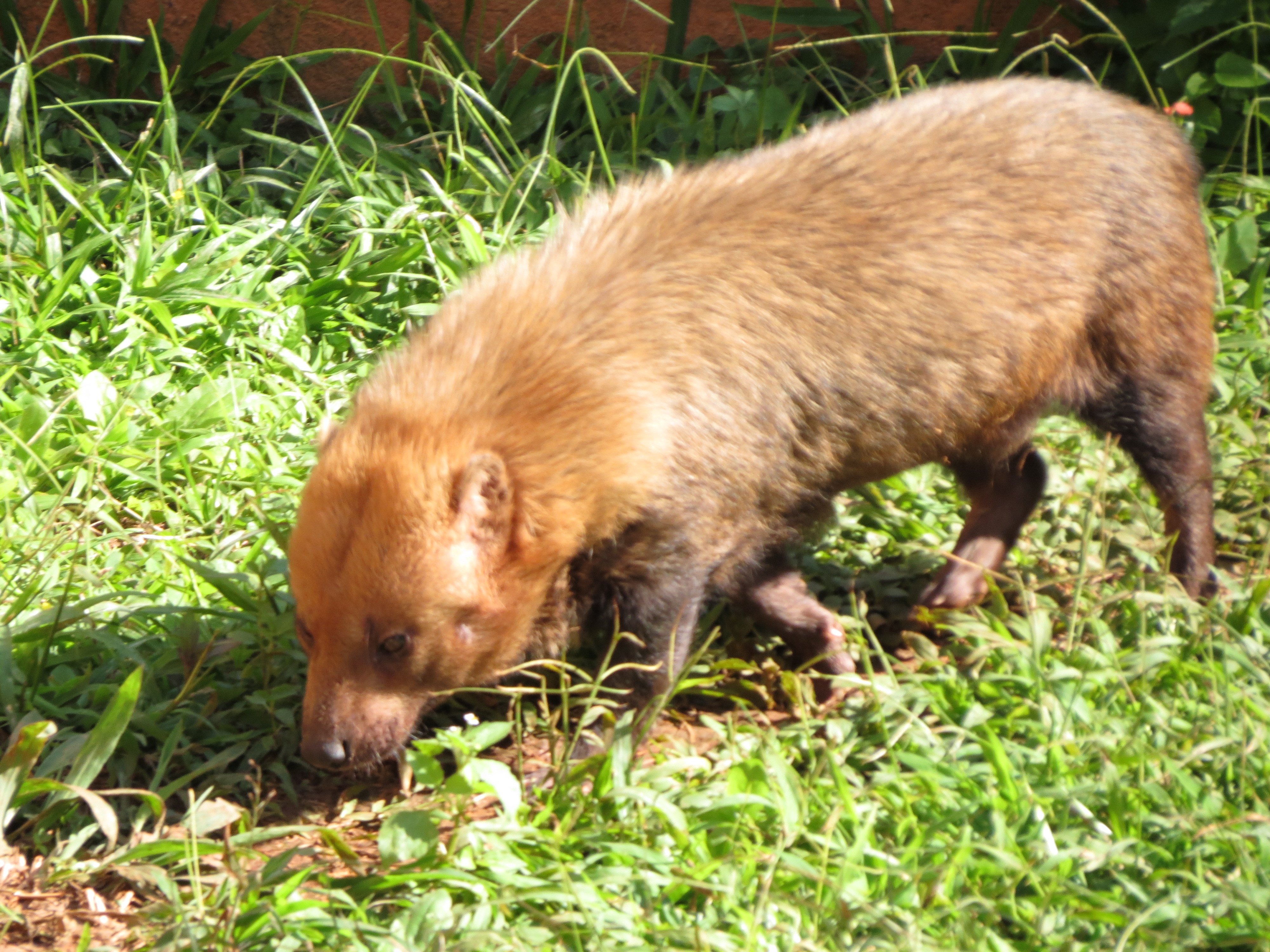
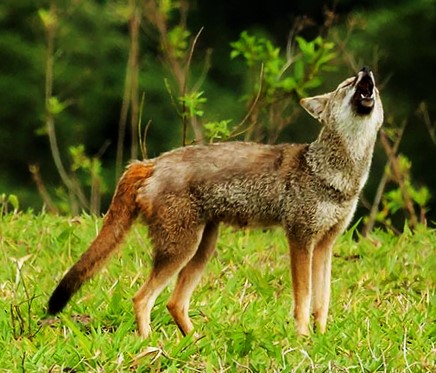
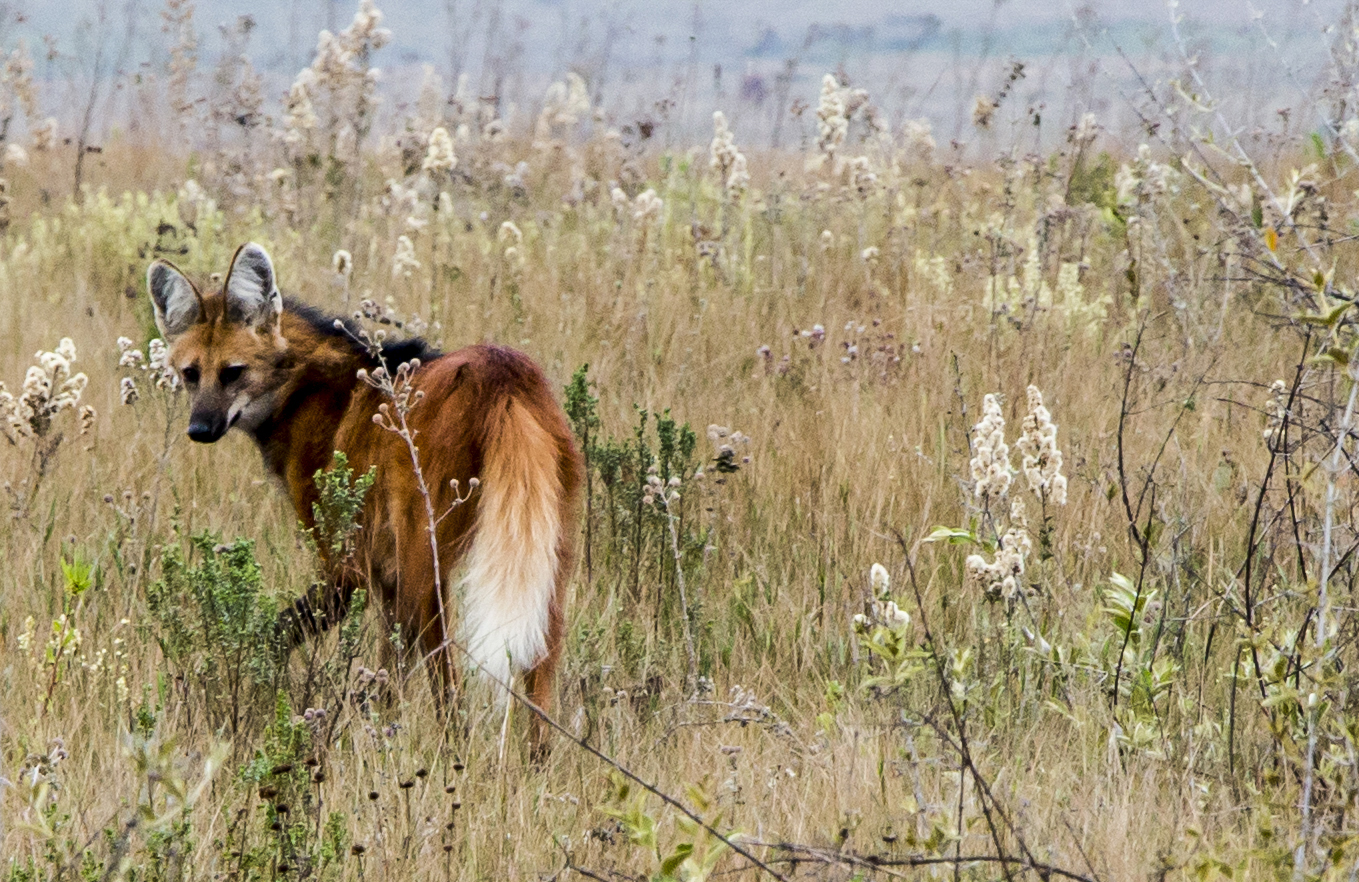
The Chrysocyon brachyurus, popularly known as the Maned Wolf, is the largest and most majestic wild canid in South America and one of the most iconic species of the Pantanal. With its long legs, reddish coat, and elegant gait, the maned wolf is often called the "golden ghost" of the savannas. In the vast Pantanal ecosystem, it plays a fundamental ecological role as a seed disperser and a predator of small vertebrates, contributing significantly to the health and biodiversity of the natural grasslands and scrublands.
Scientific Classification
| Kingdom | Animalia |
| Phylum | Chordata |
| Class | Mammalia |
| Order | Carnivora |
| Family | Canidae |
| Genus | Chrysocyon |
| Species | Chrysocyon brachyurus |
| Common Name | Maned Wolf |
Historically, the maned wolf is a specialist of the Cerrado biome, but it finds in the Pantanal a vital refuge, especially in the higher areas that do not flood permanently. Its presence is an indicator of environmental quality, as the species requires large territories and a varied diet to survive. Its conservation is essential for the maintenance of the ecological processes it supports, such as the dispersal of the "wolf apple" (Solanum lycocarpum) and other native plants that are fundamental for the Pantanal's flora.
The importance of the maned wolf for the Pantanal goes beyond its ecological function; it is a symbol of the resilience of South American fauna. In regions near the Paraguay River and the Cuiabá River, researchers and ecotourists seek sightings of this animal, which, despite its size, is extremely discreet and shy, making every encounter a memorable experience for those exploring the world's largest wetland.
Physical Description
The Chrysocyon brachyurus is a canid of unique morphology, characterized by its long and slender legs, which allow it to see above the tall grass of the savannas. Adults weigh between 20 kg and 33 kg, with a height at the shoulder that can reach 90 cm and a body length of up to 130 cm. Its coat is a vibrant reddish-orange, with black legs and a black "mane" along the neck and back, which can be bristled when the animal feels threatened.
The face of the maned wolf is marked by a long snout and large, upright ears, which provide exceptional hearing for detecting prey and communicating with other individuals. The tip of the tail and the throat are often white, creating a striking contrast with the rest of the body. Its fur is dense and provides good protection against the varied climate of the Pantanal, from the intense heat of the day to the cooler temperatures of the winter nights.
Unlike other large canids, such as the gray wolf, the maned wolf does not have a structure adapted for long-distance running in pursuit of prey. Its long legs are an evolutionary adaptation for life in the tall grasslands, providing a wide field of vision. Its teeth are adapted for an omnivorous diet, with molars capable of crushing fruits and seeds, and sharp incisors for capturing small animals. Its eyes are dark and expressive, with pupils that contract into a circle, a characteristic shared with other canids of its lineage.
Habitat and Distribution in the Pantanal
The geographical distribution of Chrysocyon brachyurus covers the central part of South America, including Brazil, Paraguay, Bolivia, and northern Argentina. In the Pantanal, the species is found mainly in the higher and drier areas, such as natural grasslands, savannas, and scrublands (cerradão). It avoids permanently flooded areas and dense forests, preferring open environments where it can use its vision and hearing to hunt.
The maned wolf is a territorial animal that requires large areas to find enough food. In the Pantanal mosaic, it uses the cordilheiras as refuge and breeding sites during the flood season. In Mato Grosso, sightings are frequent in the northern Pantanal, while in Mato Grosso do Sul, the species is often recorded in the Nhecolândia and Miranda regions, especially in areas where the Cerrado influence is stronger.
The species' preference for open habitats makes it particularly vulnerable to the conversion of natural grasslands into intensive pastures and monocultures. The loss of native vegetation reduces the availability of prey and the "wolf apple," its main food source. Connectivity between the different environments of the Pantanal and the neighboring Cerrado is crucial to ensure the survival of maned wolf populations, allowing for gene flow and the search for new territories.
Behavior
The Chrysocyon brachyurus is a predominantly nocturnal and crepuscular animal, although it can be seen active during the day in more preserved areas or during the cooler months. It is a solitary animal that does not form packs, unlike many other canids. Males and females share a territory but usually only meet during the mating season. Communication between individuals is done through scent marking with urine (which has a very characteristic and strong smell) and deep, resonant barks known as "roar-barks."
Despite its size, the maned wolf is a shy and non-aggressive animal towards humans. Its behavior is marked by caution and a remarkable ability to move silently through the tall grass. Its gait is unique, known as the "camel pace," where it moves both legs on the same side of the body simultaneously, providing an elegant and efficient movement. When threatened, it bristles its mane to appear larger and emits low growls.
Social interactions are limited to the reproductive period and the time the mother spends with her pups. In the Pantanal, the maned wolf's behavior is influenced by the water cycle, which forces the animal to move to higher areas during the floods. Its ability to coexist with other carnivores, such as the crab-eating fox and small felines, is a testament to its ecological flexibility and the richness of the Pantanal ecosystem.
Diet
The diet of Chrysocyon brachyurus in the Pantanal is that of a true generalist omnivore, with a balance between plant and animal items. A fundamental part of its diet is the "wolf apple" (Solanum lycocarpum), which can represent up to 50% of its food intake and is essential for its health, helping to control kidney parasites. In addition to the wolf apple, it consumes a wide variety of other fruits, such as araticum and gabiroba.
As a predator, the maned wolf consumes small mammals (especially rodents and armadillos), birds, reptiles, insects, and occasionally carrion from larger animals. Its hunting techniques involve silent stalking and precise jumps to capture prey on the ground or in low flight. By dispersing the seeds of the fruits it consumes through its feces, the maned wolf plays a fundamental role in the regeneration of natural grasslands and gallery forests of the Pantanal.
Reproduction
The reproductive cycle of the maned wolf is seasonal, usually occurring between the months of May and August, coinciding with the end of the rainy season and the beginning of the dry season in the Pantanal. During this period, the territorial pair increases the frequency of interactions and scent markings. Gestation lasts approximately 65 days, resulting in litters ranging from 2 to 5 pups.
Pups are born with a black or dark gray coat, weighing between 340 and 430 grams, which serves as camouflage in the first days of life inside the den. The typical reddish coloration of adults begins to appear after the tenth week. Although the female is primarily responsible for direct care, the male plays an important role in protecting the territory and providing food through regurgitation for the female and, later, for the pups. Young reach sexual maturity between 1 and 2 years of age, at which point they usually leave the parental territory in search of their own home ranges.
Conservation Status
The conservation status of Chrysocyon brachyurus is a constant concern for biologists and environmentalists. Globally, the species is listed as "Near Threatened" (NT) by the IUCN, but in Brazilian territory, its situation is more critical, being considered "Vulnerable" (VU) by ICMBio. The main threat is habitat loss and fragmentation due to the expansion of the agricultural frontier and intensive livestock farming, which reduces hunting and shelter areas.
In the Pantanal, the maned wolf faces additional dangers, such as roadkill on highways crossing the biome, like the Transpantaneira. In addition, proximity to human settlements and farms exposes the animal to lethal diseases transmitted by domestic dogs, such as distemper and parvovirus. Retaliatory hunting, motivated by occasional attacks on domestic bird flocks, also contributes to population decline. Conservation efforts include satellite monitoring, the creation of ecological corridors, and environmental education campaigns to promote harmonious coexistence between the wolf and local communities.
Curiosities
One of the most notable curiosities about the maned wolf is that, despite its name, it is not a true wolf nor a fox, belonging to a unique genus (Chrysocyon) that diverged from other canids millions of years ago. Its long legs, which give it an elegant gait and "camel pace" (moving both legs on the same side simultaneously), are an evolutionary adaptation for seeing prey and predators above the tall vegetation of the Pantanal savannas.
In popular culture, the maned wolf is surrounded by legends; in some regions, it is believed that the sound of its bark announces changes in the weather or brings luck. In Brazil, its importance was recognized nationally when it was chosen to be featured on the 200 reais banknote, launched in 2020. For ecotourism in the Pantanal, the maned wolf is one of the "stars" of the biome, attracting thousands of tourists who wish to photograph this "golden ghost" in its natural habitat, reinforcing the economic importance of wildlife preservation.
References
[1] IUCN. (2015). *Chrysocyon brachyurus*. The IUCN Red List of Threatened Species. Available at: https://www.iucnredlist.org/species/4819/87671123
[2] ICMBIO. (2018). *Red Book of Brazilian Fauna Threatened with Extinction*. ICMBio. Available at: https://www.icmbio.gov.br
[3] ALHO, C. J. R. (2008). *Biodiversity of the Pantanal*. UNIDERP Publishing.
[4] RODDEN, M.; ELLIS, S.; SIMON, E. (2004). *Chrysocyon brachyurus* (Maned Wolf) Husbandry Manual. Association of Zoos and Aquariums.
[5] DIETZ, J. M. (1984). Ecology and social organization of the maned wolf (*Chrysocyon brachyurus*). *Smithsonian Contributions to Zoology*, 393.
[6] EMBRAPA PANTANAL. (2020). *Maned Wolf: the solitary canid of the Pantanal*. Embrapa Pantanal. Available at: https://www.embrapa.br/pantanal/publicacoes
[7] SOS PANTANAL. (2023). *Maned Wolf: the long-legged giant*. SOS Pantanal. Available at: https://sospantanal.org.br/lobo-guara-o-gigante-de-pernas-longas/