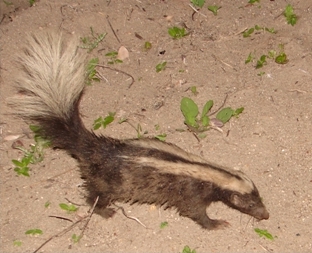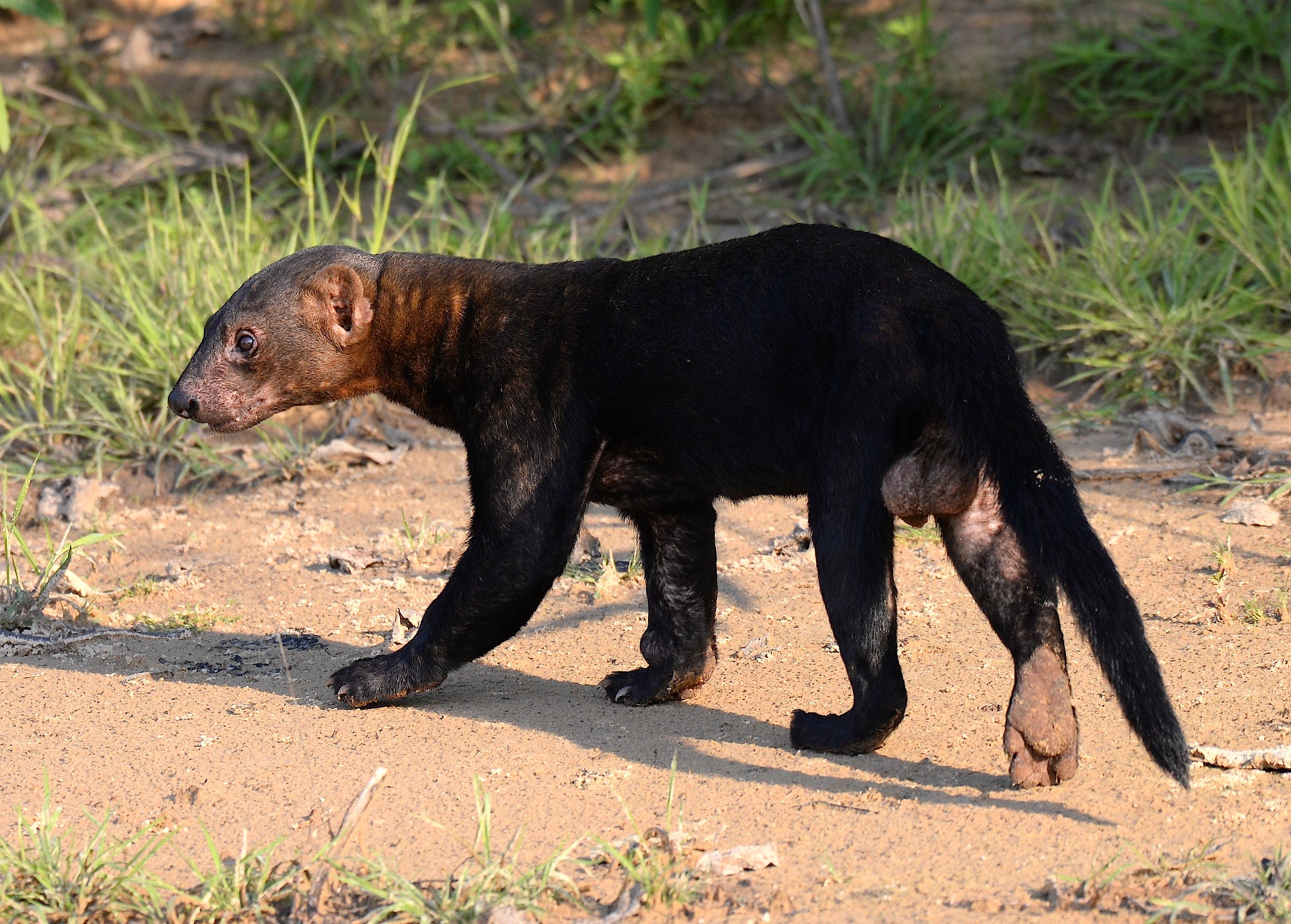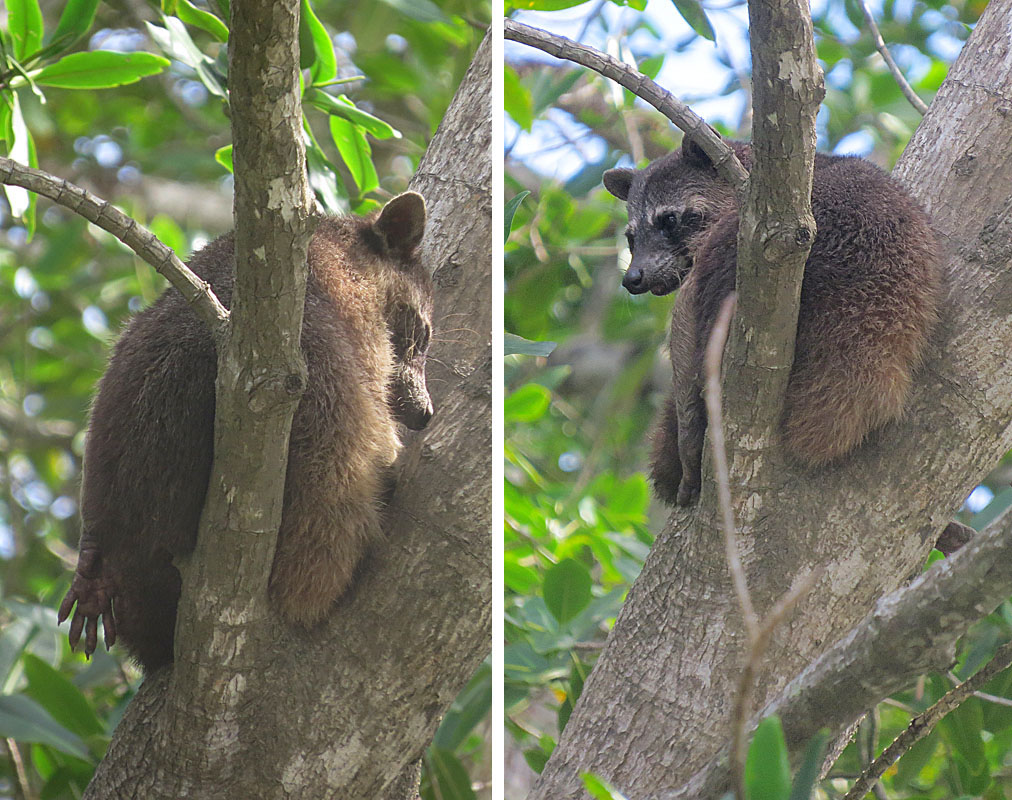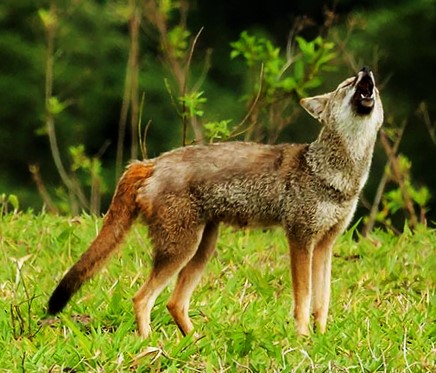
Introduction
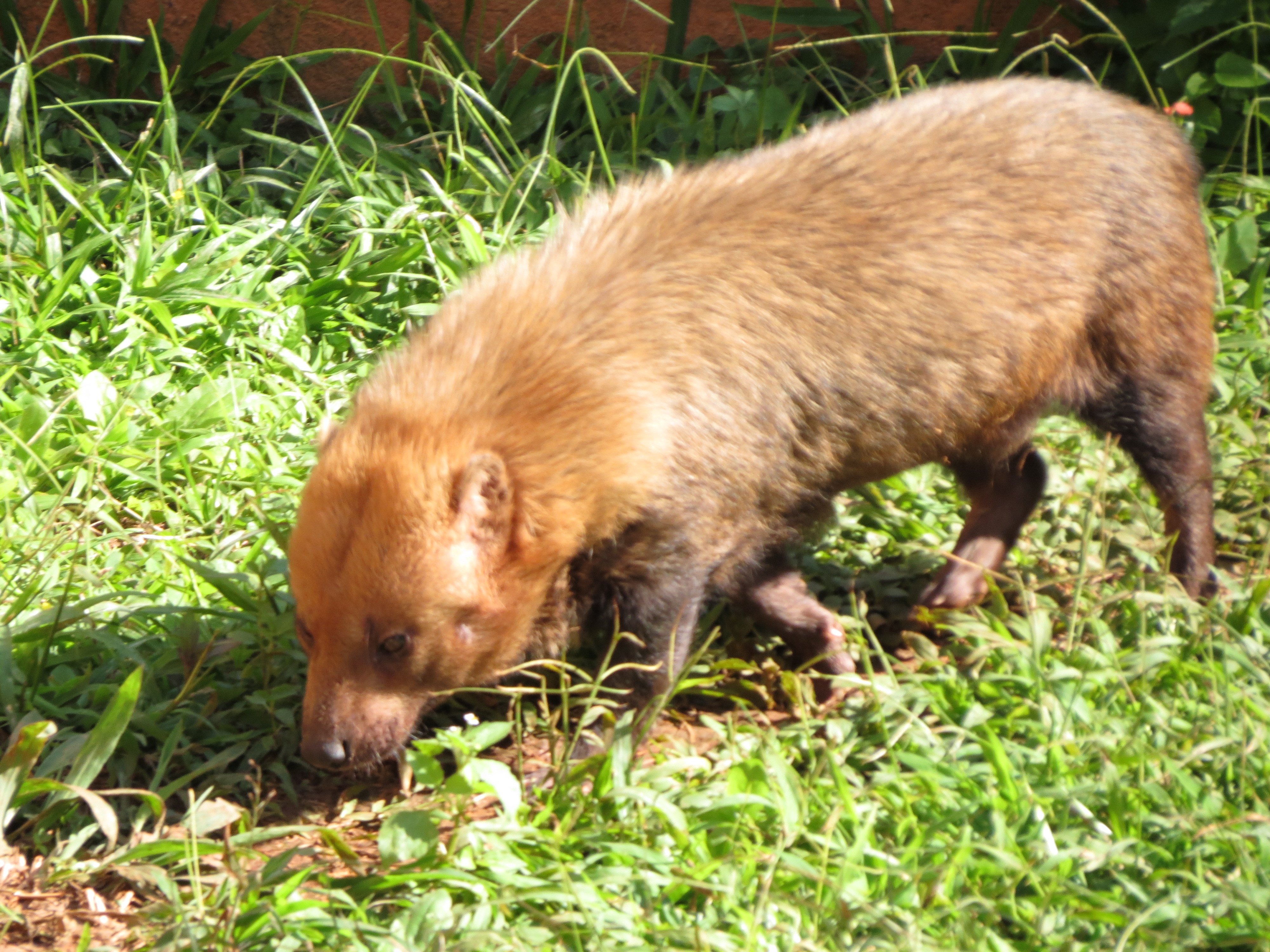
The bush dog (Speothos venaticus), also popularly known as the vinegar dog, is one of the most enigmatic and rare canids in the Americas. Belonging to the Canidae family, this species stands out as the only living representative of the genus Speothos. In the vast Pantanal ecosystem, the bush dog plays a fundamental ecological role as a top predator, although its presence is rarely detected due to its discreet habits and low population density. Its popular name derives from the color of its fur, which under certain light conditions resembles the color of red wine vinegar or reddish wood.
Scientific Classification
| Kingdom | Animalia |
| Phylum | Chordata |
| Class | Mammalia |
| Order | Carnivora |
| Family | Canidae |
| Genus | Speothos |
| Species | Speothos venaticus |
| Common Name | Bush Dog |
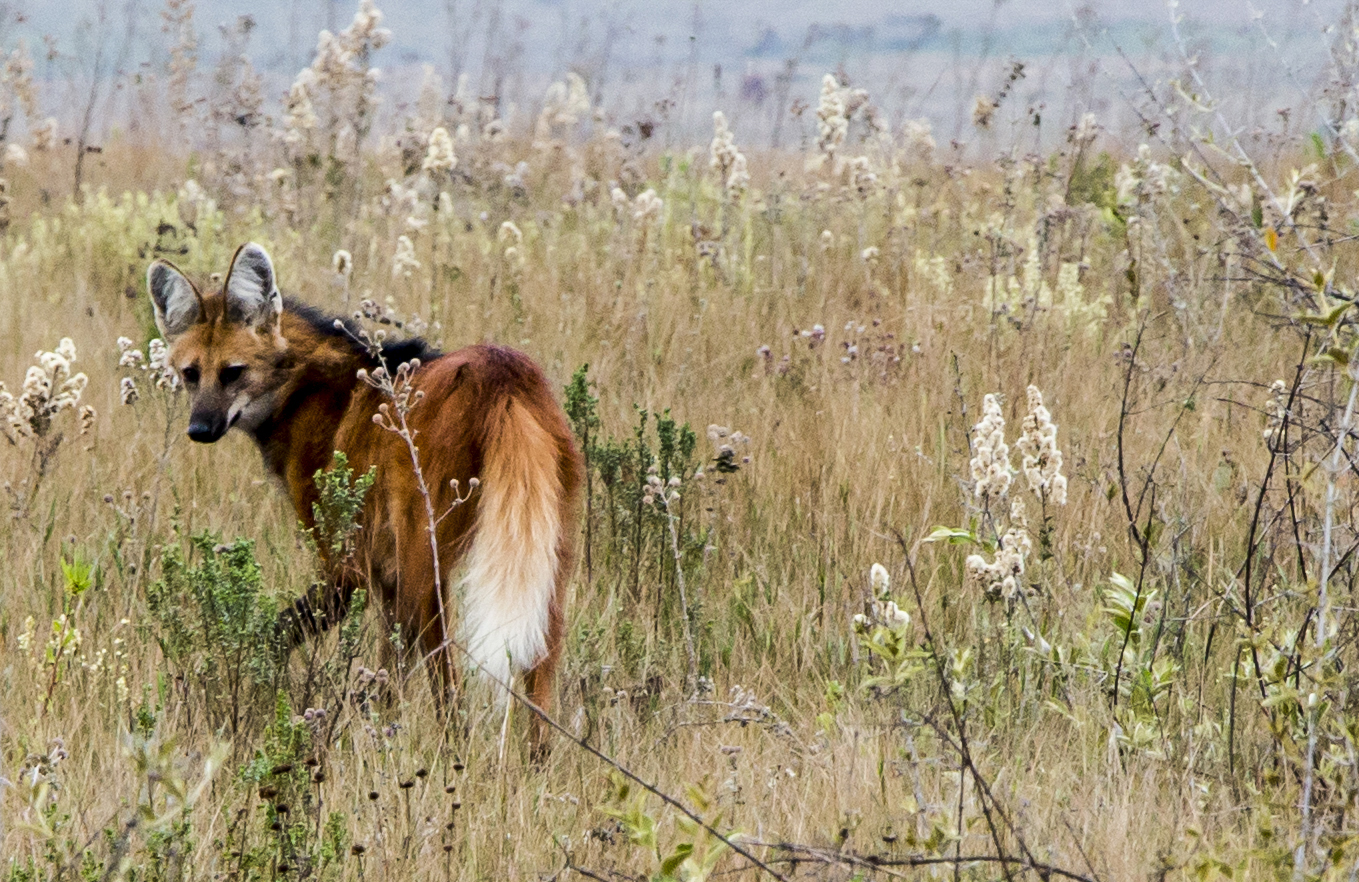
Unlike other Brazilian canids, such as the maned wolf, the bush dog is an extremely social species, living and hunting in cohesive family groups. This characteristic, combined with its morphology adapted to semi-aquatic environments, makes it a unique animal in South American fauna. In the Pantanal, it inhabits both gallery forests and the edges of flooded fields, using the network of rivers, such as the Paraguay River and the Cuiabá River, for movement and hunting.
The importance of Speothos venaticus for Pantanal biodiversity is immense, as it helps control the population of large rodents and other mammals. However, the species faces serious conservation challenges, being classified as "Near Threatened" by the IUCN and "Vulnerable" in Brazil. Its rarity and the mystery surrounding its behavior make every sighting in the biome a valuable scientific discovery, attracting the interest of researchers and ecotourism enthusiasts in regions such as the Transpantaneira and Porto Jofre.
Physical Description
The bush dog has a distinct morphology that drastically differentiates it from other canids. Its body is elongated and compact, with short, robust legs, giving it an appearance vaguely reminiscent of a weasel or an otter. Adults measure between 57 and 75 centimeters in body length, with a short tail of approximately 12 to 15 centimeters. Shoulder height ranges between 25 and 30 centimeters, and the average weight oscillates between 5 and 8 kilograms, making it the smallest wild canid in Brazil in terms of height.
The fur is dense and exhibits a characteristic color gradation: the head and neck display shades of light brown or reddish-brown, which gradually darken towards the back of the body, becoming almost black on the limbs and tail. One of the most notable adaptations of Speothos venaticus are the interdigital webs between its toes, an evolutionary specialization that facilitates swimming and movement in muddy soils, common in the Pantanal plains.
The ears are small and rounded, reducing heat loss and the risk of injury during movement through dense vegetation. The skull is robust, with specialized dentition for a strictly carnivorous diet; curiously, the species has a reduced number of molars compared to other canids, an adaptation for meat consumption. There is no marked sexual dimorphism in terms of coloration, although males may be slightly larger than females in some populations.
Habitat and Distribution in the Pantanal
The geographical distribution of Speothos venaticus extends from Panama, in Central America, to southern Brazil, Paraguay, and northeastern Argentina. However, its occurrence is fragmented and dependent on the preservation of large areas of continuous habitat. In the Pantanal, the species finds an ideal refuge due to the abundance of water bodies and the diversity of phytophysiognomies that make up the biome.
In the Pantanal ecosystem, the bush dog shows a preference for habitats near watercourses, such as riparian forests and gallery forests that border the Paraguay River and its tributaries. Studies conducted in the Northern Pantanal indicate that the species does not exclusively select habitats, being able to transit through cordilleras (slightly elevated areas with woody vegetation) and the edges of open fields, provided there is prey availability and shelter. Connectivity between these environments is crucial for the survival of groups, which require extensive home ranges, often exceeding 100 km².
The presence of the species has been recorded more frequently in preserved areas and conservation units. Regions near the Transpantaneira highway, especially in the vicinity of Porto Jofre, are places where occasional sightings occur, usually associated with dense forest areas near temporary ponds and channels. The ability to use aquatic environments allows the bush dog to explore resources that other terrestrial carnivores cannot access with the same efficiency.
Behavior
Social behavior is the most fascinating aspect of the biology of Speothos venaticus. Unlike most South American canids, which are solitary or form only pairs, the bush dog lives in structured family groups, which can range from 2 to 12 individuals. These groups are generally composed of a dominant alpha pair and their offspring from different generations. Cooperation is the basis of the group's survival, manifesting itself in both hunting and caring for offspring and defending territory.
The species has predominantly diurnal habits, beginning its activities at dawn and retreating at dusk. During the night, groups seek shelter in burrows dug by other animals, such as the armadillo, or in hollows of fallen trees. Communication between pack members is intense and complex, involving a wide range of vocalizations resembling sharp barks and whistles, used to maintain group cohesion during movement through dense vegetation. Furthermore, territorial marking through urine and scent glands is a common practice, with individuals often urinating on vertical surfaces to spread their scent.
The semi-aquatic nature of the bush dog is reflected in its escape and hunting behavior. When threatened, individuals frequently seek refuge in water, where they are agile swimmers. In the Pantanal, it is common to observe groups crossing channels or swimming in flooded areas to reach new foraging grounds. This affinity with water is a characteristic shared with the giant otter, although they occupy distinct ecological niches.
Diet
The bush dog is a hyper-specialized carnivore, with a diet composed almost exclusively of animal protein. In the Pantanal, its cooperative hunting strategy allows the group to subdue prey significantly larger than an isolated individual could manage. The hunting technique often involves dividing the group: while some individuals pursue the prey on land, other members position themselves strategically in the water or on escape routes to intercept it.
The main prey of Speothos venaticus in the Pantanal biome include large rodents such as the capybara, paca, and agouti. In addition to these, the group successfully hunts ungulates such as the collared peccary, the white-lipped peccary, and even young specimens of the marsh deer. The nine-banded armadillo (Dasypus novemcinctus) is frequently cited in diet studies as an extremely important item, sometimes accounting for more than 90% of occurrences in some fecal analyses in the Northern Pantanal.
The ecological role of the bush dog as a predator is vital for maintaining the ecosystem's balance. By preying on rodents and ungulates, they help control the populations of these species, indirectly influencing vegetation structure and the health of animal communities. Unlike other carnivores that may supplement their diet with fruits, the bush dog rarely consumes plant items, remaining faithful to its niche as a highly efficient group hunter.
Reproduction
The reproductive system of the bush dog is characterized by monogamy and reproductive suppression of subordinate individuals within the group. Generally, only the alpha pair reproduces, while other pack members act as helpers in caring for the pups, a behavior known as cooperative parental care. This system ensures a higher survival rate for offspring in a competitive environment like the Pantanal.
Gestation lasts an average of 65 to 70 days, resulting in litters ranging from 1 to 6 pups, with 4 being the most common number. Births can occur at any time of the year, although there seems to be a concentration during periods of greater food availability. Pups are born blind and dependent, remaining protected in deep dens during the first weeks of life. During this period, the alpha male and other group members bring food to the lactating female.
Sexual maturity is reached at around one year of age, but young individuals usually remain in the original group longer before attempting to establish their own territory or pack. Alloparental care (provided by non-parents) includes den protection, sharing regurgitated solid food for weaning pups, and teaching hunting techniques. This complex social structure is essential for the reproductive success of the species in challenging habitats.
Conservation Status
Speothos venaticus is one of the most vulnerable carnivore species in South America. Globally, the IUCN classifies the species as "Near Threatened," but in Brazil, the Ministry of Environment and ICMBio list it as "Vulnerable." The main threat to its survival is habitat loss and fragmentation resulting from agricultural expansion, which reduces the continuous forest areas necessary for maintaining its extensive territories.
In the Pantanal, in addition to deforestation in the plateau areas surrounding the plain, uncontrolled wildfires pose a severe risk, destroying refuge areas and reducing prey availability. Another critical factor is the transmission of diseases by domestic dogs, such as rabies, parvovirus, and canine distemper, which can decimate entire groups of bush dogs due to their high sociability and lack of immunity to these exotic pathogens. The hunting of their main prey, such as armadillos and pacas, also negatively impacts the viability of wild populations.
Conservation efforts include the creation and strengthening of Conservation Units and ecological corridors that allow gene flow between populations. Research and monitoring projects, such as those carried out by the Pró-Carnívoros Institute and the Onçafari initiative, are fundamental to better understand the species' ecology in the biome and implement effective management strategies. Raising awareness among landowners in the Pantanal about the importance of preserving riparian forests is a crucial step to ensure the future of this "ghost" of the Pantanal forests.
Curiosities
The bush dog is surrounded by legends and curious facts that fascinate biologists and local residents. One of the most notable curiosities is its diving ability; they are capable of pursuing prey underwater, using their interdigital webs for propulsion, a very rare behavior among canids. In the Pantanal, there are reports of groups of bush dogs that have managed to scare away much larger predators, such as the jaguar, through collective intimidation and incessant vocalizations.
In local culture, the animal is often described as a "ghost" due to the extreme difficulty of spotting it, even in areas where it is known to occur. For ecotourism, spotting a group of Speothos venaticus is considered the "Holy Grail" for wildlife observers, surpassing even encounters with jaguars in rarity. Regions like Porto Jofre have become strategic points for observation attempts, contributing to the economic valuation of the living species.
Another interesting fact is its territorial marking technique: to ensure its scent is perceived at the nose height of other animals, the bush dog often does a "handstand" (planting its front paws on the ground and raising its hindquarters) to urinate as high as possible on tree trunks. This dedication to chemical communication demonstrates the complexity of the social life of this small and brave inhabitant of the Pantanal waters.
References
[1] IUCN. (2011). *Speothos venaticus*. The IUCN Red List of Threatened Species. Available at: https://www.iucnredlist.org/species/20455/89246856
[2] ICMBIO. (2018). *Livro Vermelho da Fauna Brasileira Ameaçada de Extinção: Volume II – Mamíferos*. ICMBio. Available at: https://www.icmbio.gov.br/portal/images/stories/docs-publicacoes/livro_vermelho_2018_vol2.pdf
[3] ALHO, C. J. R. (2008). *Biodiversidade do Pantanal*. Editora UNIDERP.
[4] SOS PANTANAL. (2024). *Cachorro-vinagre*. SOS Pantanal. Available at: https://sospantanal.org.br/cachorro-vinagre/
[5] DE MATTOS, L. A.; DE OLIVEIRA, T. G. (2014). *Ecology and conservation of bush dogs (Speothos venaticus) in the Brazilian Pantanal*. Journal of Mammalogy, 95(5), 987-995.
[6] EMBRAPA PANTANAL. (2010). *Mamíferos do Pantanal*. Embrapa Pantanal. Available at: https://www.embrapa.br/pantanal/publicacoes
[7] BEISIEGEL, B. M.; ZIMMERMANN, A. (2005). *Speothos venaticus*. Mammalian Species, 783, 1-6.