

Introduction
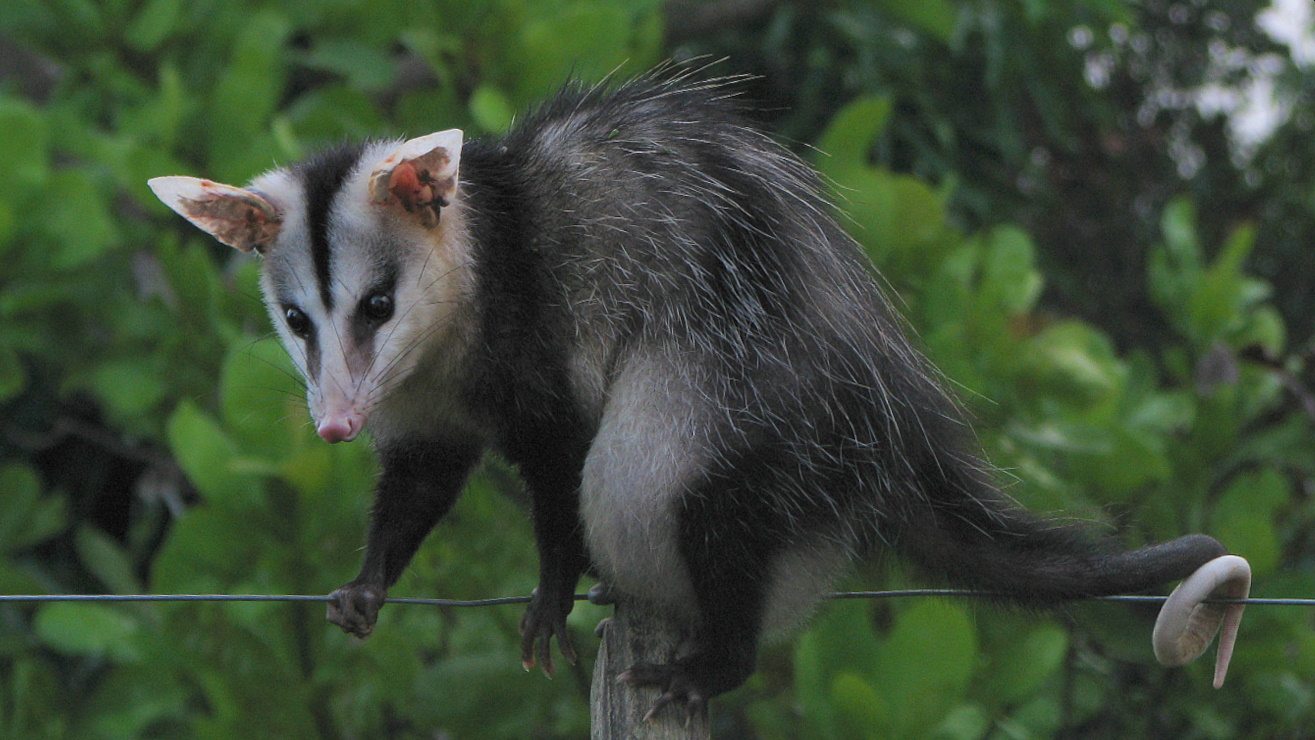
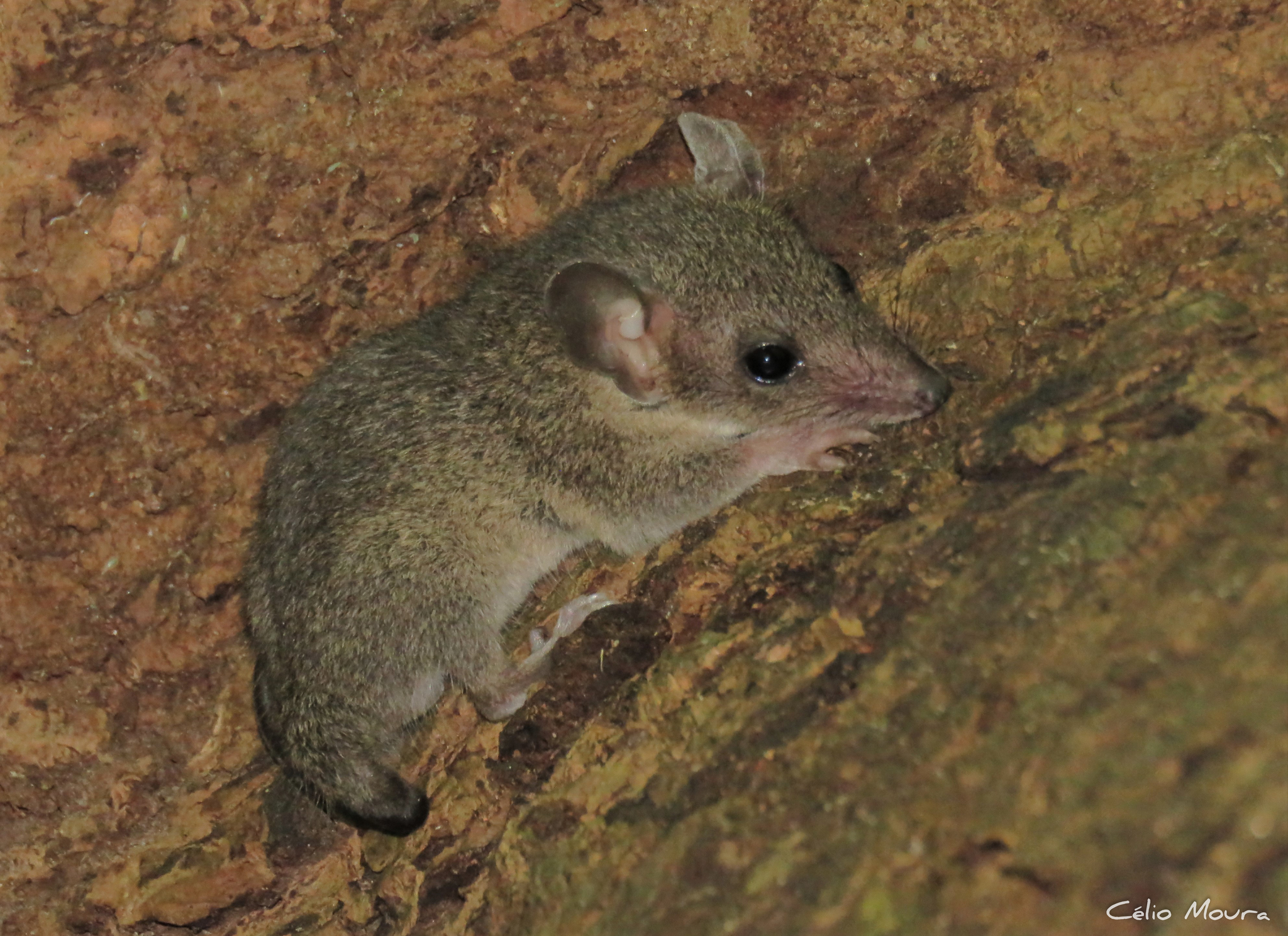
The Monodelphis domestica, popularly known as the catita, dwarf opossum, or gray short-tailed opossum, is one of the smallest and most fascinating marsupials found in the vast Pantanal plain. Unlike its more famous relatives, such as the common opossum, this species stands out for its appearance that resembles a small rodent, although it belongs to the order Didelphimorphia. Its presence in the Pantanal ecosystem is an indicator of the rich biodiversity of small mammals that inhabit dry land areas, playing a crucial role in the local ecological balance.
Scientific Classification
| Kingdom | Animalia |
| Phylum | Chordata |
| Class | Mammalia |
| Order | Didelphimorphia |
| Family | Didelphidae |
| Genus | Monodelphis |
| Species | Monodelphis domestica |
| Common Name | Gray Short-tailed Opossum |
In the context of the Pantanal, the catita is a fundamental piece in the food web, acting both as a predator of invertebrates and as prey for birds of prey and small felines, such as the ocelot. Its adaptation to environments that do not suffer from seasonal flooding, such as the cordilheiras, demonstrates the niche specialization necessary for survival in a biome governed by the water cycle. Despite its discretion and nocturnal habits, Monodelphis domestica is a vital component of Brazilian wildlife, representing the resilience of small Neotropical marsupials.
The scientific importance of this species transcends the borders of the Pantanal, being widely used in global biomedical research due to its ease of handling and unique genetic characteristics. However, in its natural habitat, it faces growing challenges related to habitat fragmentation and climate changes that affect the rainfall regime in the region. Understanding its biology and ecology is, therefore, an essential step for the conservation of Pantanal biodiversity as a whole.
Physical Description
The Monodelphis domestica presents a distinct morphology that clearly differentiates it from other marsupials. The body is compact and elongated, with a length ranging between 10 and 15 centimeters in adults, while the tail, proportionally short for a marsupial, measures from 5 to 8 centimeters. This tail characteristic, which is thick at the base and tapers toward the tip, gave rise to its common name of short-tailed opossum. The weight of adult individuals generally oscillates between 80 and 155 grams, with males tending to be significantly larger and heavier than females, evidencing moderate sexual dimorphism.
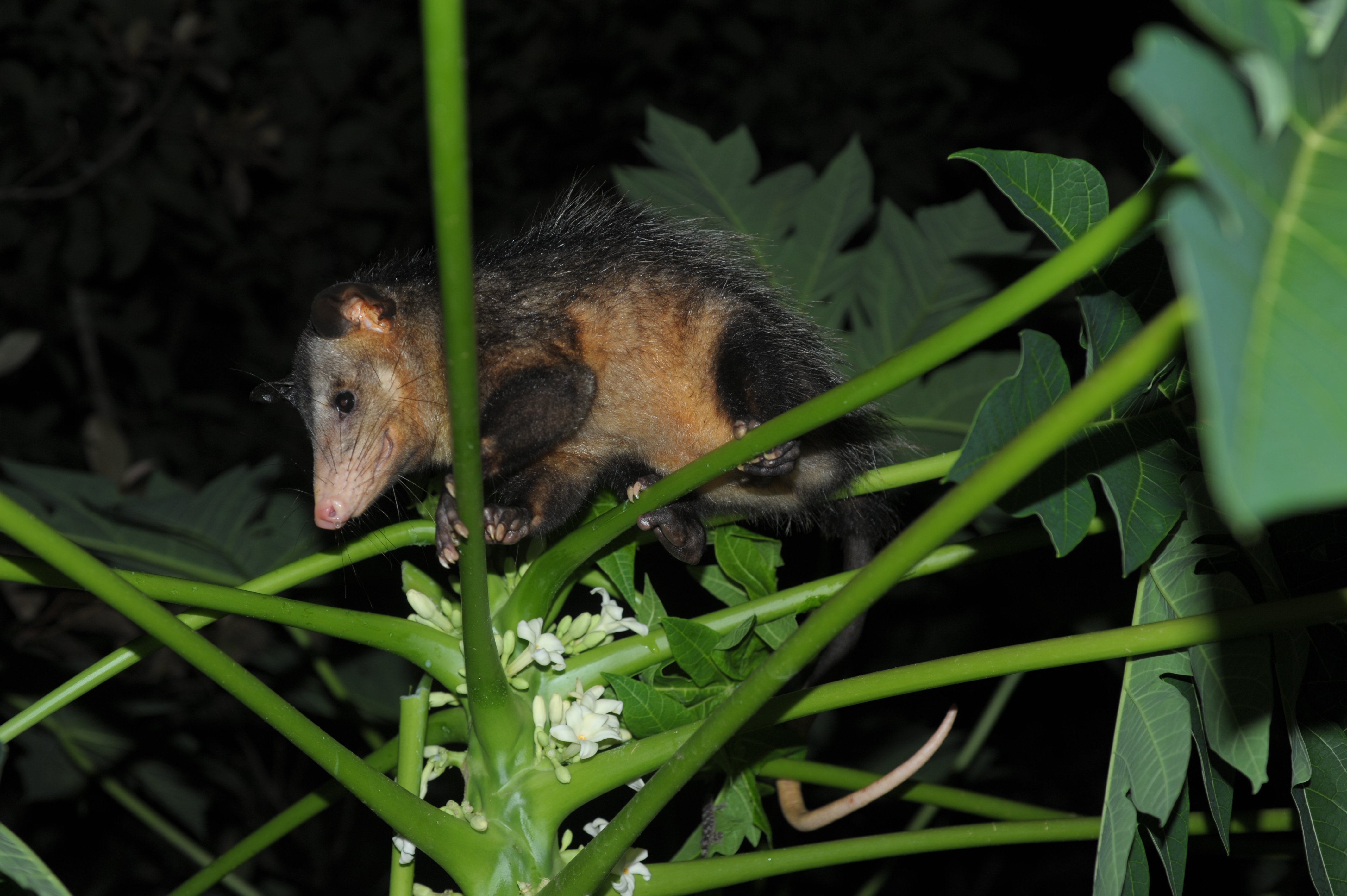
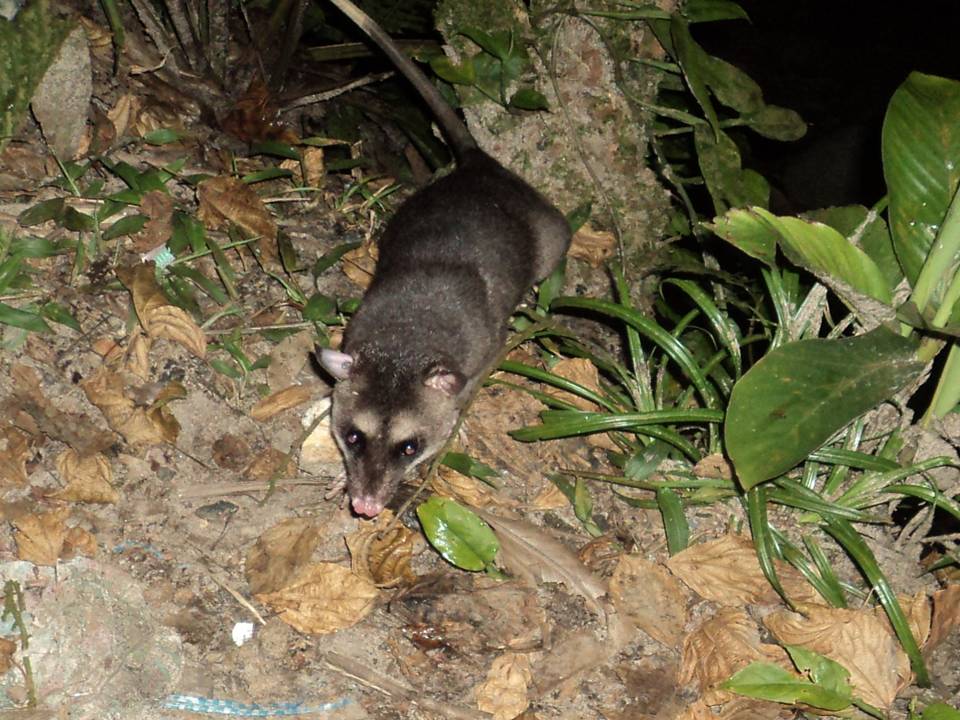
The catita's fur is dense and soft, with a coloration ranging from light gray to brownish-gray on the back, merging gradually into lighter tones, such as cream or whitish, in the ventral region. In the Pantanal, it has been observed that some individuals may present a slightly orange or salmon hue at certain times of the year, possibly associated with the ingestion of specific fruits from the region. The head has a pointed snout and large, thin, hairless ears, which are extremely sensitive to high-frequency sounds, aiding in the location of prey during the night.
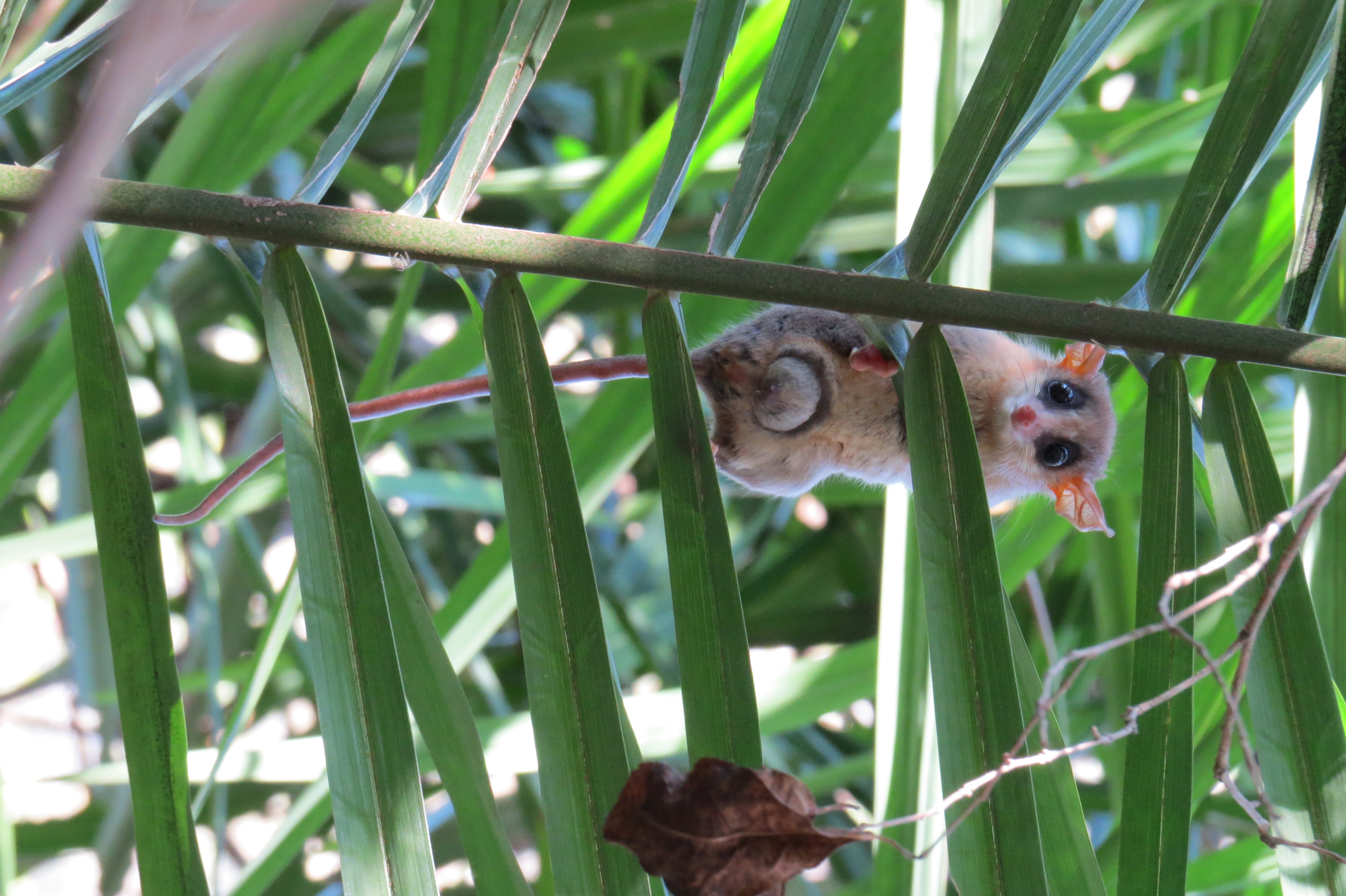
One of the most notable and defining characteristics of the genus Monodelphis is the total absence of a marsupium, the abdominal pouch typical of most marsupials. Females have exposed teats on the abdomen, arranged in a circle or in lines, where the young attach shortly after birth. Furthermore, the tail is only semi-prehensile, being used more for balance and support during movement on the forest floor than for the complex arboreal locomotion seen in other members of the family Didelphidae.
| Characteristic | Adult Male | Adult Female |
|---|---|---|
| Body Length (cm) | 12.5 - 15.0 | 10.0 - 13.0 |
| Tail Length (cm) | 6.5 - 8.0 | 5.0 - 7.0 |
| Average Weight (g) | 110 - 155 | 80 - 100 |
| Dorsal Coloration | Gray-brown | Gray-brown |
Habitat and Distribution in the Pantanal
The geographical distribution of Monodelphis domestica is wide in South America, covering much of central and northeastern Brazil, as well as portions of Bolivia, Paraguay, and northern Argentina. In the Pantanal biome, its occurrence is markedly influenced by topography and the flood regime. The species is found predominantly in areas of "cordilheiras," which are sandy elevations covered by dense forest vegetation that remain dry even during the peak flood of the Paraguay River and its tributaries.
Unlike other small Pantanal mammals that have adapted to flooded areas, the catita avoids "landis" (vegetation corridors in depressions) and "cambarazais" during flood periods, where it is frequently ecologically replaced by species such as the giant otter (in terms of aquatic resource use, although on different scales) or, more directly, by other marsupials like Philander opossum. Its preference for dry land habitats makes the cordilheiras essential refuges for maintaining its populations, especially in years of extreme floods that drastically reduce the area available for terrestrial mammals.
In addition to the cordilheiras, the catita can also be found in transition areas with the Cerrado and at the edges of gallery forests. Its ability to inhabit anthropized areas, such as wood piles or the surroundings of farm headquarters along the Transpantaneira highway, demonstrates a certain ecological plasticity, provided there is sufficient vegetation cover for protection against predators and food availability. However, the integrity of the cordilheira forests remains the determining factor for the species' population density in the region.
Behavior
The Monodelphis domestica is an animal of strictly nocturnal and crepuscular habits, starting its activity shortly after sunset. During the day, it remains sheltered in nests built with dry leaves, grasses, and other plant materials, located in low tree hollows, rock crevices, or holes in the ground. In the Pantanal, the use of natural shelters in the cordilheiras is vital to avoid high daytime temperatures and predation by diurnal birds of prey.
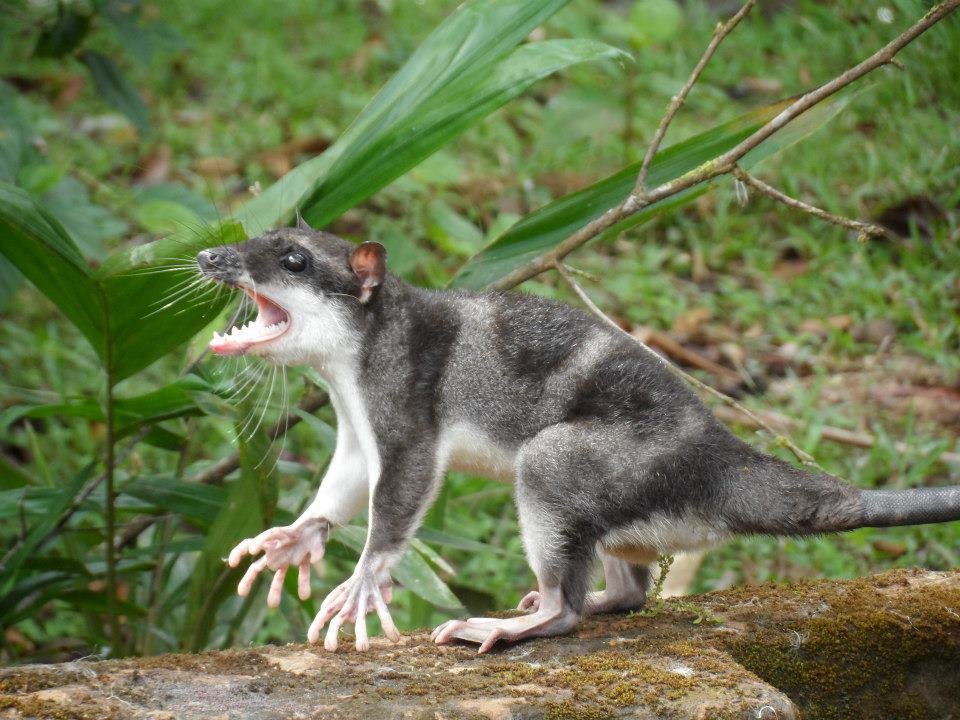
Socially, the catita is a solitary and territorial animal. Interactions between individuals of the same species are generally limited to the reproductive period and are usually marked by agonistic behaviors. When confronted, the catita exhibits a characteristic defensive posture: it stands on its hind legs, opens its mouth wide to show its teeth, and emits short, high-pitched vocalizations. This behavior, although intimidating for its size, is a defense strategy against potential threats and competitors for food resources.
Despite being classified as a terrestrial species, the catita possesses moderate climbing skills, using its semi-prehensile tail to aid in balance when climbing low shrubs or fallen logs in search of food. However, it does not present the specialized arboreal adaptations of other marsupials, preferring to move quickly through the forest floor leaf litter. Its locomotion is agile and silent, allowing it to approach its prey without being detected.
Diet
The diet of Monodelphis domestica is classified as insectivorous-omnivorous, with a strong inclination toward the consumption of invertebrates. In the Pantanal ecosystem, it plays a fundamental ecological role as a controller of insect populations, including beetles, crickets, cockroaches, and ants. In addition to insects, the catita is an opportunistic predator of other small animals, such as spiders, scorpions, and even small vertebrates, including lizards and rodent pups, demonstrating remarkable aggressiveness during hunting.
The plant component of the diet is equally important, especially during seasonal changes in the Pantanal. The catita consumes a variety of wild fruits, such as marmelada (Alibertia edulis) and fruits from trees of the genus Miconia and Eugenia. The ingestion of these fruits not only provides hydration and essential nutrients but also makes the marsupial an important seed disperser in the cordilheiras, aiding in the regeneration of local flora. In areas near human settlements, the species may occasionally consume food scraps, which earned it the specific epithet "domestica."
The catita's foraging strategy involves the meticulous exploration of the soil and leaf litter, using its keen sense of smell and sensitive hearing to detect the movement of prey under the leaves. Its high metabolic rate requires a constant consumption of energy, which keeps it active during much of the night. This diversified diet allows the species to adapt to fluctuations in resource availability caused by the biome's dry and flood cycle.
Reproduction
The reproductive biology of Monodelphis domestica is marked by efficiency and the absence of a true marsupial pouch. In the Pantanal, reproductive activity seems to be synchronized with resource availability, with a peak of births generally occurring at the beginning of the rainy season (October to December), when the supply of insects and fruits is maximum. During the drier and colder months (May to August), a significant reduction in the reproductive activity of the wild population is observed.
The gestation period is extremely short, lasting about 14 to 15 days. After birth, the young, which are born in a very rudimentary state of development, crawl to the mother's abdomen and attach firmly to the teats. Since there is no marsupium to protect them, the young remain exposed, clinging to the ventral fur and teats for several weeks. A litter can vary from 6 to 11 young. As they grow, they begin to venture out of the nest, but complete weaning only occurs around 50 days of age, when they become independent.
Conservation Status
Currently, Monodelphis domestica is classified by the International Union for Conservation of Nature (IUCN) as a species of "Least Concern" (LC). In Brazil, ICMBio assessments follow the same line, indicating that the species is not under immediate threat of extinction at the national level. Its wide geographical distribution and capacity to adapt to different types of vegetation contribute to this favorable conservation status.
However, the situation in the Pantanal requires continuous attention. The main threats to the species in the region include habitat loss due to the conversion of cordilheira forests into exotic pastures and the occurrence of intense and uncontrolled wildfires, which destroy shelters and food sources. Furthermore, predation by domestic animals, such as cats and dogs in farm areas, can have a significant impact on local populations. The fragmentation of cordilheiras can also isolate populations, reducing genetic variability in the long term.
The conservation of the catita is intrinsically linked to the preservation of the dry land areas of the Pantanal. Management strategies that include the maintenance of ecological corridors between cordilheiras and the control of fire use are fundamental. Although it is not a "flagship" species like the jaguar, the protection of Monodelphis domestica ensures the maintenance of essential ecological processes that sustain the biodiversity of the entire biome.
Curiosities
One of the most notable curiosities about Monodelphis domestica is its importance to global science. This small creature from the Pantanal and other Brazilian biomes was the first marsupial to have its genome completely sequenced. Due to its physiological similarity to humans in certain aspects and its ease of reproduction in captivity, it is used as a biological model in research on skin cancer (melanoma), neurology, and embryonic development, contributing to advances in human medicine.
Another interesting fact is the origin of its scientific name. The term "domestica" was attributed by the naturalist Johann Andreas Wagner in 1842, based on reports that these animals were frequently found inside human dwellings in the interior of Brazil. Far from being pests, they entered houses in search of insects and small rodents, acting as a natural control for domestic pests. In the Pantanal, it is still common to hear stories from local residents who spot the "catita" exploring pantries or grain storage areas.
In the realm of ecotourism, although the catita is not the main target of photographic safaris seeking the jaguar or the capybara, it is a "hidden gem" for mammal observation enthusiasts. Sightings during guided nocturnal walks in the cordilheiras near the Transpantaneira offer a unique opportunity to observe a pouchless marsupial in its wild state, providing a deeper understanding of the complexity and diversity of Pantanal wildlife.
References
[1] IUCN. (2016). *Monodelphis domestica*. The IUCN Red List of Threatened Species. Available at: https://www.iucnredlist.org/species/40516/22171178
[2] ALHO, C. J. R. (2008). *Biodiversidade do Pantanal*. Editora UNIDERP.
[3] PAGLIA, A. P. et al. (2012). *Lista Anotada dos Mamíferos do Brasil*. 2nd ed. Fundação Biodiversitas.
[4] EISENBERG, J. F.; REDFORD, K. H. (1999). *Mammals of the Neotropics, Volume 3: The Central Neotropics: Ecuador, Peru, Bolivia, Brazil*. University of Chicago Press.
[5] GARDNER, A. L. (2008). *Mammals of South America, Volume 1: Marsupials, Xenarthrans, Shrews, and Bats*. University of Chicago Press.
[6] EMBRAPA PANTANAL. (2020). *Mamíferos do Pantanal: Guia de Campo*. Embrapa Pantanal. Available at: https://www.embrapa.br/pantanal/publicacoes
[7] REIS, N. R. et al. (2006). *Mamíferos do Brasil*. Editora da Universidade Estadual de Londrina.