

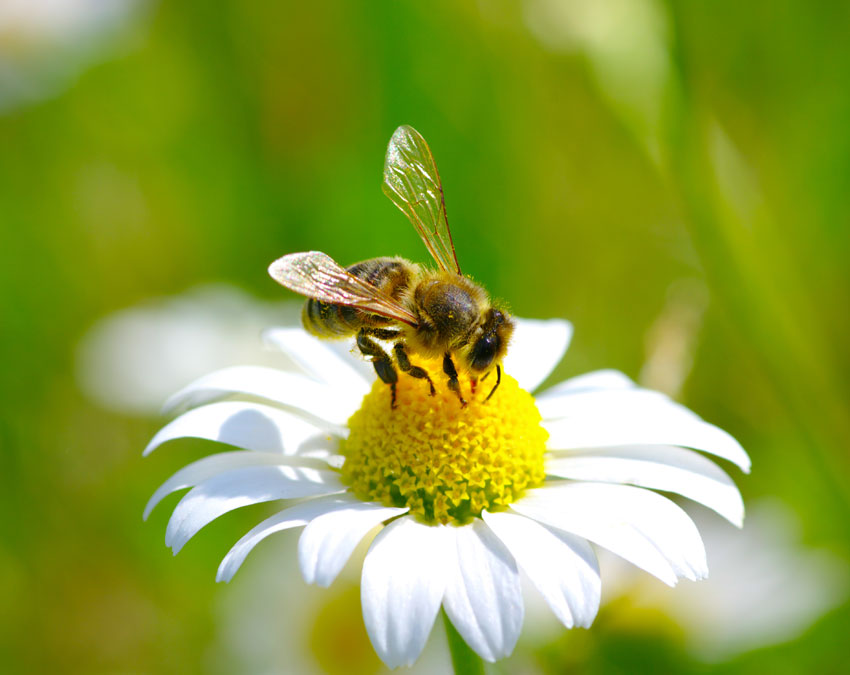
Apis mellifera (Western Honey Bee)
Introduction
Apis mellifera, commonly known as the Western honey bee or European honey bee, is perhaps the most famous and economically important insect species in the world. Belonging to the family Apidae, this bee is native to Europe, Africa, and parts of Asia, but was introduced to the Americas centuries ago. In the Pantanal, the Western honey bee has established itself as a dominant pollinator, adapting remarkably well to the seasonal dynamics of the biome and playing a crucial role in both the natural ecosystem and the local economy through honey production [1] [2].
In the context of the Pantanal, the Western honey bee is often represented by the Africanized hybrid, resulting from the crossbreeding of European and African subspecies. This hybrid is known for its high productivity, resistance to diseases, and vigorous foraging behavior. Its presence in the Pantanal is a double-edged sword: while it provides essential pollination services for many native plants, it also competes for resources with native stingless bees. However, its integration into the landscape is now a fundamental part of the region’s ecological and economic fabric [3] [4].
Scientific Classification
The taxonomic classification of Apis mellifera reflects its position as the type species of the genus Apis, characterized by its complex social structure and honey-storing behavior:
| Category | Classification |
|---|---|
| Kingdom | Animalia |
| Phylum | Arthropoda |
| Class | Insecta |
| Order | Hymenoptera |
| Family | Apidae |
| Genus | Apis |
| Species | Apis mellifera |
| Common Name | Western Honey Bee, European Honey Bee |
Description
The Western honey bee is a medium-sized insect, with workers typically measuring between 1.2 and 1.5 centimeters. Its body is covered in fine hairs that aid in the collection of pollen. The coloration varies among subspecies and hybrids, but generally features alternating bands of black and amber or yellow on the abdomen. One of its most notable anatomical features is the “pollen basket” (corbicula) on its hind legs, a specialized structure used to transport pollen back to the hive [2] [5].
As a highly social species, Apis mellifera exhibits a clear caste system: the queen, the workers, and the drones. The queen is the largest individual and the only reproductive female in the colony. Workers are sterile females that perform all the tasks necessary for the hive’s survival, from nursing larvae to foraging for nectar. Drones are males whose sole function is to mate with a virgin queen. This social organization is supported by a sophisticated communication system, including the famous “waggle dance,” which foragers use to inform their nestmates about the location and quality of food sources [4] [6].
| Characteristic | Value |
|---|---|
| Worker Length | 1.2 - 1.5 cm |
| Queen Length | 1.8 - 2.0 cm |
| Colony Size | 20,000 - 60,000 individuals |
| Foraging Range | Up to 10 km |
| Hive Temperature | Constant ~35°C |
Distribution and Habitat
Originally from the Old World, Apis mellifera is now found on every continent except Antarctica. In the Pantanal, it occupies a wide range of habitats, from open grasslands to dense gallery forests. Its ability to nest in various locations, such as hollow trees, rock crevices, or even abandoned termite mounds, has allowed it to colonize the entire floodplain. The abundance of flowering plants in the Pantanal provides a year-round source of nectar and pollen, although resource availability fluctuates with the flood cycle [1] [3].
During the flood season, honey bees concentrate their activity in the higher ground areas (cordilheiras) and riparian forests where trees continue to bloom. As the waters recede, the blooming of aquatic and semi-aquatic plants in the drying fields offers a massive food resource. This seasonal abundance is what makes the Pantanal one of the most productive regions for apiculture in Brazil, with honey bees playing a central role in the biome’s reproductive cycles [5] [7].
Behavior
The behavior of Apis mellifera is a marvel of biological coordination. The colony functions as a “superorganism,” where individual actions are subordinated to the needs of the collective. In the Pantanal, Africanized bees are known for their heightened defensive behavior compared to their European ancestors. They are more sensitive to disturbances near the hive and can respond in large numbers to protect the colony. This trait is an evolutionary adaptation to the high predation pressure in tropical environments [2] [4].
Foraging behavior is another highlight. A single bee may visit hundreds of flowers in a single trip, showing high “floral fidelity”—the tendency to visit the same species of flower as long as it provides rewards. This behavior makes them exceptionally efficient pollinators. Additionally, the colony exhibits remarkable thermoregulation, using fanning and water evaporation to cool the hive during the intense Pantanal heat, or clustering together to generate heat during the occasional cold fronts (friagens) [6].
Feeding / Nutrition
The diet of Apis mellifera is strictly vegetarian, consisting of nectar and pollen. Nectar is the primary source of carbohydrates (energy), which is processed into honey for long-term storage. Pollen provides the essential proteins, lipids, vitamins, and minerals needed for larval development and the health of the adult bees. In the Pantanal, they exploit a vast array of botanical sources, including the cambará (Vochysia divergens), the lixeira (Curatella americana), and various species of aquatic plants [3] [5].
Water is also a critical resource, used both for drinking and for hive cooling. In the Pantanal, water is rarely a limiting factor, but bees must navigate the risks of predation by dragonflies, birds, and even fish while collecting it at the water’s edge. The ability of the colony to store large quantities of honey allows it to survive periods of resource scarcity, such as extreme floods or prolonged droughts, which are characteristic of the Pantanal’s climate [6].
Reproduction
Reproduction in Apis mellifera occurs at two levels: the individual and the colony. At the individual level, the queen mates with several drones during a single “nuptial flight,” storing enough sperm to fertilize millions of eggs throughout her life. She can lay up to 2,000 eggs per day during the peak season. At the colony level, reproduction occurs through “swarming,” where the old queen leaves the hive with about half of the workers to establish a new colony, while a new queen emerges in the original colony. In the Pantanal, this phenomenon is more frequent during the major flowering periods that follow the rainy season, ensuring the species’ expansion in the ecosystem.
Ecological Importance
Apis mellifera is one of the most important pollinators in the Pantanal due to its abundance and generalist behavior. It contributes significantly to the reproduction of native plants that sustain the base of the food chain. By ensuring the production of seeds and fruits, the species aids in the natural regeneration of forests and the maintenance of the biome’s plant structure, indirectly impacting the survival of birds, mammals, and other insects.
Furthermore, the species acts as an indicator of environmental health. While it may compete for resources with native stingless bees (Meliponini), studies indicate that in vast environments like the Pantanal, interaction networks tend to adjust. The presence of Apis mellifera in conservation areas highlights the complexity of modern ecological relationships, where introduced species play critical roles in ecosystem resilience against climate change.
Conservation Status
Globally, Apis mellifera is not considered a threatened species, being classified as “Data Deficient” or “Least Concern” in various IUCN lists, depending on the subspecies and region. In Brazil, populations are stable and abundant. However, the species faces increasing threats due to the indiscriminate use of pesticides in areas peripheral to the Pantanal, which can cause Colony Collapse Disorder (CCD).
Conservation measures in the Pantanal focus on promoting sustainable apiculture and preserving native flora. The maintenance of ecological corridors and the protection of natural nesting sites are essential to ensure that bee populations continue to provide their ecosystem services. Awareness of the importance of bees for food security and biodiversity is a central pillar of management strategies in the region.
Fun Facts
- Honey Production: A single colony of Apis mellifera in the Pantanal can produce over 40 kg of honey per year, depending on the intensity of the flowering of species like cambará.
- Visual Communication: Bees can see colors in the ultraviolet spectrum, which helps them locate nectar guides on Pantanal flowers that are invisible to the human eye.
- Wax Architecture: Honeycombs are built in perfect hexagons, the geometric shape that allows for storing the maximum amount of honey with the minimum expenditure of wax.
- Longevity: While workers live about 45 days during the intense working season, a queen can live 3 to 5 years, dedicating herself exclusively to laying eggs.
- Sense of Orientation: Apis mellifera uses the Earth’s magnetic field and the sun’s position as natural compasses to return to the hive after traveling distances of up to 10 km.
References
[1] IUCN. (2016). Apis mellifera. The IUCN Red List of Threatened Species. Available at: https://www.iucnredlist.org/species/42463639/42463660 [2] EMBRAPA PANTANAL. (2018). Apicultura no Pantanal: Potencial e Desafios. Embrapa Pantanal. Available at: https://www.embrapa.br/pantanal/publicacoes [3] ALHO, C. J. R. (2008). Biodiversidade do Pantanal. Editora UNIDERP. [4] POTT, A.; POTT, V. J. (1994). Plantas do Pantanal. Embrapa-SPI. [5] SOS PANTANAL. (2023). Polinizadores e a saúde do Pantanal. SOS Pantanal. Available at: https://sospantanal.org.br [6] IMPERATRIZ-FONSECA, V. L.; NOGUEIRA-FERREIRA, F. H. (2019). Abelhas no Brasil: Biodiversidade, Conservação e Usos. Editora da Universidade de São Paulo. [7] FREITAS, B. M.; PEREIRA, J. O. P. (2004). Polinização Agrícola no Brasil. Embrapa Informação Tecnológica.