Introduction
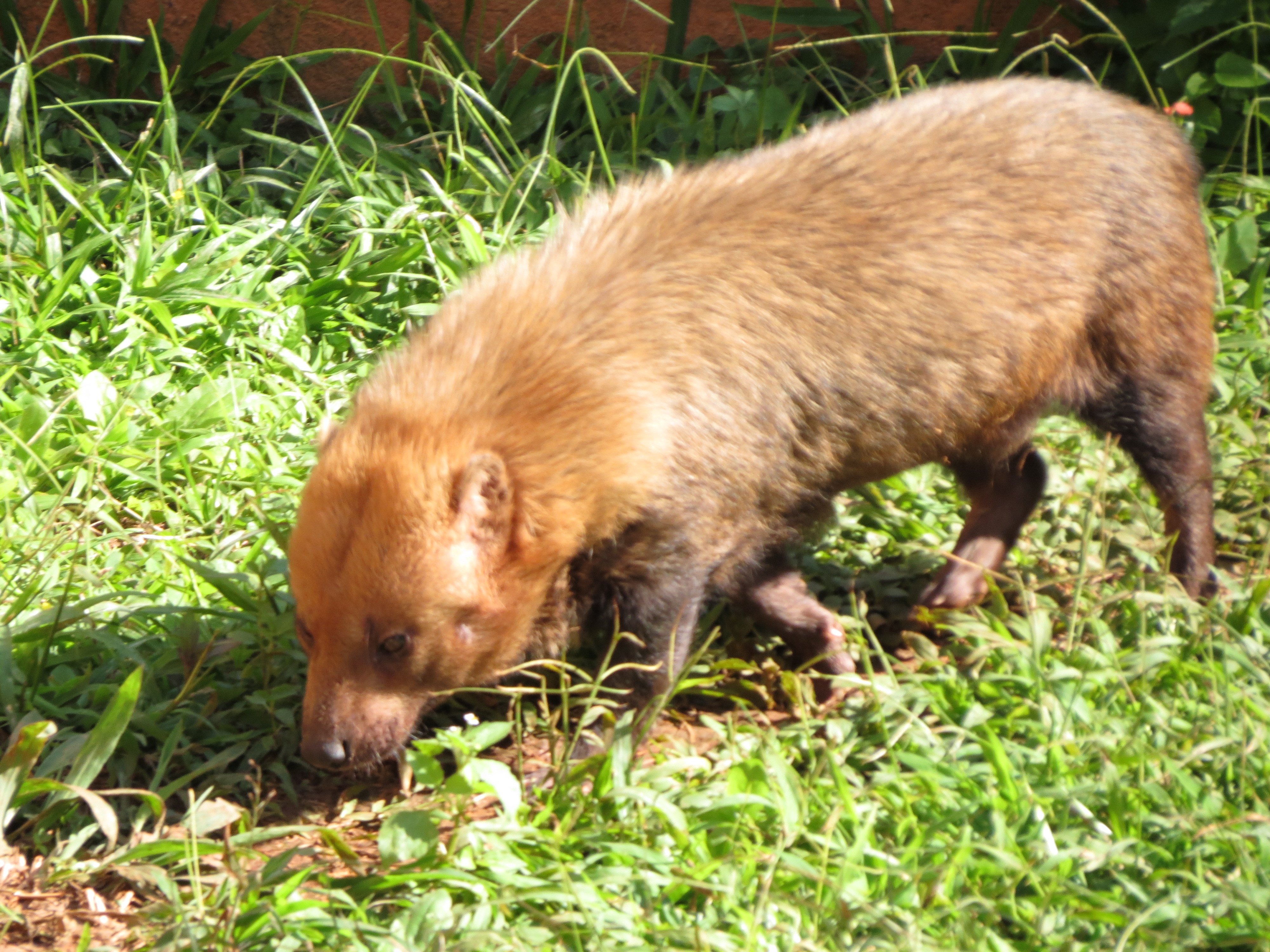
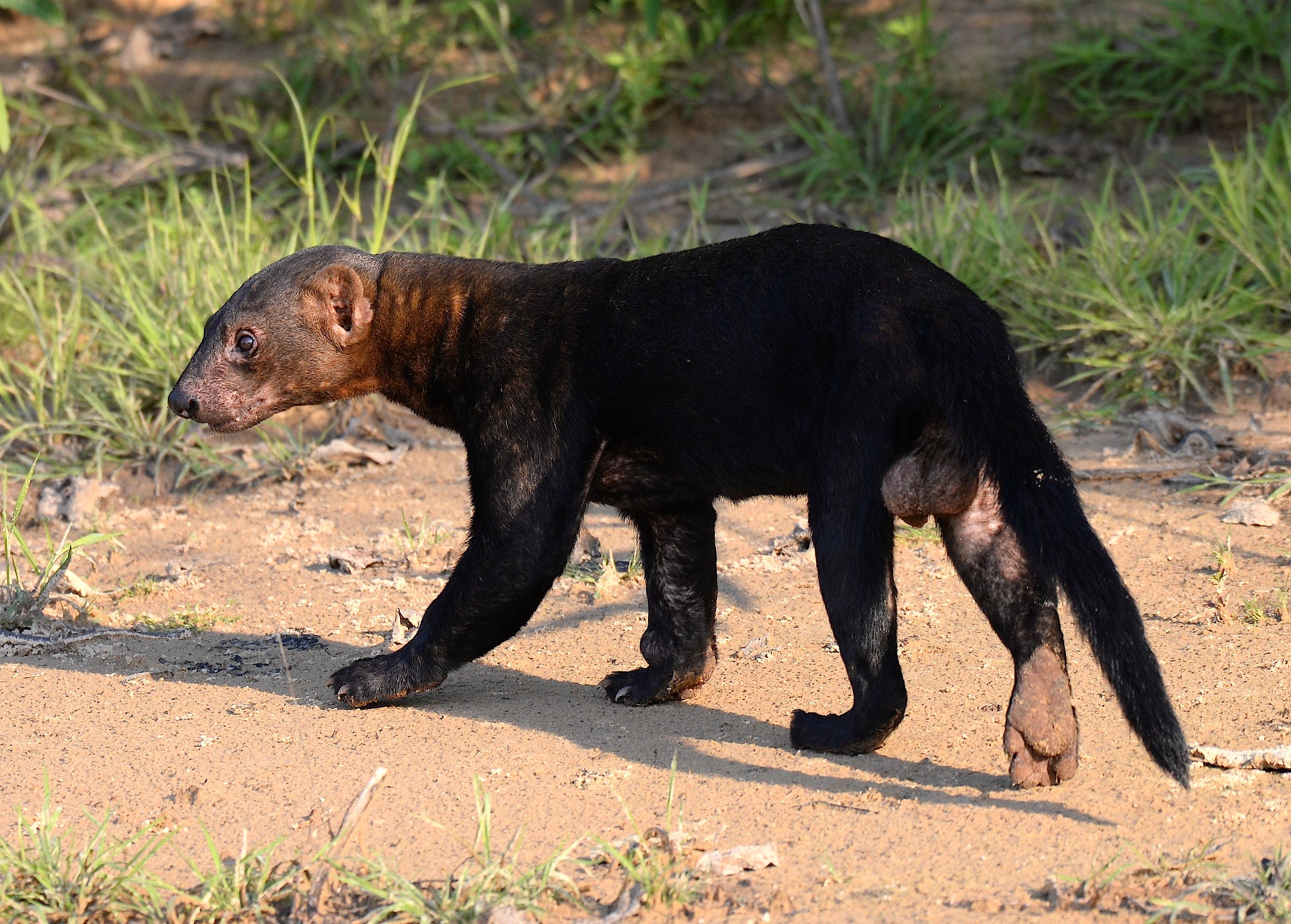
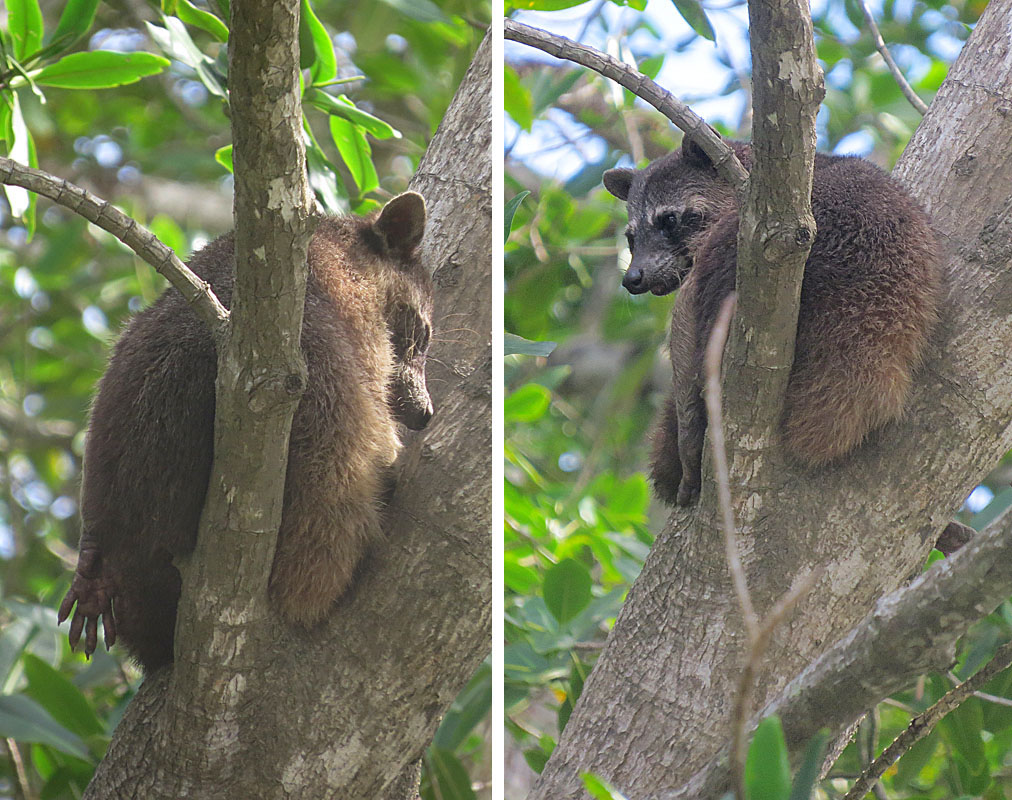
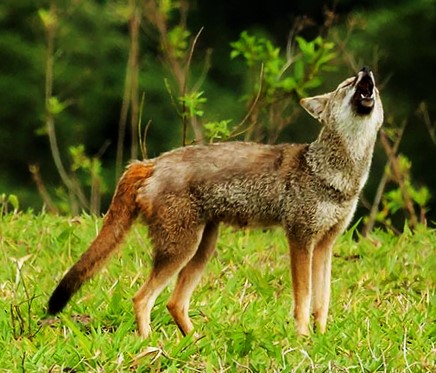
The Conepatus semistriatus, popularly known as the striped hog-nosed skunk or jaritataca, is a carnivorous mammal of the Mephitidae family. In the Pantanal, this species stands out for its specialized diet and its famous chemical defense system. Although it belongs to the order Carnivora, the jaritataca has a highly insectivorous behavior, playing a vital role in controlling invertebrate populations in the fields and forests of the biome.
Scientific Classification
| Kingdom | Animalia |
| Phylum | Chordata |
| Class | Mammalia |
| Order | Carnivora |
| Family | Mephitidae |
| Genus | Conepatus |
| Species | Conepatus semistriatus |
| Common name | Striped hog-nosed skunk |
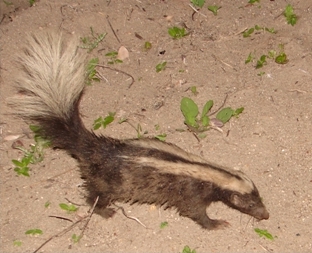
The jaritataca is easily recognized by its black fur with two white stripes that run along its back to its tail. In the Pantanal, it is often found in open areas and forest edges, where it uses its powerful claws to dig in search of food. Its presence is a sign of a balanced ecosystem, as it helps regulate the population of insects and small vertebrates that could otherwise become pests.
Physical Description
Conepatus semistriatus has a robust body, measuring between 30 and 50 centimeters, with a tail of 15 to 30 centimeters. It weighs between 1.5 and 3.5 kilograms. Its most striking feature is its elongated snout, similar to that of a pig, which it uses to root in the soil. Its fur is coarse and predominantly black, with two characteristic white stripes. The tail is bushy and often has white hairs mixed with black.
Habitat and Distribution in the Pantanal
The striped hog-nosed skunk is widely distributed in South and Central America. In the Pantanal, it prefers open fields, savannas, and the edges of gallery forests. It avoids permanently flooded areas, seeking higher ground during the flood season. It is common to see it near farm buildings, where it finds shelter and food.
Behavior
It is a solitary and nocturnal animal. Its main defense is the secretion of a foul-smelling liquid from its anal glands, which it can spray with great precision at predators. Before spraying, it usually gives warning signs, such as stamping its feet and raising its tail. In the Pantanal, it is known for its calm demeanor unless threatened.
Diet
Its diet is primarily insectivorous, consisting of beetles, larvae, crickets, and spiders. However, it is an opportunistic omnivore and also consumes small mammals, reptiles, amphibians, fruits, and eggs. Its ability to dig makes it an efficient predator of soil-dwelling invertebrates.
Reproduction
Gestation lasts about 60 days, resulting in 2 to 5 offspring. The young are born in burrows dug by the mother or in natural cavities. They stay with the mother for several months before becoming independent. In the Pantanal, reproduction seems to be linked to the period of greatest food abundance.
Conservation Status
Classified as "Least Concern" (LC) by the IUCN and ICMBio. However, it faces threats such as roadkill, habitat loss due to agriculture, and fires. In the Pantanal, the preservation of natural fields is essential for its survival.
Fun Facts
The jaritataca is partially immune to the venom of some snakes and scorpions. In local folklore, it is respected for its "unbearable smell." For ecotourism, it is a frequent target for night photography in areas like Porto Jofre.